


Stories · Photo books · Italy
NOSTALGIA: How six years of Italy became my first large book
In 2009 I travelled to Italy for the first time, and the country has not let go of me since. Six years later NOSTALGIA was published: 320 pages on forgotten places between Milan and Rome. How the book came about, why its places carry no names, and what keeps me there.
At a glance
- Location
- Italy
NOSTALGIA was published in October 2015 by Frederking & Thaler: 320 large-format pages, more than 200 previously unpublished works from Italy, accompanied by texts from the journalist Petra Reski. It was my third book and the first with Frederking & Thaler. Looking back, it is my personal declaration of love to a country that impressed me from the first moment.
NOSTALGIA is a large book, in the literal sense too: just under 30 by 38 centimetres, almost A3, bound in linen, with gold embossing on the cover and spine, and weighing more than four kilos.
How did it all begin?
My fascination with abandoned places is older than my photography. I grew up on the Lower Rhine with the Ruhr close by, and its old industrial architecture captivated me early on, not only how it looked but also its past. In 2007 I bought my first camera; in 2008 things began in earnest. I soon realised that architecture is where I feel most at home as a photographer.
Photographing nothing but industrial buildings, however, soon felt monotonous. I began to widen my research, to other kinds of buildings and above all across the border. In 2009 I travelled to Italy for the first time. I have been back every year since, usually several times.
Why Italy?
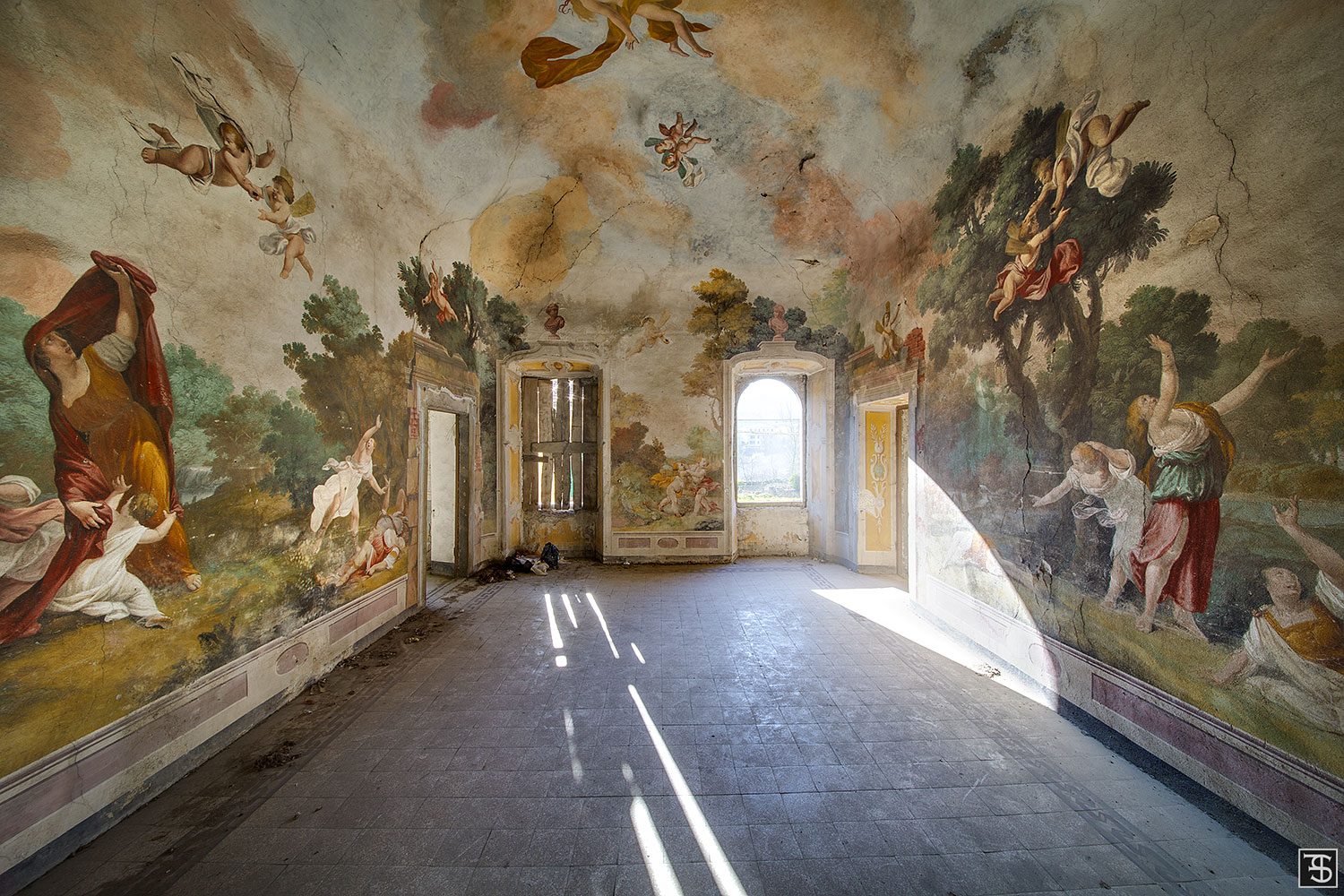
It is not only the sheer abundance of old and beautiful architecture, although no country has thrilled me so much with its buildings or kept fascinating me anew. It is the whole feel of the country: the people, the food, the hospitality. And for me as a photographer it is the special light and above all the colours, because colour matters a great deal to me.
In Italy I have often found people proud of their buildings, even when these are marked by decay. Many were glad to show me places and told their stories with great respect. That direct route gives me more depth than any archive.
For NOSTALGIA I travelled the north and the centre of the country again and again for more than six years. I love going to the remote corners, to places without tourists, and getting to know the real country. I prefer to drive without motorways, across country, because that is how you reach the interesting spots. That is how I came to know and love Italy.
How do you find such places?
Research and travel take far more time than the photography itself. I search current media, satellite maps and historical documents such as directories, books and old postcards. Even at that stage I learn a great deal about a place's past. Little by little a route takes shape, and often I do not know what awaits me. A building may already be restored, closed or demolished. And then there are the surprises along the way. Luck and disappointment are always close together.
On site I need time and calm. I want to experience a room first and let it work on me; only then does the picture take shape. I work solely with the light I find. That means long exposures from a tripod and sometimes a long wait until the light falls the way the room deserves.
Why do the places carry no names?
With few exceptions I do not name the places in NOSTALGIA. Respect for them and their protection matter to me. The risk of vandalism and theft often grows once exact locations find their way onto the internet. I have seen the condition of individual houses deteriorate rapidly between two visits.
I would rather let the pictures speak for themselves. All these walls have much to tell; one only has to linger and listen.
What became of the book
The first edition sold out quickly and two more followed. Today NOSTALGIA is sold out in the shops. I still have a few remaining copies myself. For me the book was not an ending but a beginning: three years later MELANCHOLIA followed, a second volume on Italy, this time including the south.
More about the book on the book's page.
The pictures
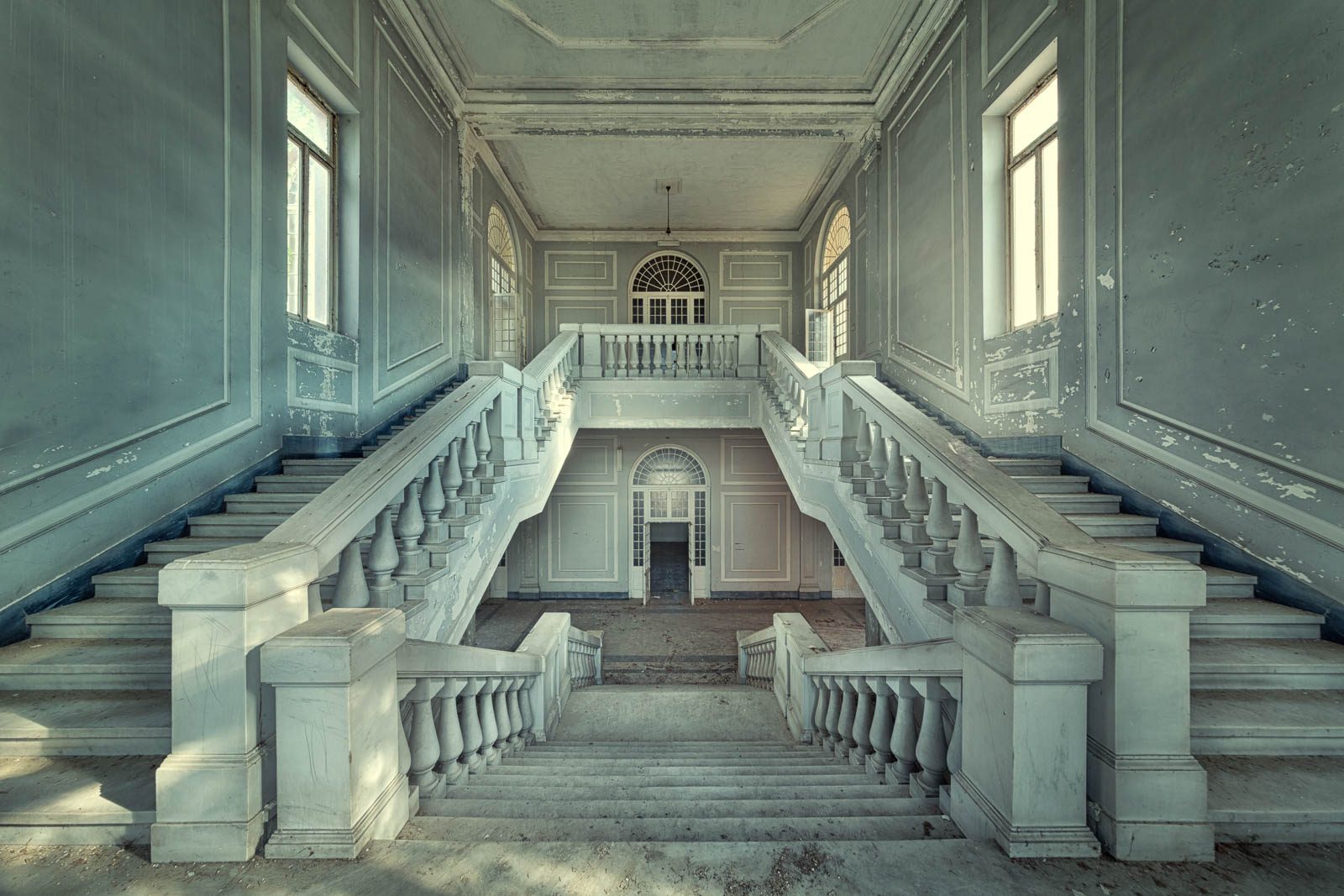
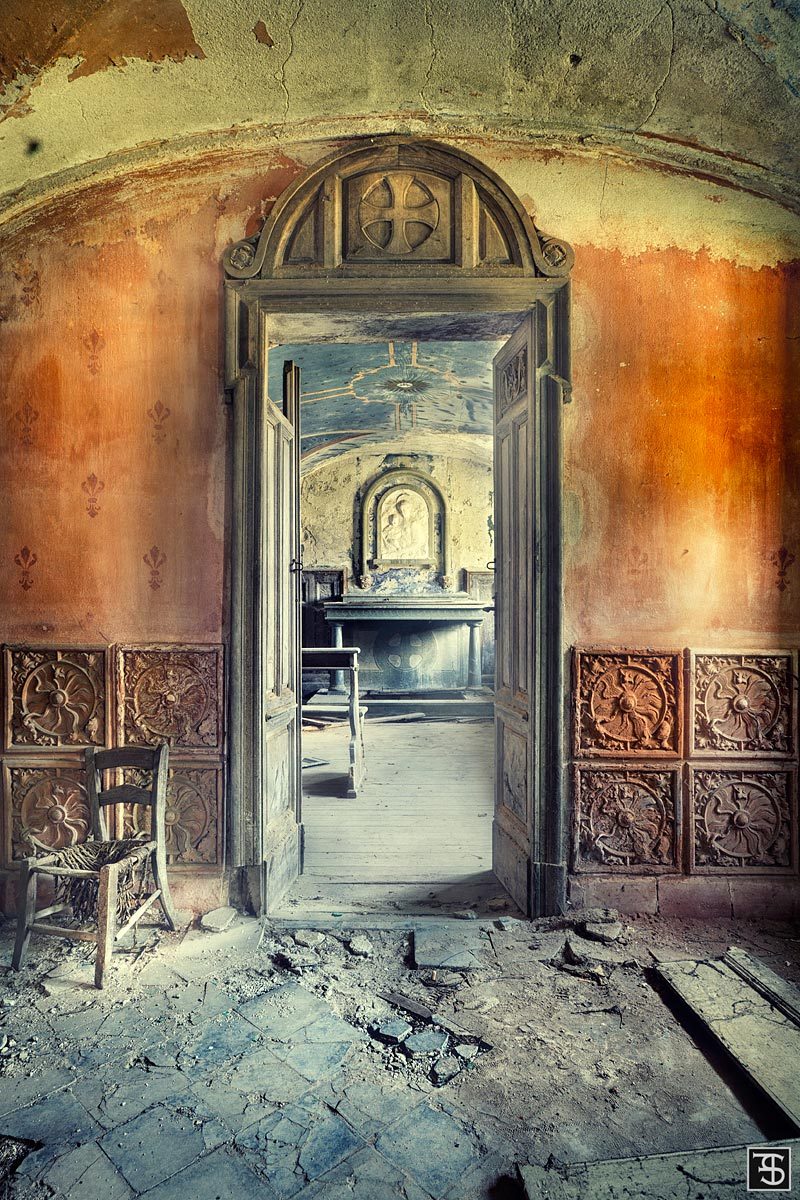
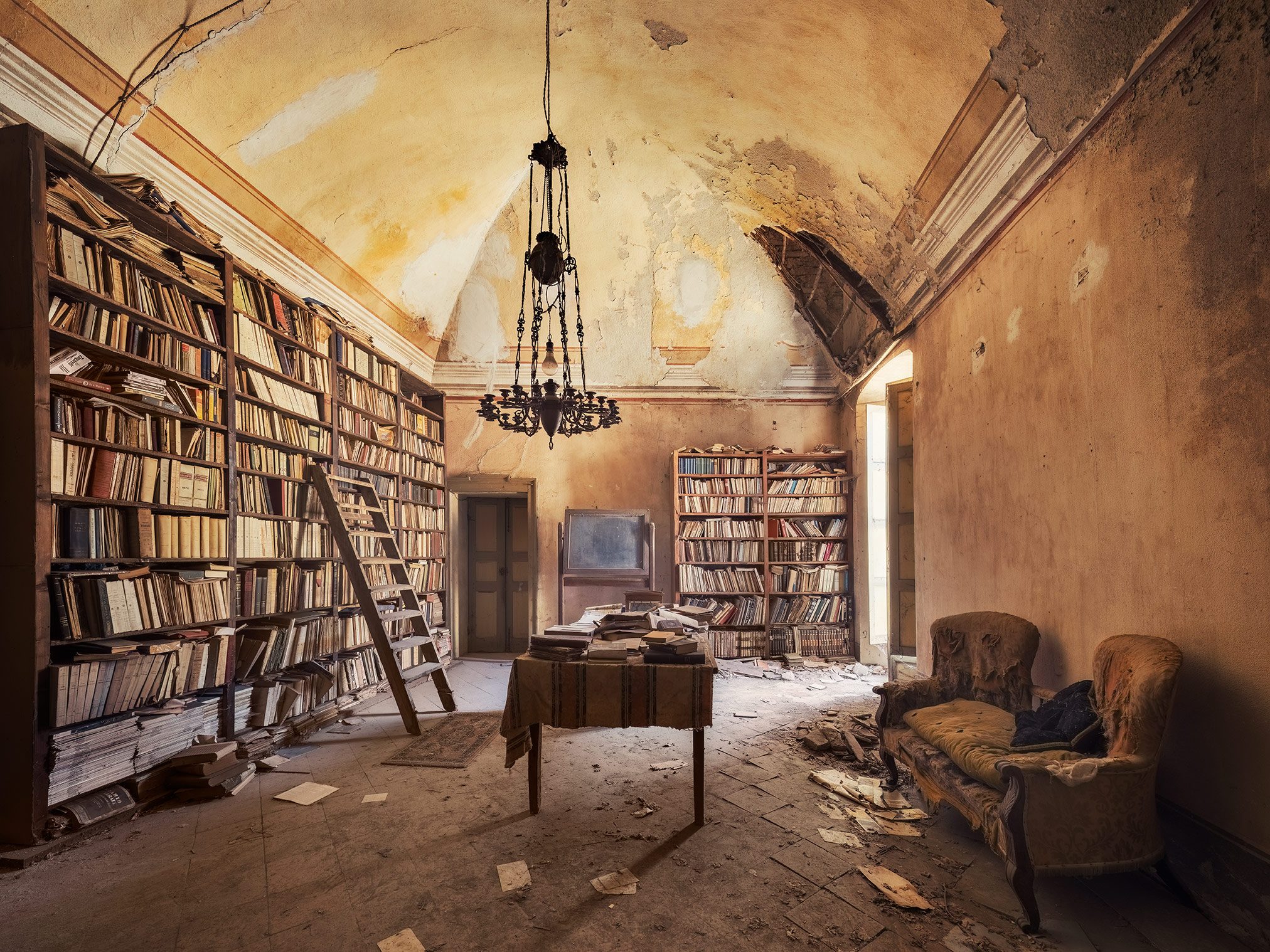
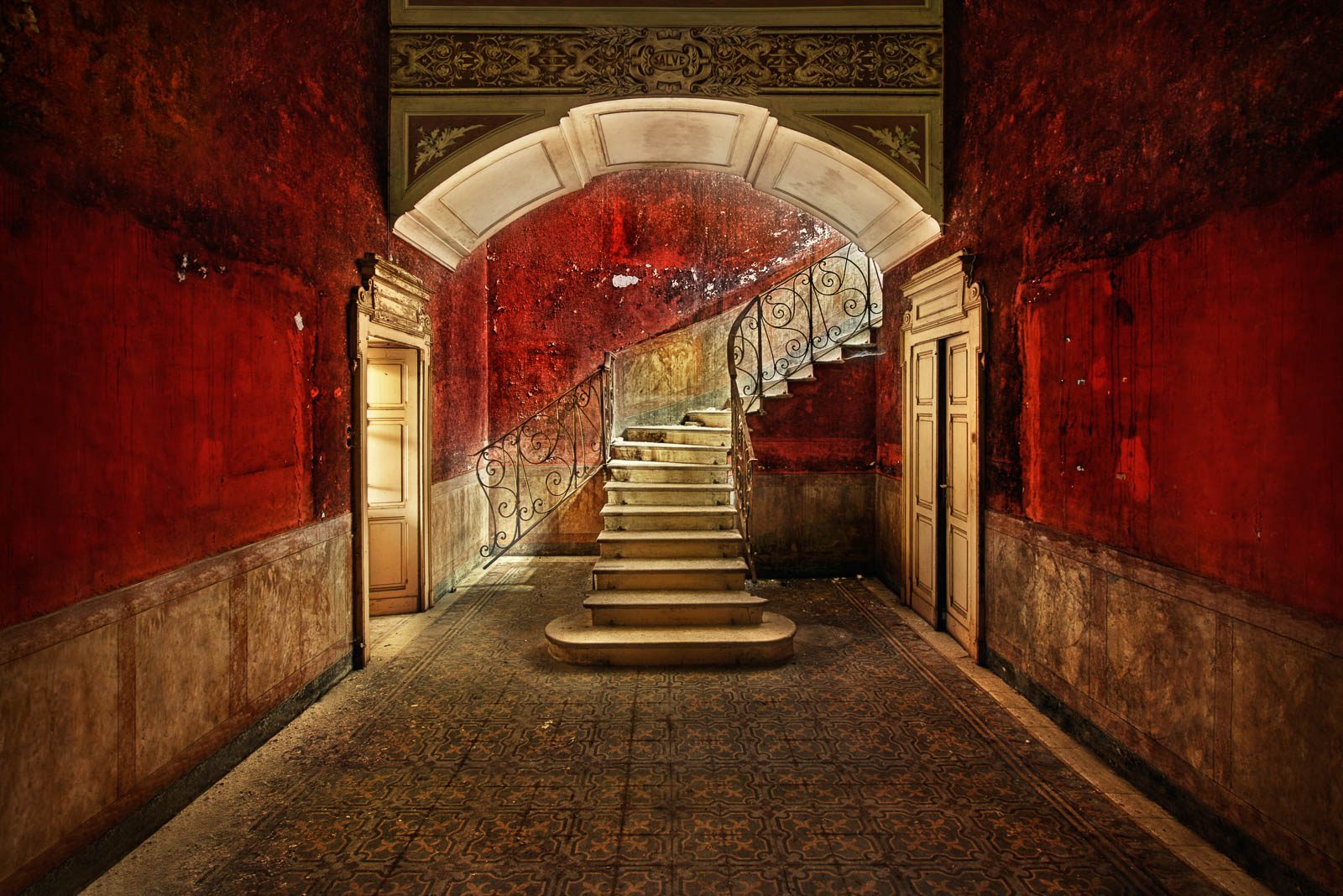
Three motifs from NOSTALGIA that are also part of my portfolio.
Sources and further background
This story draws on the following sources.
- Bildband „Nostalgia“ von Fennema: Italiens schönste Ruinen. Der Spiegel, 15.12.2015 , accessed 10. November 2026
Fine art prints on the theme
Related stories
All stories →
Share