


Stories · Photo books · Italy
MELANCHOLIA: My journey into the south of Italy
Three years after NOSTALGIA I did not want to make a sequel but to show the Italy I did not yet know. For the first time I travelled to the south of the mainland: bad roads, magnificent landscapes, forgotten villages and encounters that have stayed with me.
At a glance
- Location
- Italy
MELANCHOLIA was published on 25 October 2018 by Frederking & Thaler: 320 pages, more than 230 previously unpublished works, again with texts by Petra Reski. I worked on the book for almost three years. It is my second volume on Italy and the first that also leads into the south of the mainland. Like NOSTALGIA it is a large book: 29.5 by 38 centimetres, almost A3, bound in linen, with gold embossing and weighing more than four kilos.
Why another book about Italy?
Since NOSTALGIA I have directed most of my research and travel towards Italy. My passion for the country has not diminished in those years; it has grown. I experienced the people and the country more intensely than before and made new friends.
I did not want a mere sequel. So I researched mainly in regions that barely appeared in the first volume, and for the first time I travelled south, to Apulia, Calabria, Campania and Basilicata.
What was different in the south?
Almost everything. Motifs that exist in similar form in the north have a different character and effect there. What drove me to despair were the roads: poorly built and rugged, with many detours, and often failure at the end all the same. The satnav sent me down tracks only a tractor could have managed, and one footpath ended at a torrent that was supposed to be passable.
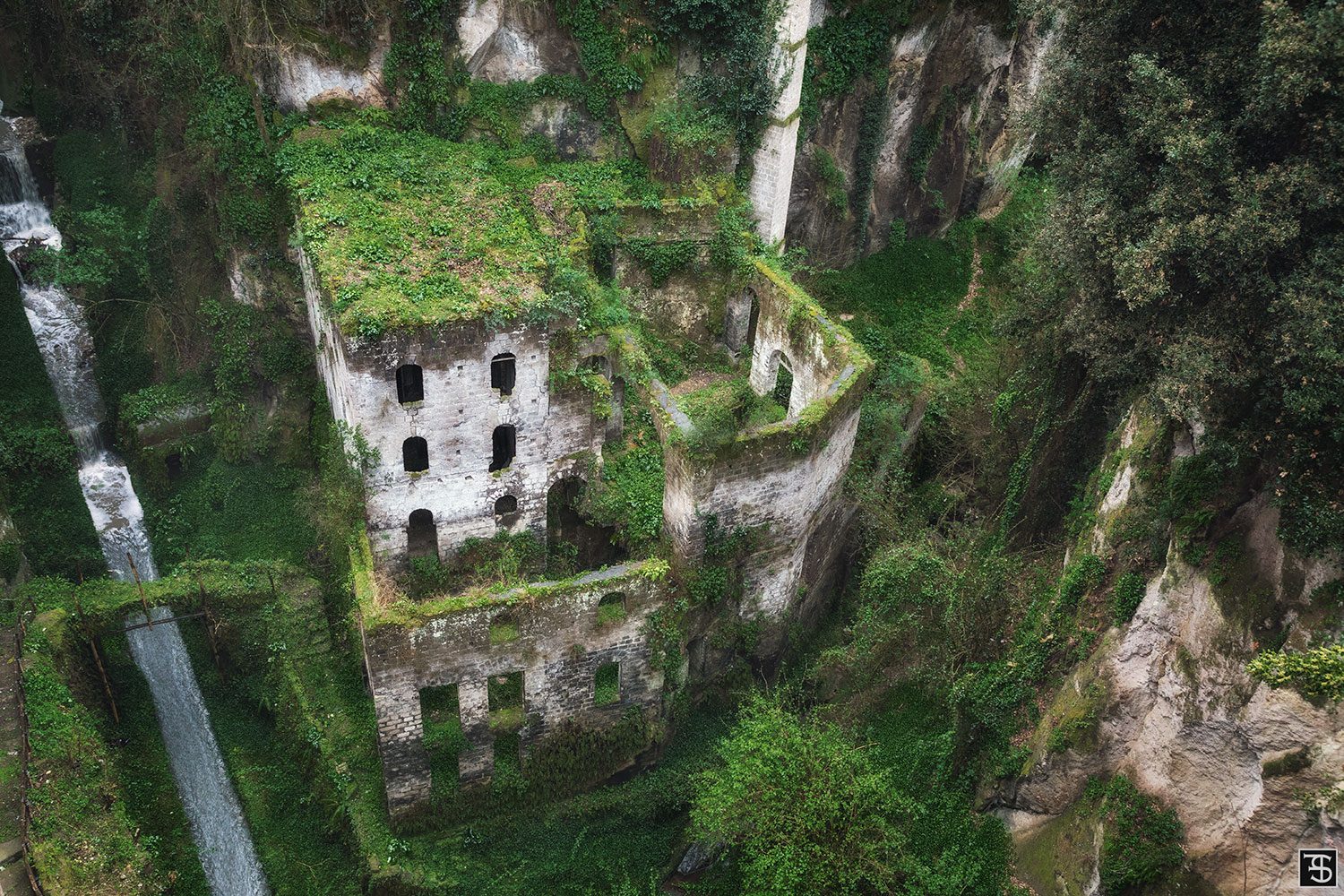
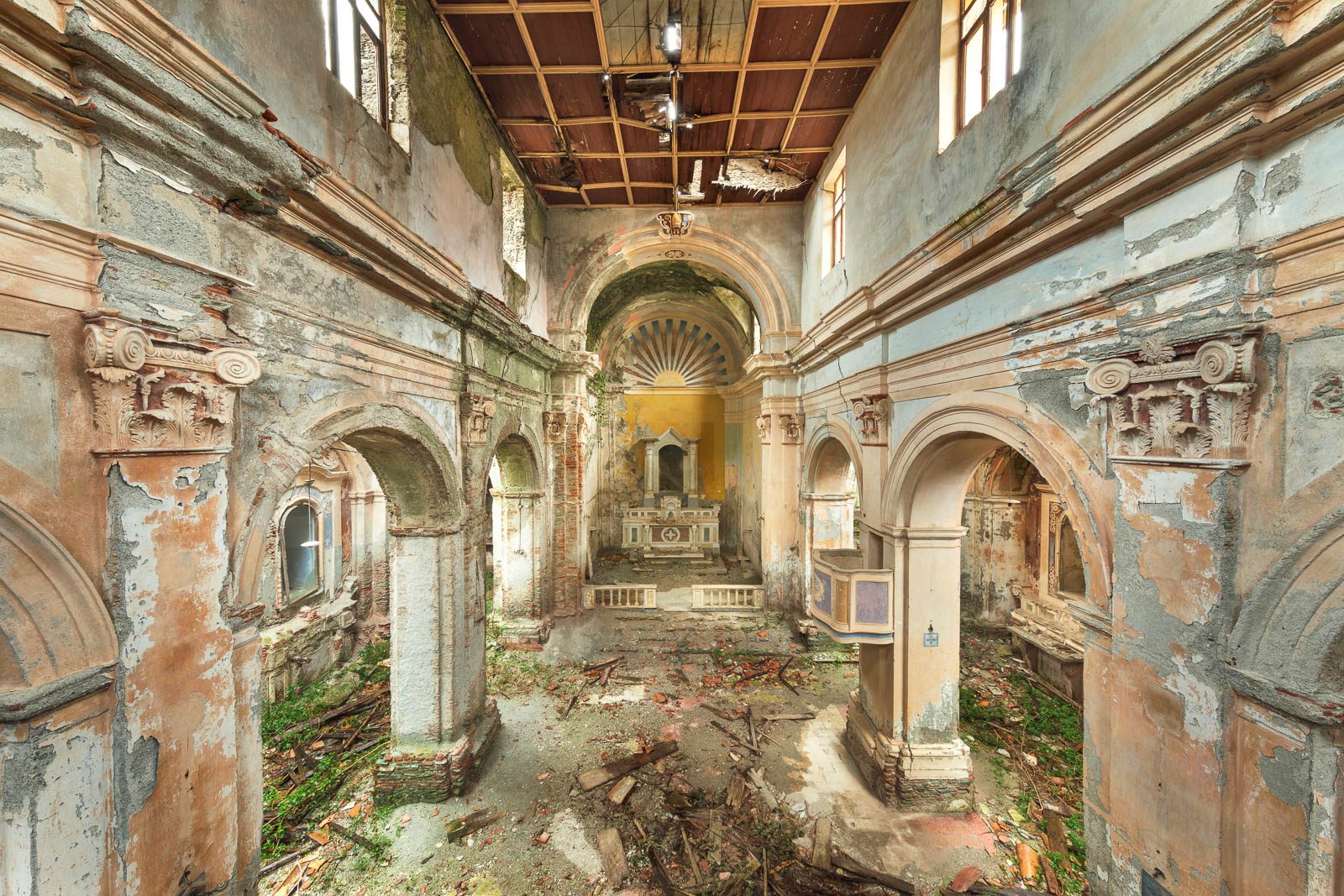
I was rewarded with landscapes I had not expected: the rocks of Basilicata, the hills and mountains of Campania and Calabria. It felt to me as though I found more rescued villas and palazzi in the south than in the north, and at the same time an astonishing number of forgotten villages, districts and churches.
I had prejudices about the south, partly because I had been told many negative things in the north. Most of them dissolved quickly. Hospitality and way of life felt hardly different from the provinces I already knew.
Which encounters have stayed?
In old convents, in asylums and even in factories I found signs of people living there. Cells had become bedrooms, control rooms living rooms. Sometimes I was impressed by how organised and cheerful it all seemed. At the same time I shuddered at the conditions: damp mattresses, no heating, with luck a fireplace in the corridor.
I gave the fates that follow earthquakes and landslides a chapter of their own. An earthquake also brought me my closest friendship in Italy. In 2012 the quake near Bologna destroyed large parts of the Castello di Galeazza, where Clark Lawrence lived with his association Reading Retreats in Rural Italy. Afterwards he came across my pictures online. A joint exhibition turned into a friendship, and today hardly a journey passes without my spending time with him.
The cult of the dead in the south made a lasting impression on me. I had not realised how many mummies and bones lie beneath Italian churches. That I would proceed carefully and with reverence seemed simply to be taken for granted by those in charge.
Why do the places stay unnamed?
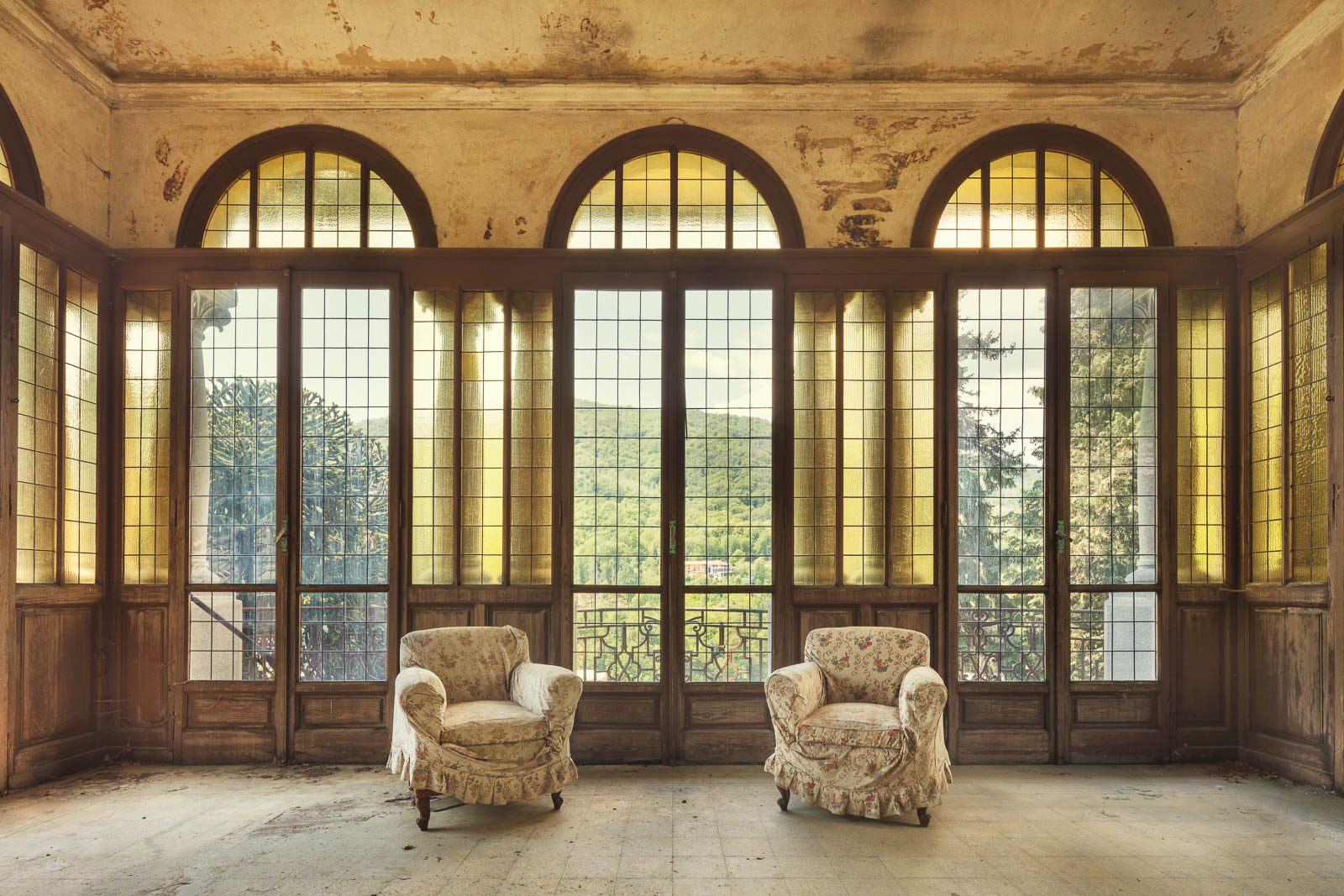
Sadly, not all visitors show the same respect. I had to see places I had visited later exposed to heavy vandalism. Ancient frescoes were smeared with graffiti; entire parquet floors were stolen. As with NOSTALGIA, I therefore do not name the places, with few exceptions.
Today MELANCHOLIA is sold out in the shops; I still have a few remaining copies myself. For me the book closes only one chapter of a journey that is far from over. Every tour brings new destinations and even more remote regions.
More about the book on the book's page.
The pictures
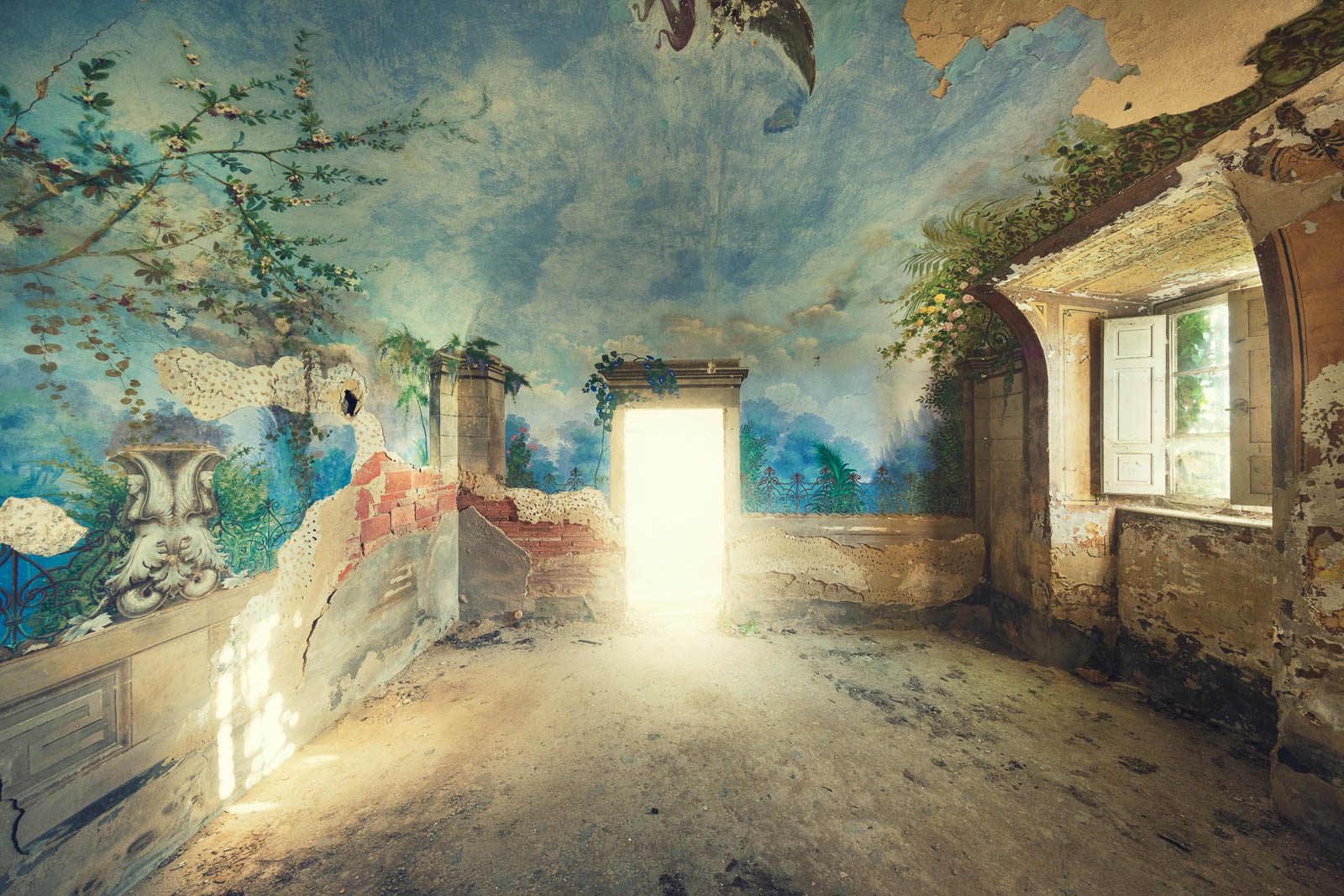
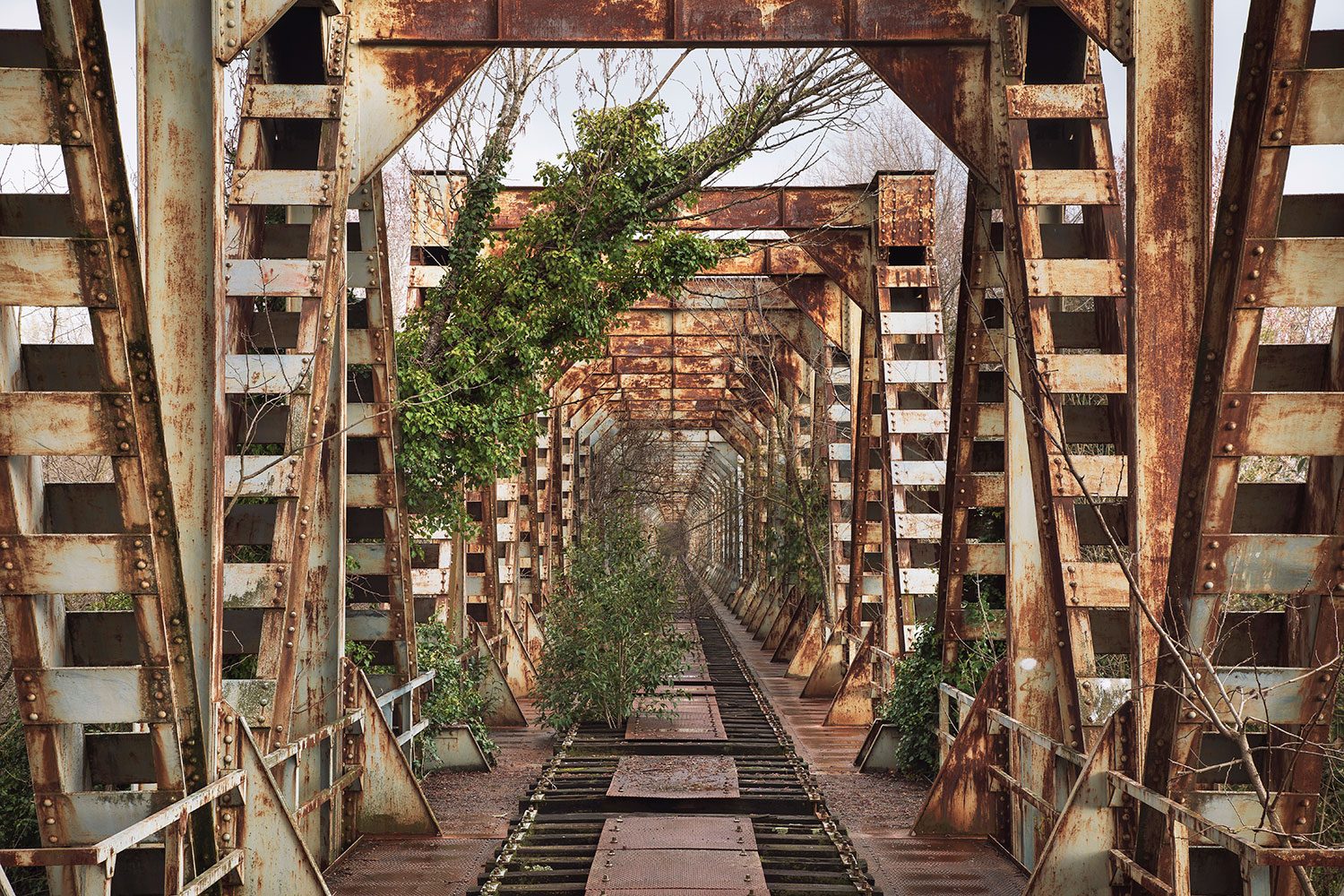
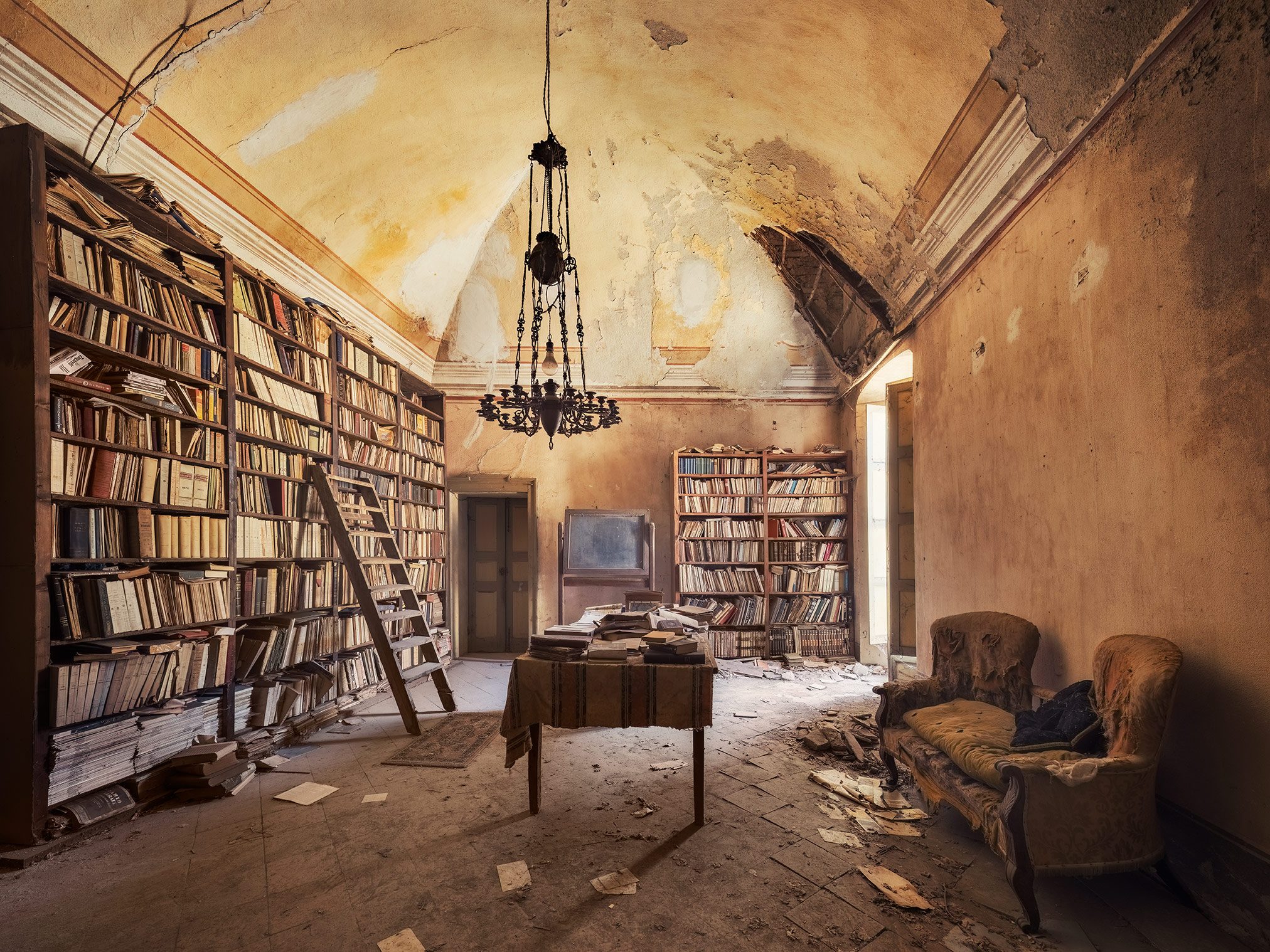
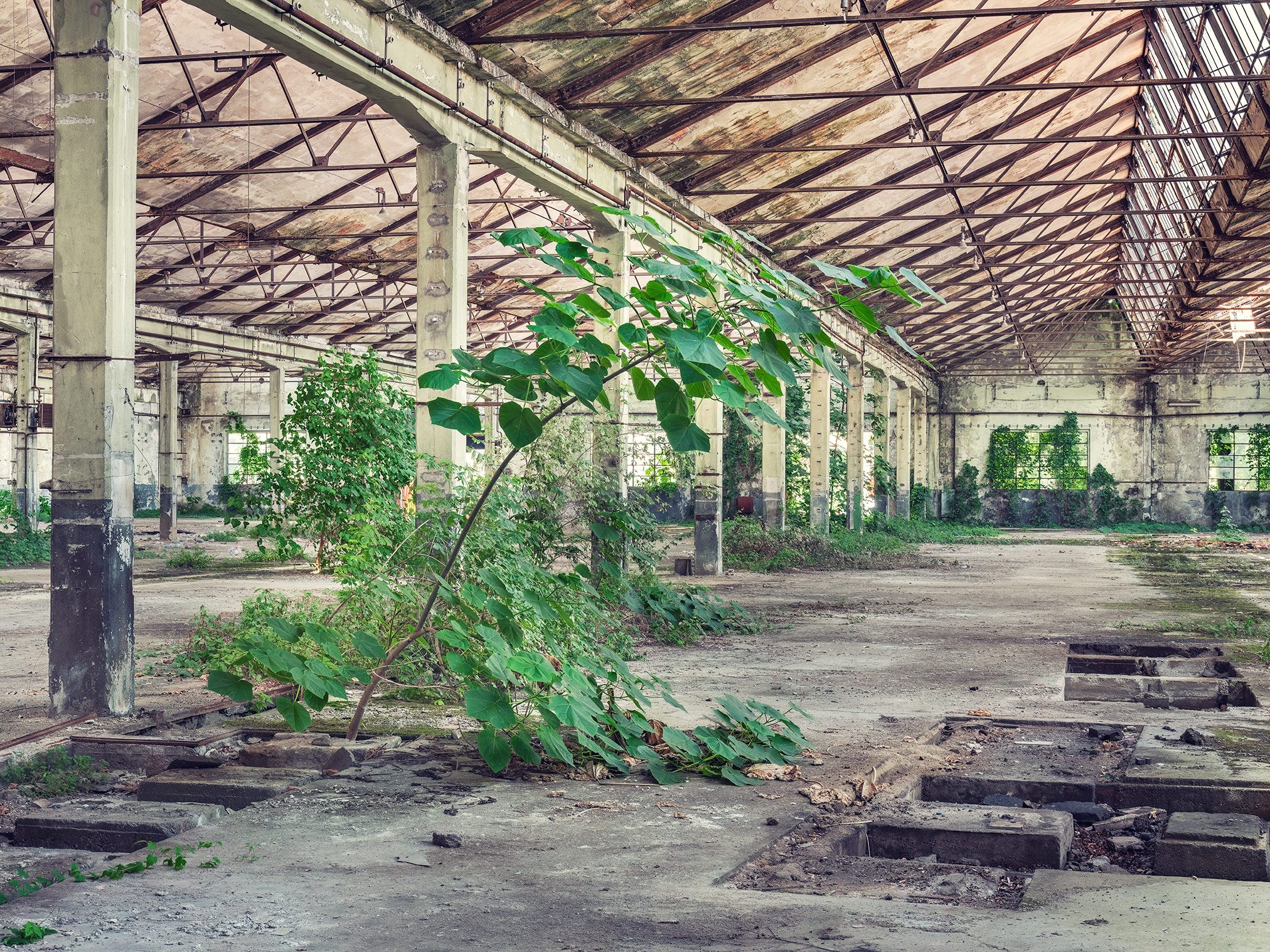
Five motifs from MELANCHOLIA and its exhibition that are also part of my portfolio.
Fine art prints on the theme
Related stories
All stories →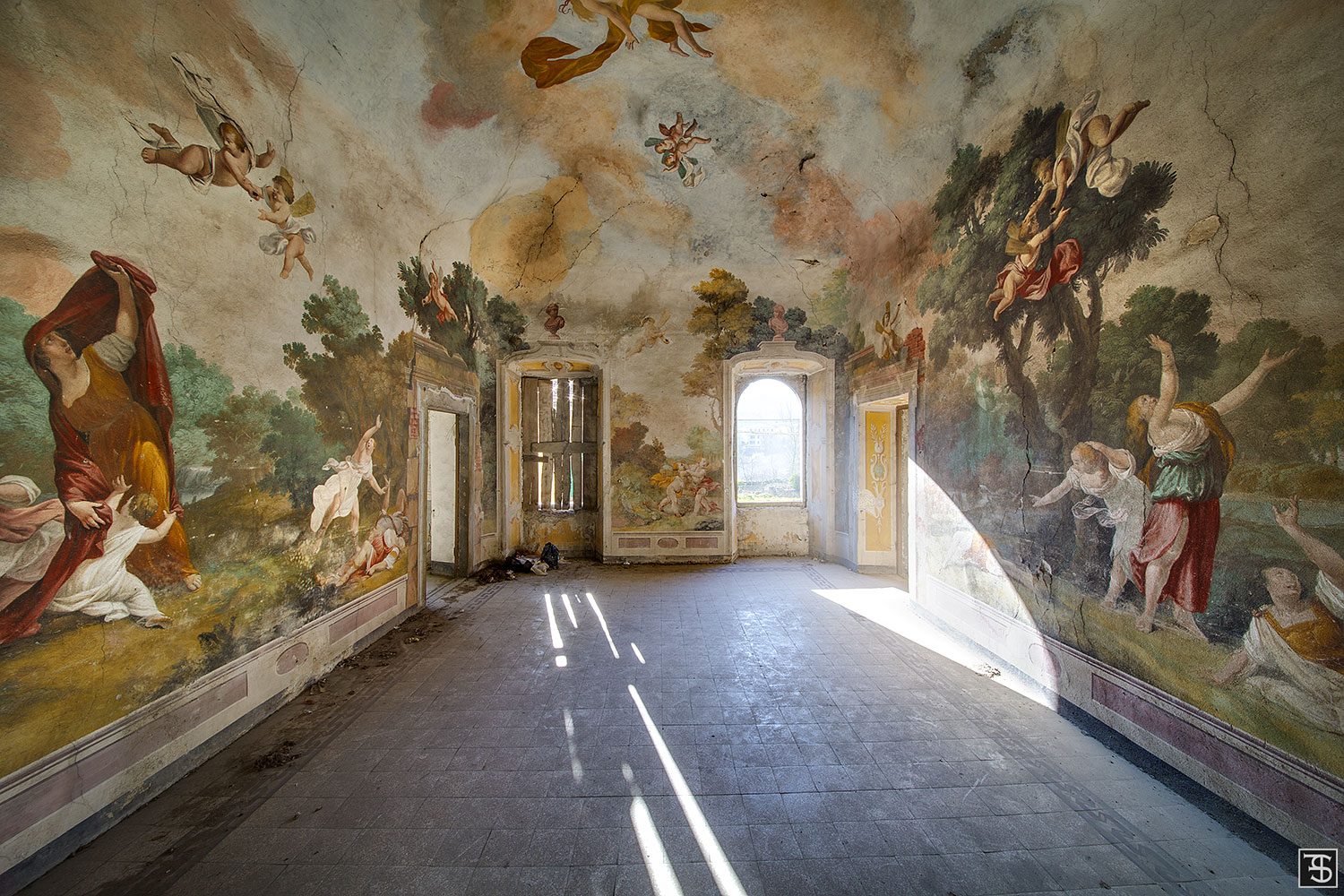
Share