


Stories · Places · Italy, Emilia-Romagna
Rocchetta Mattei: The castle with a drawbridge to the bedroom
A count invents a medicine, becomes world-famous for it and builds himself a castle of Moorish arches, towers and tiles in the Apennines. His bedroom was reached by a drawbridge. In 2013 I was able to photograph there while it was being restored.
A drawbridge led to his bedroom. Count Cesare Mattei, inventor of a healing method that made him known around the world in the nineteenth century, built himself a castle in the Apennines south of Bologna in which Moorish arches, medieval towers and Art Nouveau stand side by side. I photographed the Rocchetta Mattei in 2013, in the middle of its restoration, two years before it reopened to visitors.
At a glance
Rocchetta Mattei
- Location
- Savignano, municipality of Grizzana Morandi, Metropolitan City of Bologna
- Built
- Foundation stone 5 November 1850, inhabited from 1859, completed 1904
- Architect / client
- Built for Count Cesare Mattei (1809–1896)
- Usage
- The count's residence, later a visitor attraction with a hotel in an outbuilding
- Abandoned since
- Closed in 1989
- Condition
- Restored, reopened on 9 August 2015, visits by appointment
- Visited
- 2013
- Series
- BOUNDLESS
A count and his medicine
Cesare Mattei was born in Bologna in 1809. In 1837 he was among the founders of the city's savings bank; in 1847 Pope Pius IX made him a count, following a gift of land near Comacchio. He became famous for something else: he developed a healing doctrine of his own and called it electrohomeopathy.
From 1859 he had his remedies produced and sold abroad, against the resistance of the medical profession. One depot in Bologna and 26 branches had grown to 107 worldwide by 1884. The doctrine was especially popular in Britain. Even Dostoevsky mentions him: in The Brothers Karamazov the devil relates that in his despair he wrote to Count Mattei, who sent him a book and some drops.
Mattei held no degree. Medicine never recognised his doctrine, and in 1887 he stood trial in Vergato for selling his preparations.
What did he build there?
On 5 November 1850 Mattei laid the foundation stone, on the ruins of a medieval fortress that had been destroyed in 1293. The castle stands 407 metres above sea level on the road from Bologna to Porretta, in the municipality of Grizzana Morandi. In 1859 he moved in and stayed.
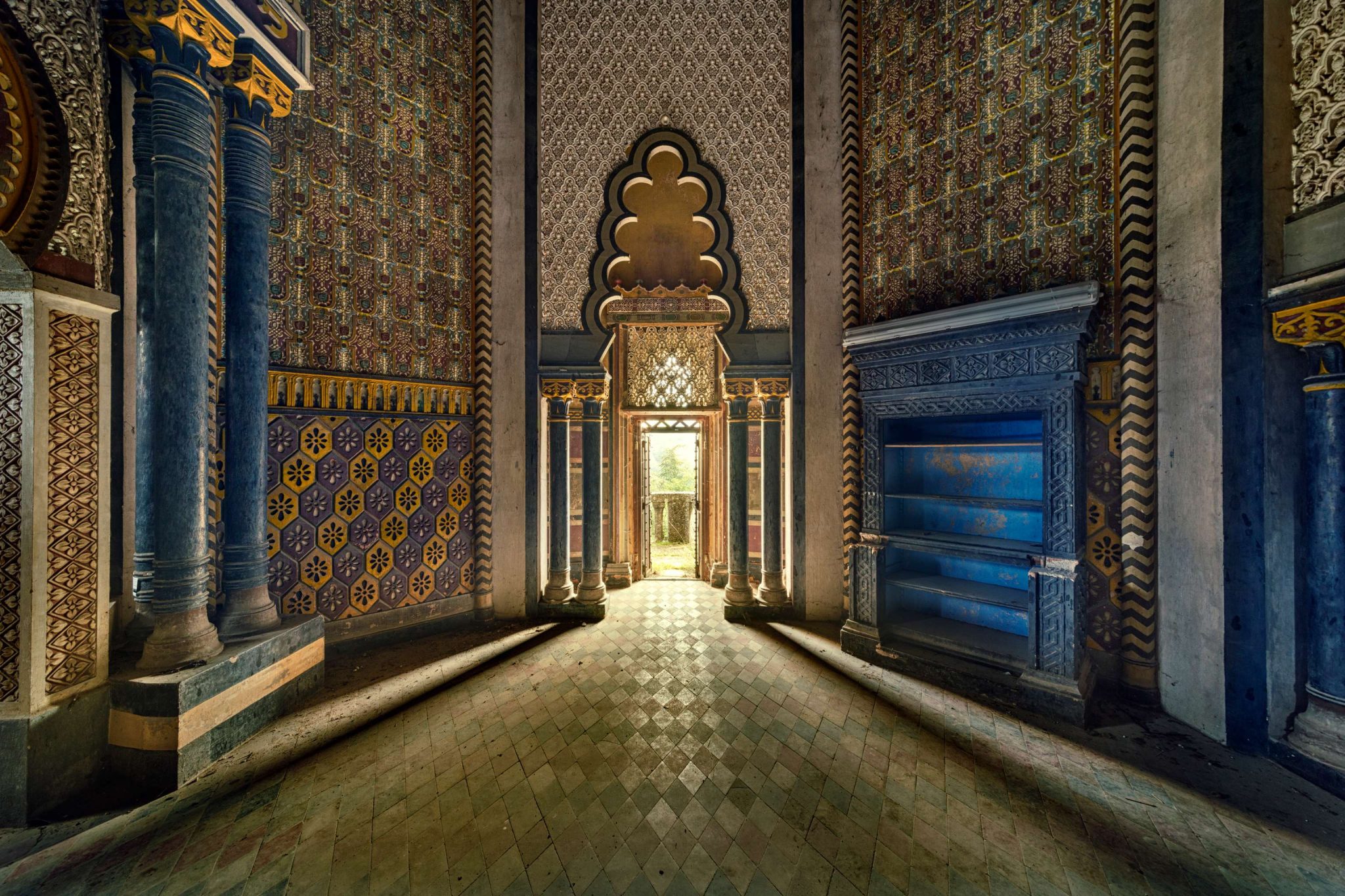
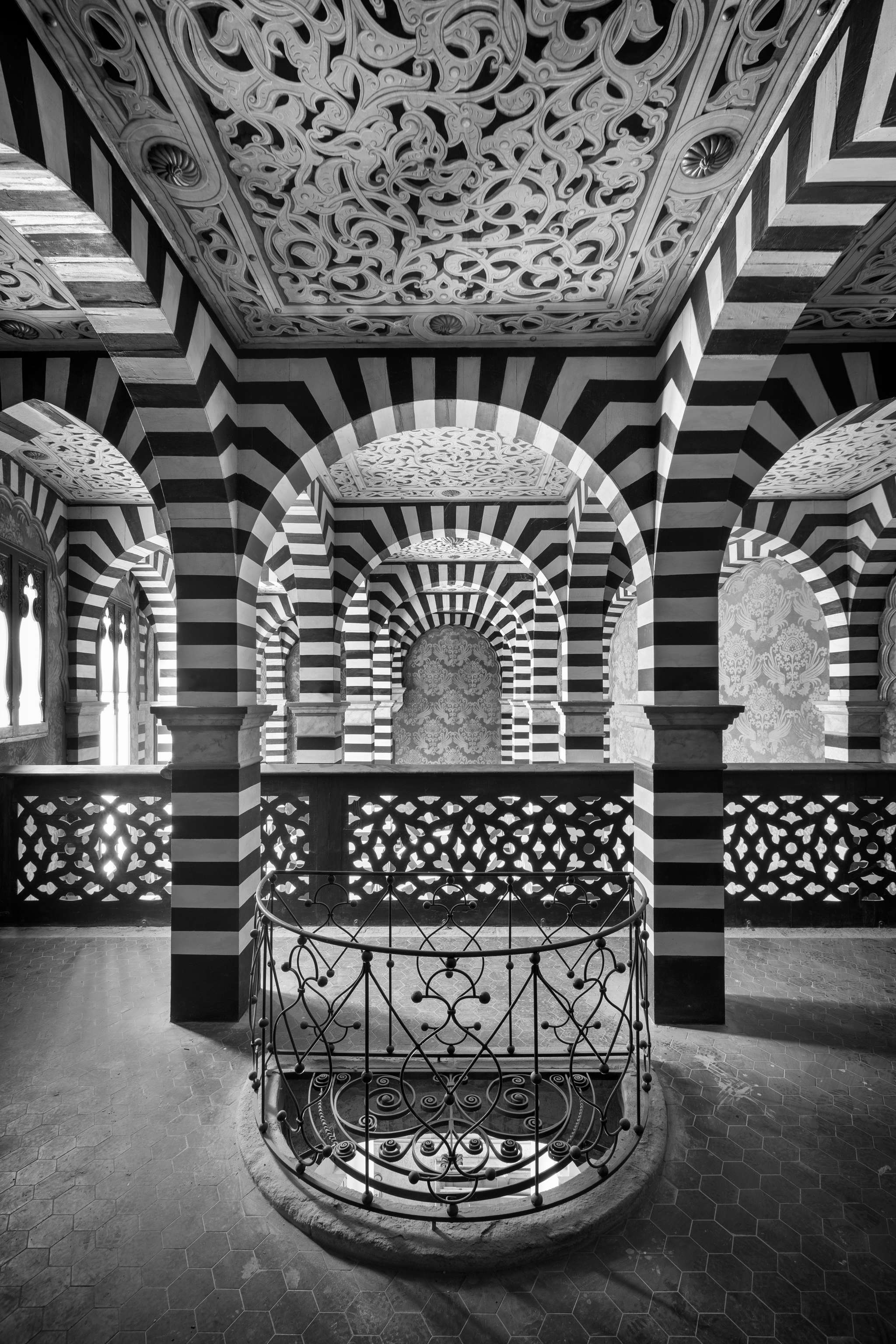
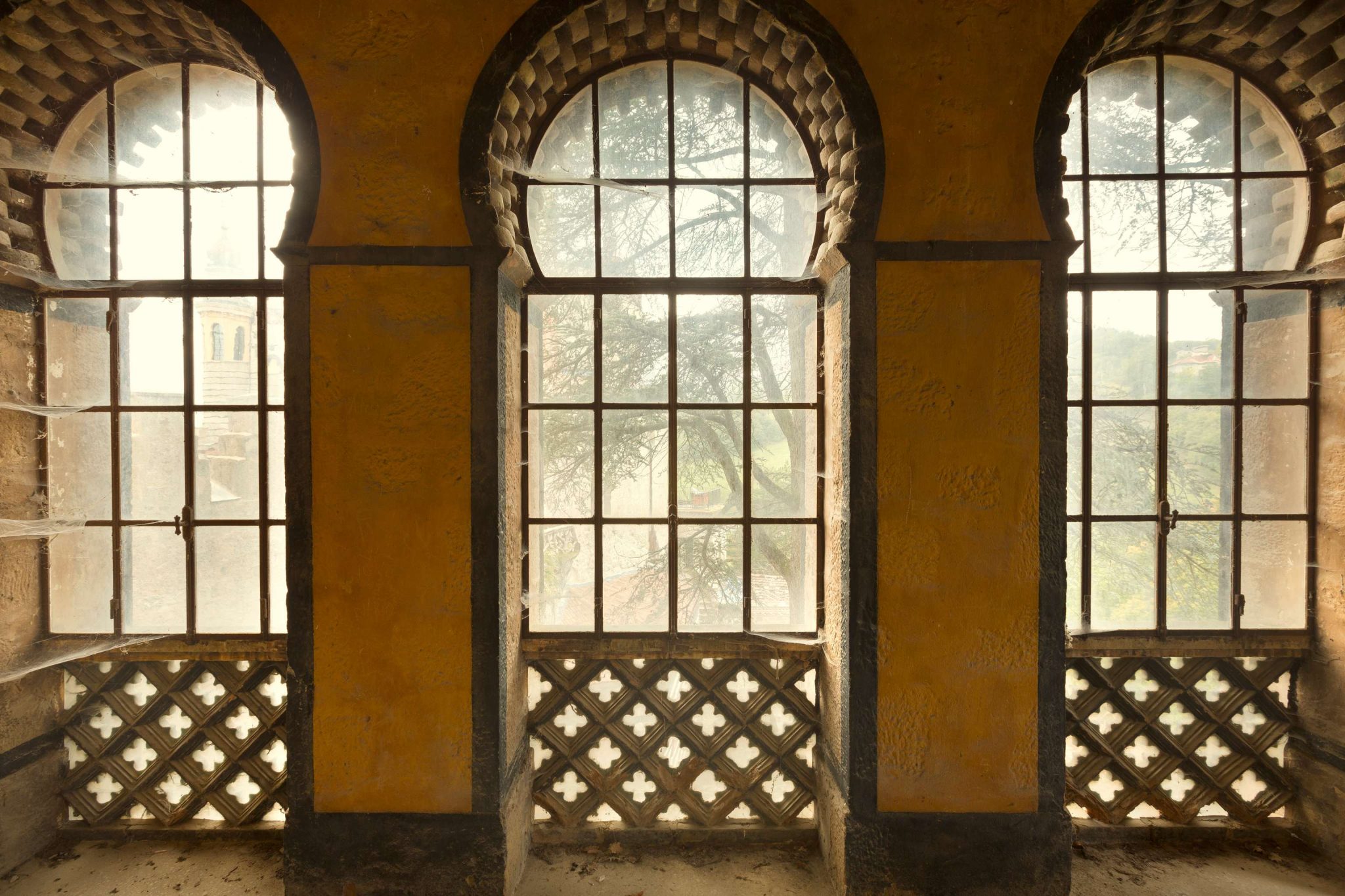
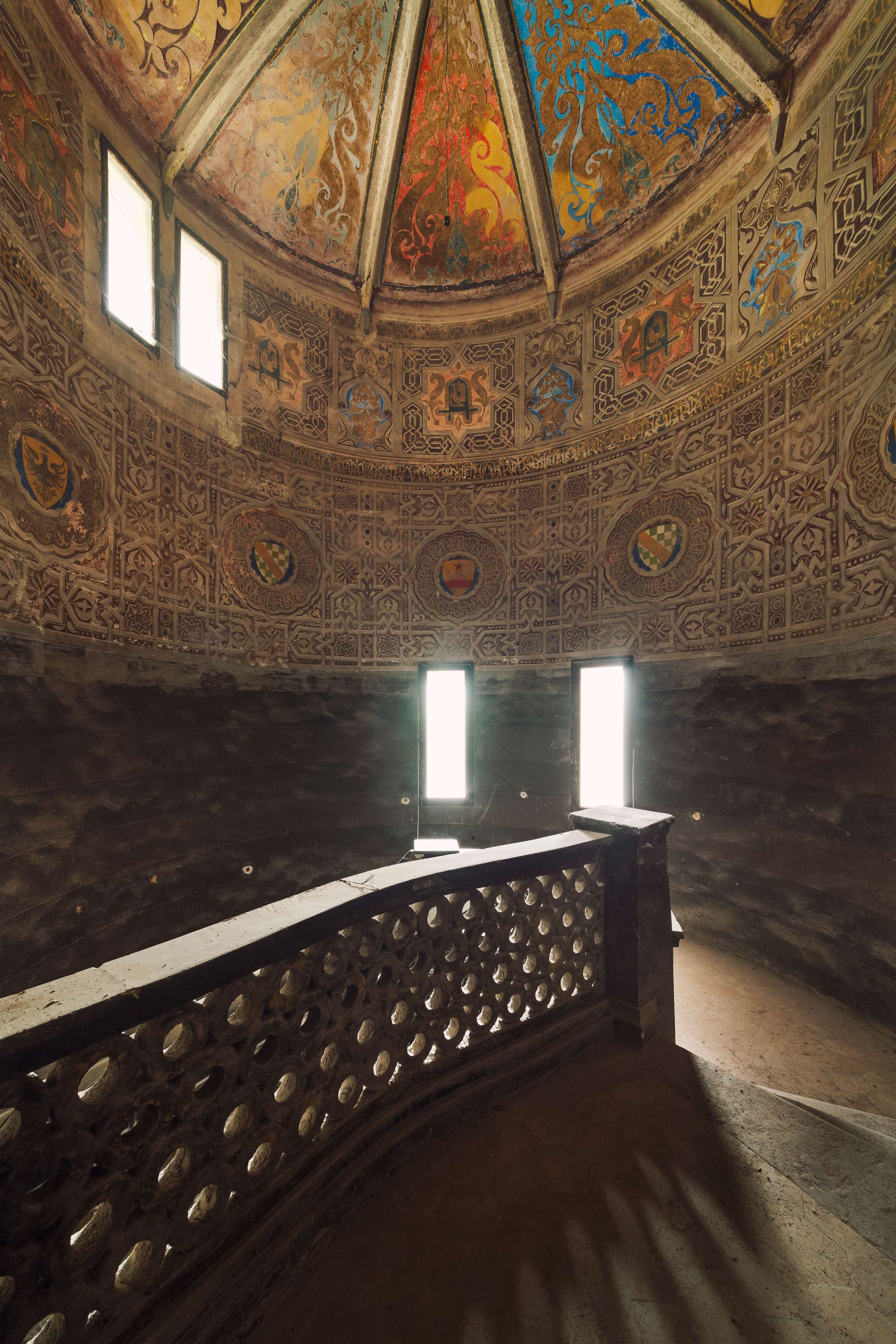
There is no single style. The Moorish predominates, joined by forms of the Italian Middle Ages and later of Art Nouveau. The Courtyard of the Lions is modelled on that of the Alhambra in Granada, the chapel on the cathedral of Córdoba. Mattei held court in his castle, jester included.

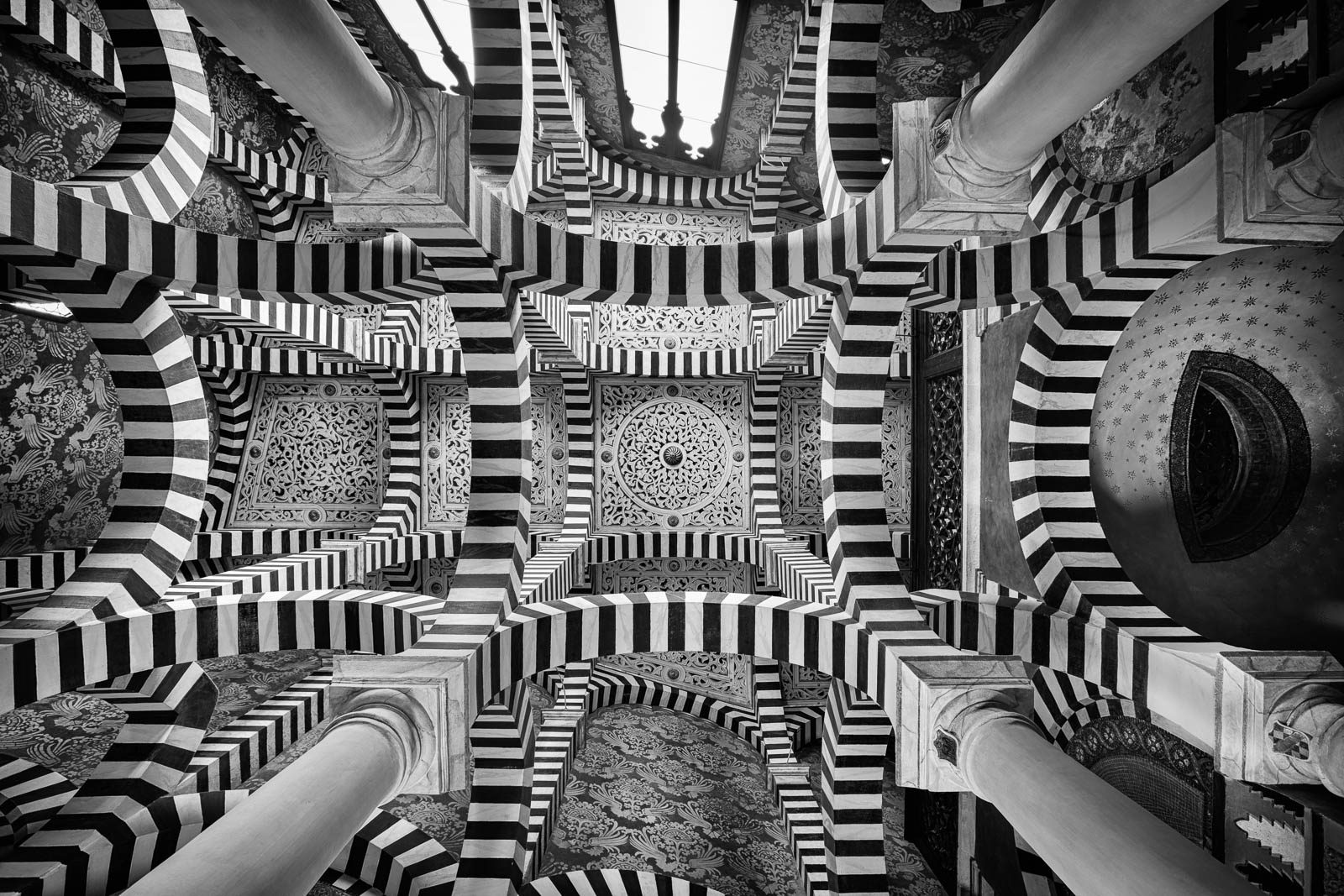
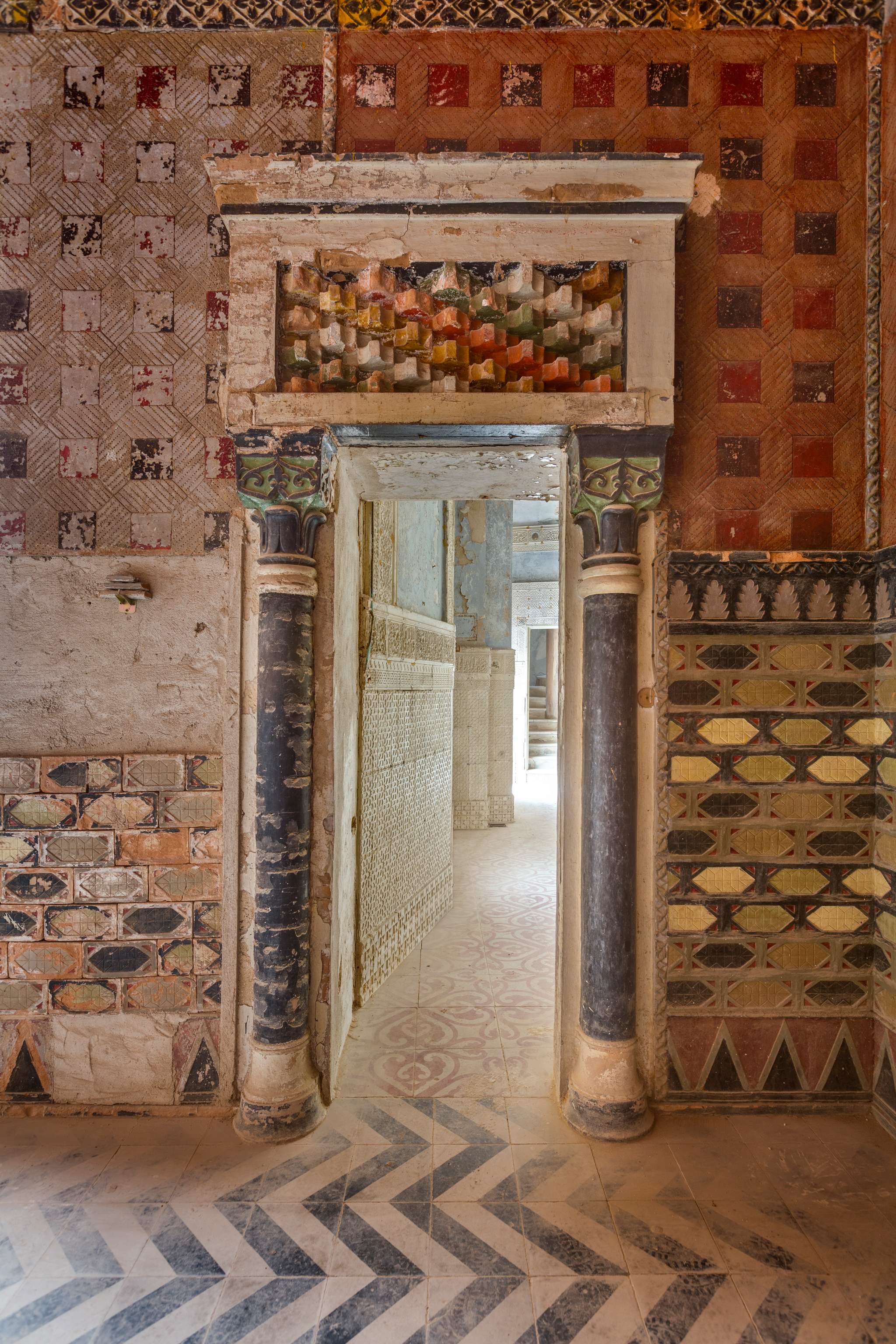
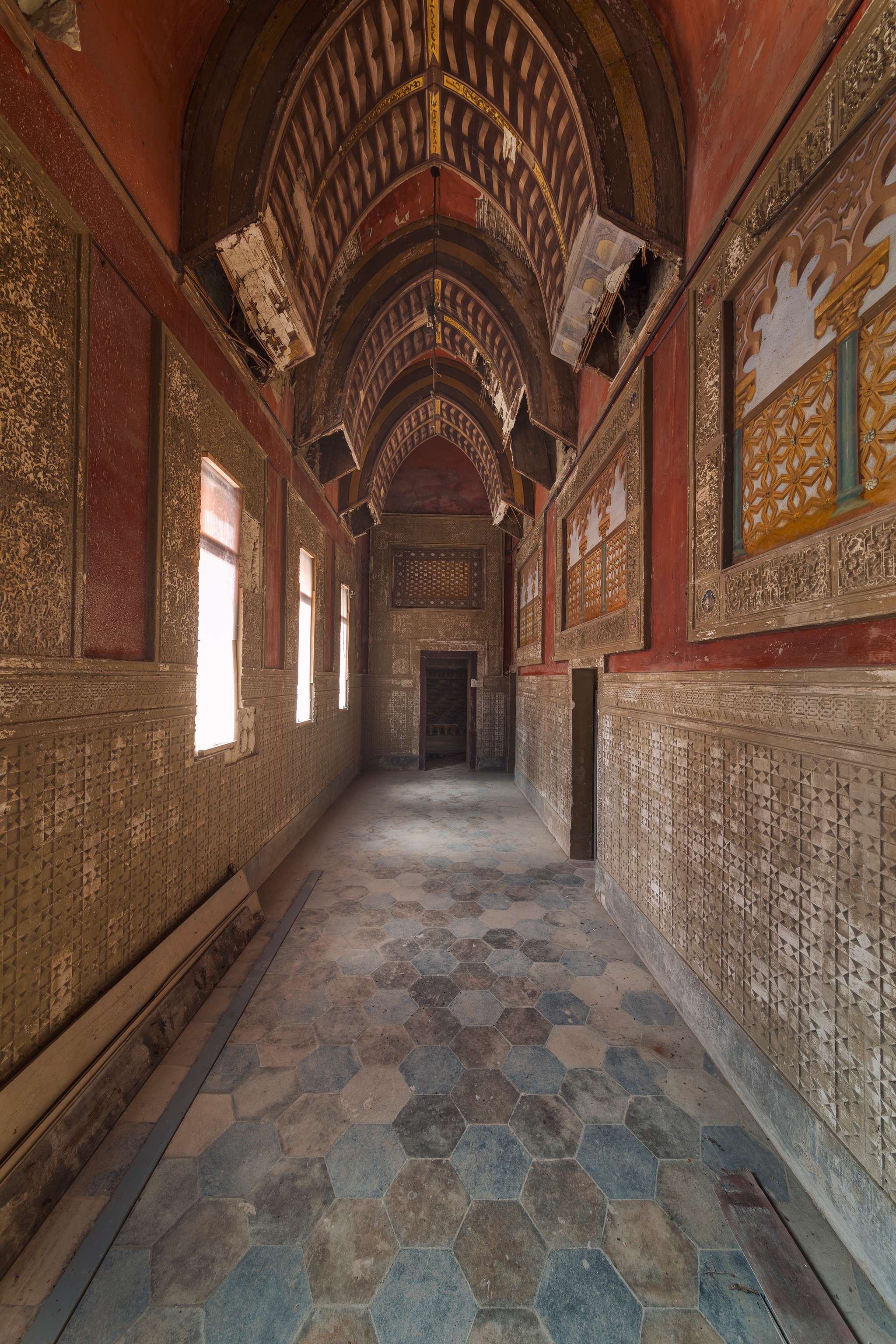
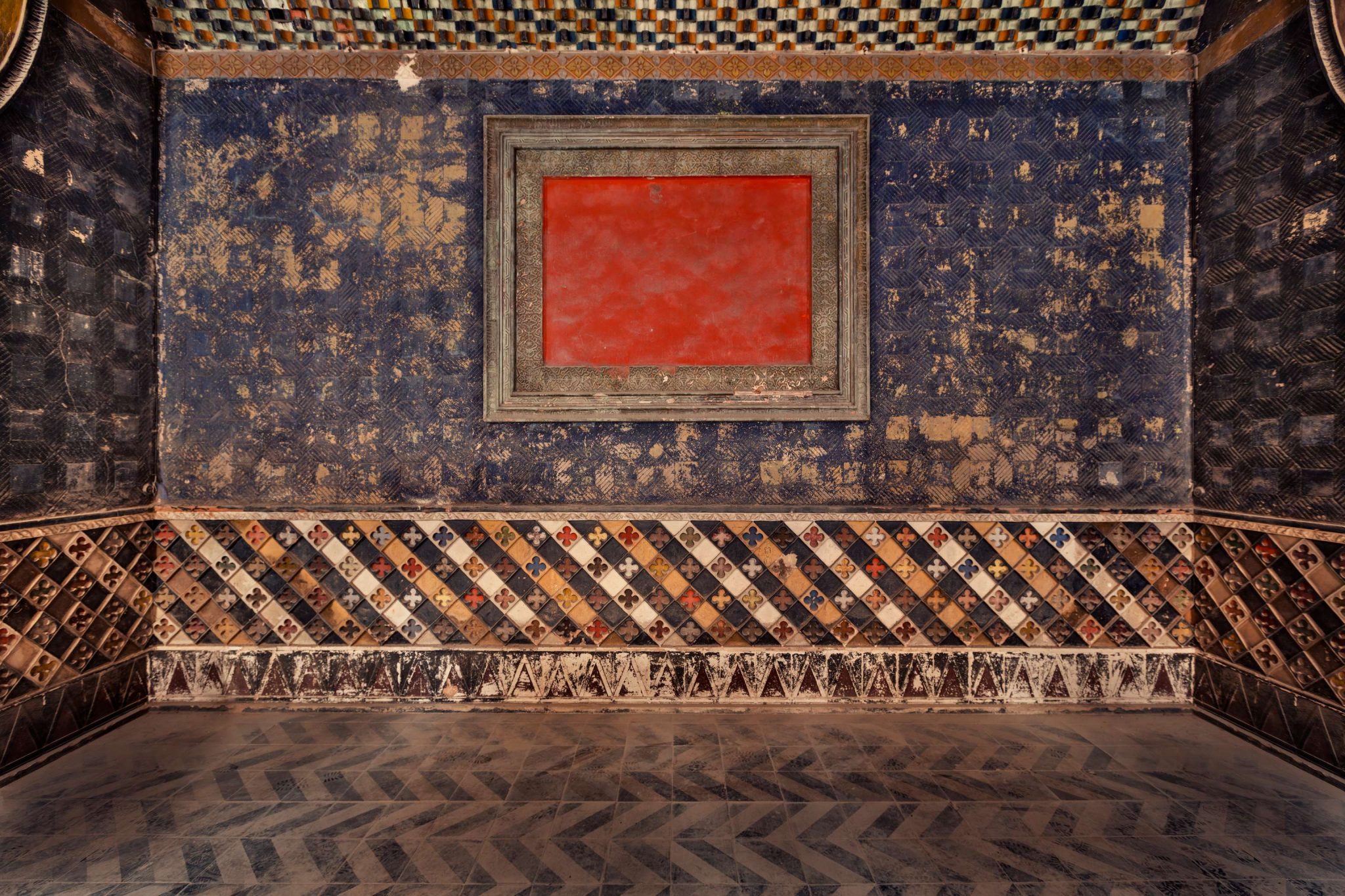
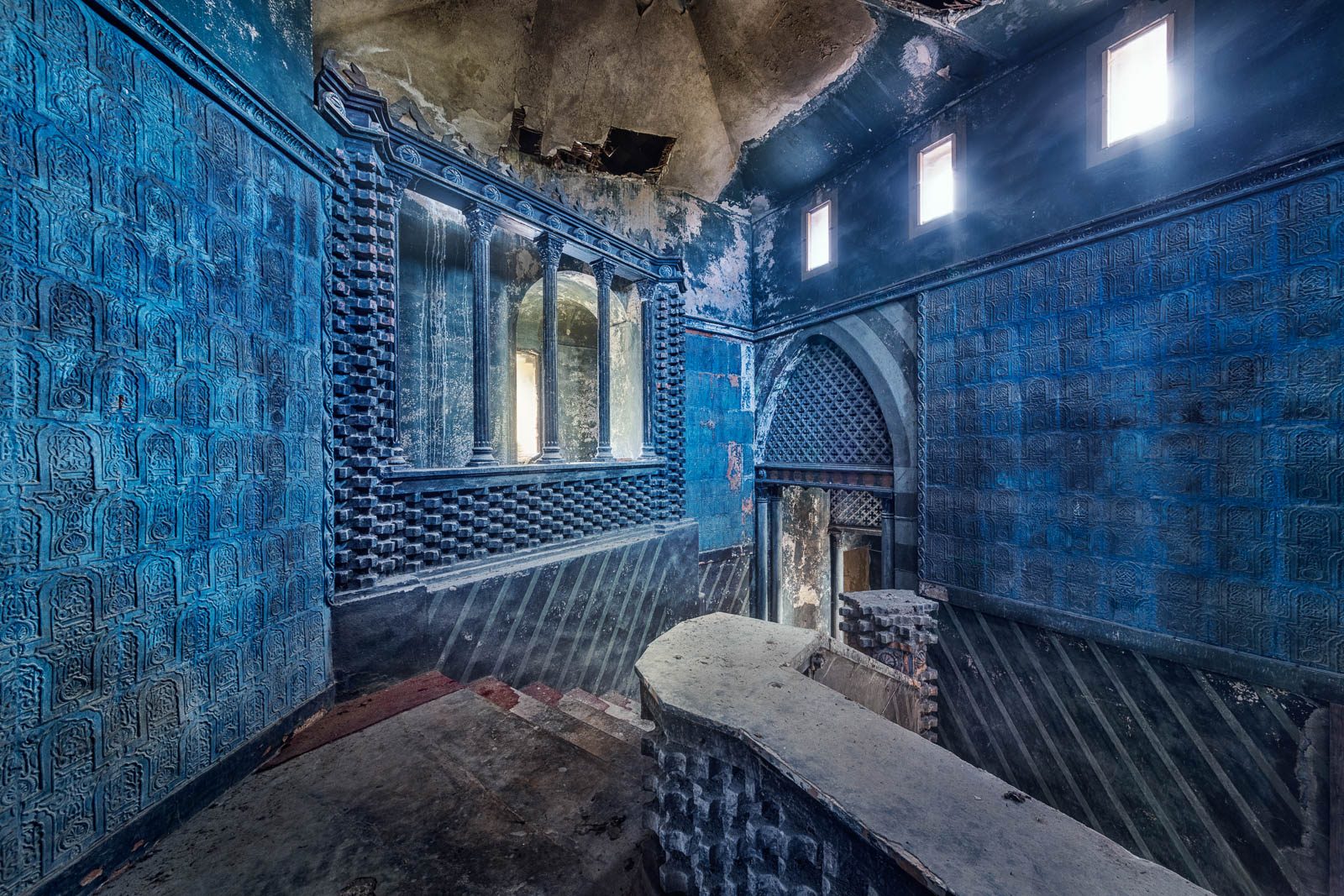
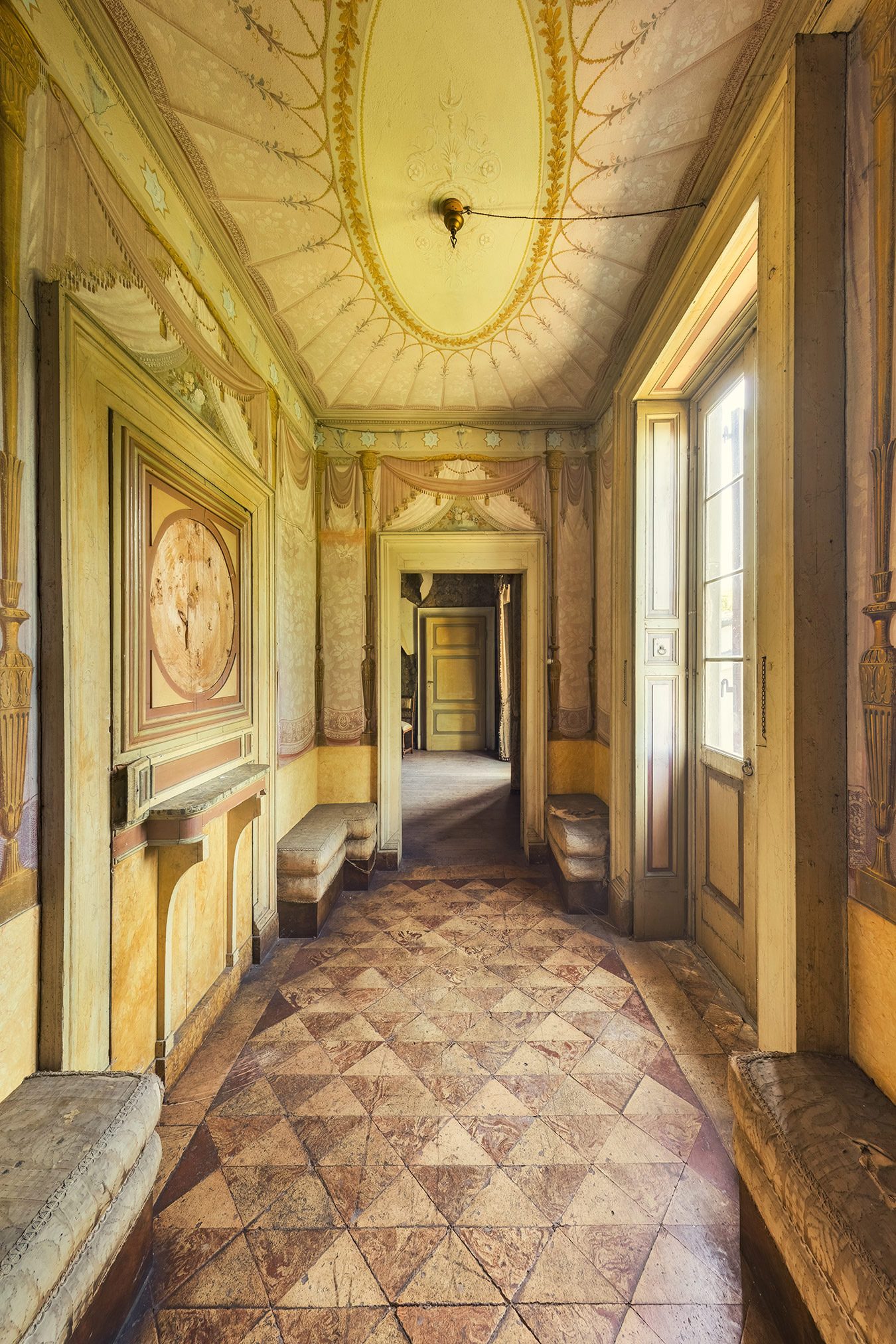
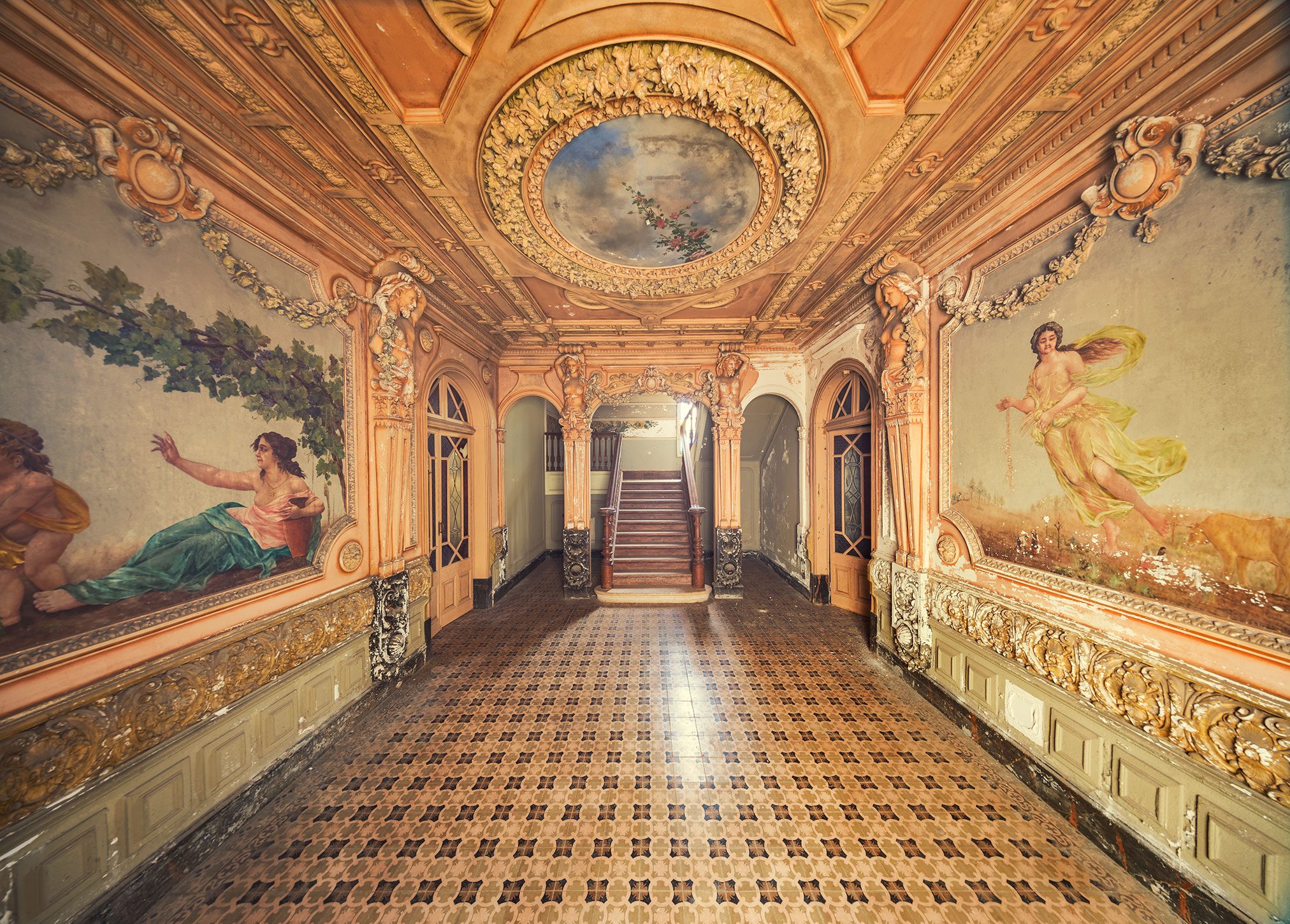
Walking through the rooms, you pass from one colour into the next: walls in deep blue, tiles in blue and gold, a corridor in red, the chapel in black and white. Almost every surface carries a pattern.
The drawbridge
The staircase in the tower leads across a drawbridge to a small room with small windows and a ceiling of stalactites. This was the count's bedroom, a dreary room in a house full of splendour.
He is said to have raised the bridge behind him. I have not found that in the descriptions of the castle, but it fits what has been handed down about his last years. The constant disputes with doctors had made him distrustful. In 1895 he suspected his daughter-in-law of trying to poison him with a cup of coffee, and threw her and his adopted son Mario Venturoli out of the house.
The Hall of the Ninety fits too. Mattei wanted to hold a banquet there for ninety-year-olds once he had reached that age himself. He died on 3 April 1896, aged 87. He is buried in the chapel, in a sarcophagus clad in majolica that bears no name.
Decay and rescue
Mario Venturoli completed the building in 1904. During the Second World War German troops damaged the interiors. In 1959 the merchant Primo Stefanelli bought the castle and set up a hotel in one of the outbuildings. After his death in 1989 the Rocchetta was closed. The last heir offered it to the city of Bologna as a gift; the city declined.
In 1997 a committee was formed to protect the castle. In 2005 it was bought by the foundation of Bologna's savings bank, the very bank Mattei had helped to found. After years of securing and restoration the Rocchetta reopened on 9 August 2015. Today it is run by the municipality of Grizzana Morandi and can be visited by appointment.
2013, in the middle of the restoration
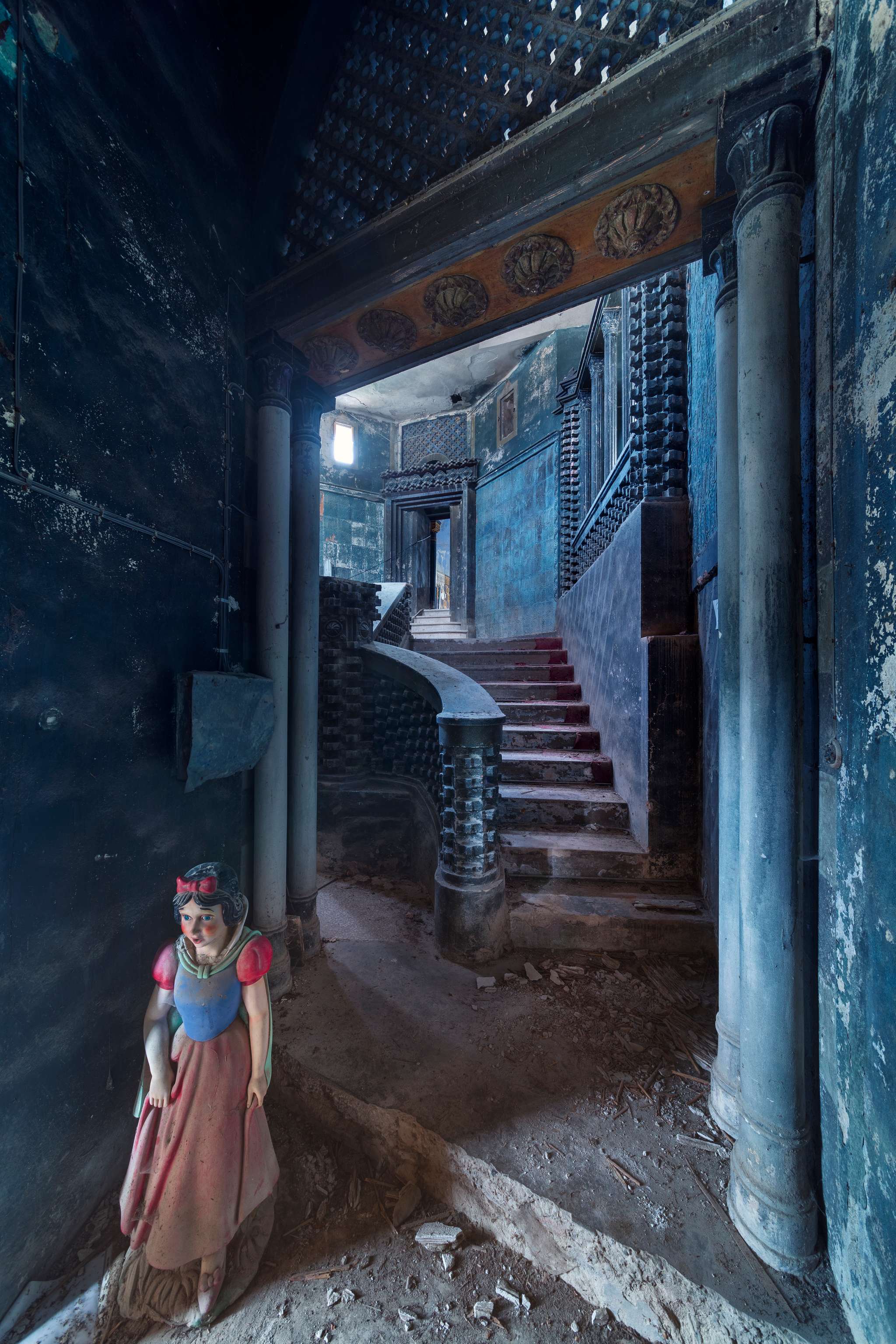
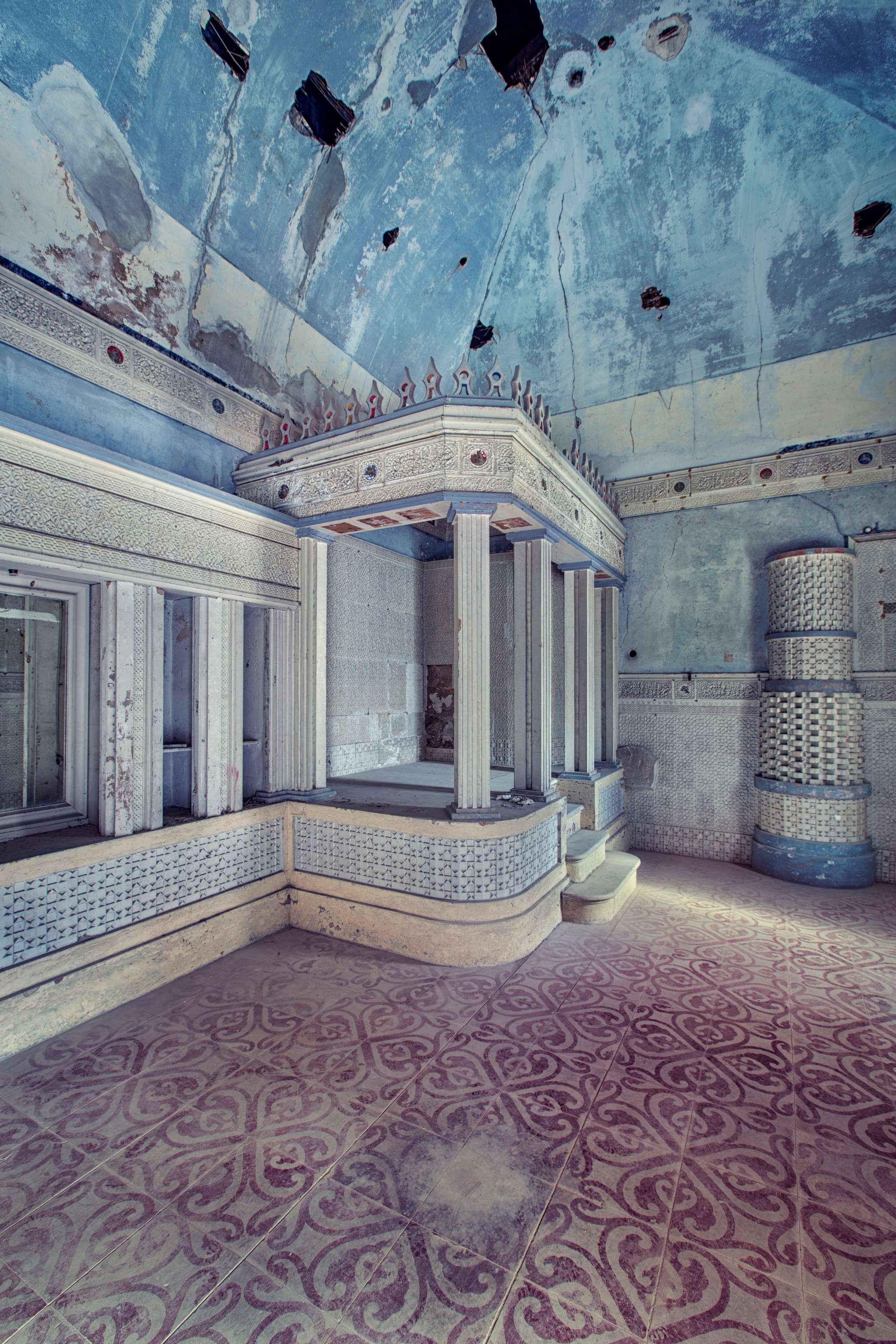
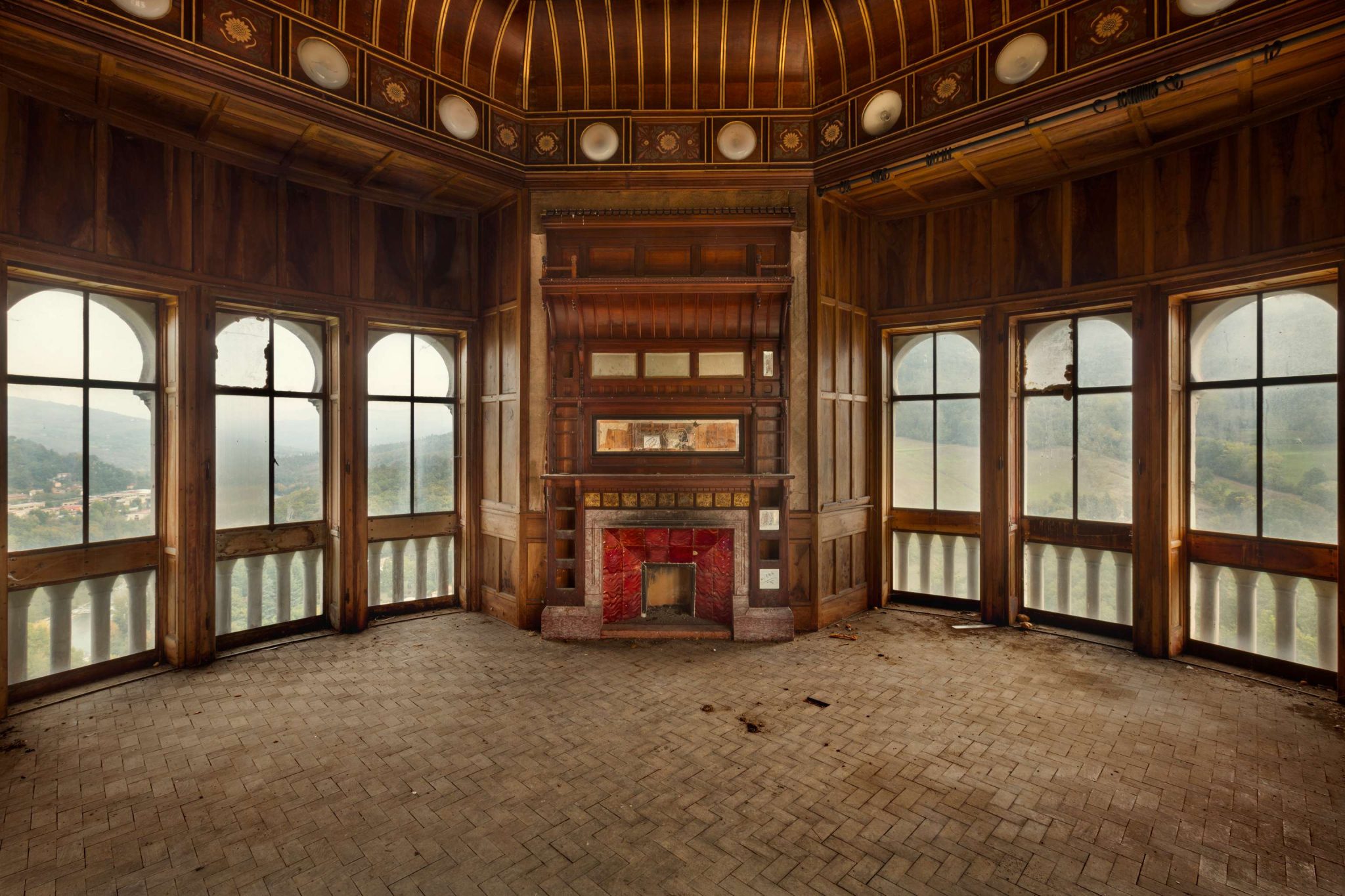
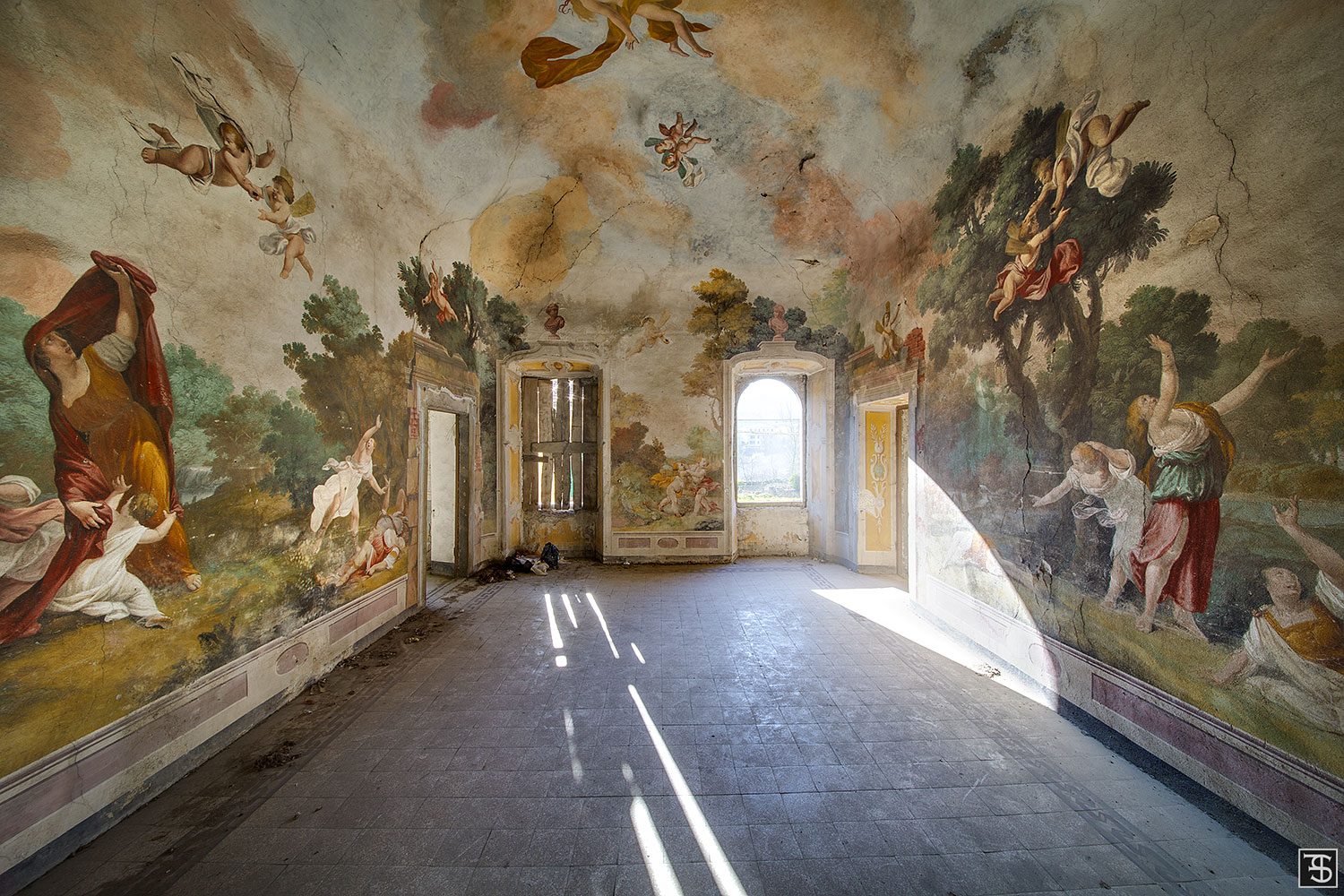
My photographs were taken in 2013, while the work was under way. The architect officially invited me to photograph at the time, and I was able to move freely through the castle. It was a unique opportunity, because the Rocchetta can no longer be seen as it appears in these pictures: with holes in the ceilings, rubble on the floors and rooms still waiting for their restorers.
Pictures from the Rocchetta are also in my book NOSTALGIA. When the book came out in 2015, the castle had just reopened. To me the Rocchetta is an example of a rescue that can succeed: where there is respect for the architecture, the grandeur of such a place survives as well.
The pictures
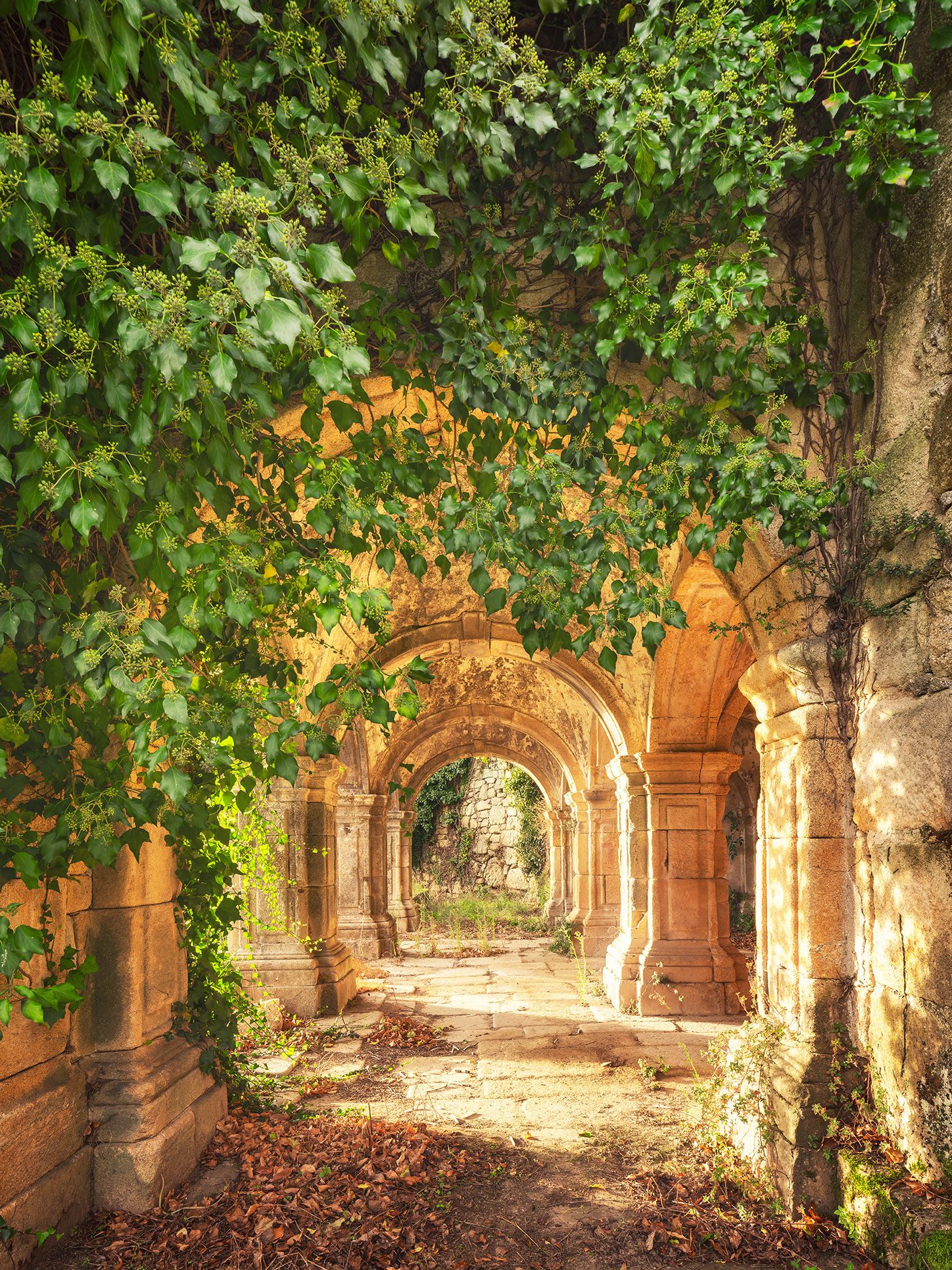
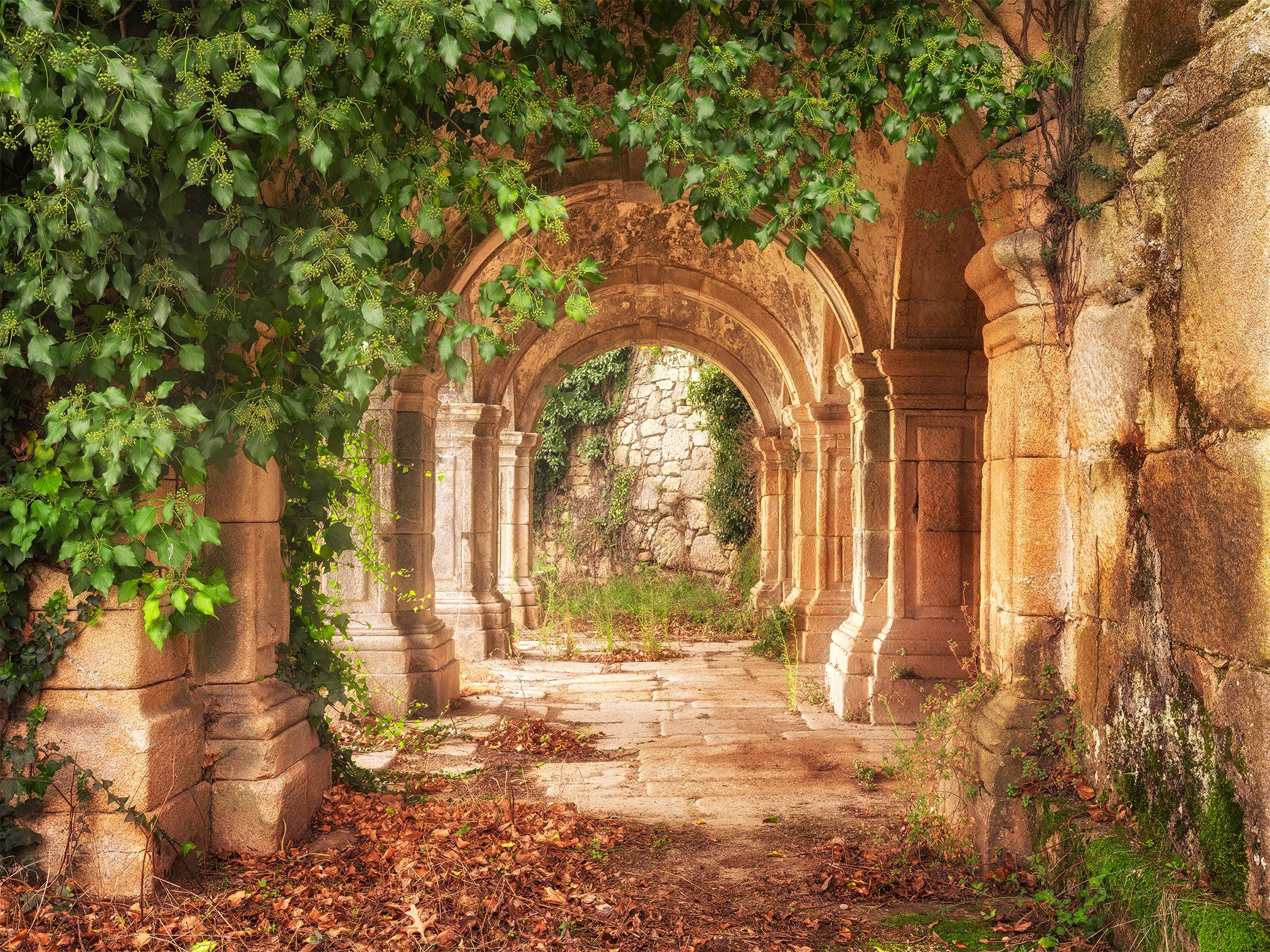
Fourteen photographs from the Rocchetta Mattei, taken in 2013 during the restoration. Two of them belong to the series BOUNDLESS.

Sources and further background
This story draws on the following sources.
- La storia della Rocchetta Mattei. Offizielle Seite der Rocchetta Mattei , accessed 10. November 2026
- Rocchetta Mattei. Wikipedia (italienisch) , accessed 10. November 2026
- Cesare Mattei. Wikipedia (italienisch) , accessed 10. November 2026
- Rocchetta Mattei. Wikipedia (deutsch) , accessed 10. November 2026
- Bildband „Nostalgia“ von Fennema: Italiens schönste Ruinen. Der Spiegel, 15.12.2015 , accessed 10. November 2026
Series
More from BOUNDLESS
Fine art prints on the theme
Related stories
All stories →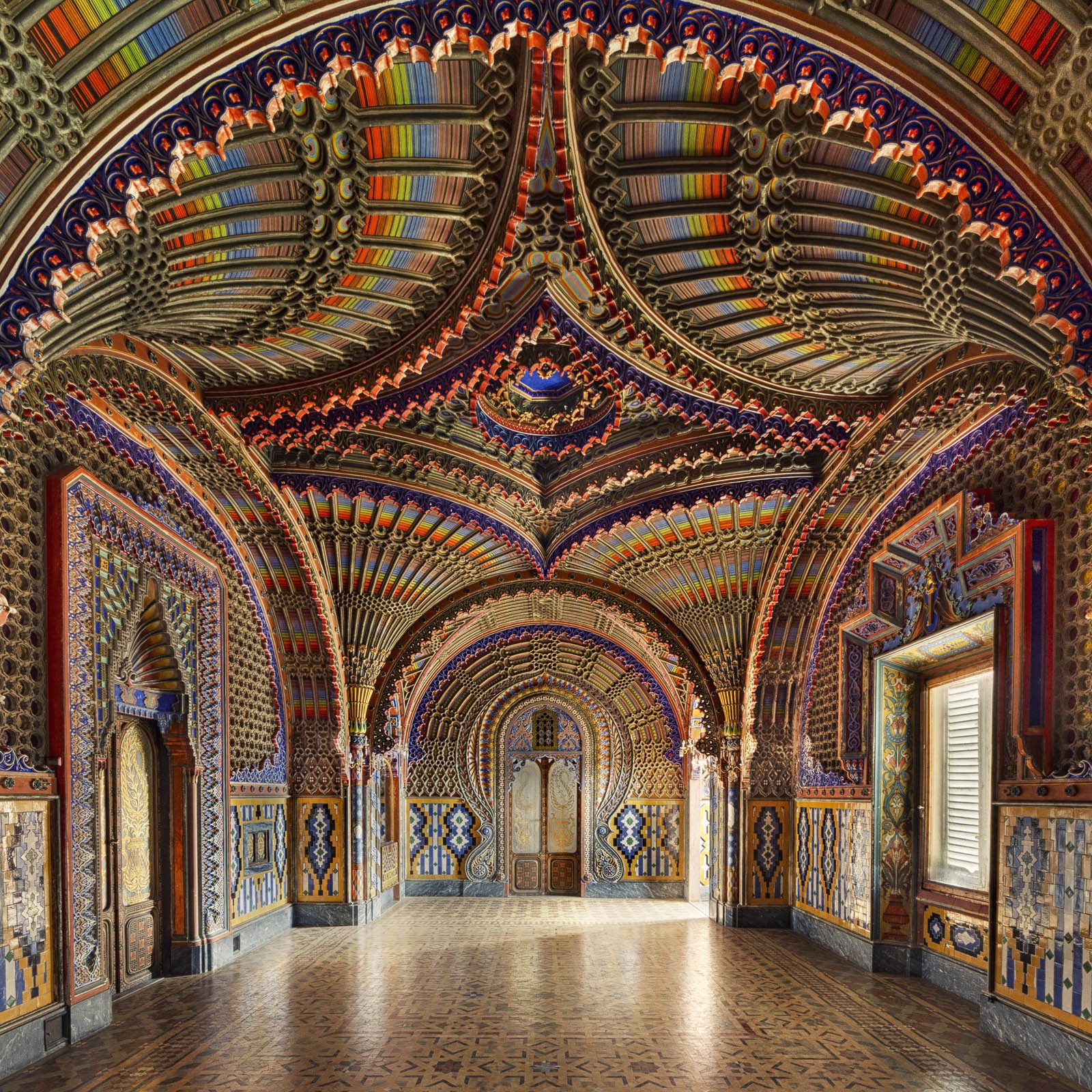
Share