


Stories · Countries and regions · United Kingdom, Scotland
Scotland: Ruined castles and country houses in a golden autumn
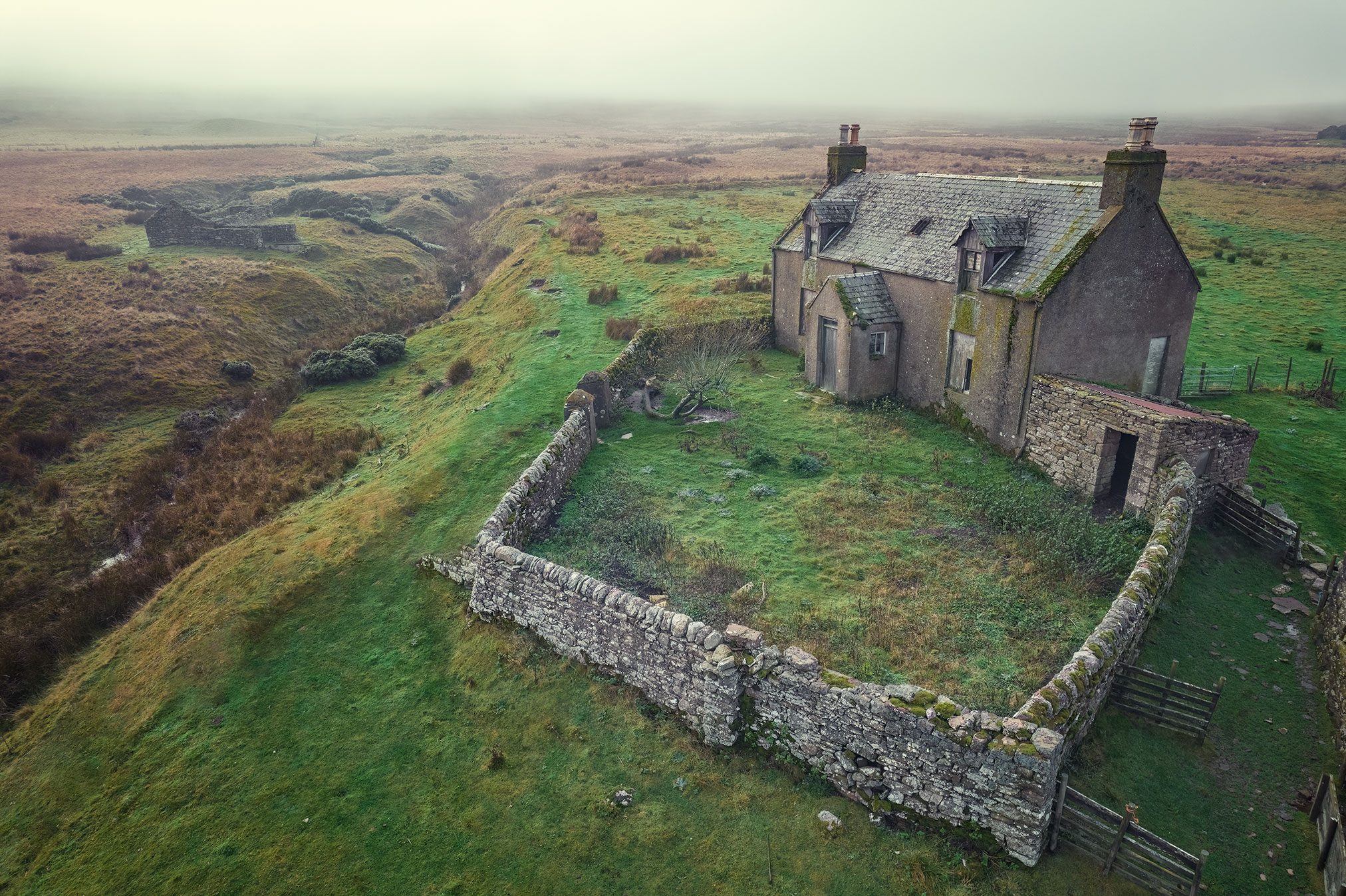
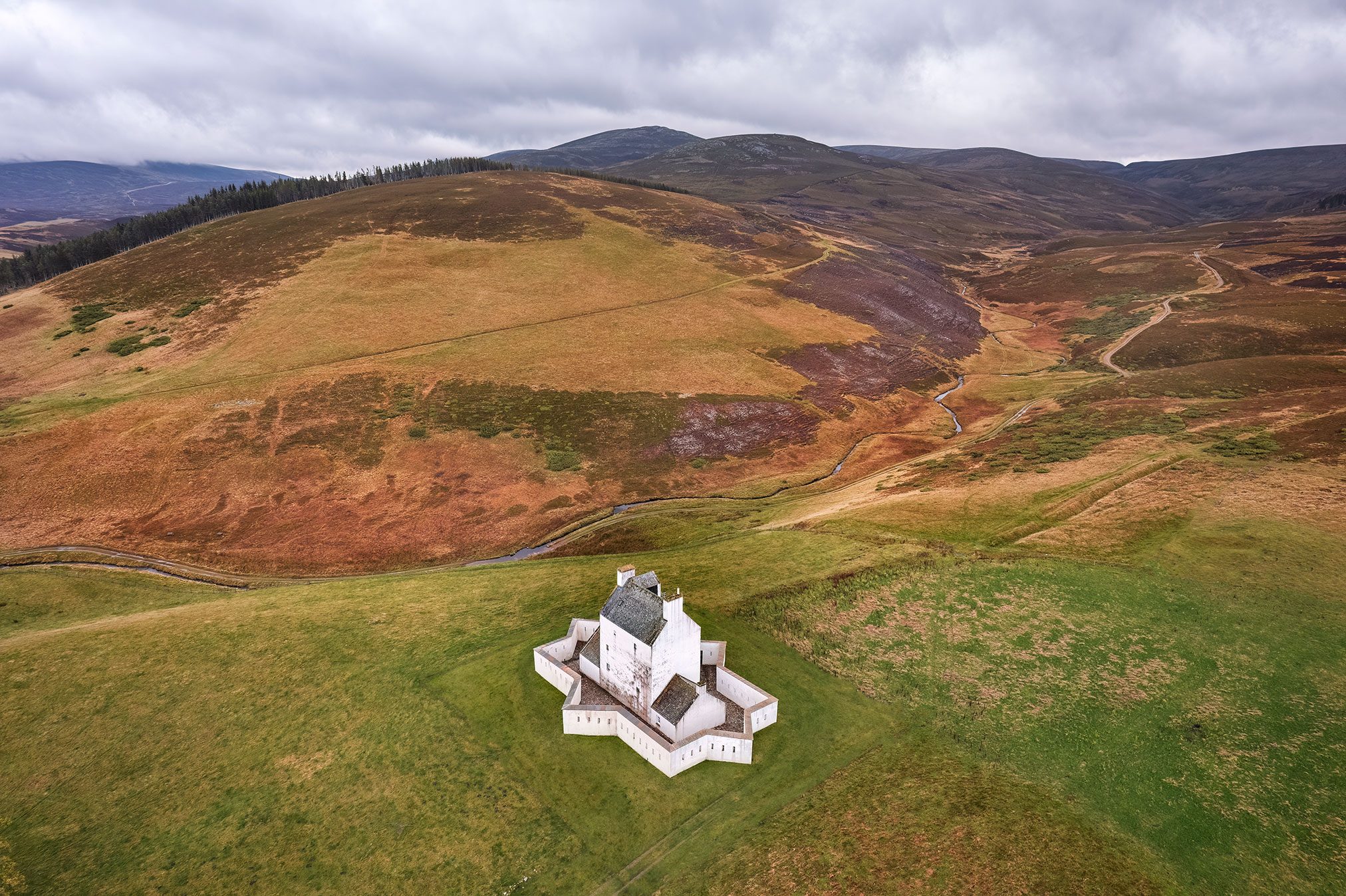
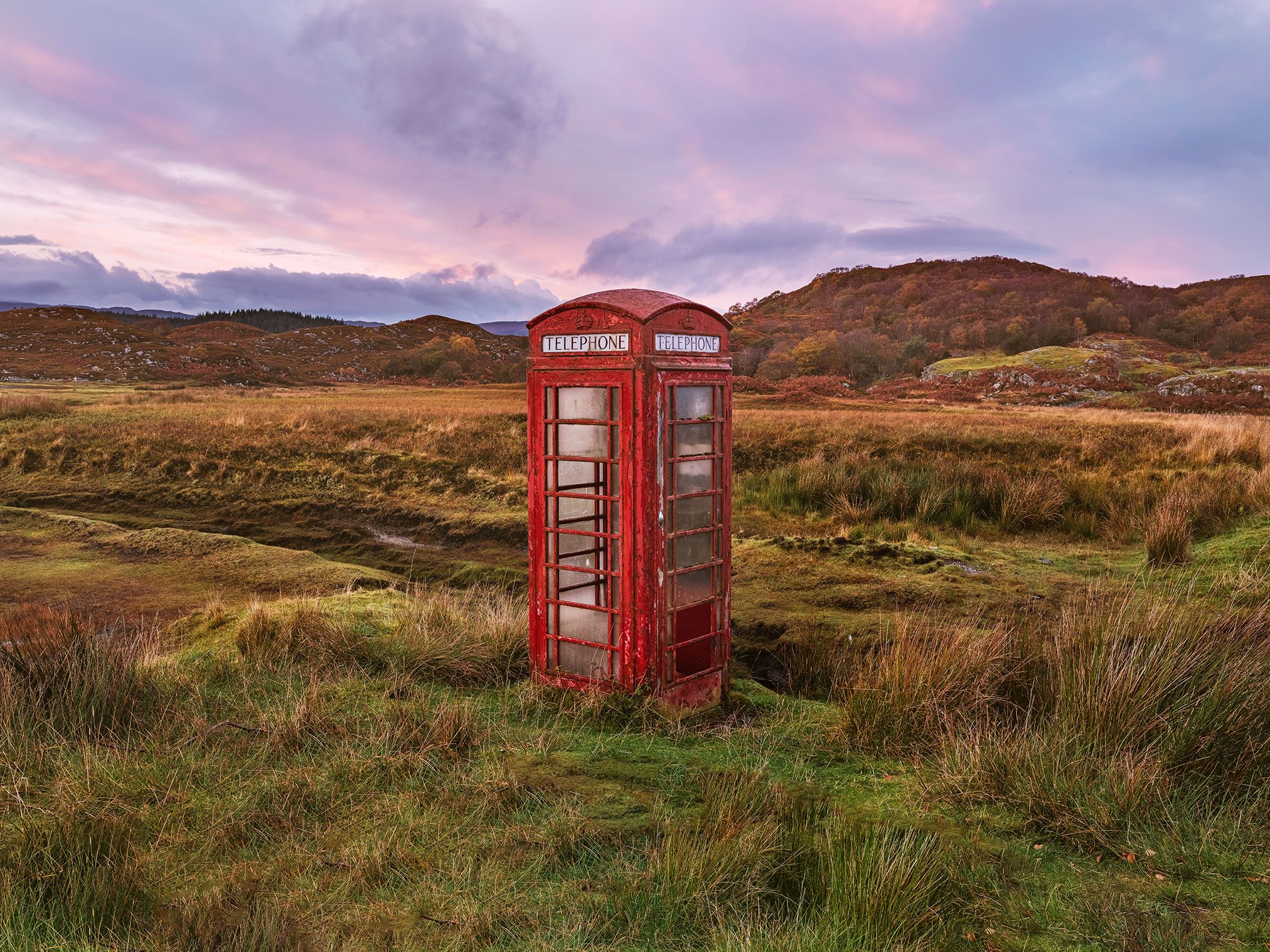
In the autumn of 2022 I travelled through Scotland for the first time, from the Lowlands to the north-east and back along the west coast. Rugged, lonely and yet full of beauty: no country has ever touched me so constantly, and I spent the nights out by the ruins.
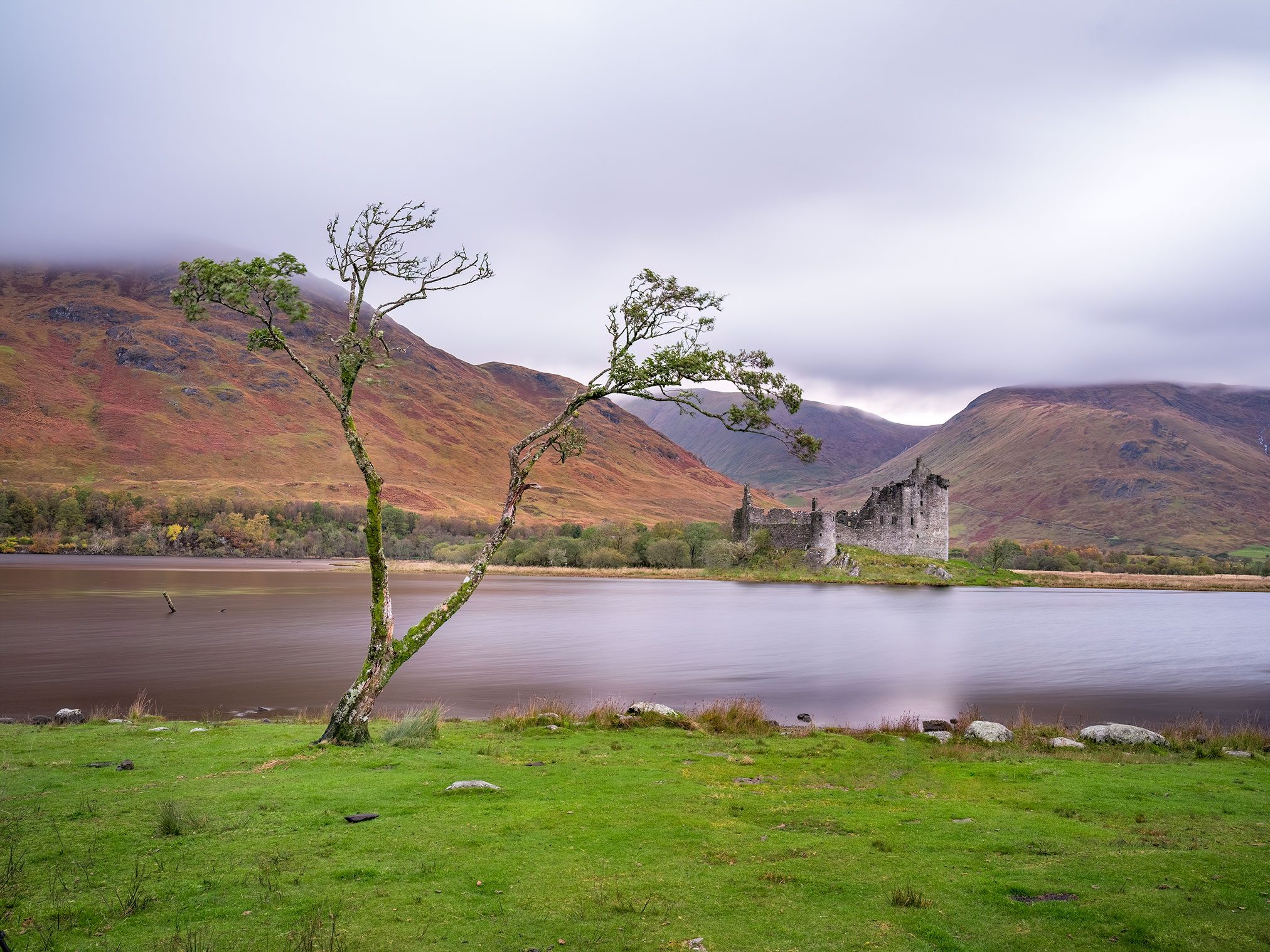
At a glance
- Location
- United Kingdom, Scotland
- Series
- RUINS AND REVERIE
In Scotland, castles and country houses stand in the landscape as ruins: medieval strongholds abandoned for centuries, and mansions of the nineteenth century given up in the twentieth. At the beginning of 2024 the Buildings at Risk Register listed 2,219 buildings. In the autumn of 2022 I travelled through the country, from the southern Lowlands to the far north-east and back along the west coast.
Rugged, lonely and yet full of beauty
For a long time I had badly wanted to get to know Scotland, yet something always held me back. That is also the only thing to regret: not having been there sooner. Rugged, lonely and yet full of love and beauty, Scotland took my heart by storm. Quite apart from any ruins, I have never known a country that touches, delights and calms me so deeply and so constantly.
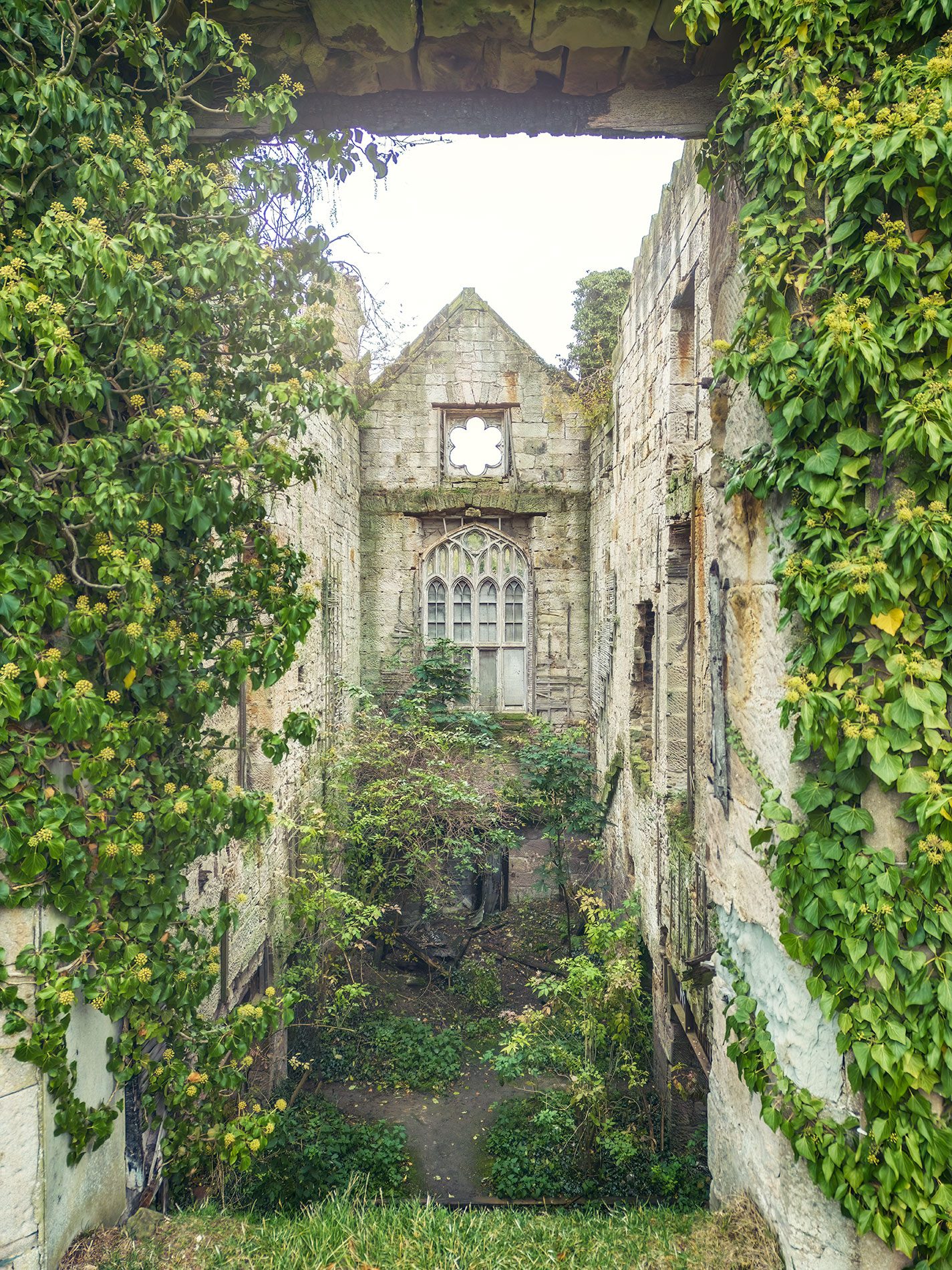
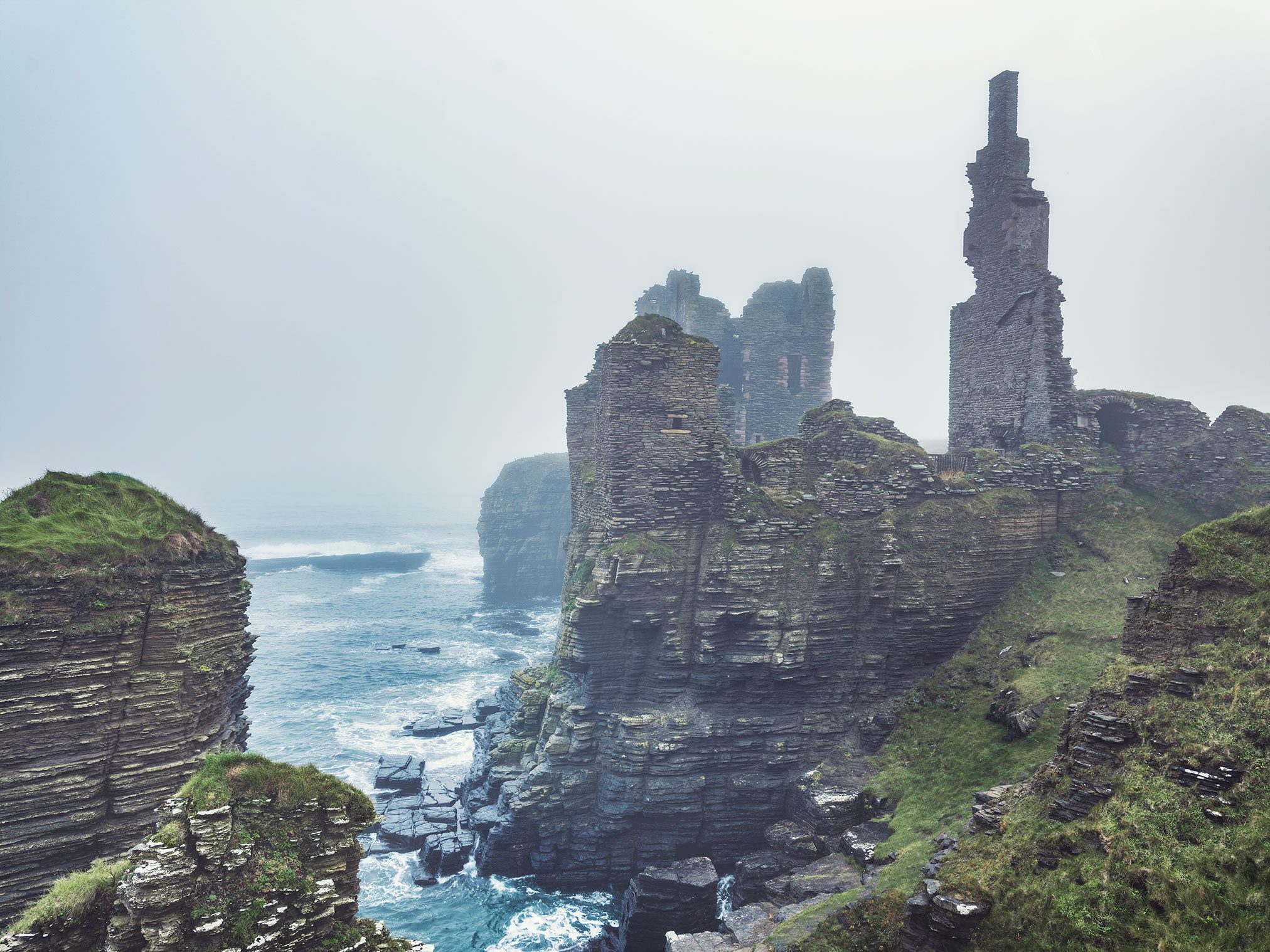
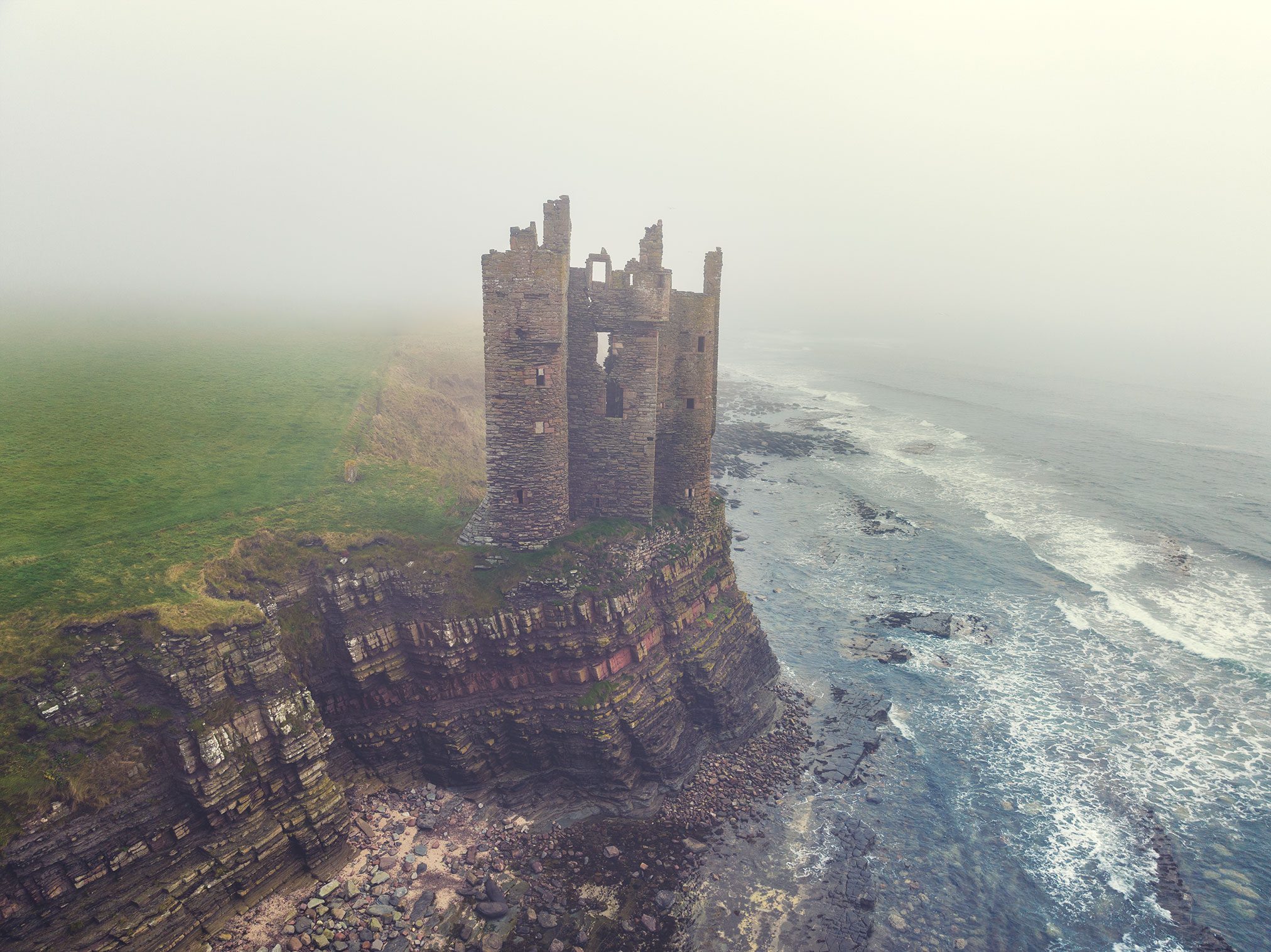
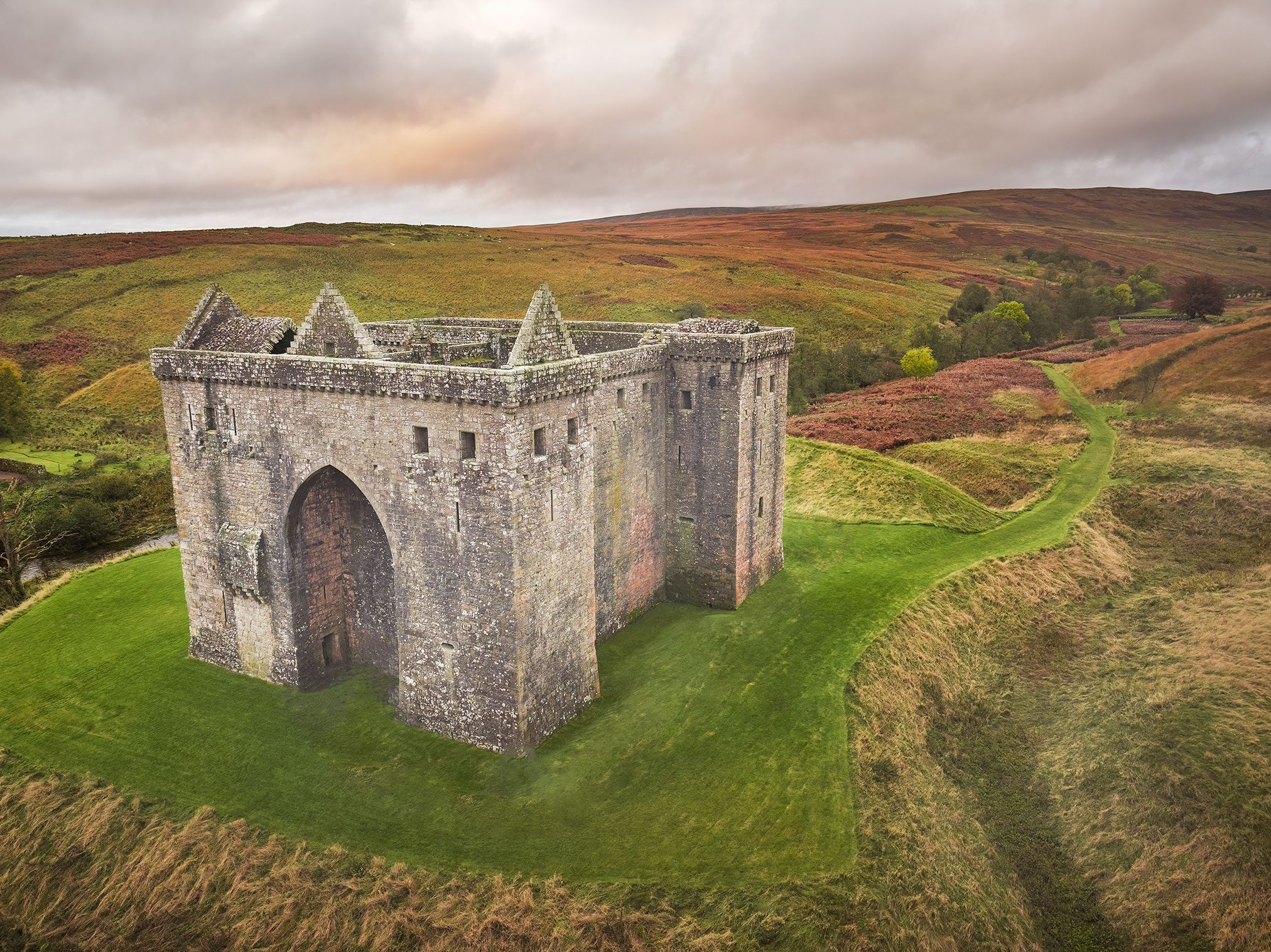
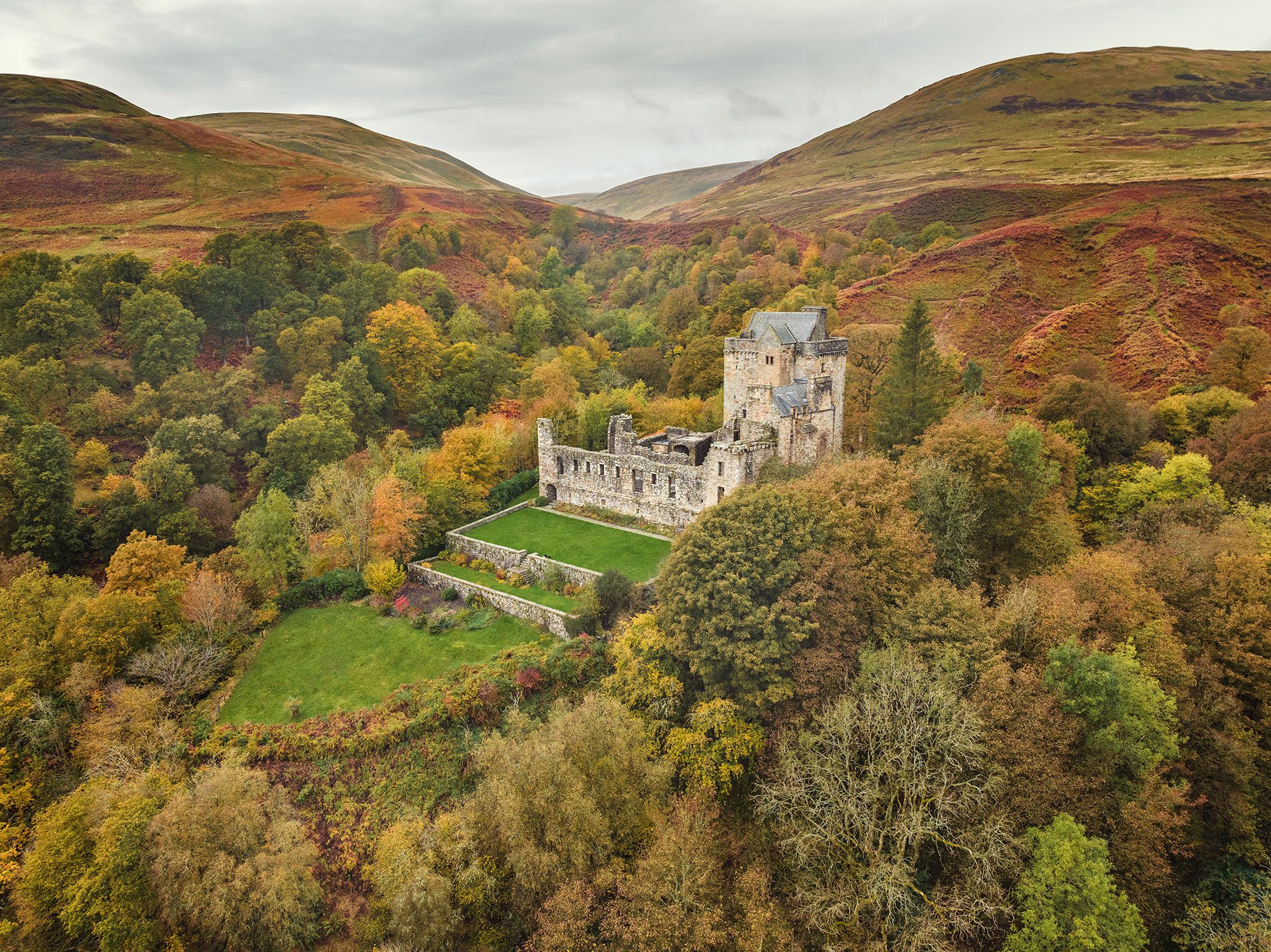
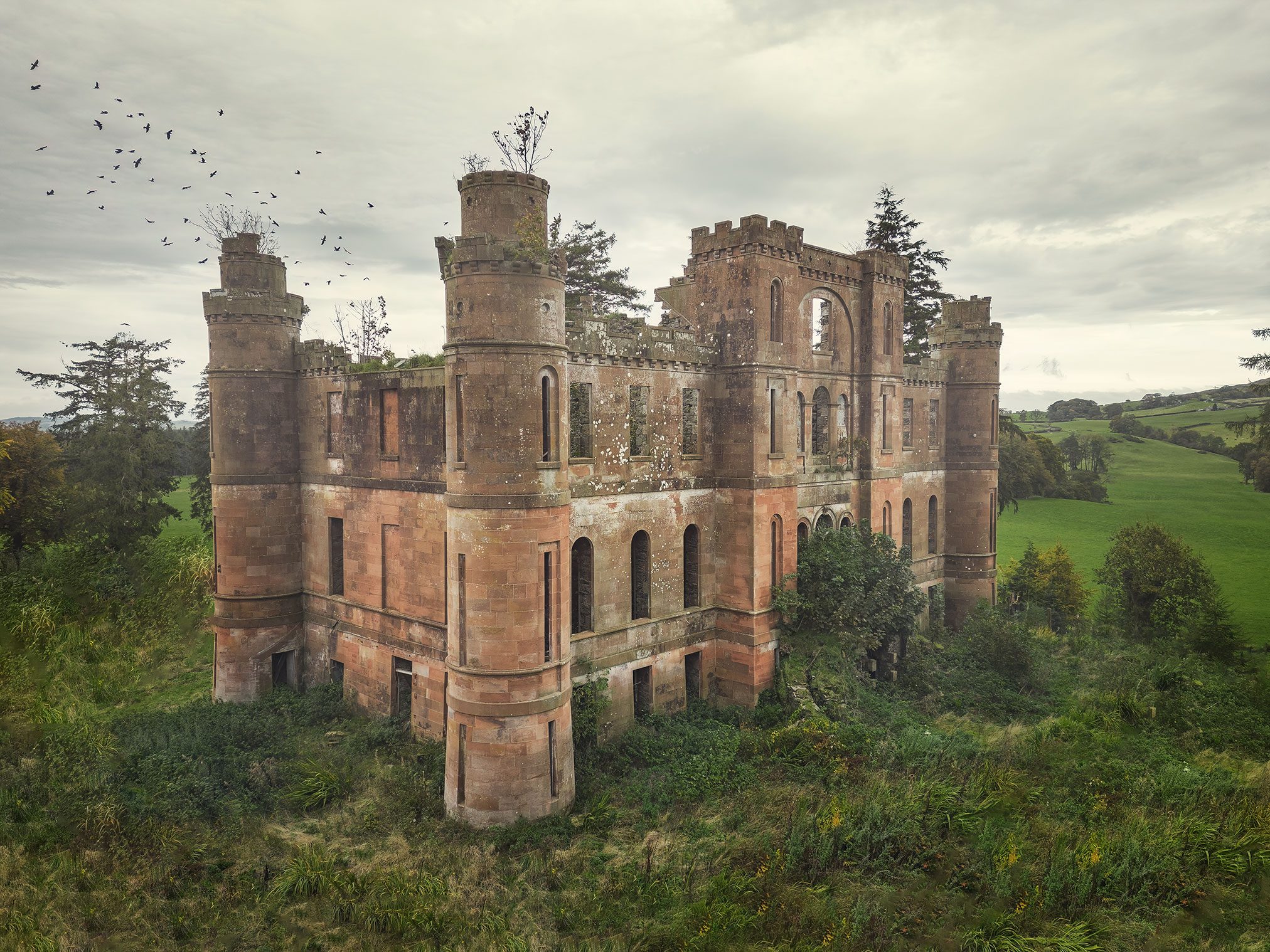
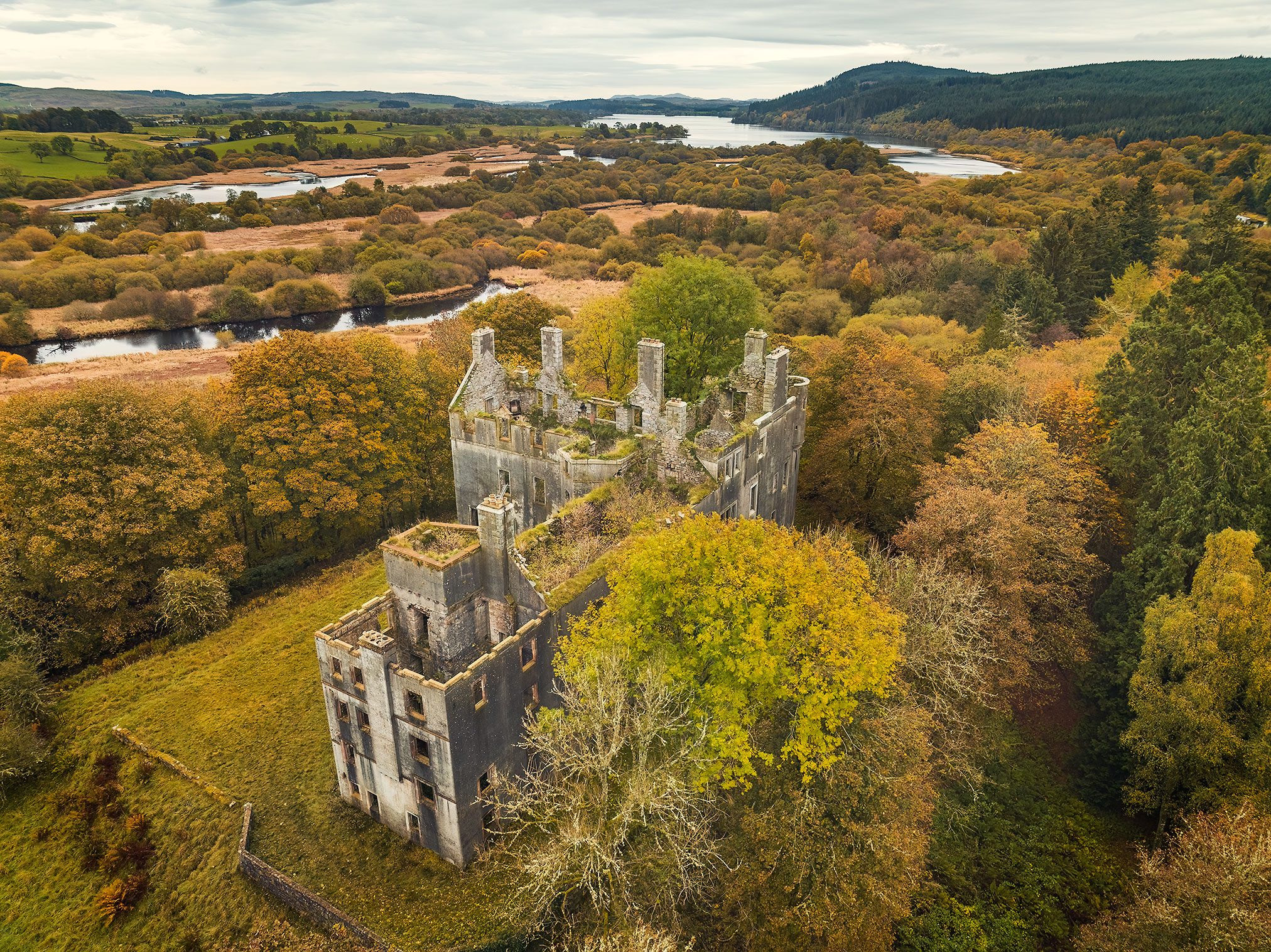
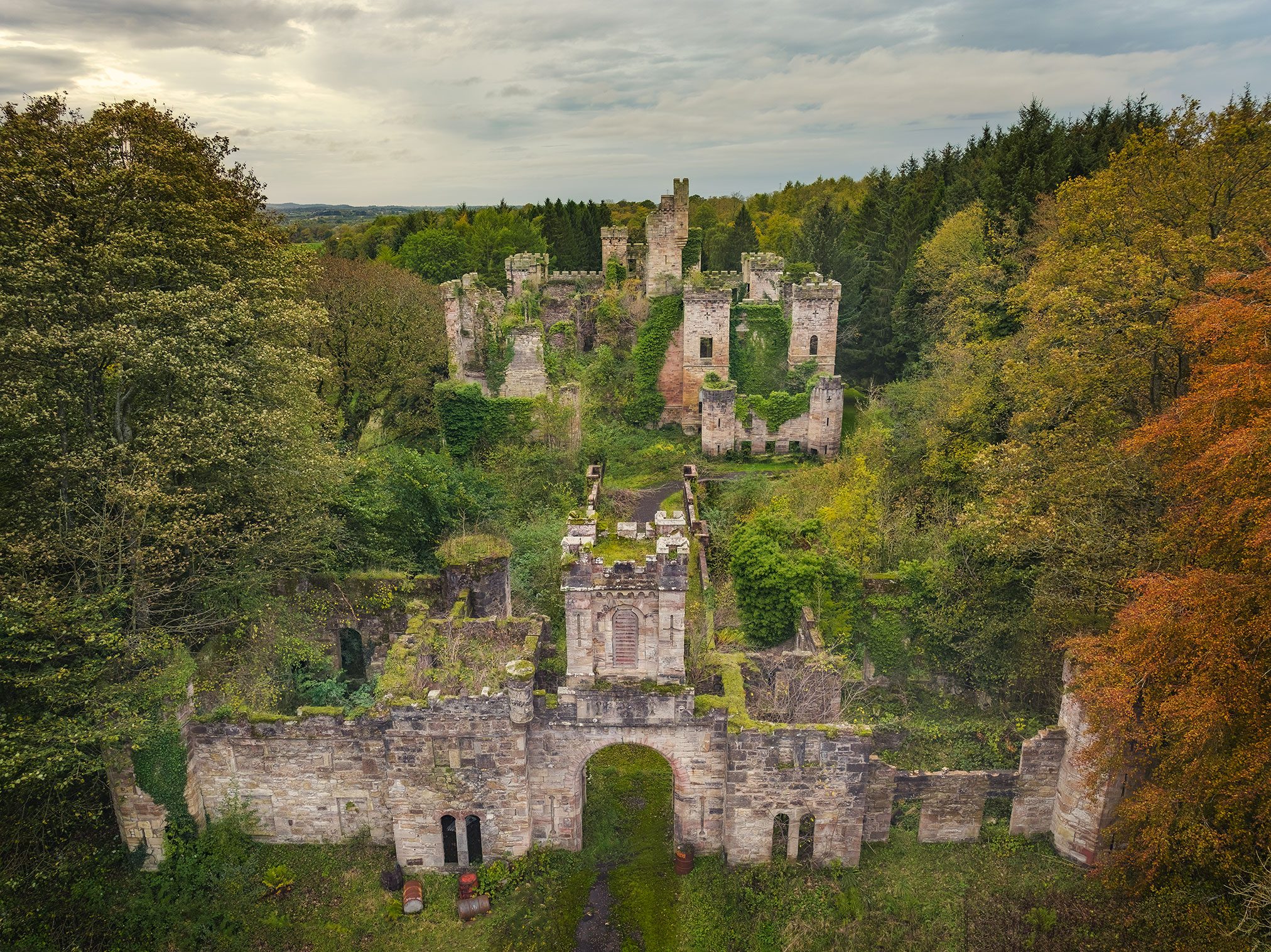
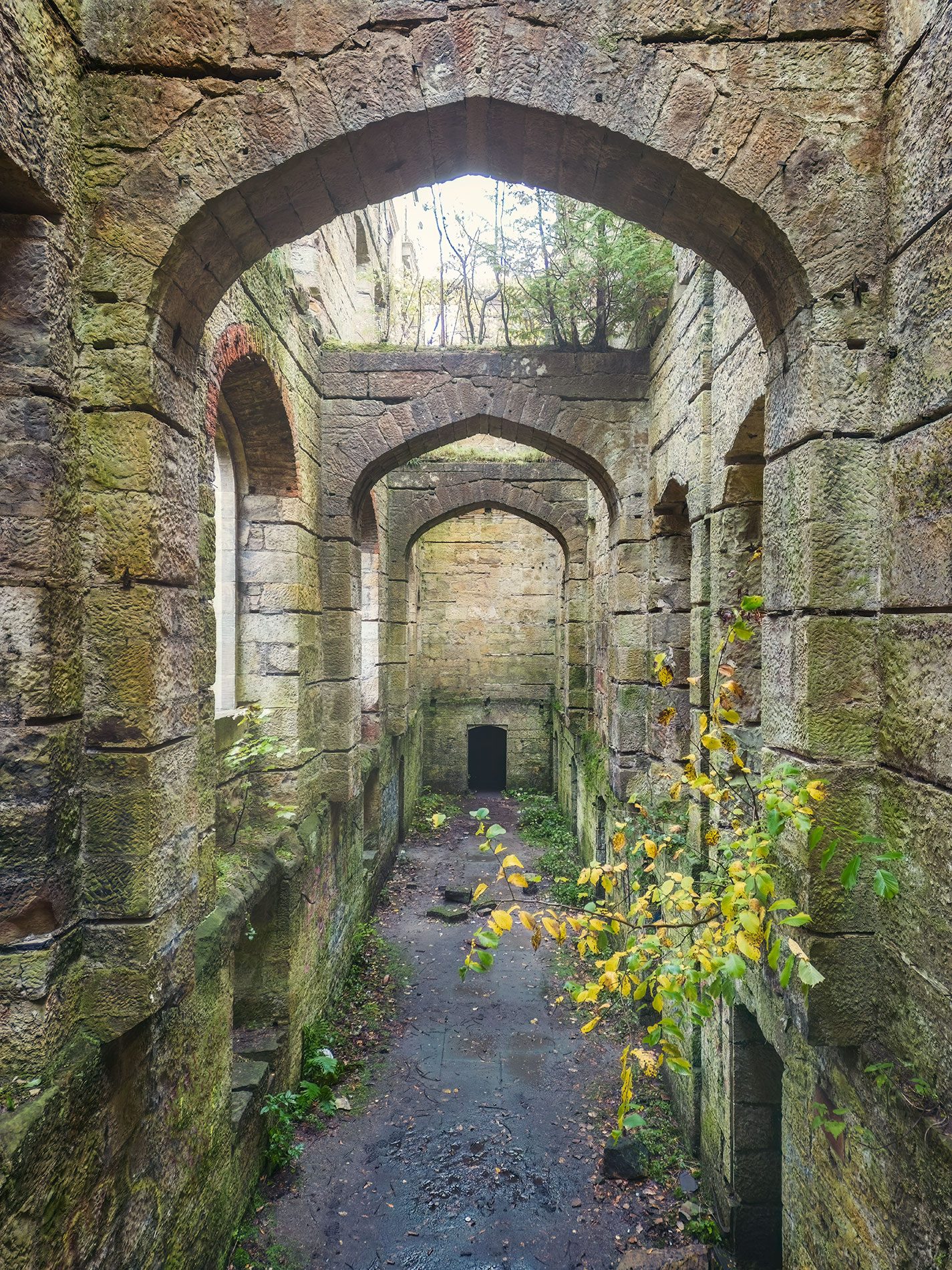
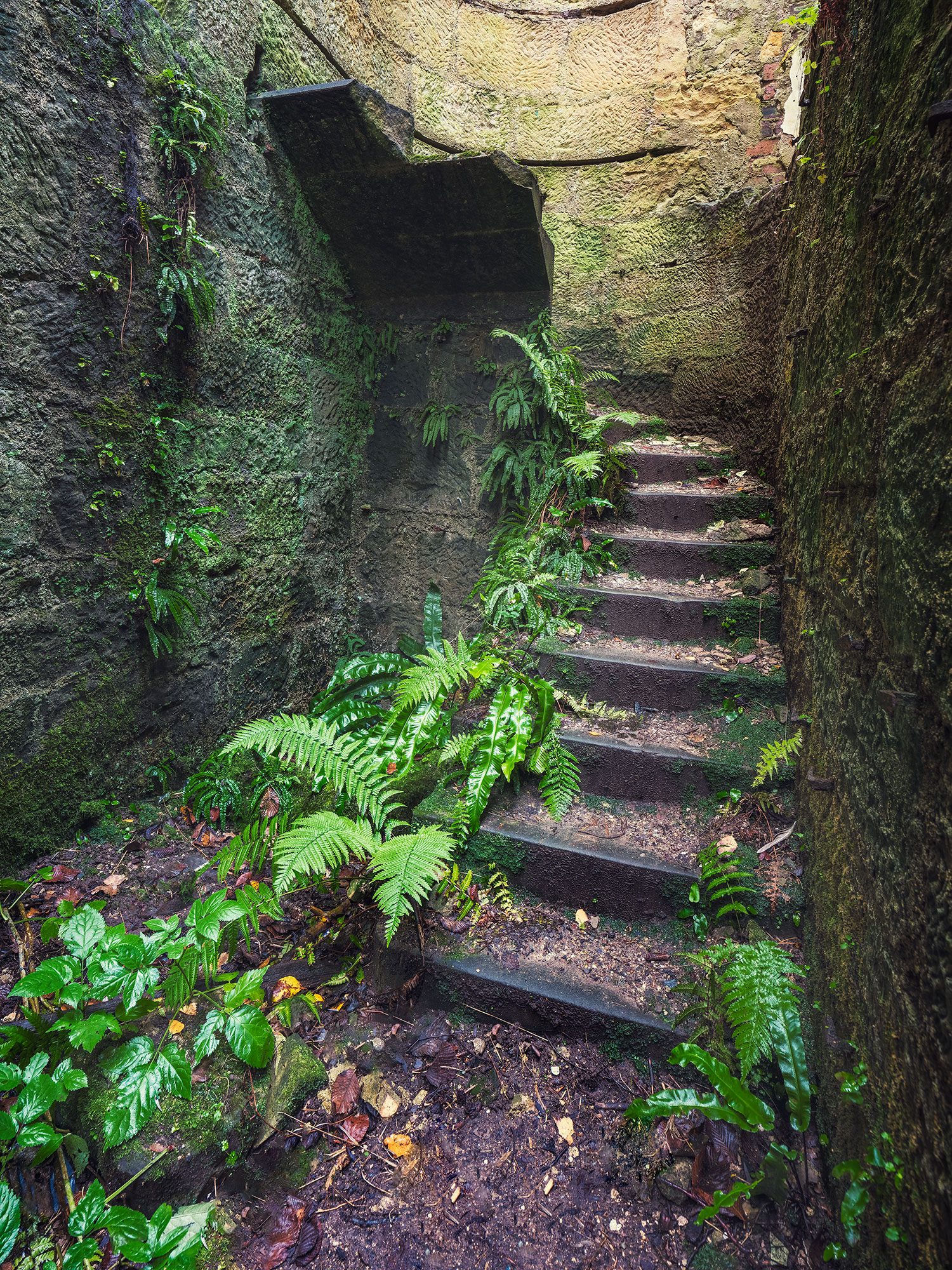
Scotland needs no sumptuous villas full of frescoes and no playful architecture. There are few interiors to discover in its abandoned houses anyway, unless nature has already largely taken them over. The nature that accompanies almost every ruin is enough in itself to delight, yet the proud ruins of old castles and estates crown the whole. Even where only the foundations stand, the former splendour can be felt in spite of the long decay. To set this architecture in relation to the landscape, a symbiosis of history and longing, was my aim.
Why do so many houses in Scotland stand without a roof?
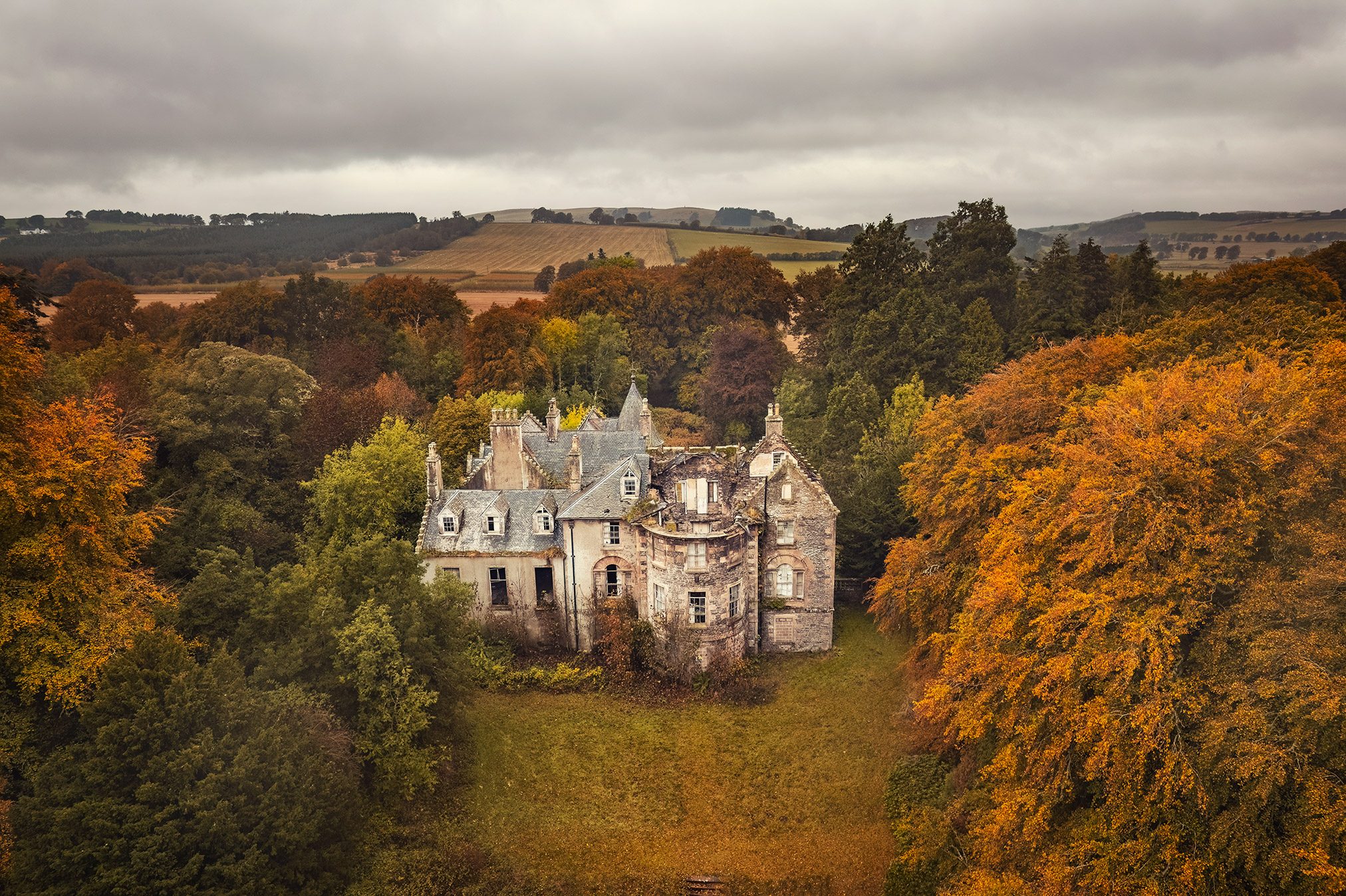
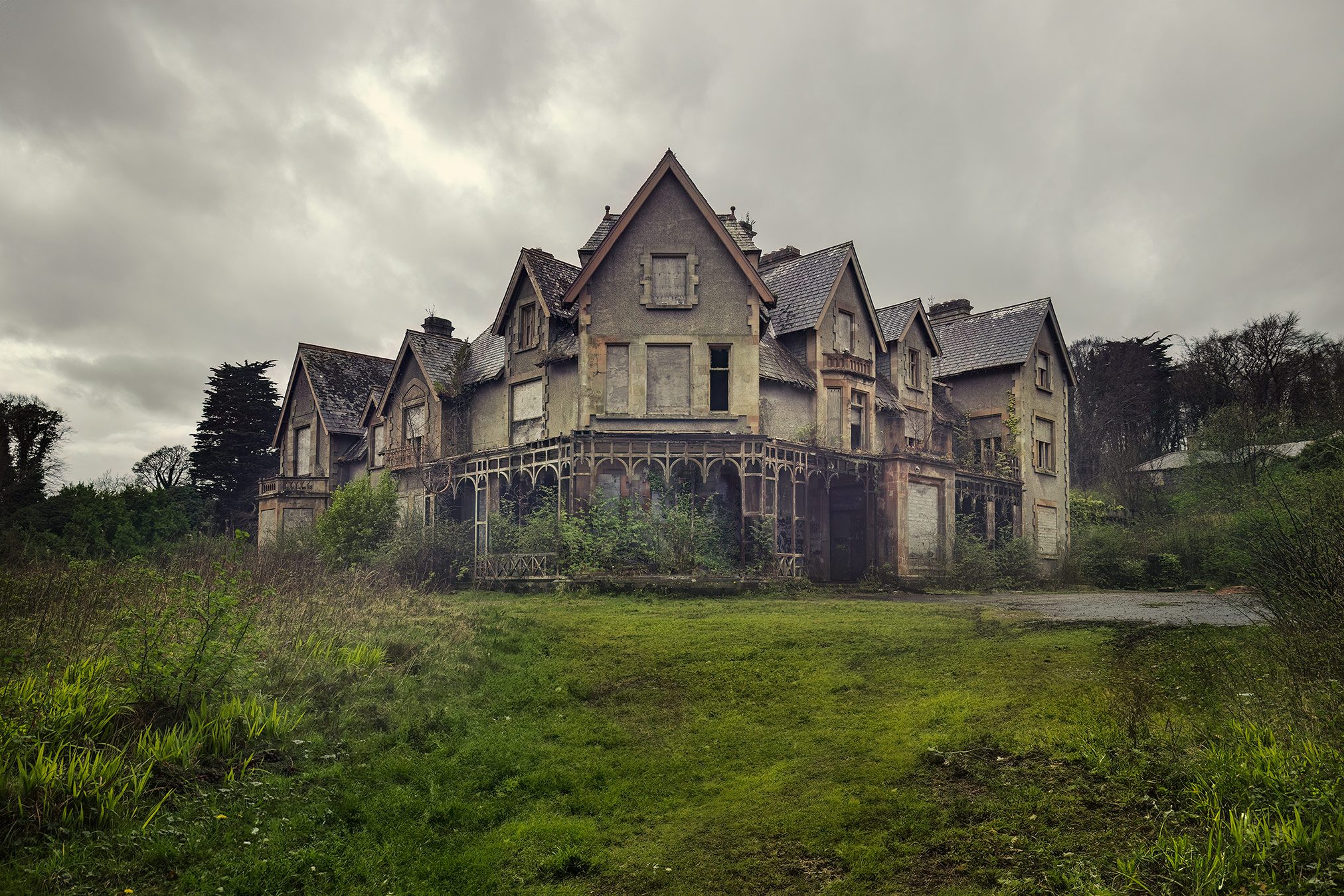
One reason lies in the tax law of the twentieth century. In the 1950s many owners had the roofs taken off their empty country houses, because no rates were due on a house without a roof. That is how the Scottish Civic Trust describes it in its report on country houses at risk.
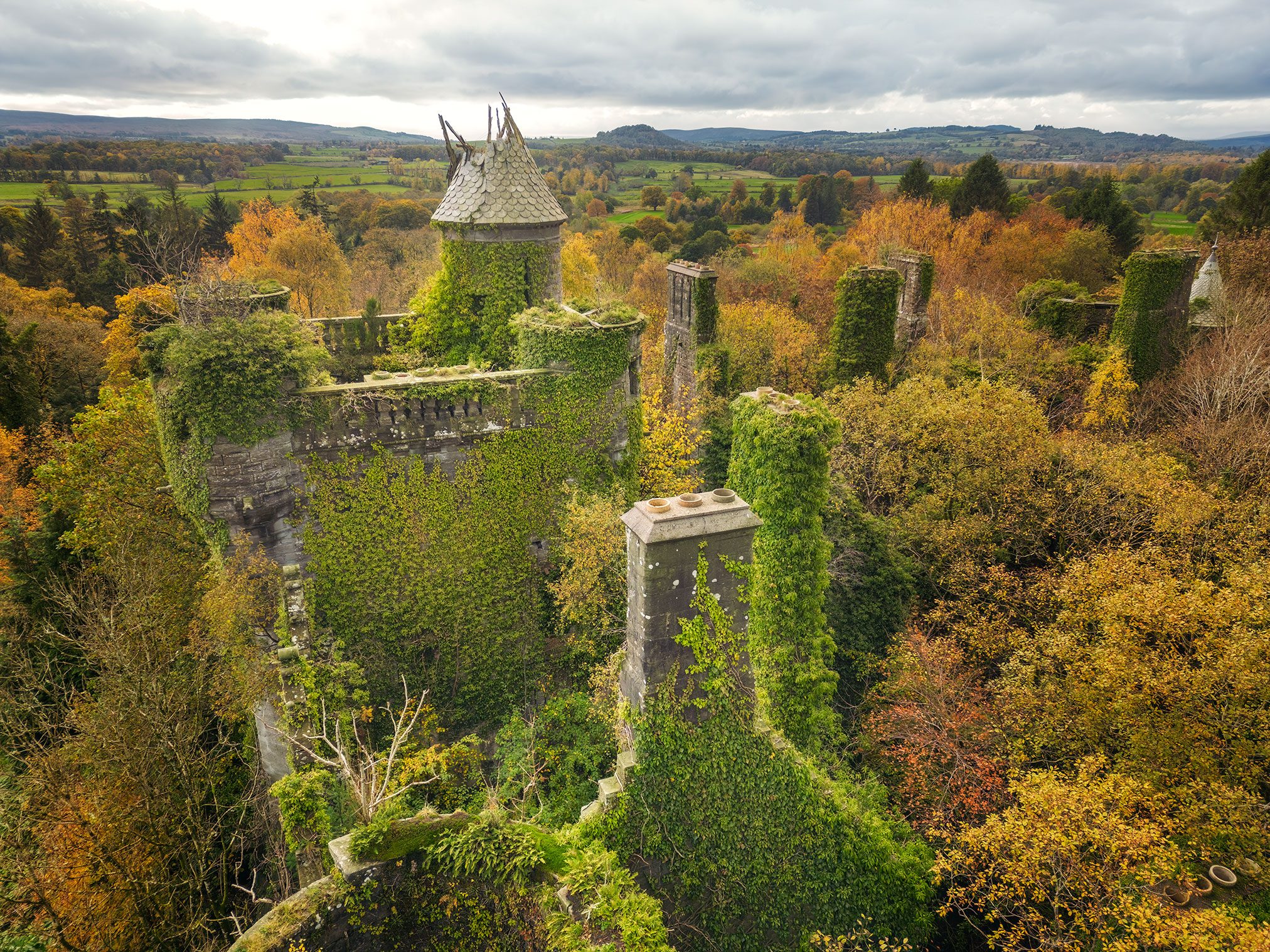
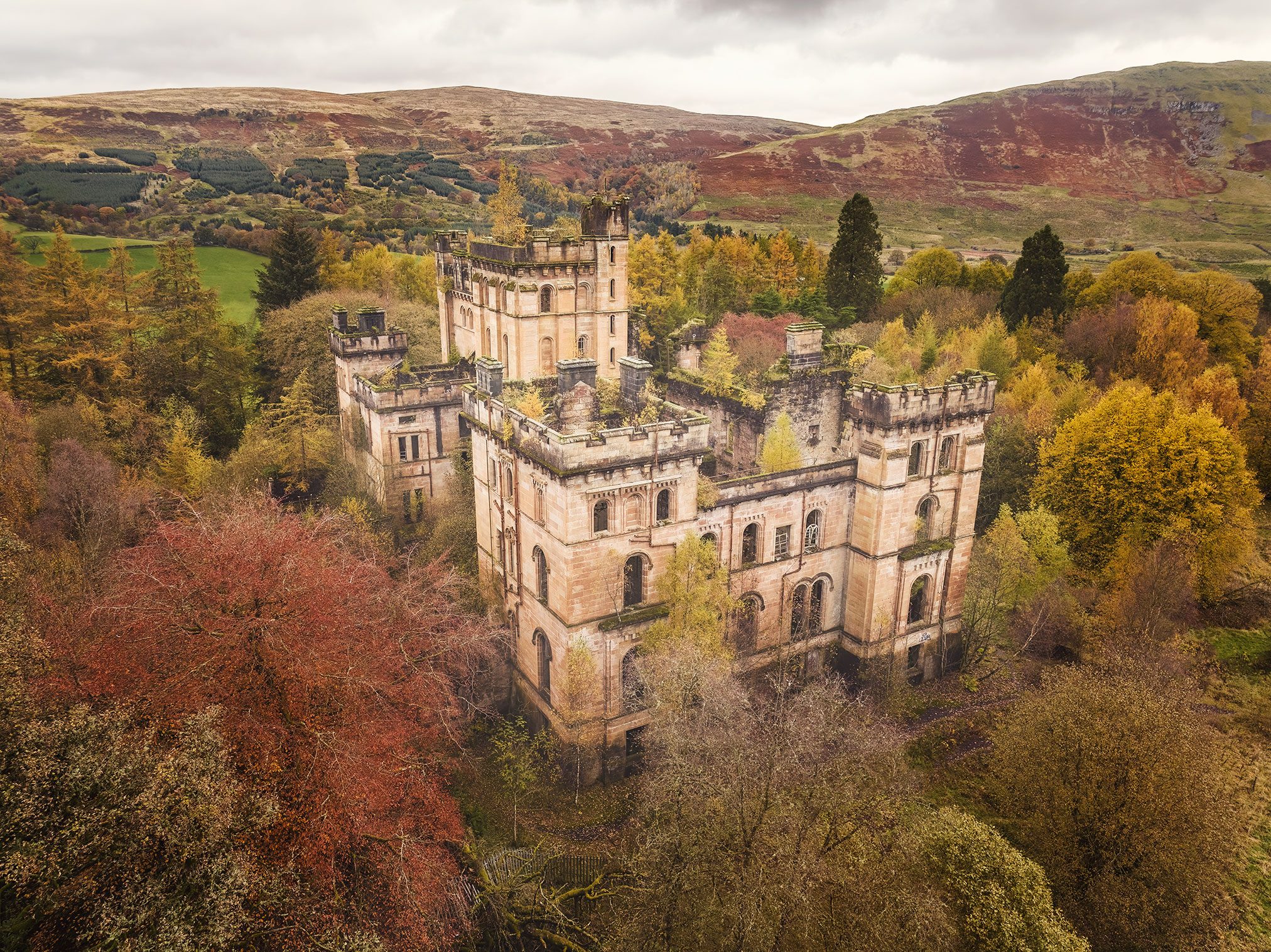
Buchanan Castle near Drymen was built between 1852 and 1858 to designs by William Burn for the Duke of Montrose. In 1954 the roof was removed and the house partly demolished. Today it is recorded as a ruin at high risk.
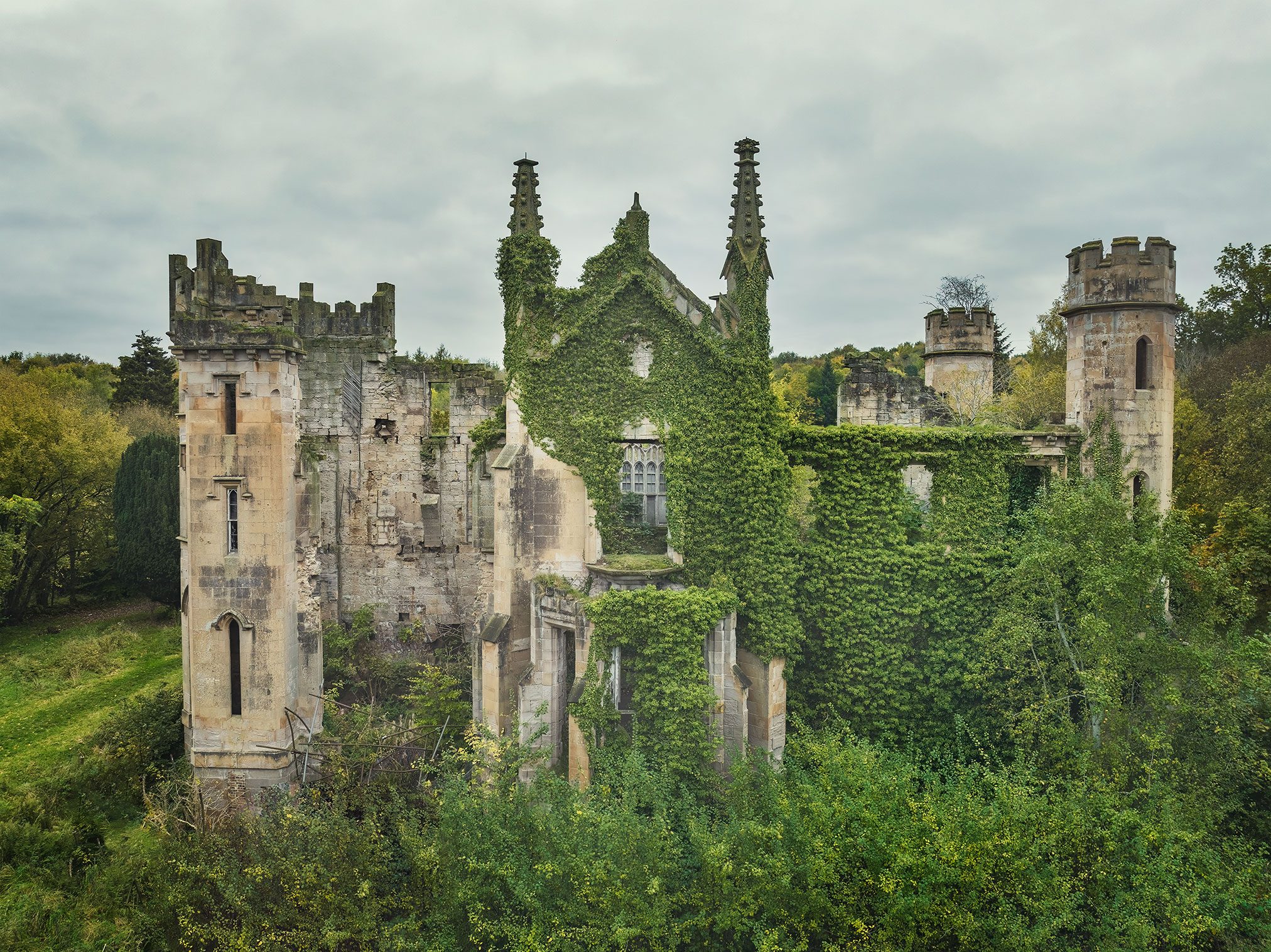
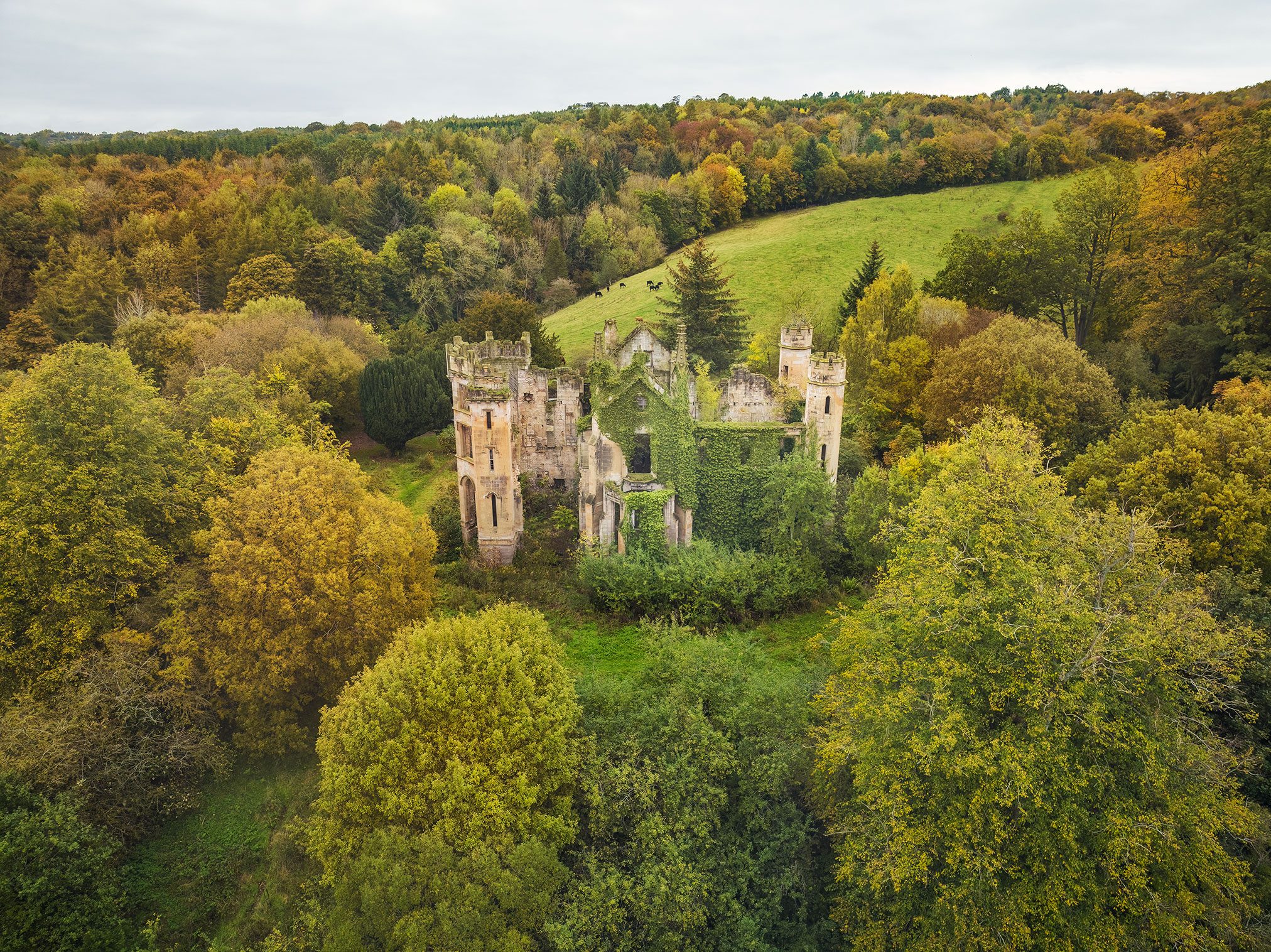
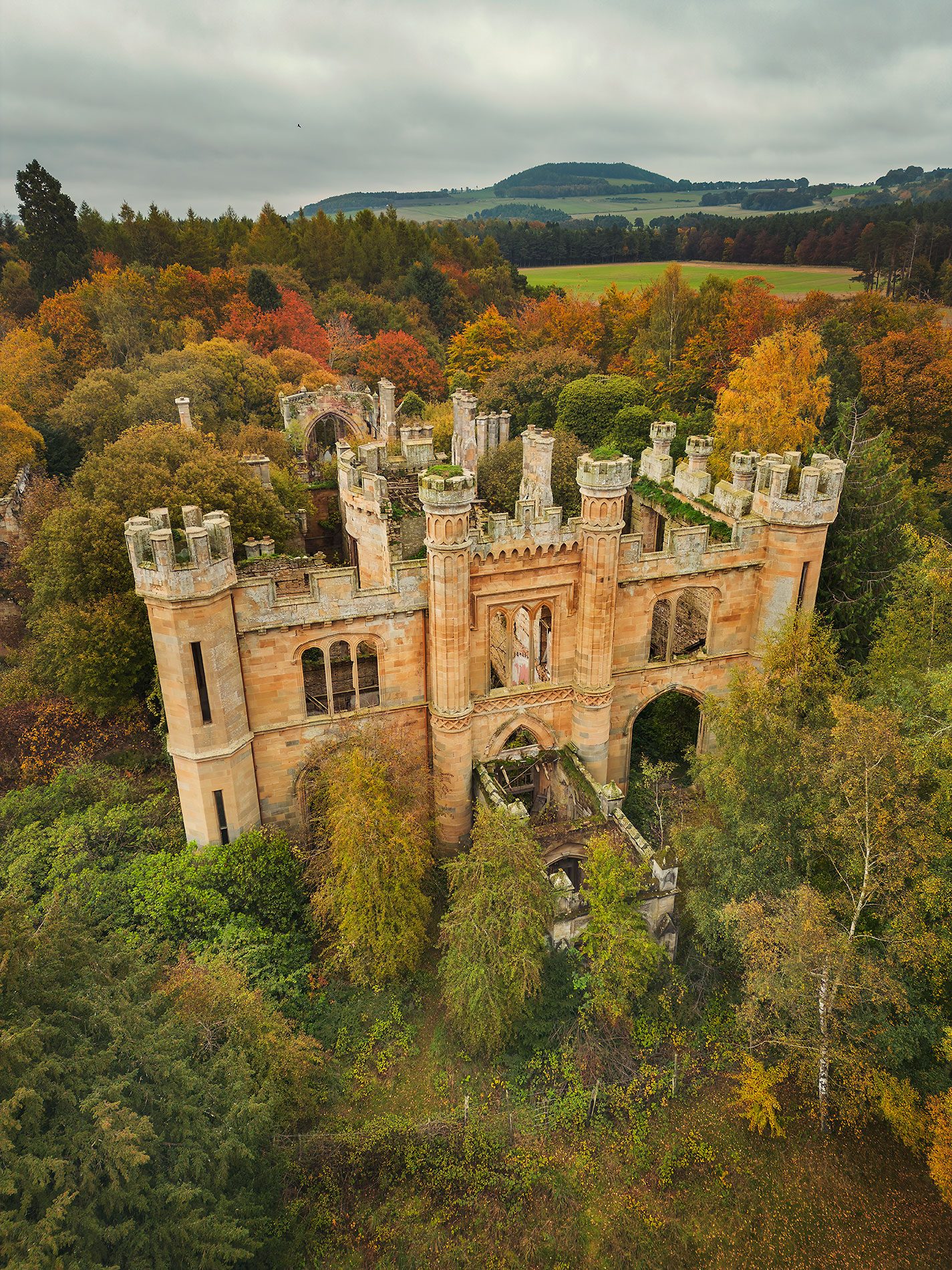
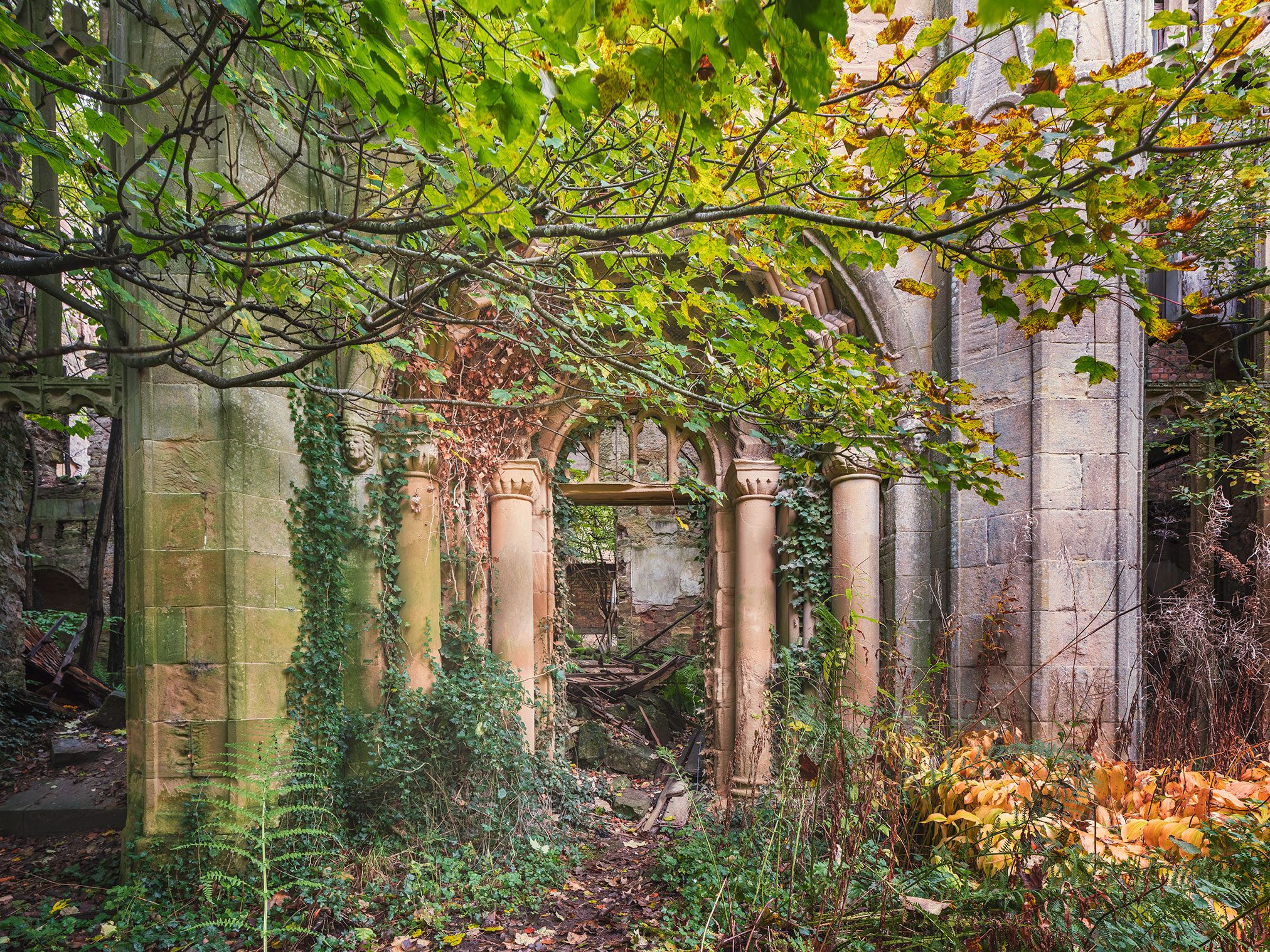
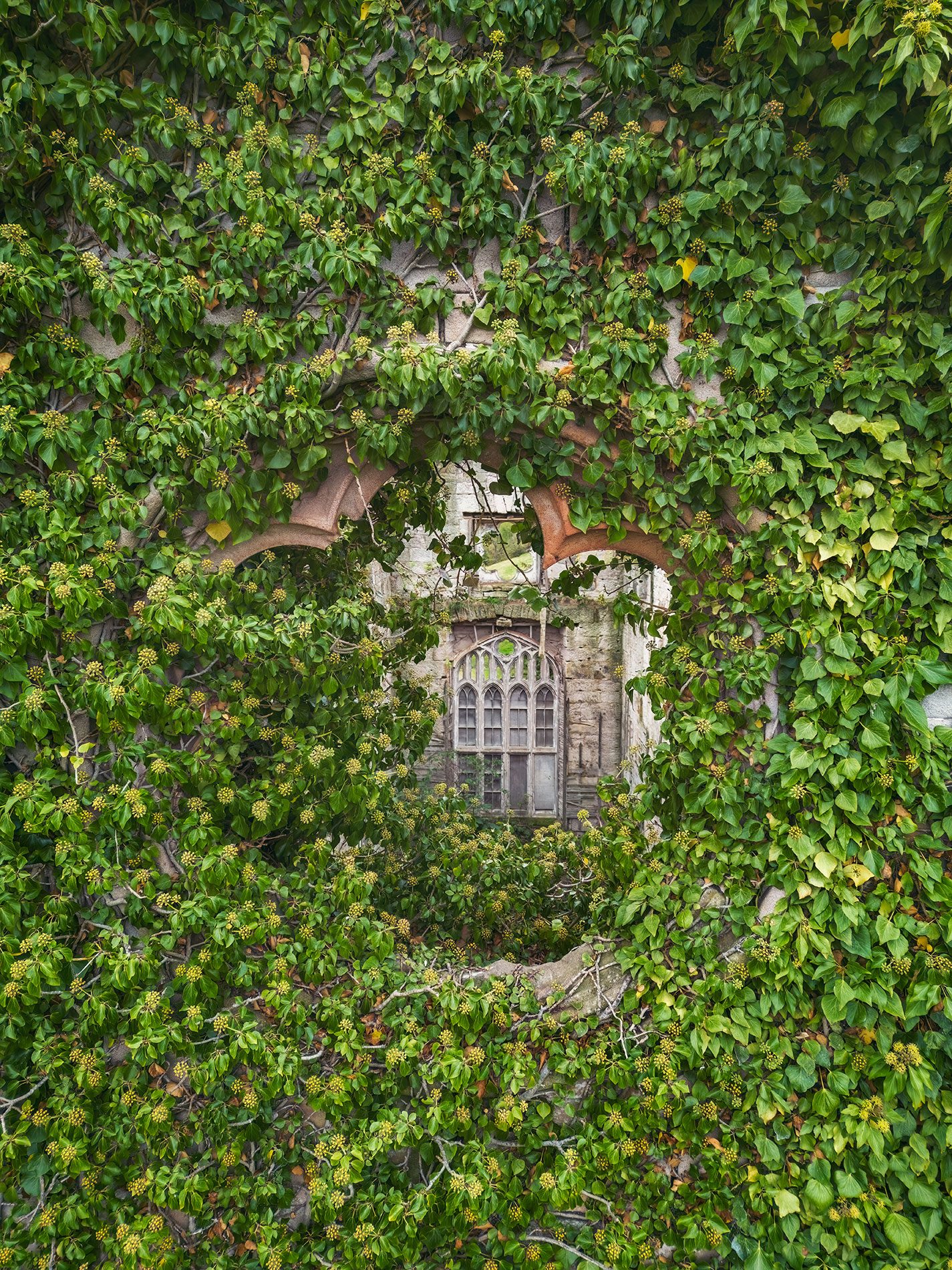
Cambusnethan House in North Lanarkshire, usually called Cambusnethan Priory, was built by James Gillespie Graham in 1819 as a Gothic Revival country house. In 1985 it was severely damaged by fire. A group of friends of the house is raising money for a visitor centre.
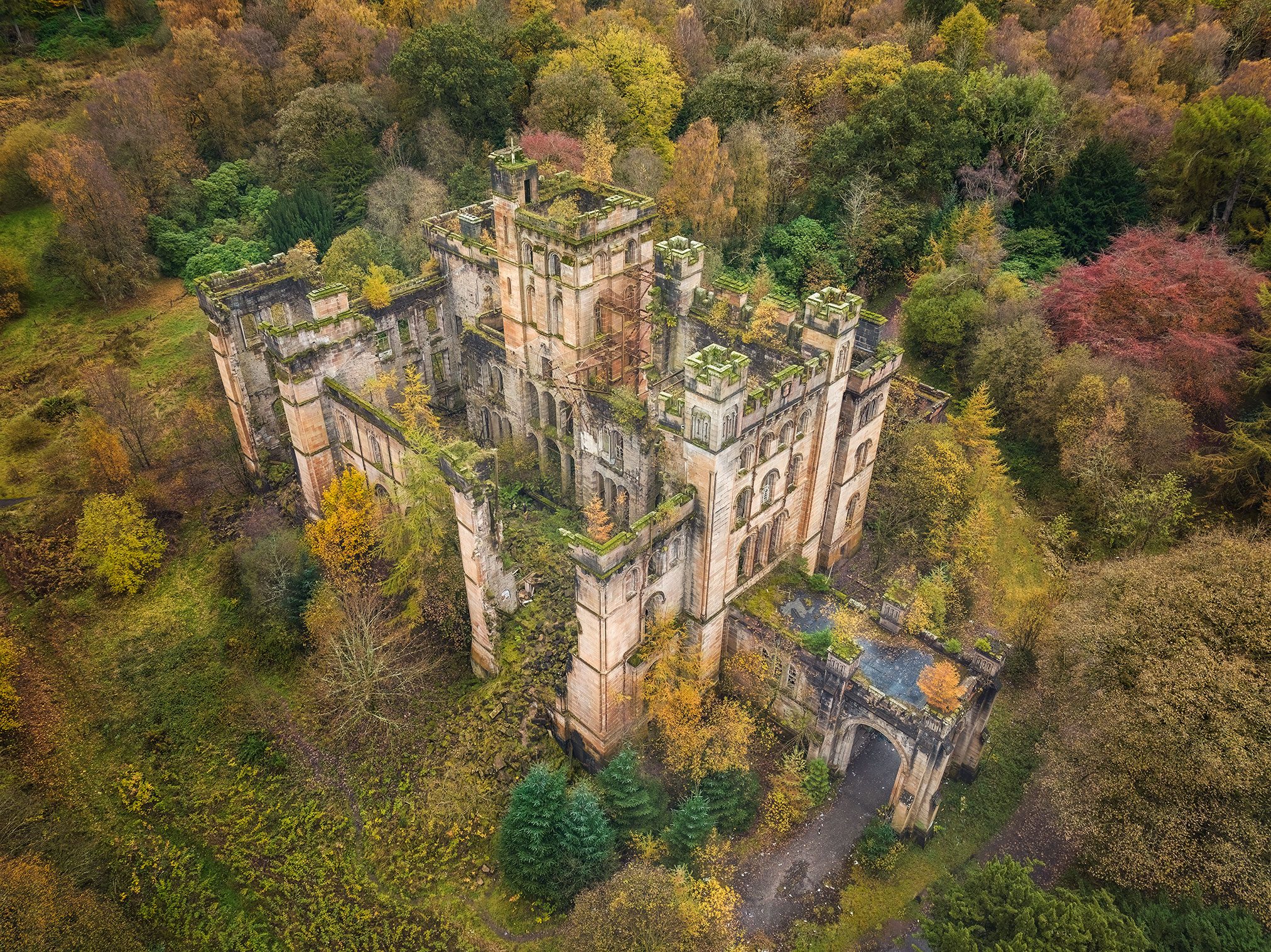
Lennox Castle near Lennoxtown, built from 1837 to 1841 by David Hamilton, was joined in 1936 by a hospital in its grounds, which closed in 2002. The castle itself burned in 2008 and has been a roofless ruin since.
Castles by the water
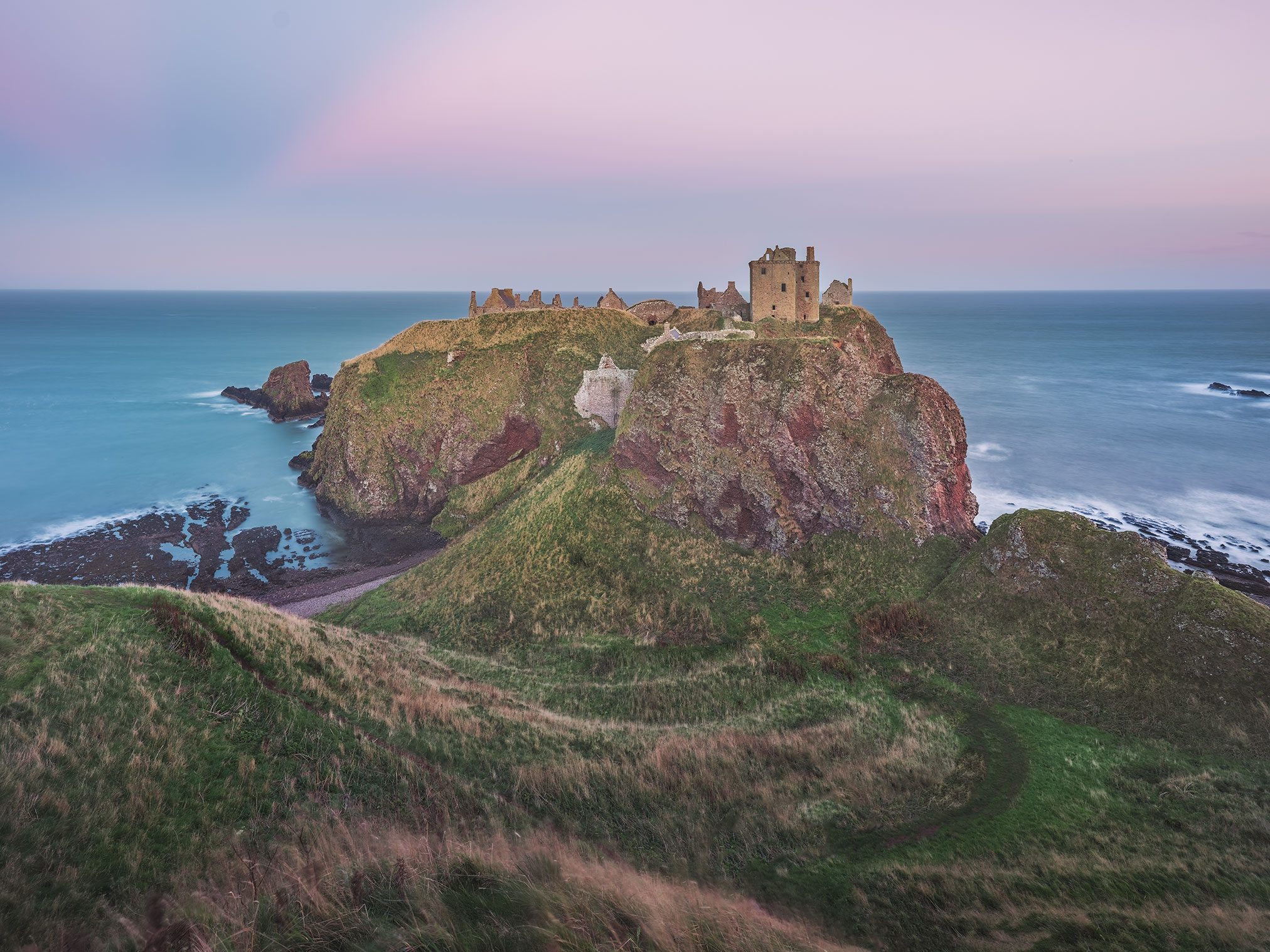
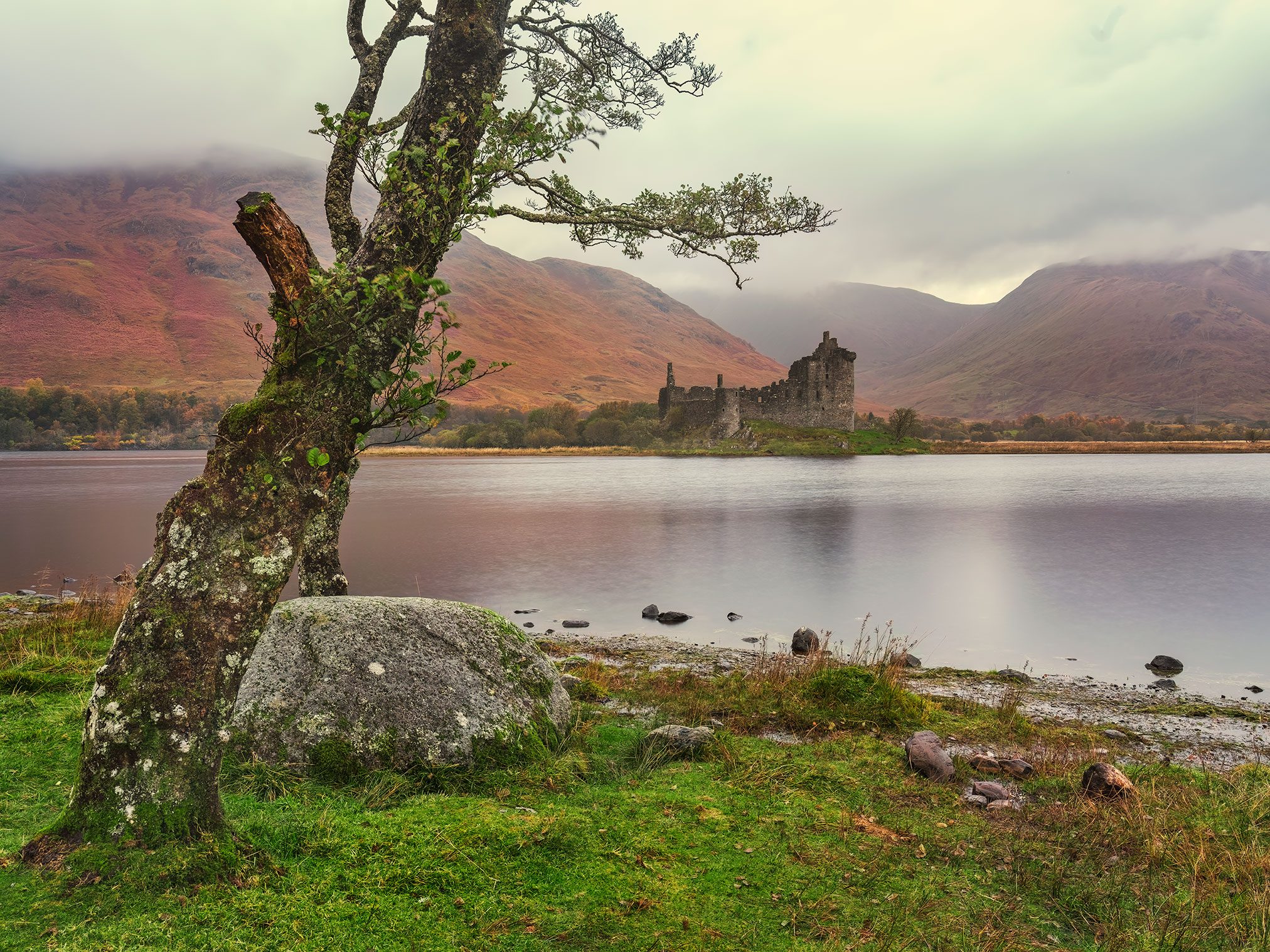
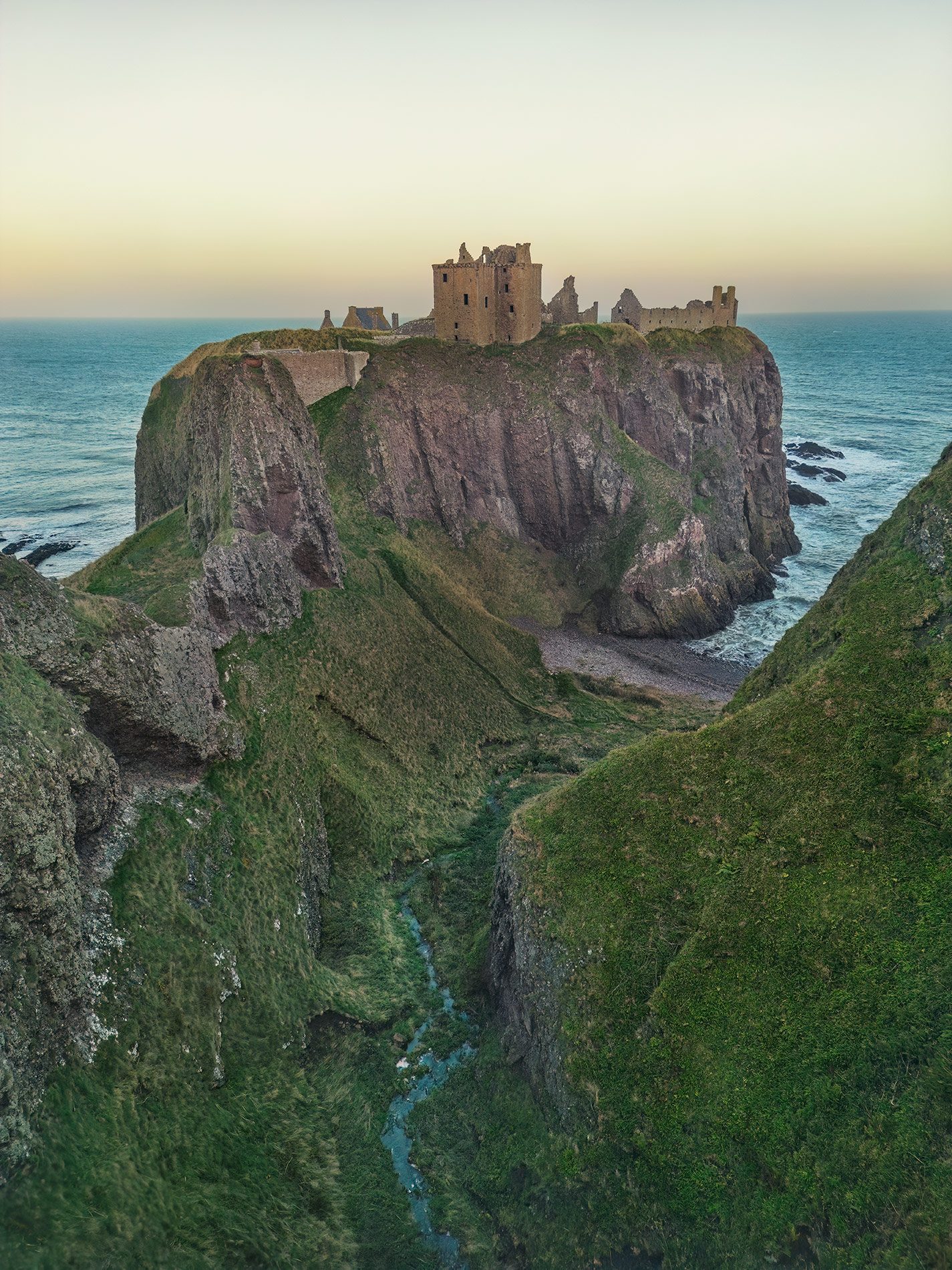
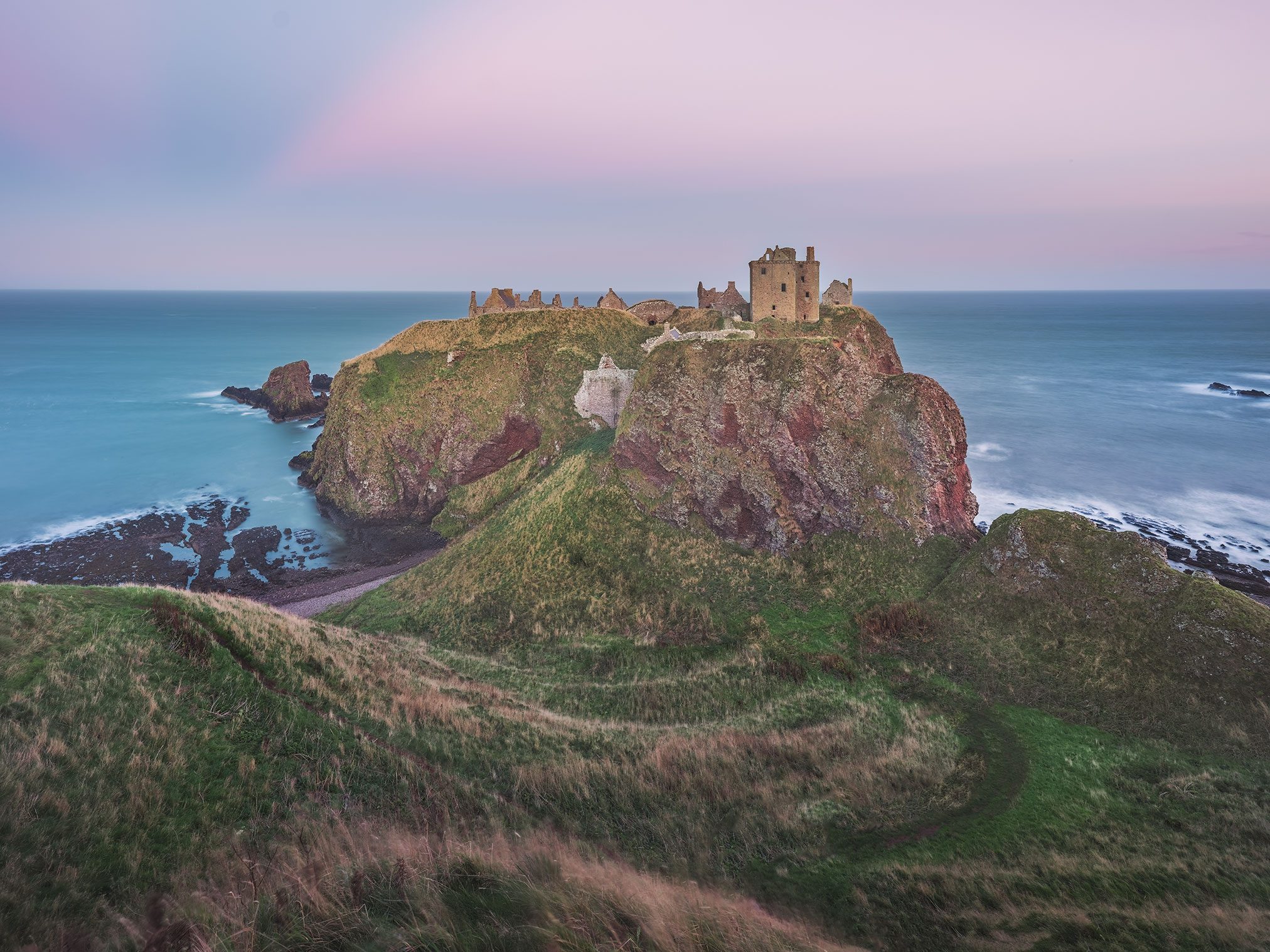
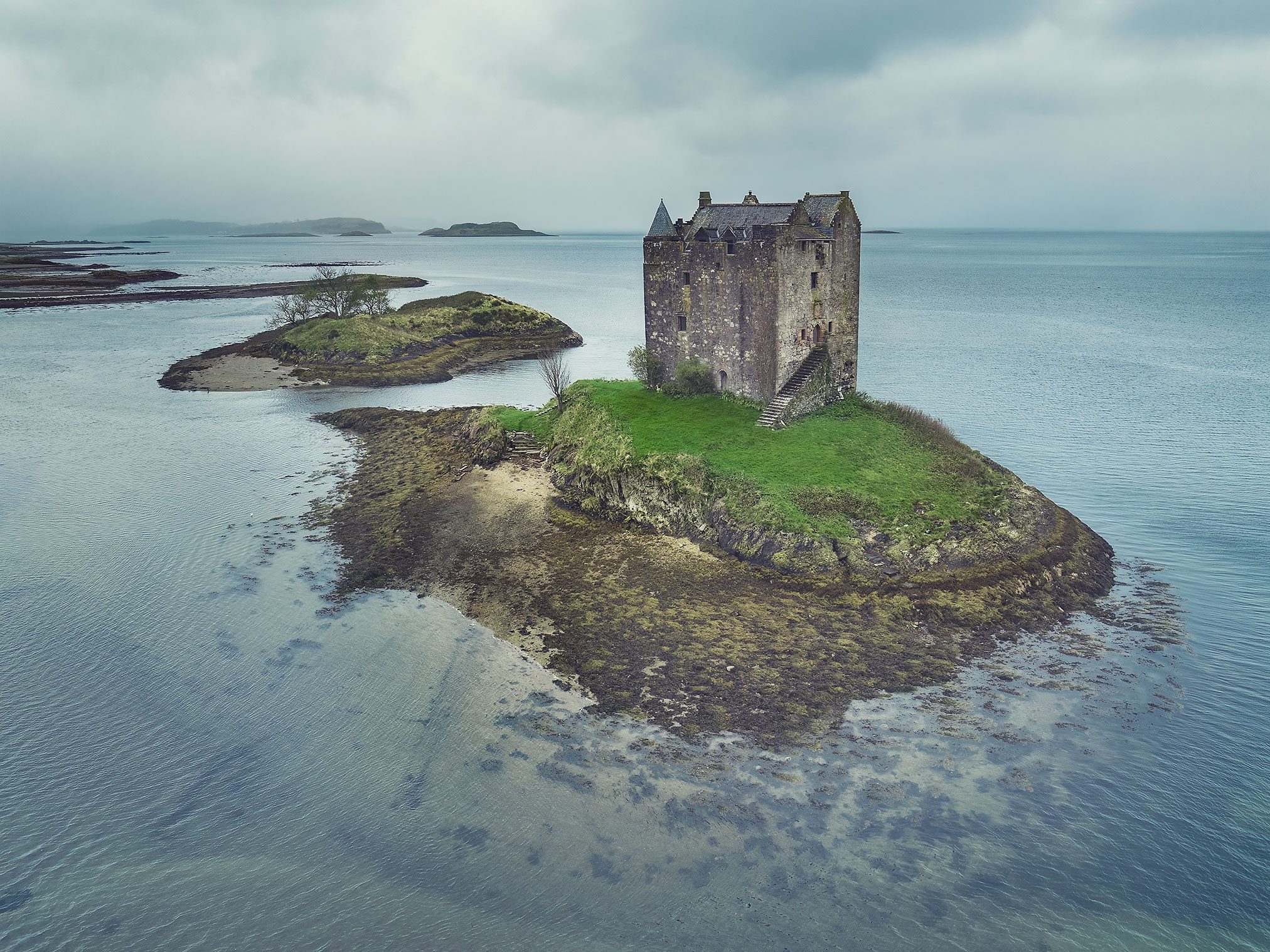
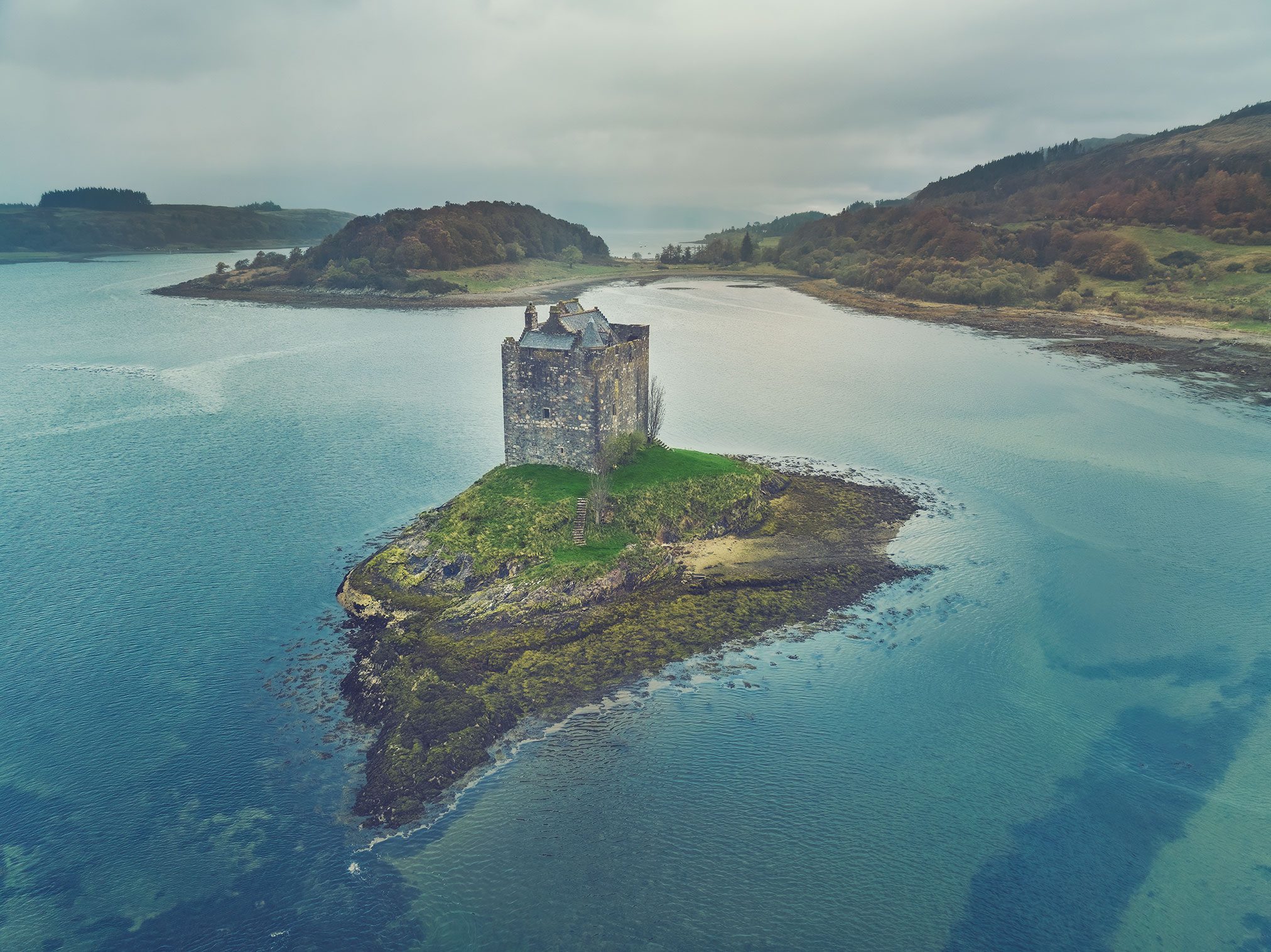
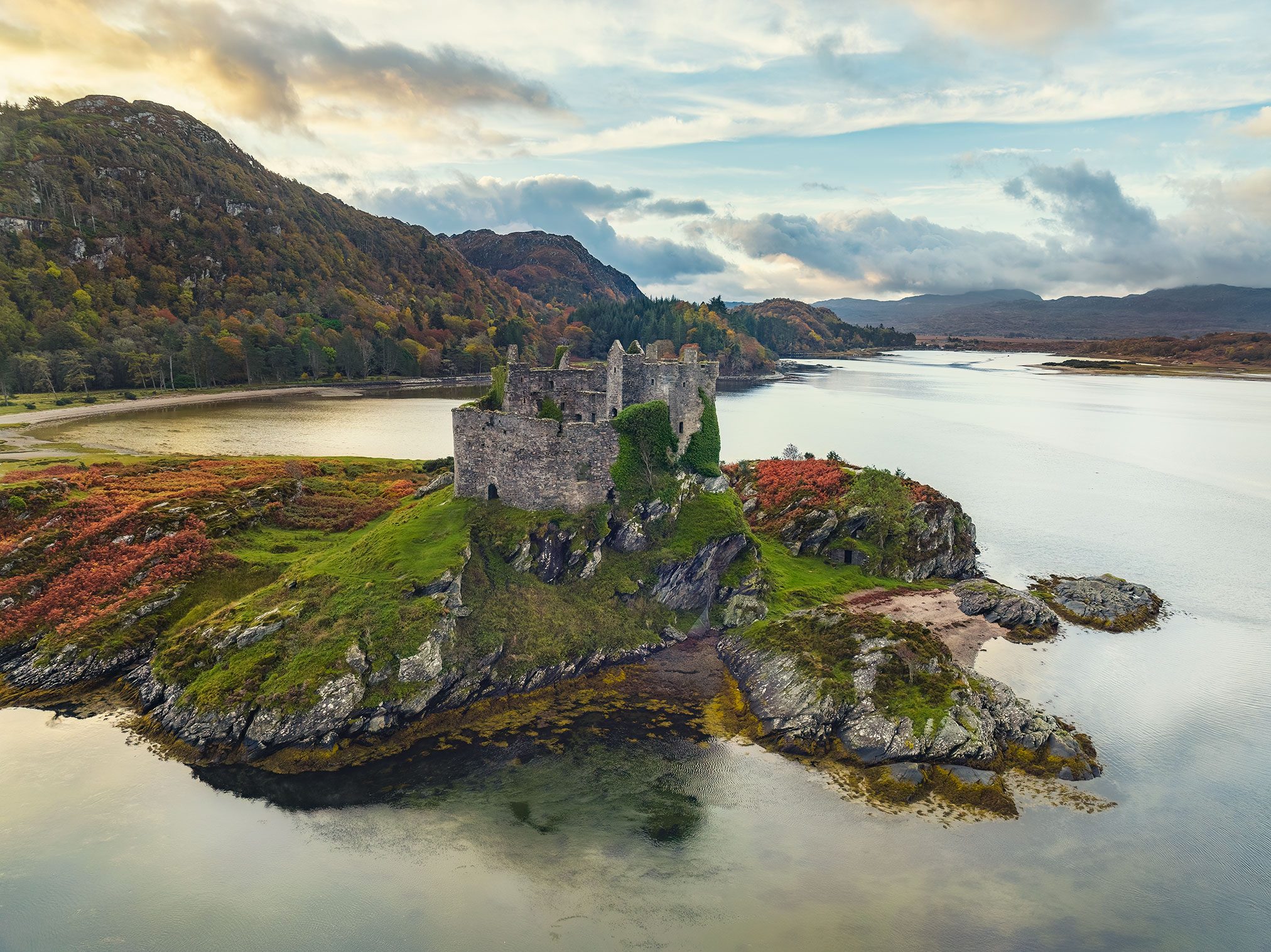
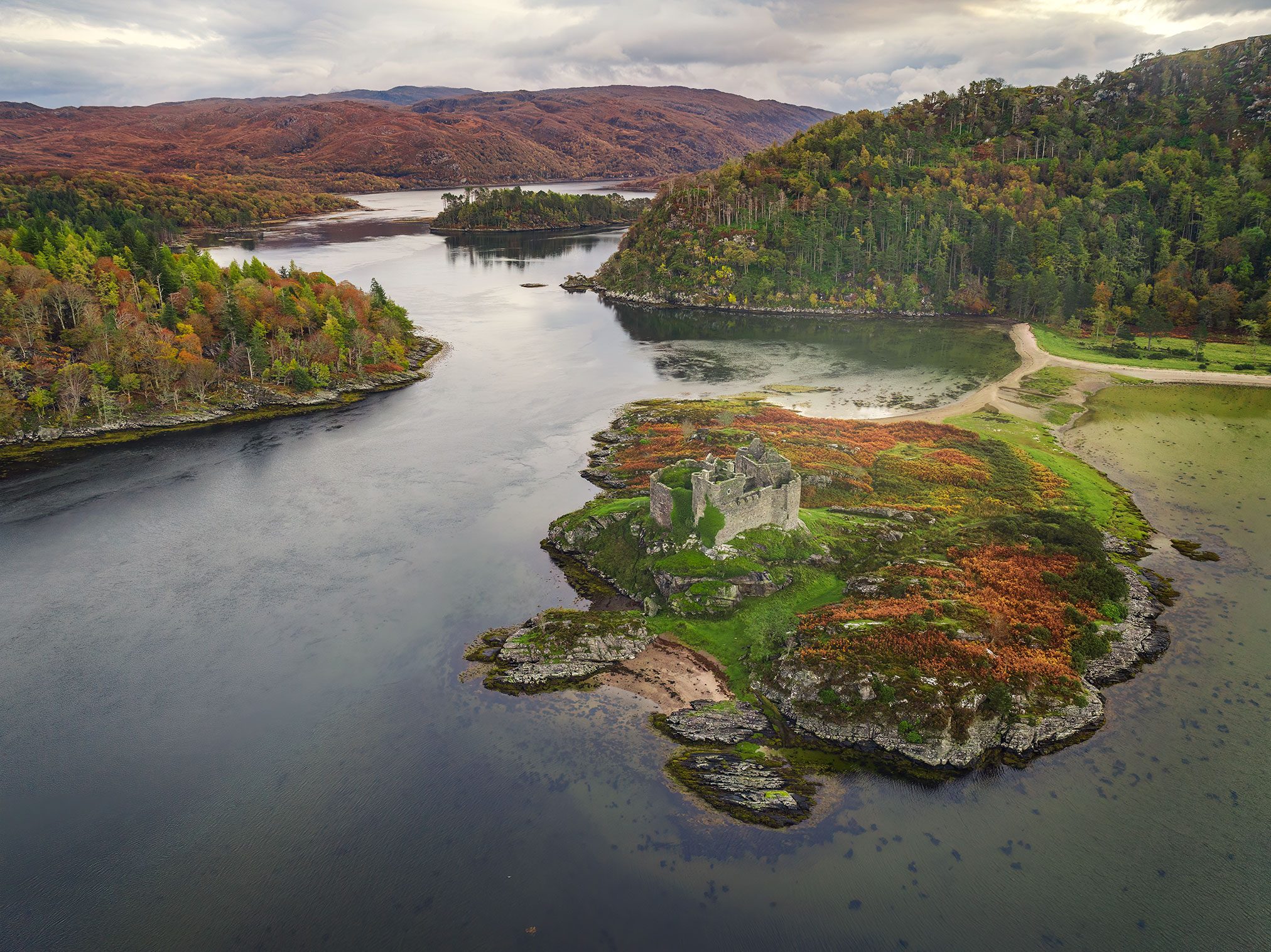
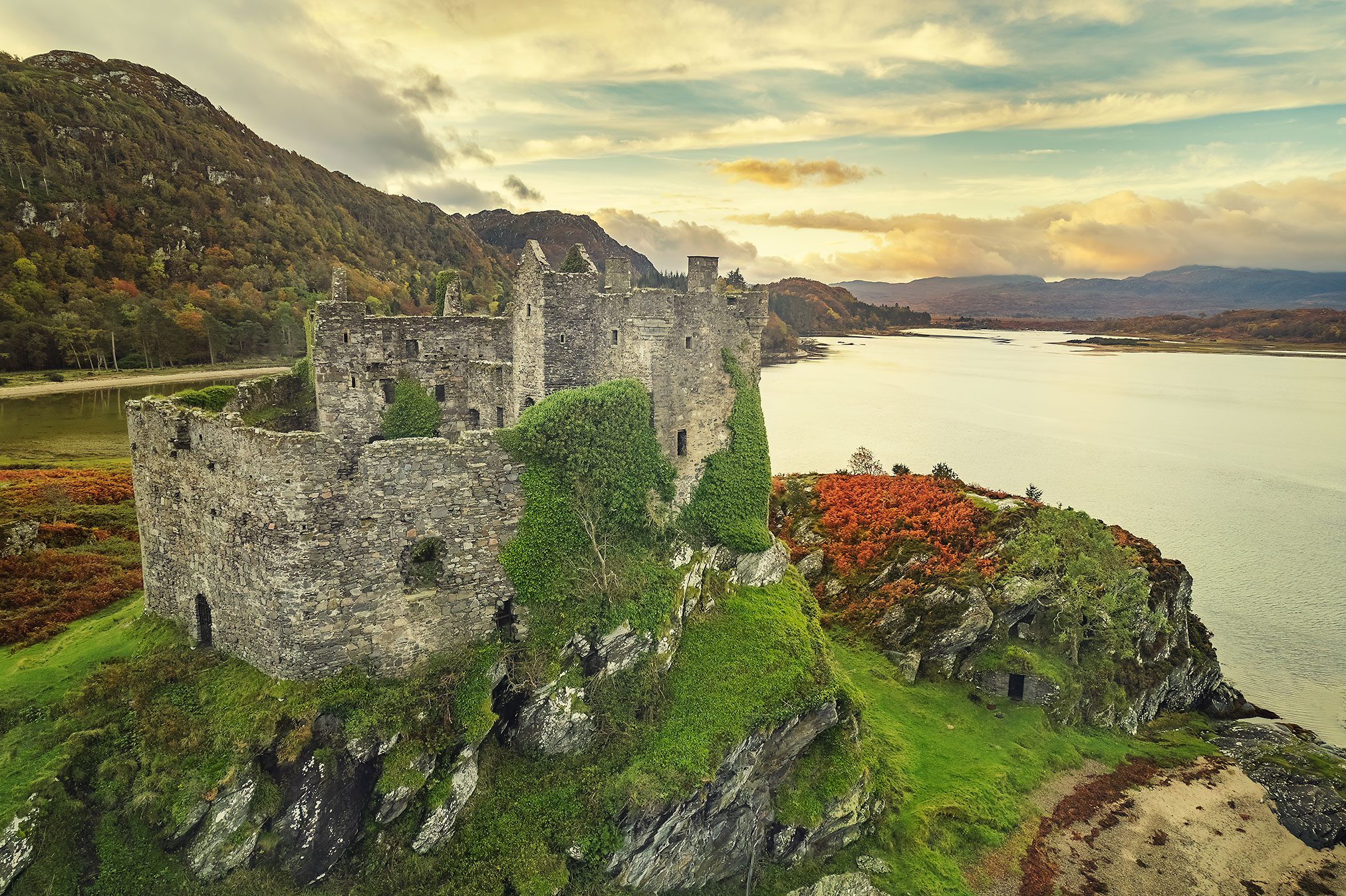
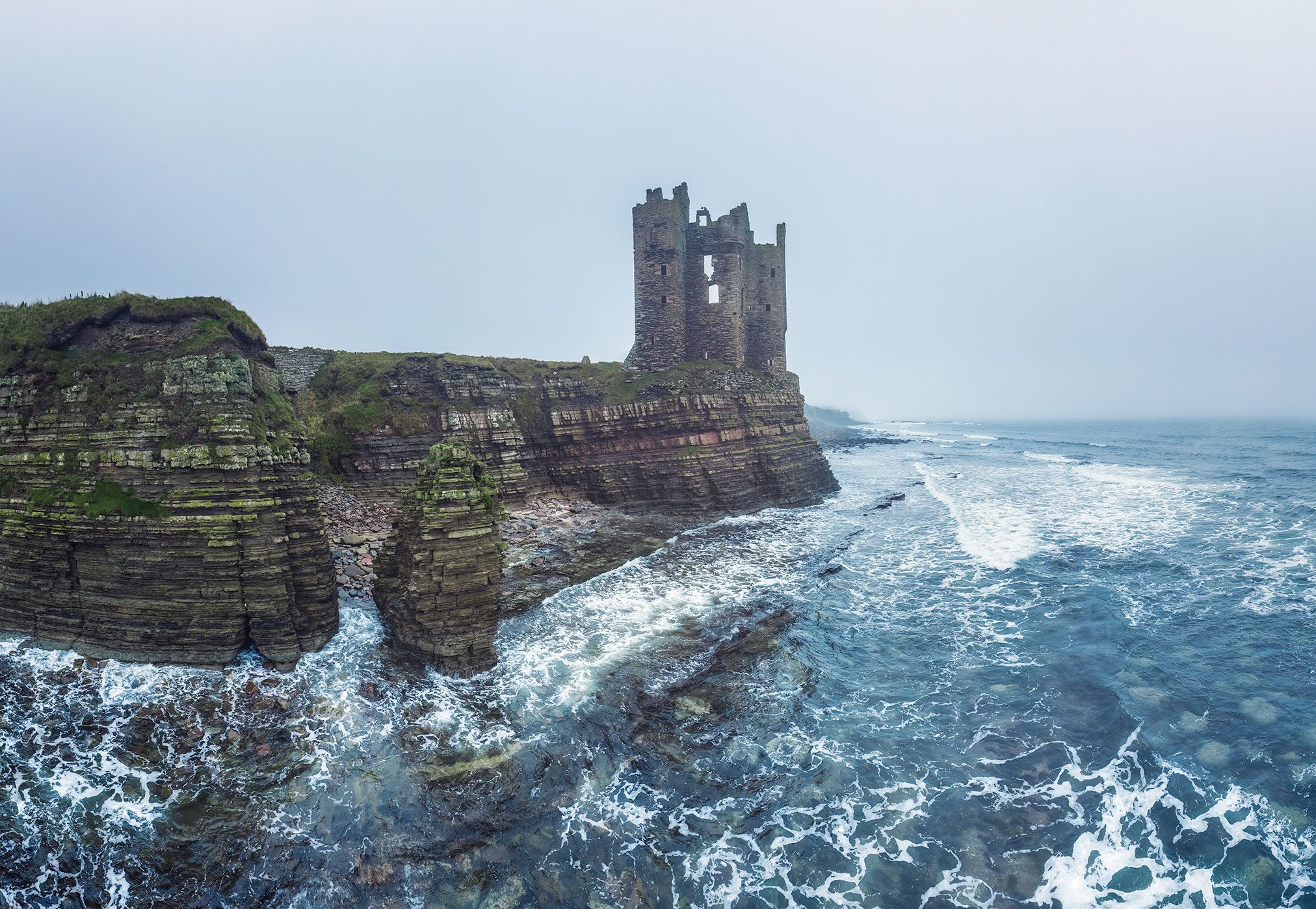
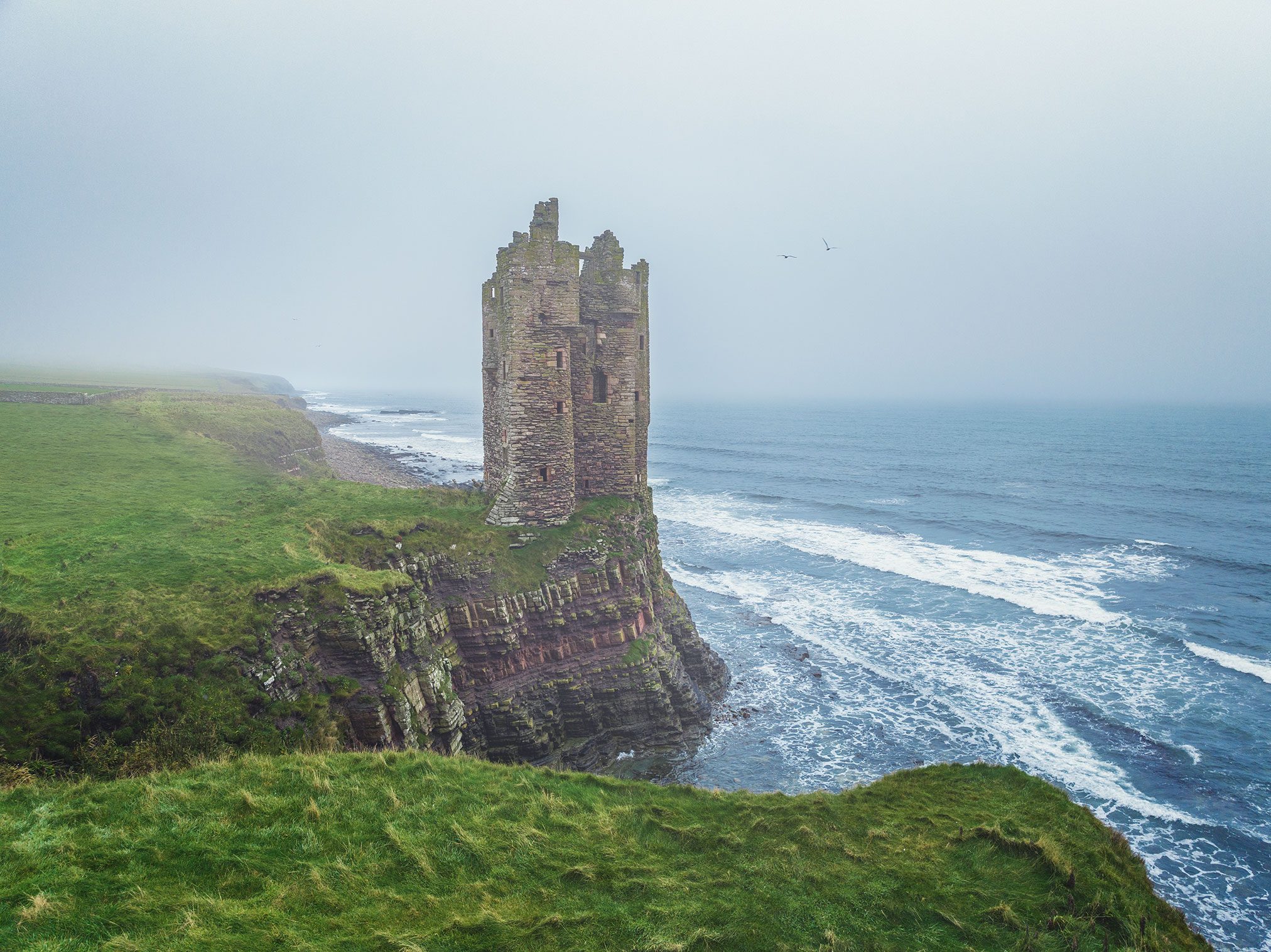
The older ruins often stand where the land ends. Kilchurn Castle on Loch Awe was built in the mid-fifteenth century and abandoned at the end of the eighteenth. Dunnottar Castle near Stonehaven, whose keep dates from 1392, was sold and stripped after the rising of 1715. Castle Stalker was built around 1446 on a small tidal island, lost its roof in the nineteenth century and was rebuilt by a family from 1965. Castle Tioram in Loch Moidart, whose curtain wall probably dates from the thirteenth century, burned in 1715.
The golden autumn
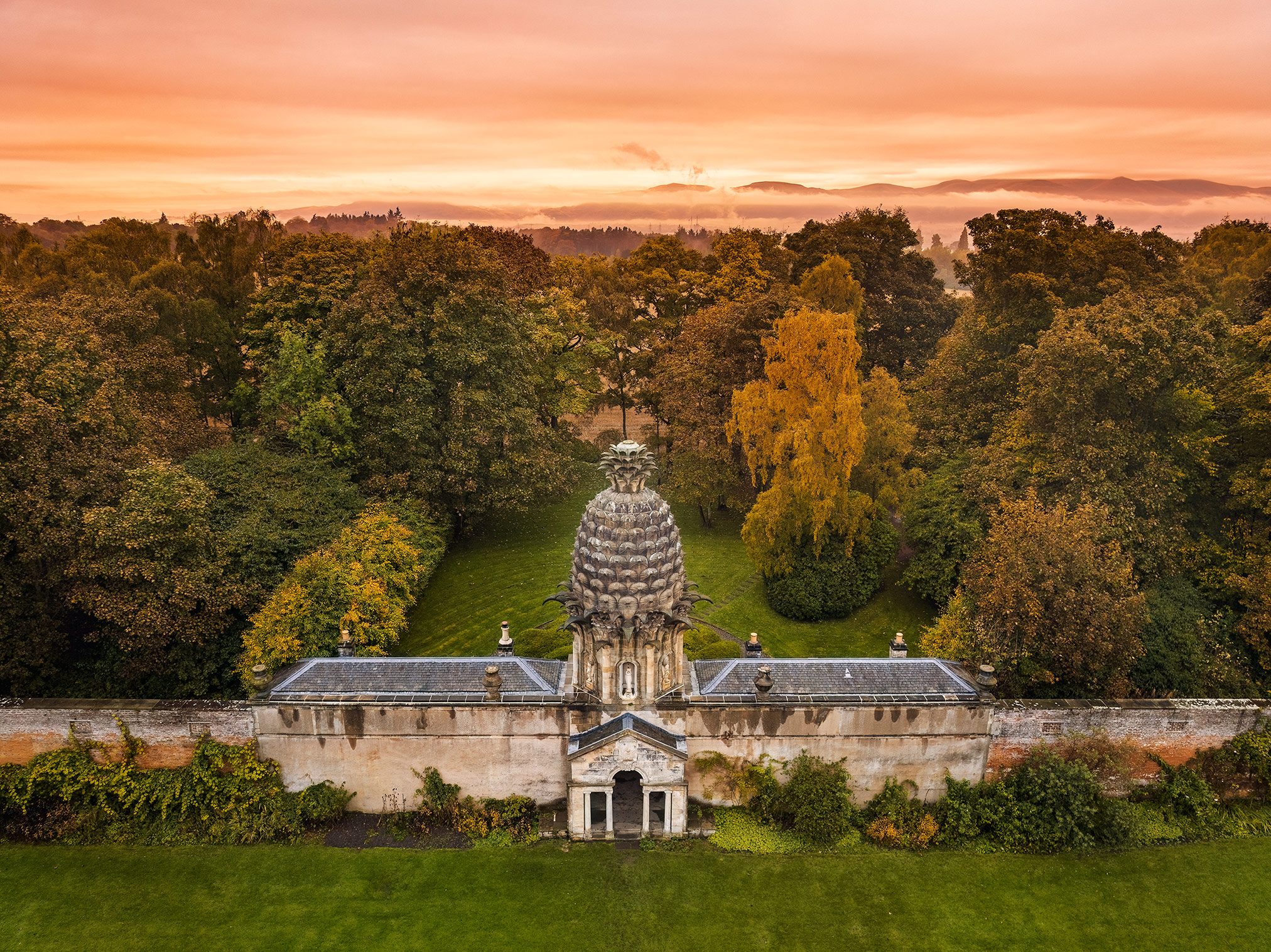
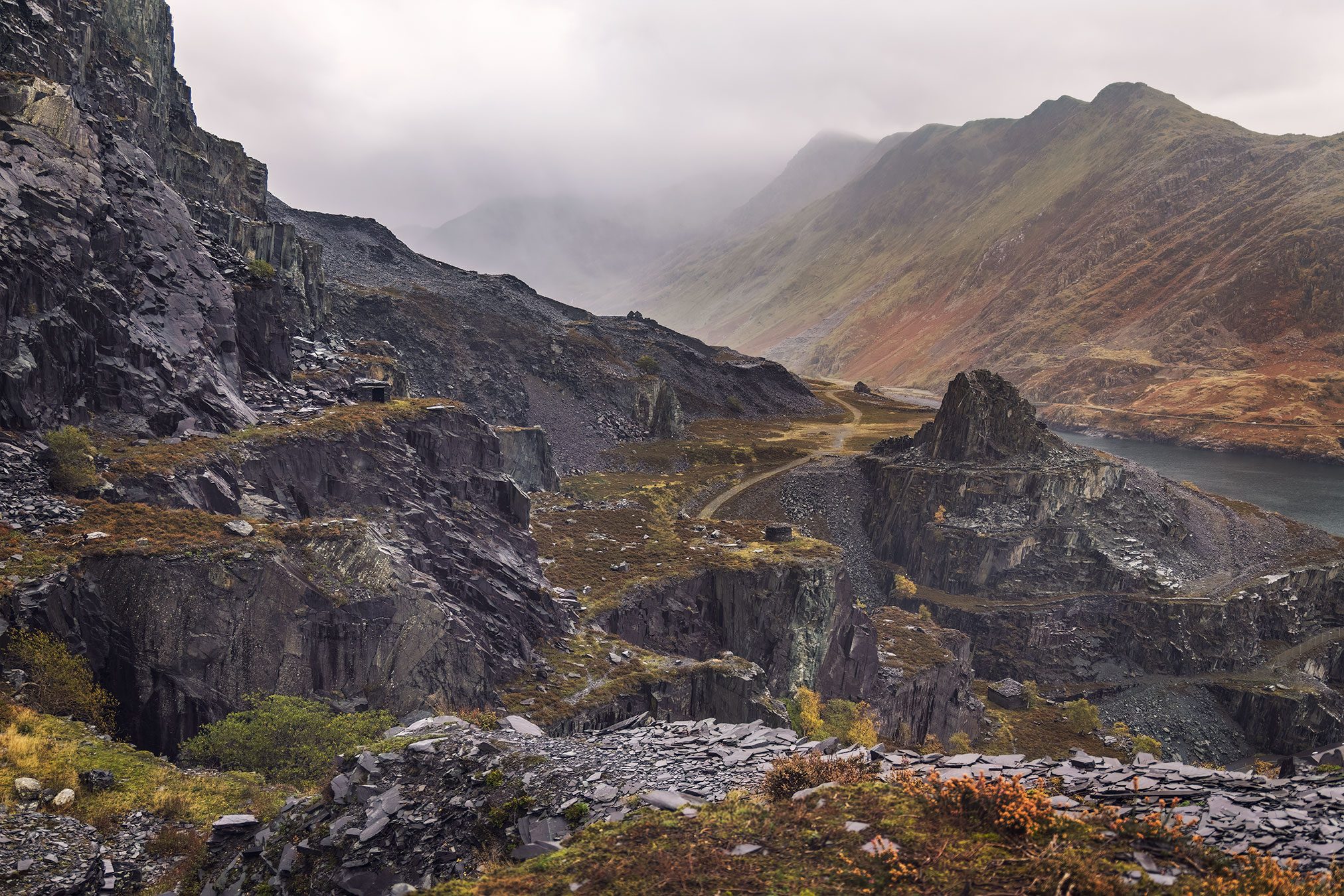
The time of year had to be one of the most intense. Golden autumn had arrived, and the colours did indeed surpass every expectation. Then there is the almost constant change between mountains, lochs and the sea. My route led from the southernmost Lowlands through the east and the Highlands to the far north-east, where nature becomes ever more barren and rugged, and back along the west coast past the Isle of Skye.
I am not sure whether I had ever before covered such distances while meeting so few people. In return I now know that it must be unbelievably lovely to be a sheep in Scotland. I suspected there were considerably more of them than inhabitants, and the statistics bear me out: in June 2026 the country counted 6.5 million sheep, and in mid-2025 about 5.5 million people.
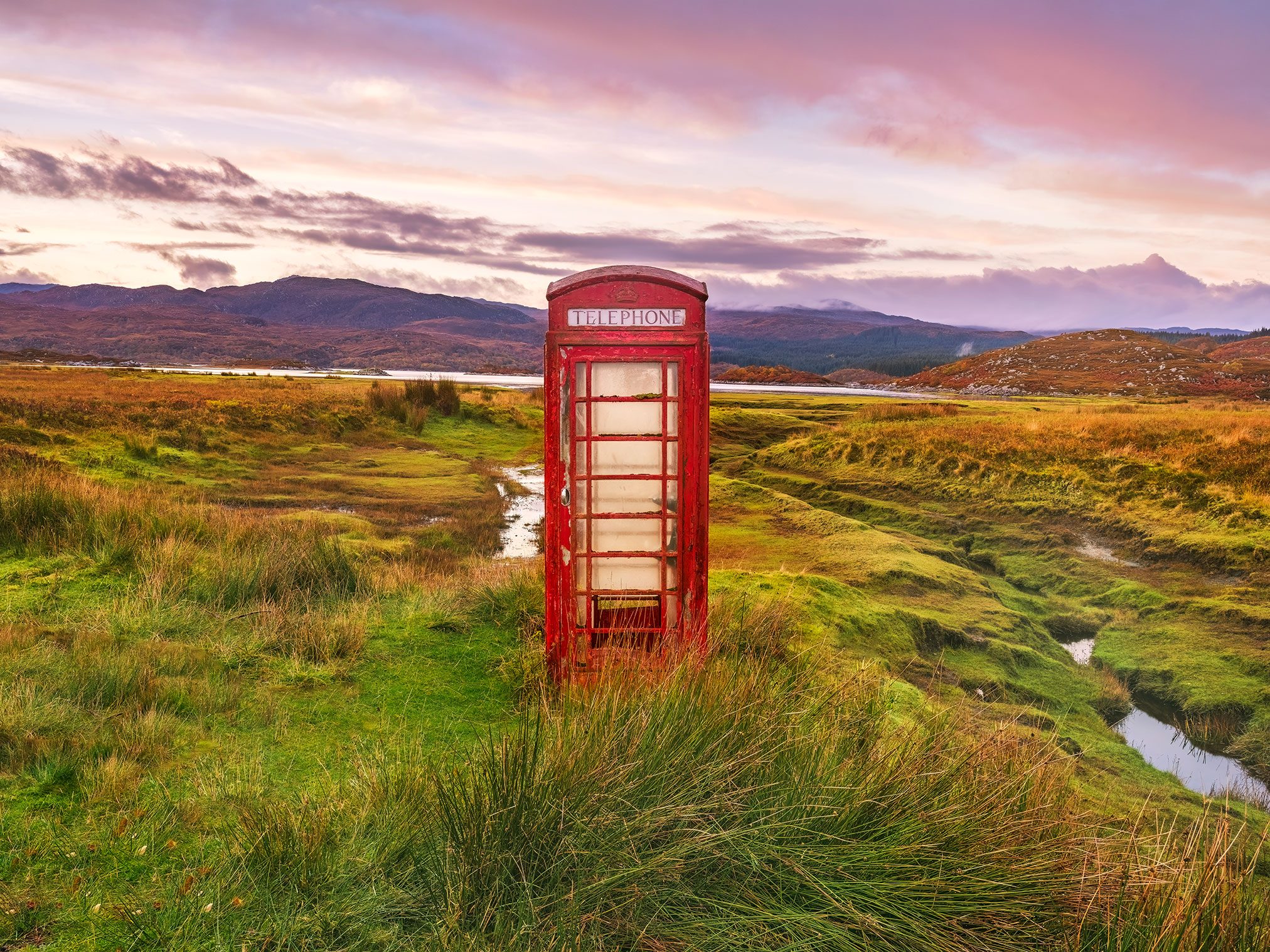
The forester and the harvestmen
The people deserve a special mention, for I had never before met with such sincere and genuine warmth, friendliness and readiness to help. Whenever I met someone, we fell into conversation at once. A quirky forester explained the best, often long, walk to the castle ruin I was looking for, with funny anecdotes along the way, while large harvestmen ran not only across his face but, undisturbed, through his mouth as well. Almost everyone was grounded and relaxed, and everyone had an unhurried moment to spare.
I left busy places such as Fort William behind as quickly as I could, for only a few miles further on I was happily without people again.
At one with the land
What brought me even closer to the country was the way of travelling I had chosen. I wanted to experience Scotland as genuinely and closely as possible and deliberately spent the nights not in cosy hotels but out by the landmarks and ruins I was photographing: in the evening a good glass of single malt in a lonely bay or in the mountains, in the morning the first coffee with the ruin before me in the first and finest light of day. Absolute simplicity without the comforts of home, and I missed nothing. At one with the land, unfiltered and in all its splendour.
For almost the whole journey Scotland put a smile on my face, and I can hardly wait to return.
Scotland is one of the twelve countries in my book VERGESSENE PRACHT, published by Frederking & Thaler in 2023.
The pictures
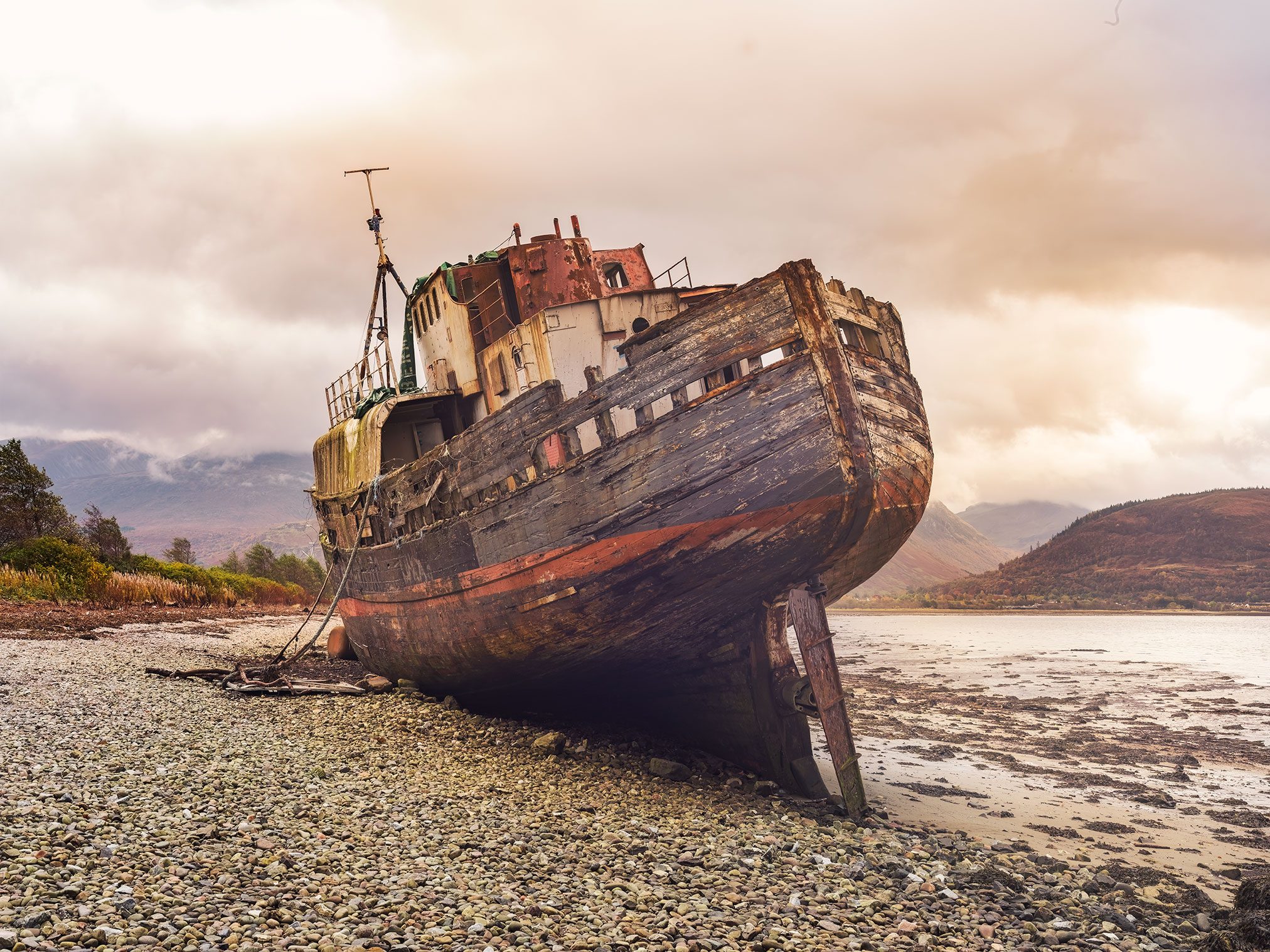
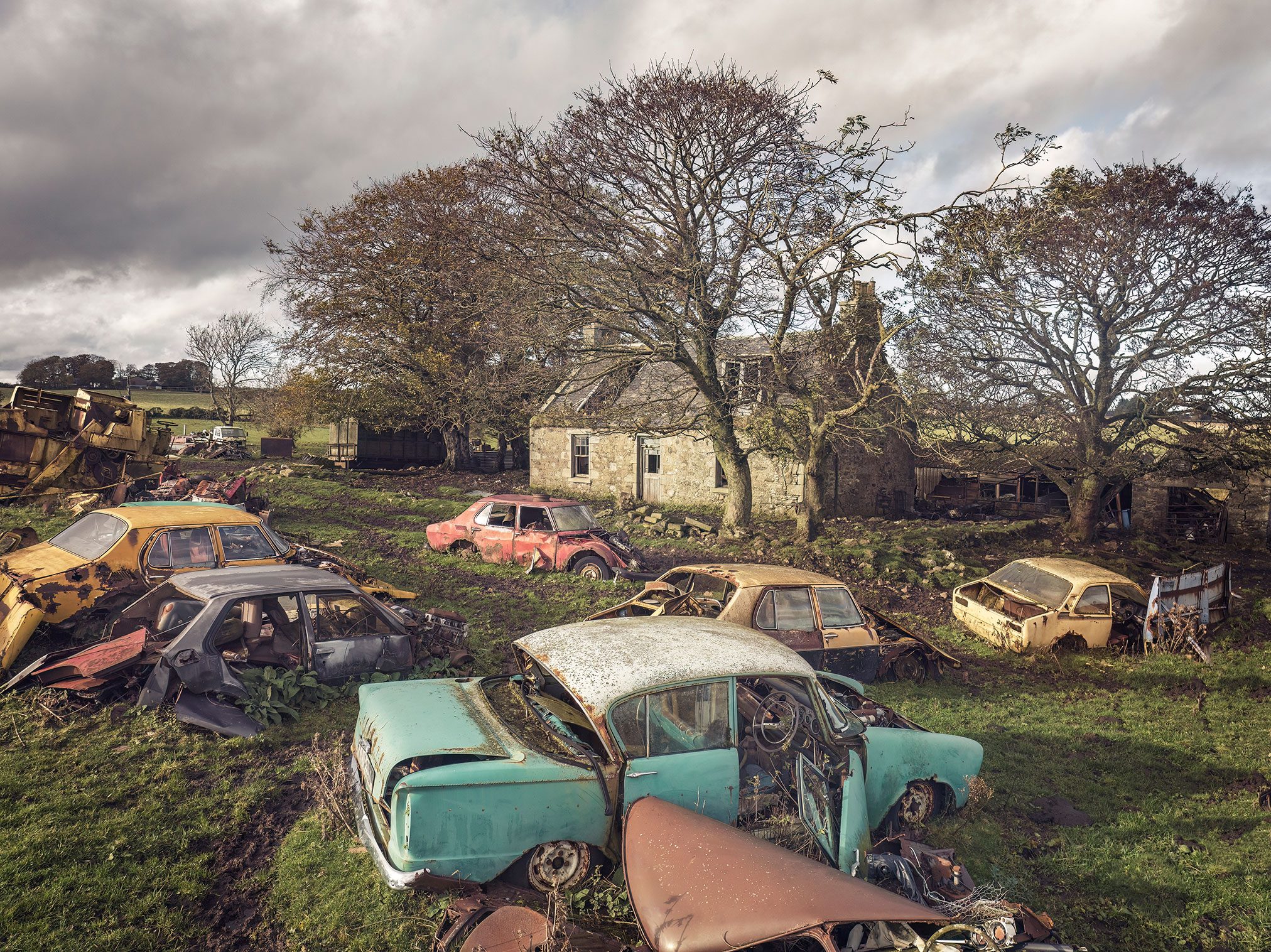
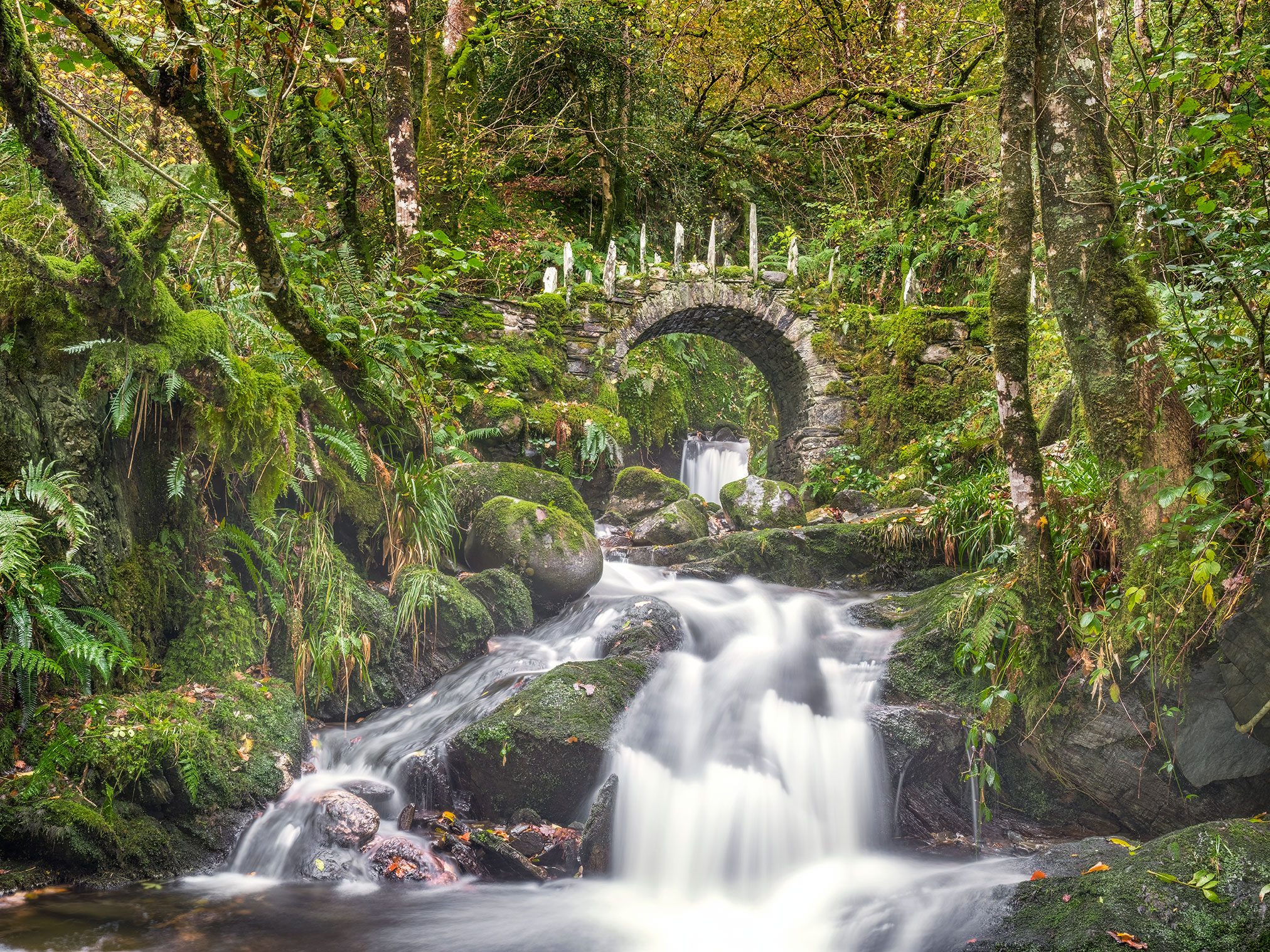
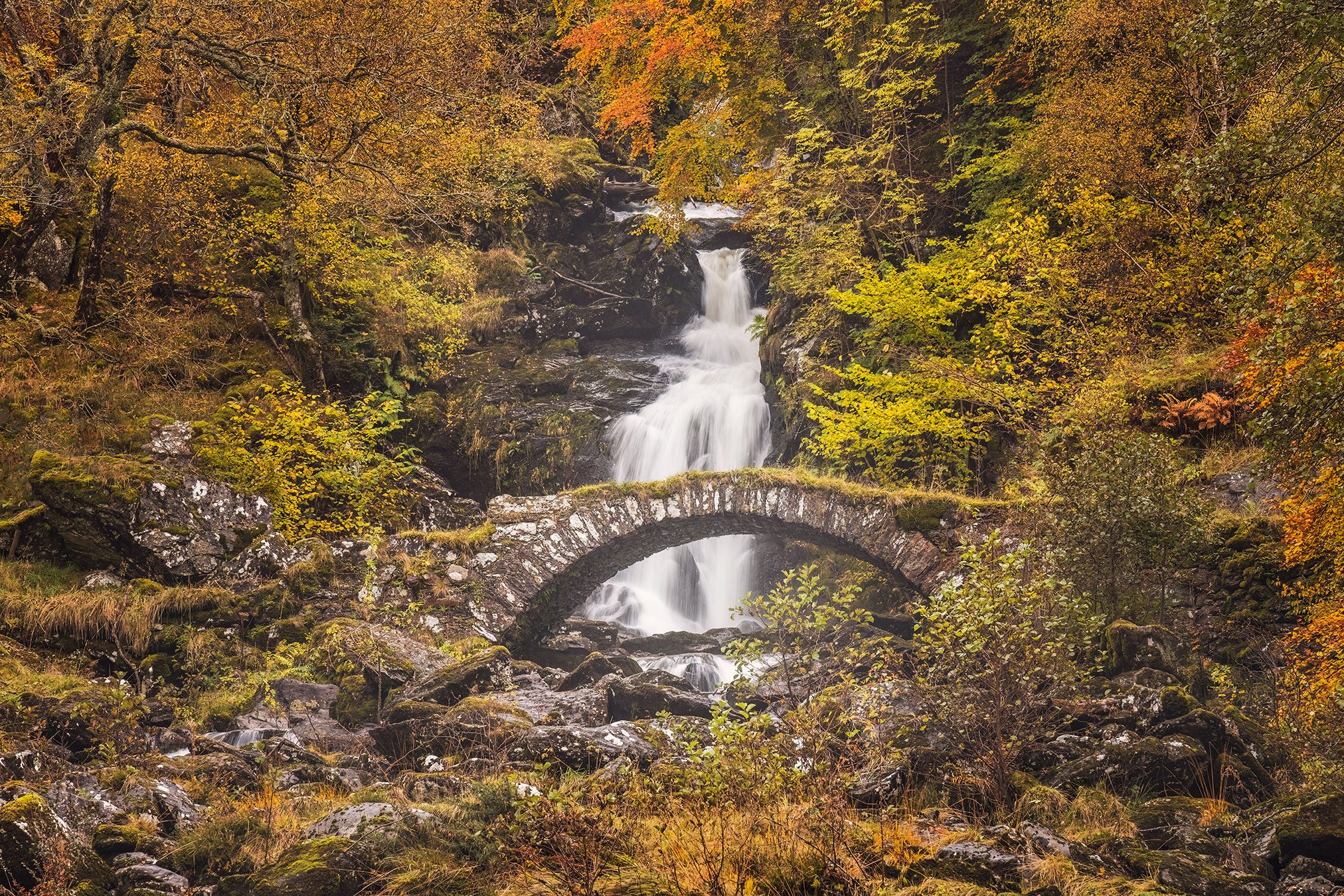
Photographs from Scotland from the series RUINS AND REVERIE, MY HIDING PLACE, FORGOTTEN VIEWS and others.
-
-
-
-
-
-
-
-
-
-
-
-
-
-
-
-
-
-
-
-
-
-
-
-
-
-
-
-
-
-
-
-
-
-
-
-
Sources and further background
This story draws on the following sources.
- Historic Environment Scotland: Review of the Buildings at Risk Register (2024) , accessed 11. November 2026
- Scottish Civic Trust: Country Houses at Risk (2006) , accessed 11. November 2026
- Historic Environment Scotland: Buchanan Castle, LB4045 , accessed 11. November 2026
- Buildings at Risk Register: Buchanan Castle , accessed 11. November 2026
- Buildings at Risk Register: Cambusnethan House , accessed 11. November 2026
- Historic Environment Scotland: Lennox Castle, LB51594 , accessed 11. November 2026
- Historic Environment Scotland: Kilchurn Castle, History , accessed 11. November 2026
- Dunnottar Castle: History , accessed 11. November 2026
- Castle Stalker: About , accessed 11. November 2026
- Highland Historic Environment Record: Castle Tioram , accessed 11. November 2026
- Scottish Government: Agricultural Census June 2026, sheep numbers , accessed 11. November 2026
- National Records of Scotland: Mid-2025 population estimates , accessed 11. November 2026
Series
More from RUINS AND REVERIE
Related stories
All stories →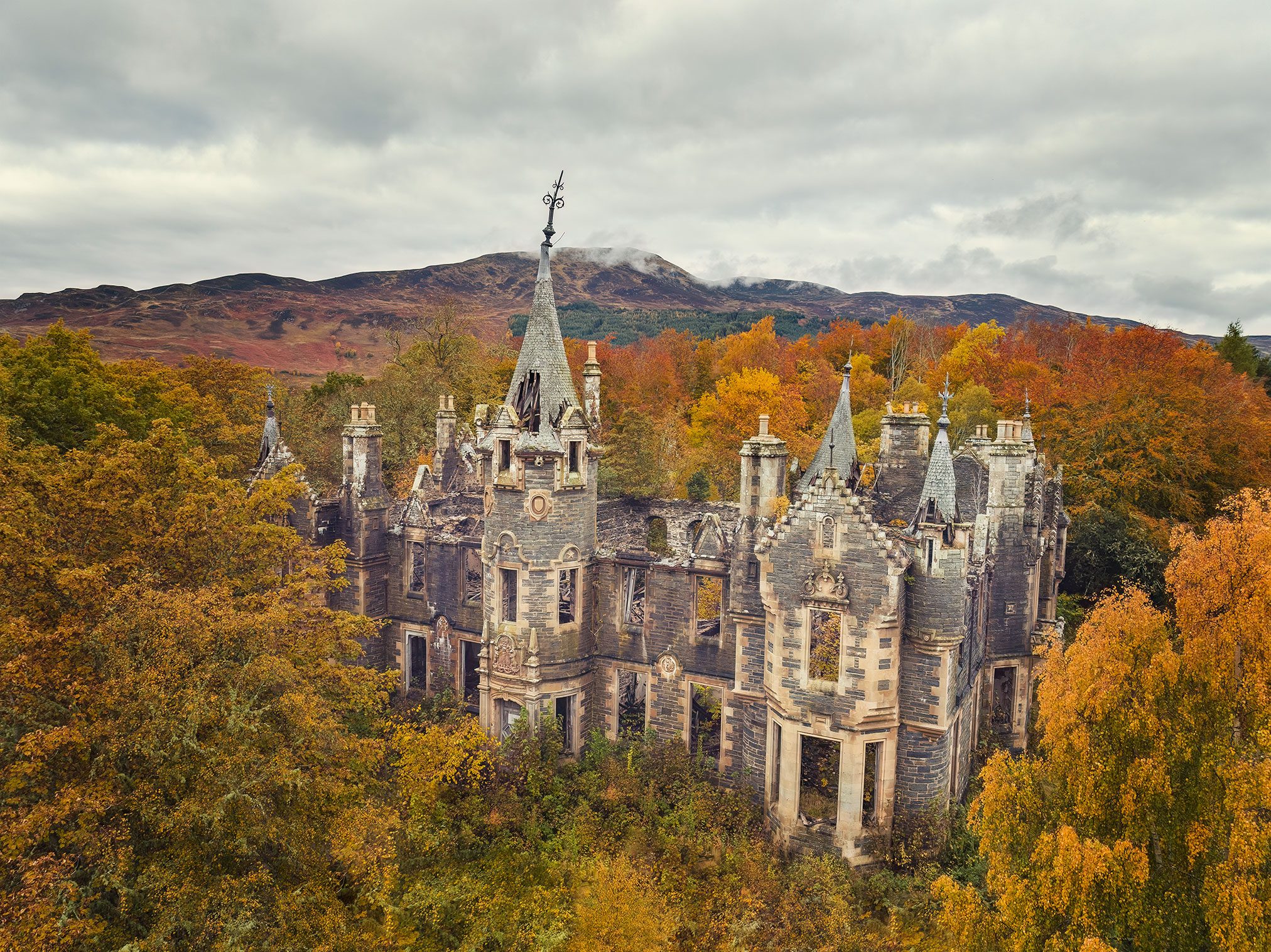
Share