


Stories · Countries and regions · Romania
Romania: Abandoned places in a wide land of contrasts
In October 2019 I travelled a long route through Romania, from Muntenia to the Black Sea and across the Carpathians into Transylvania and the Banat. I found abandoned synagogues, an imperial spa and a casino by the sea, in a country far more beautiful than its reputation.
At a glance
- Location
- Romania
- Series
- SANCTUARIES OF BLISS
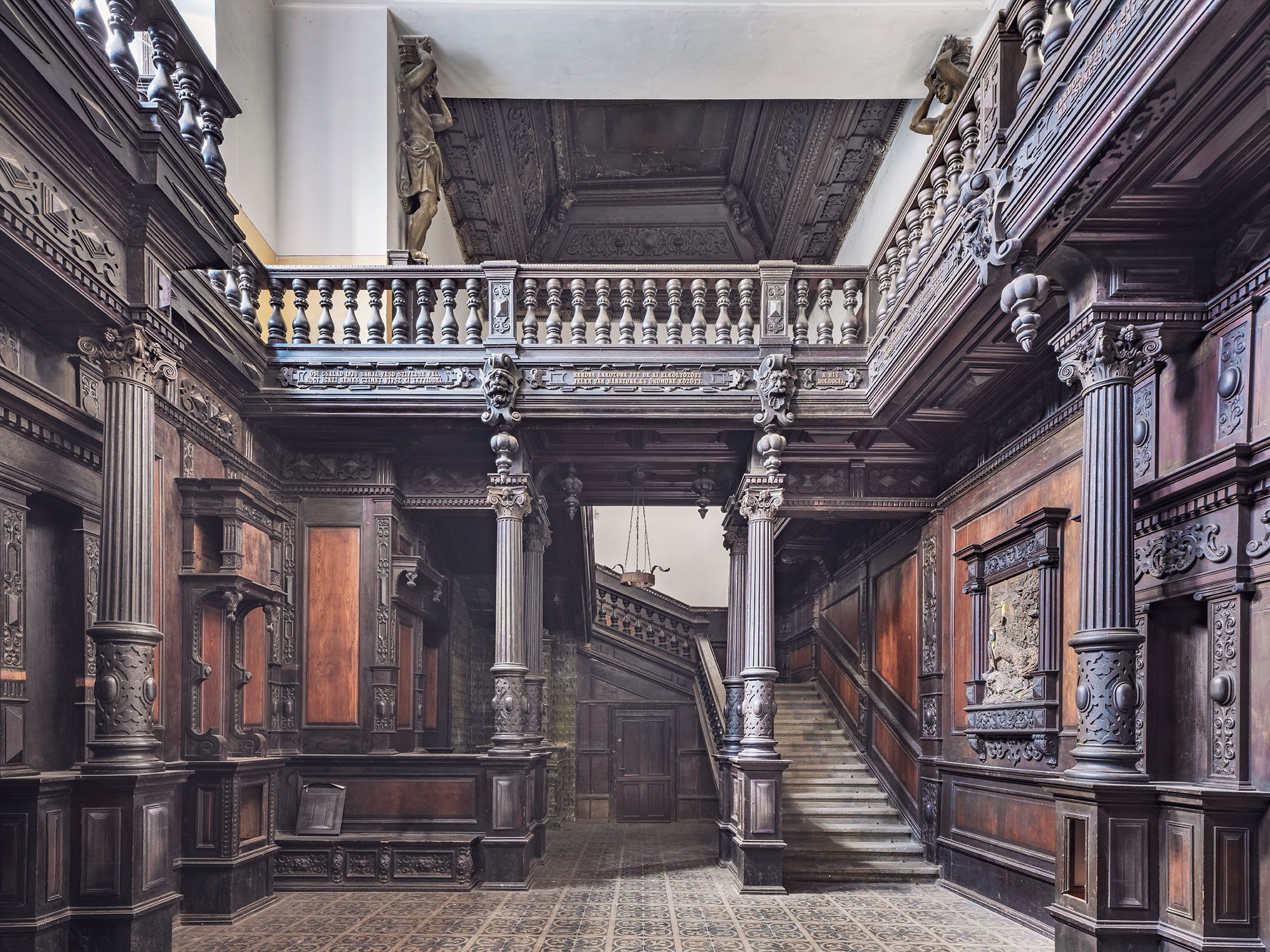
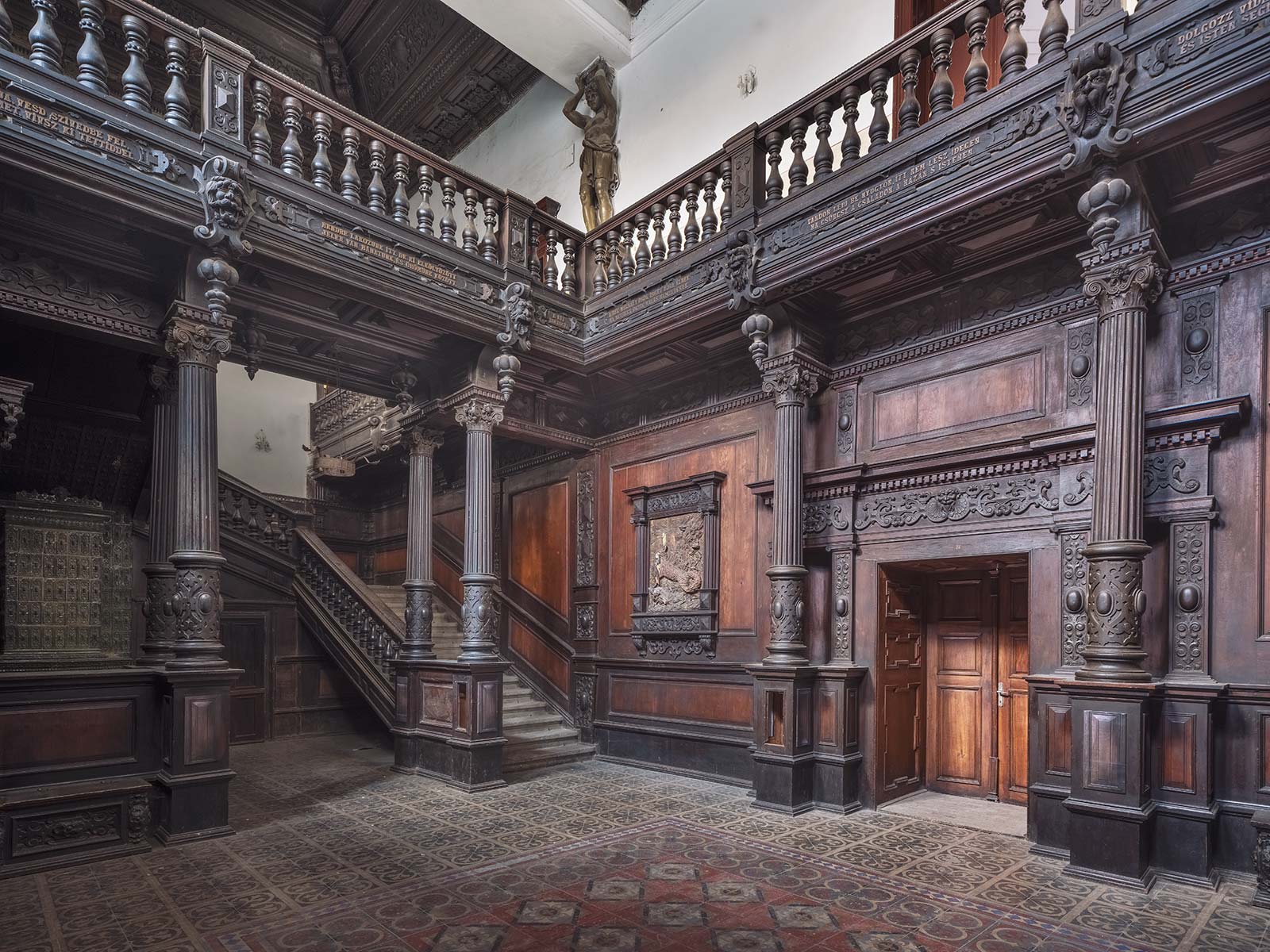
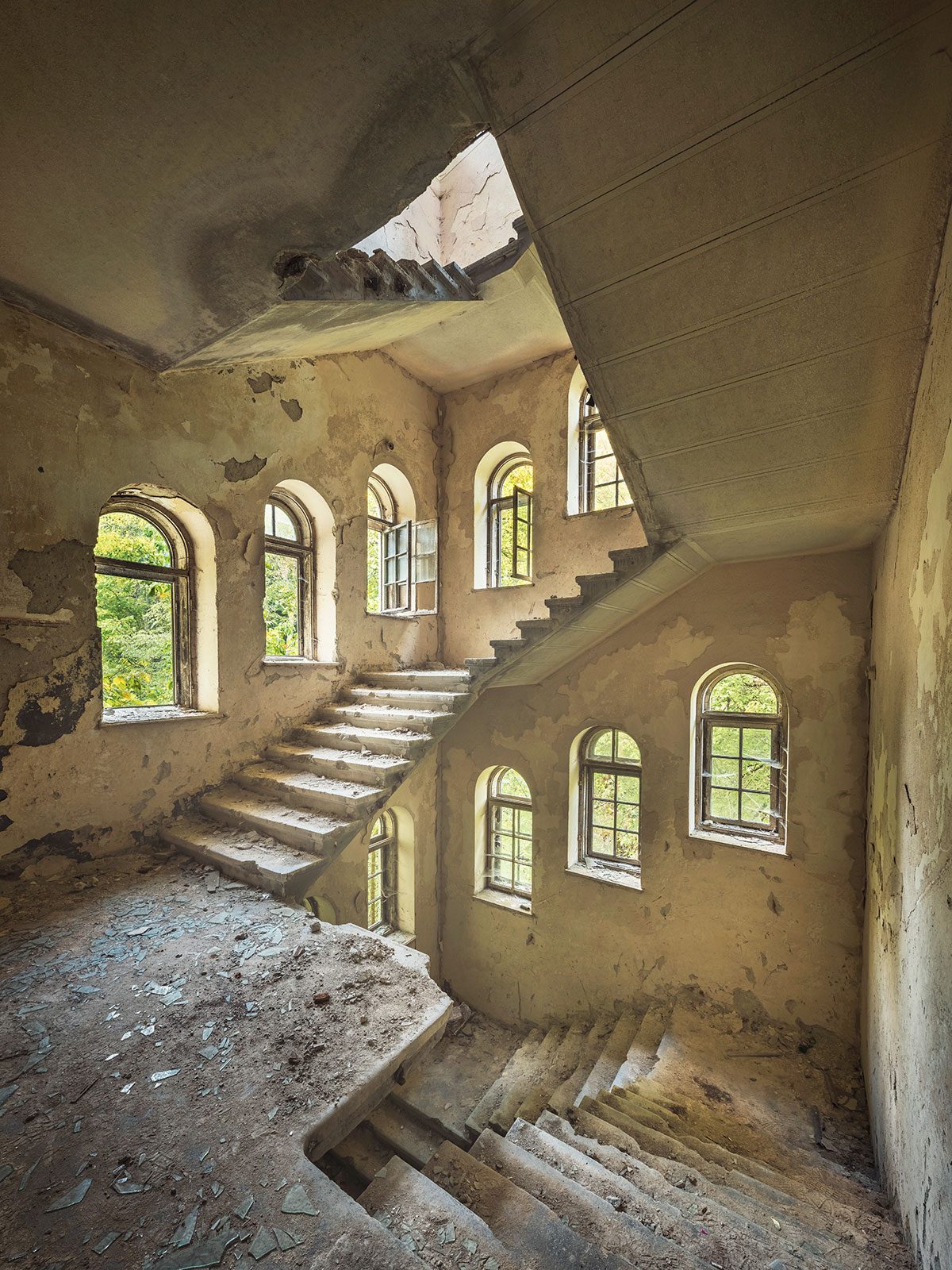
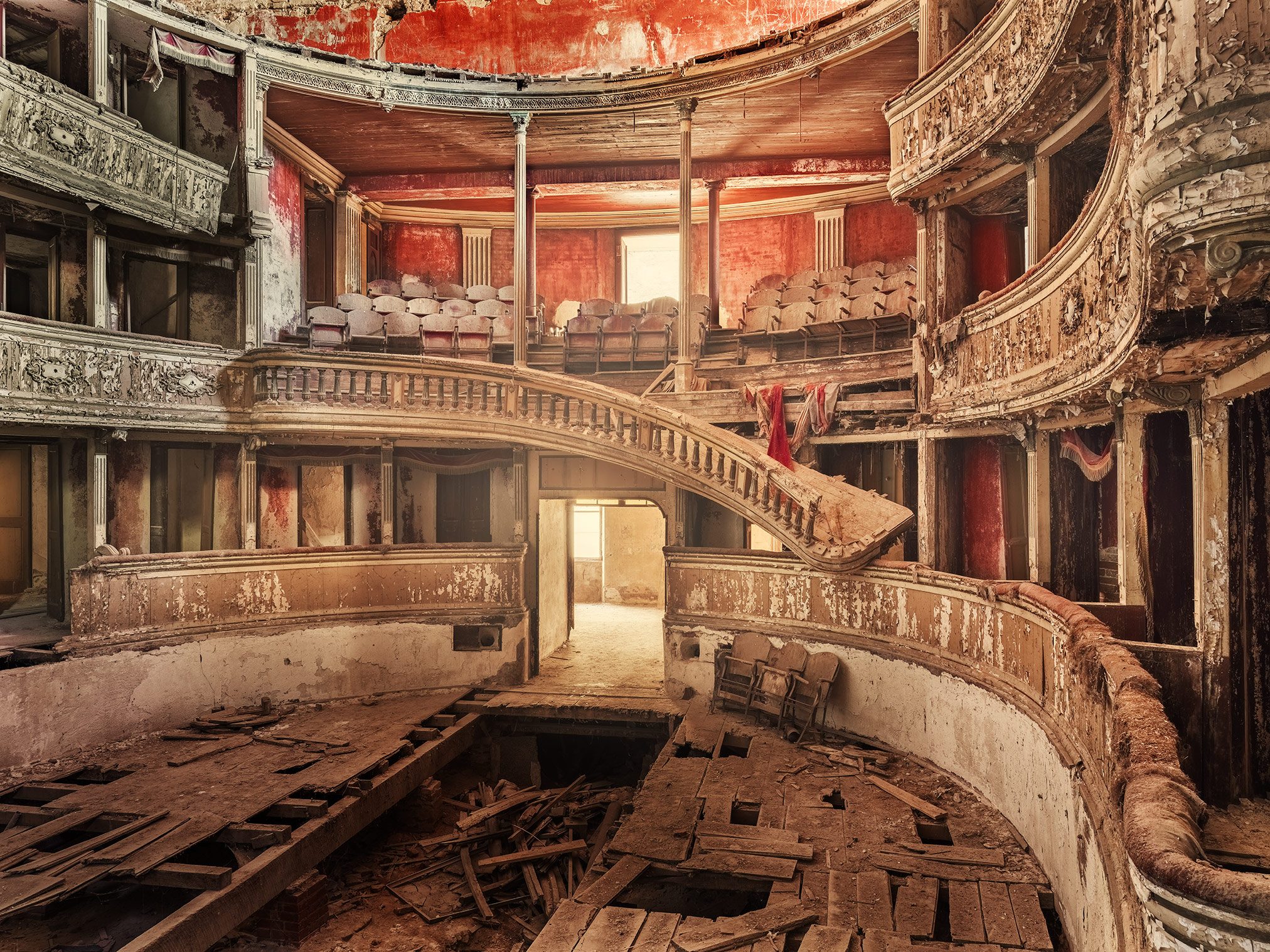
Synagogues, spa buildings, manor houses and churches stand empty in Romania, some of them for decades. Behind this lie the persecution and emigration of the Jewish population, the drift away from the countryside and out of the country and, for some buildings, unresolved ownership. In October 2019 I photographed many of these places on a long journey. Some have since been restored; others are still waiting.
A long route in October 2019
While researching before the trip I kept noticing how poor the reputation of this beautiful country is, for apart from the legends of Dracula, Romania is little known where I come from. My route began in Muntenia, Greater Wallachia, led through Dobruja to the Black Sea and then across the Carpathians into Transylvania and the Banat, before ending where it had started. I was accompanied throughout by magnificent nature, in mountains, uplands and plains, and time and again by castles along the way. Only the southern part below Bucharest was rather bleak.
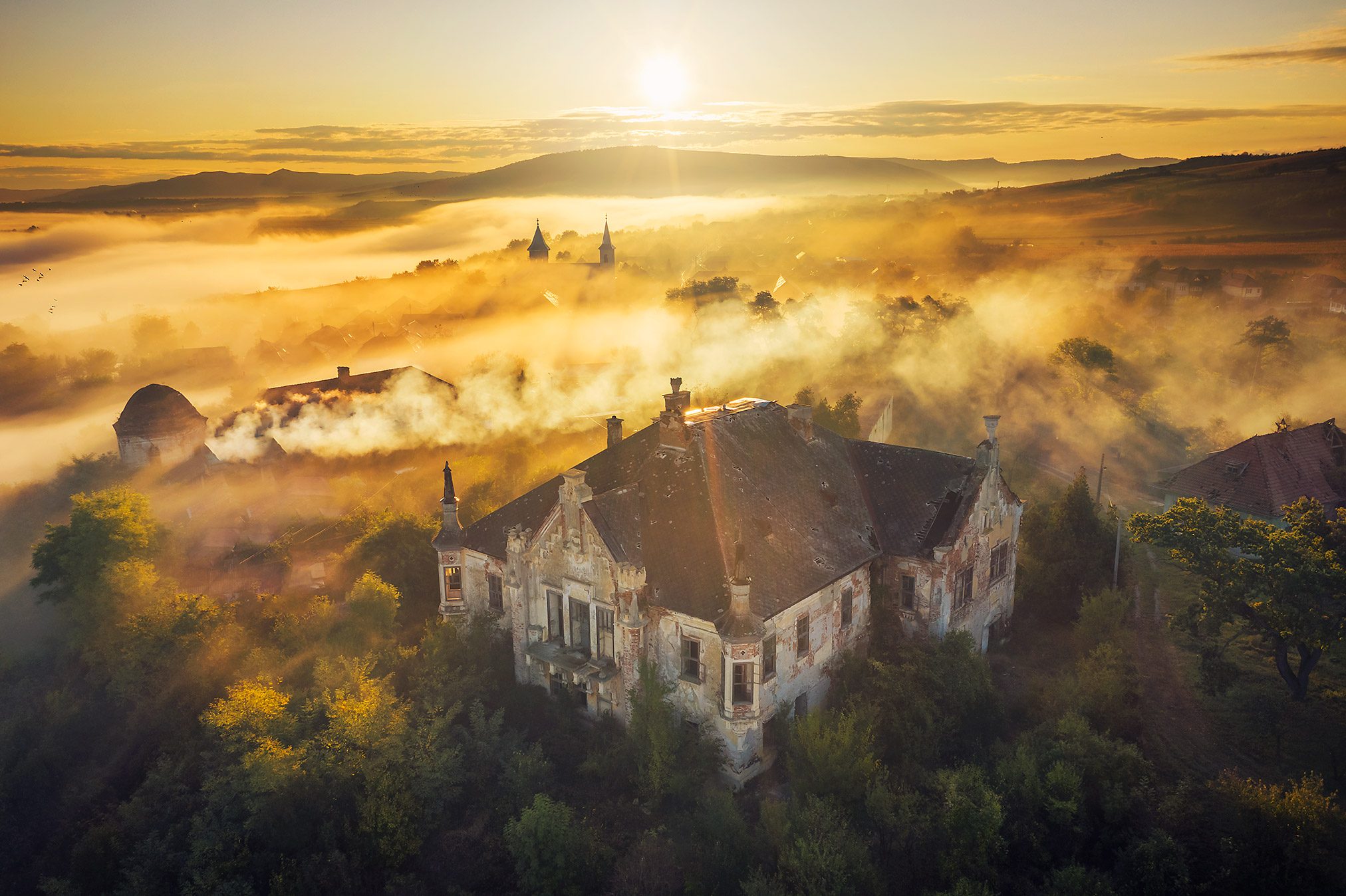
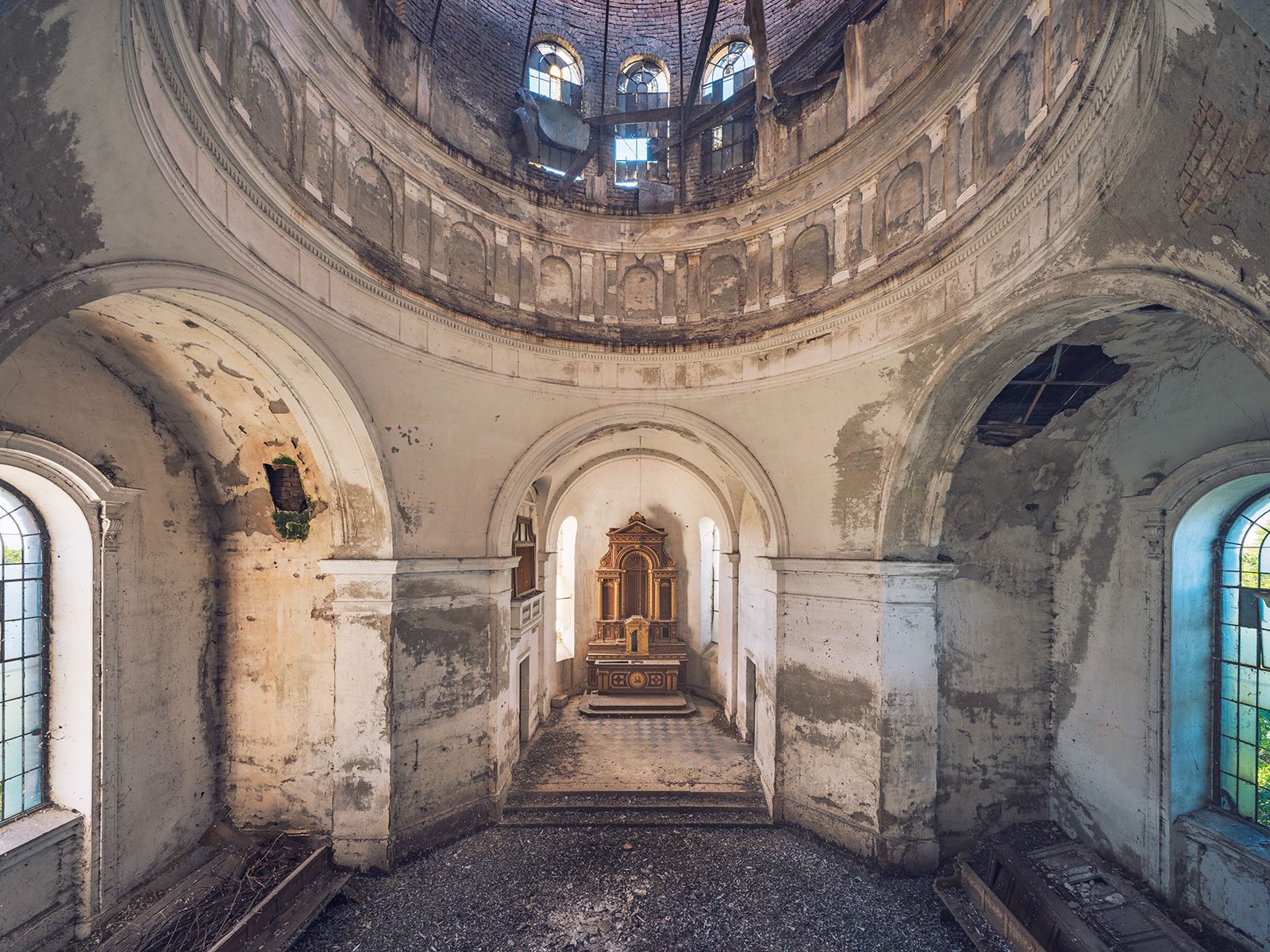
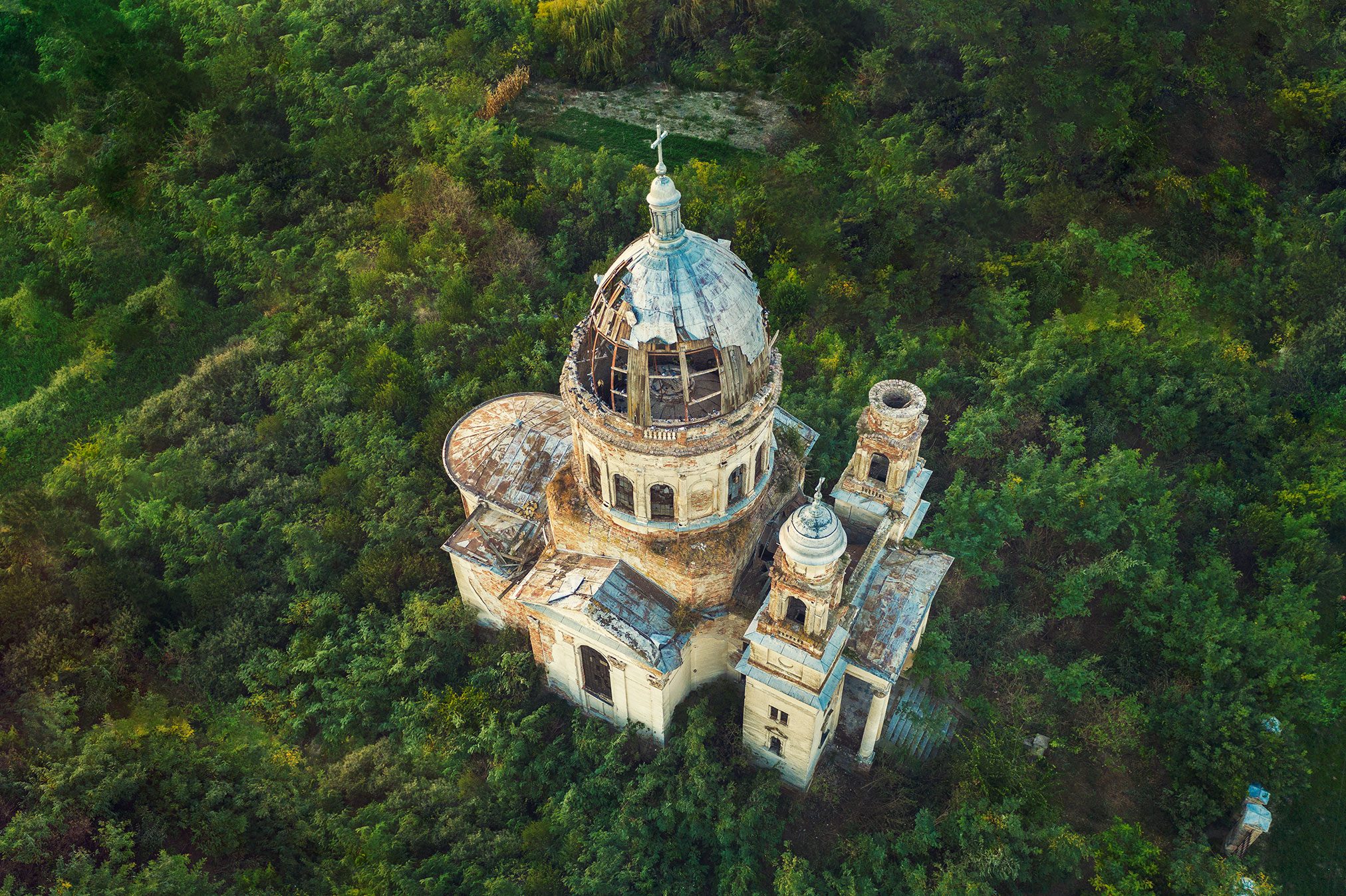
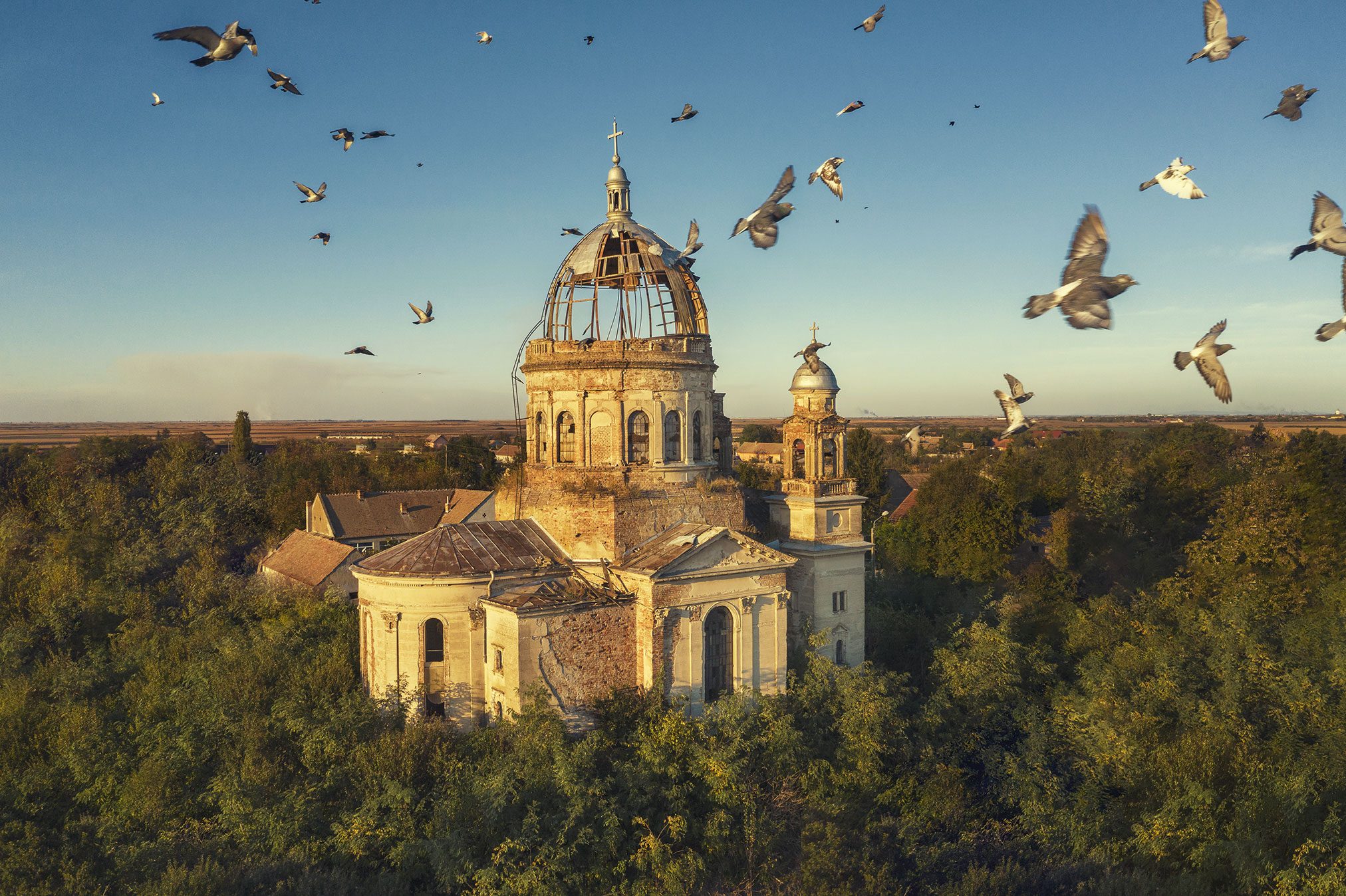
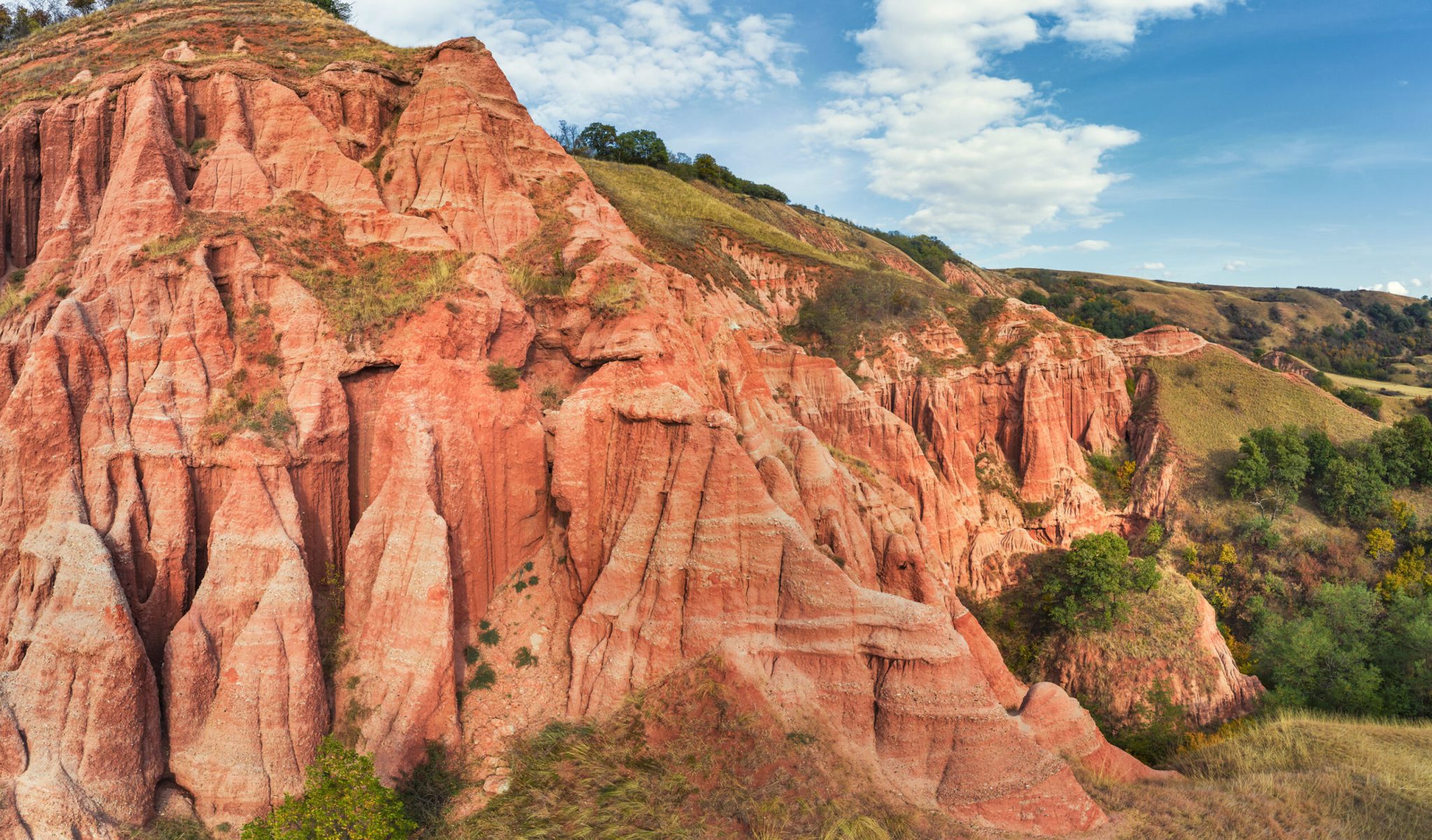
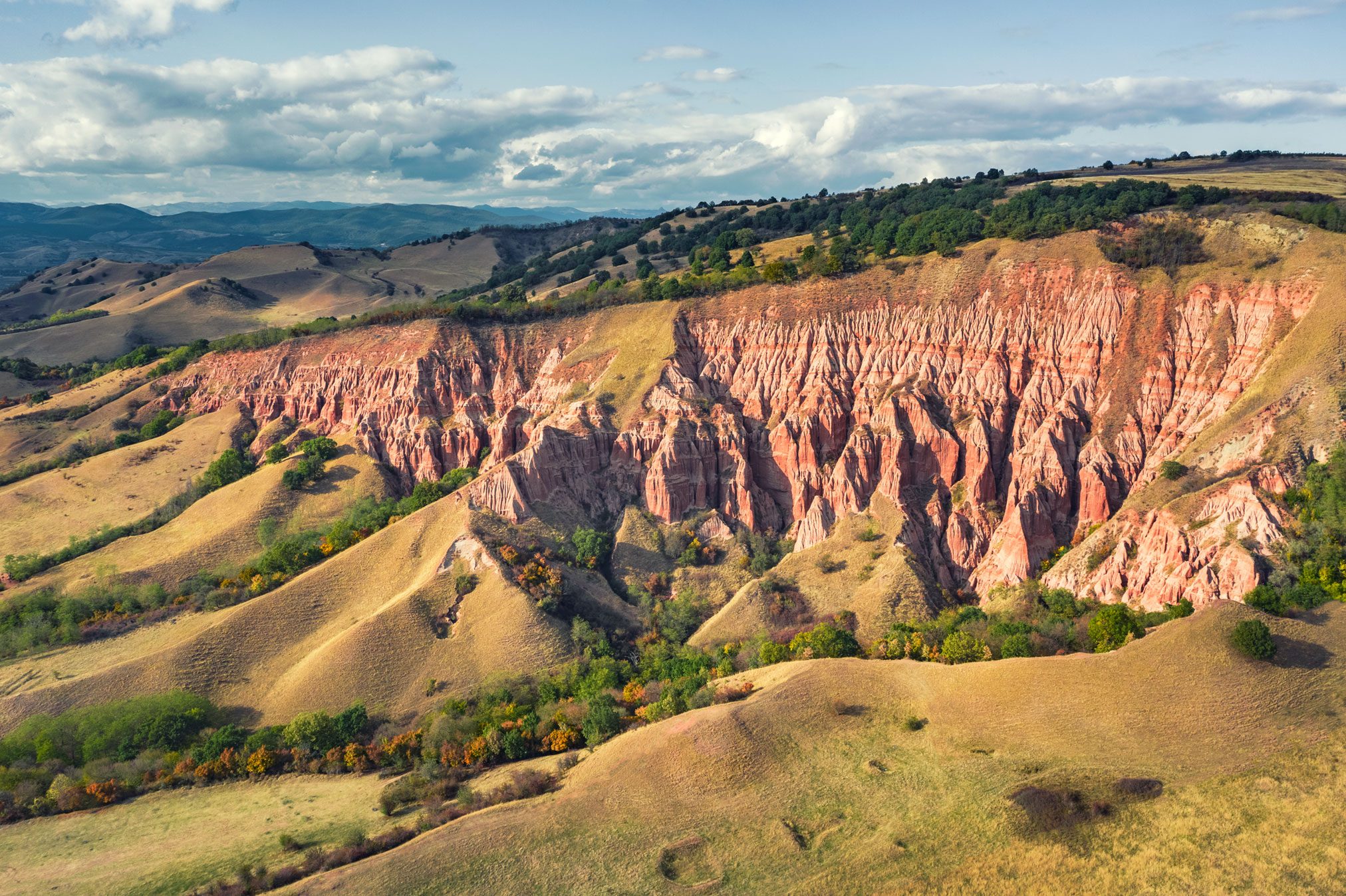
Three stops carry their names in the titles of the works. TELEKI shows Castelul Teleki, a castle of the noble Teleki family, in the morning mist. RÂPA ROȘIE is a wall of eroded reddish rock about four kilometres north of Sebeș in Alba County, protected as a natural monument. MAUSOLEO BOBDA shows the church of Bobda in the Banat. It was built as the mausoleum of the noble Csávossy family, modelled on the basilica of Esztergom, and finished only after 1908. The last service was held there around the 1980s.
Why do so many buildings stand empty in Romania?
Romania has been losing inhabitants for years. The 2021 census counted 19.05 million residents, 1.1 million fewer than ten years earlier. Over the same period the share of people aged 65 and over rose from 16.1 to 19.6 per cent. Caraș-Severin County, where Băile Herculane lies, lost 16.6 per cent of its population in ten years.
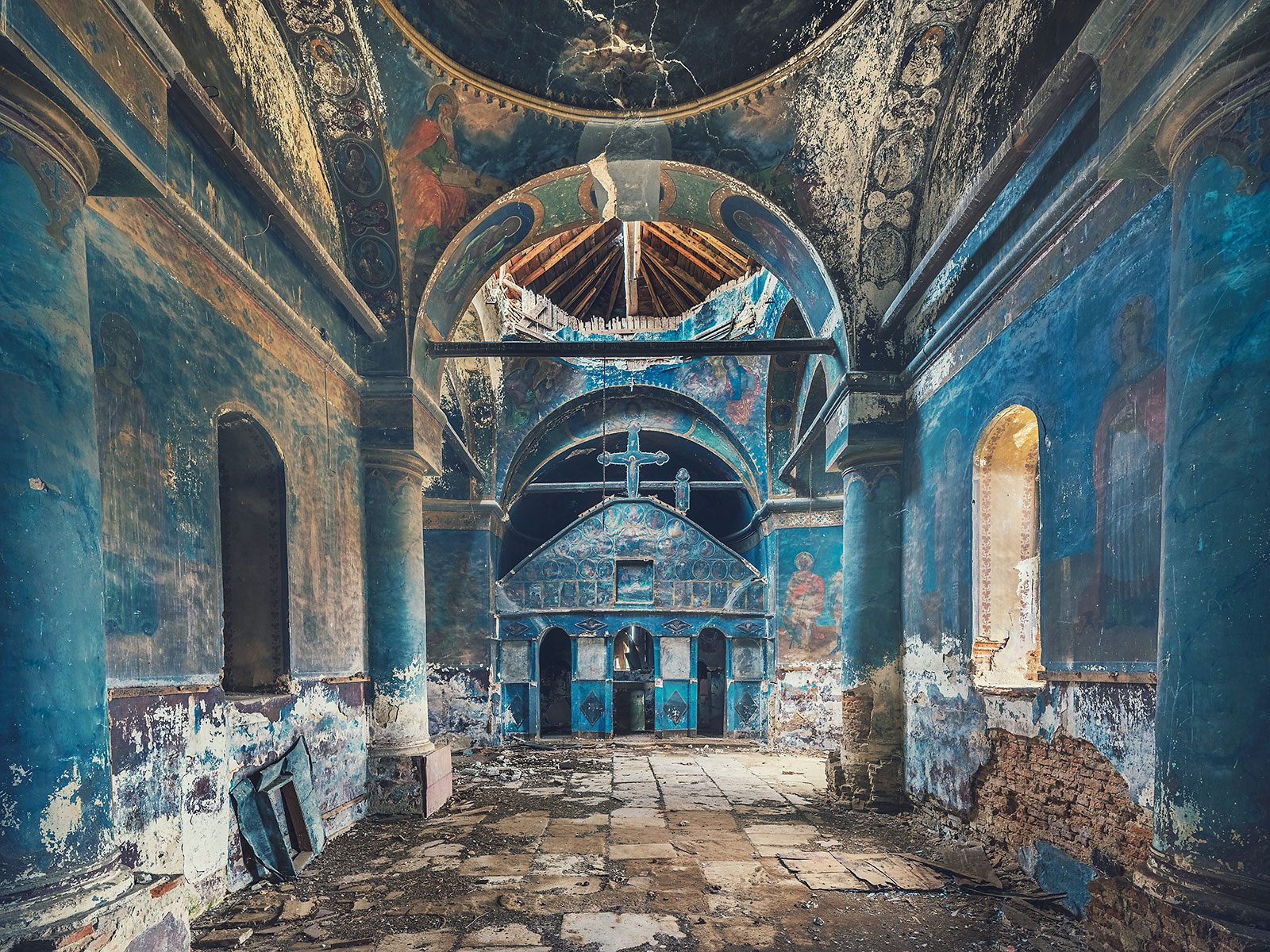
On the journey this was visible everywhere, and it saddened me: the gap between town and country, between rich and poor. Many towns were positively polished, with the best infrastructure, while a short distance away the villages lived in very simple, sometimes desolate conditions. From the flourishing university city of Cluj-Napoca with its restaurants and bars it is not far to ruined houses. In the south of Muntenia, when I visited an abandoned church, it did not take long before more and more villagers came to ask for a little money, or simply for food.
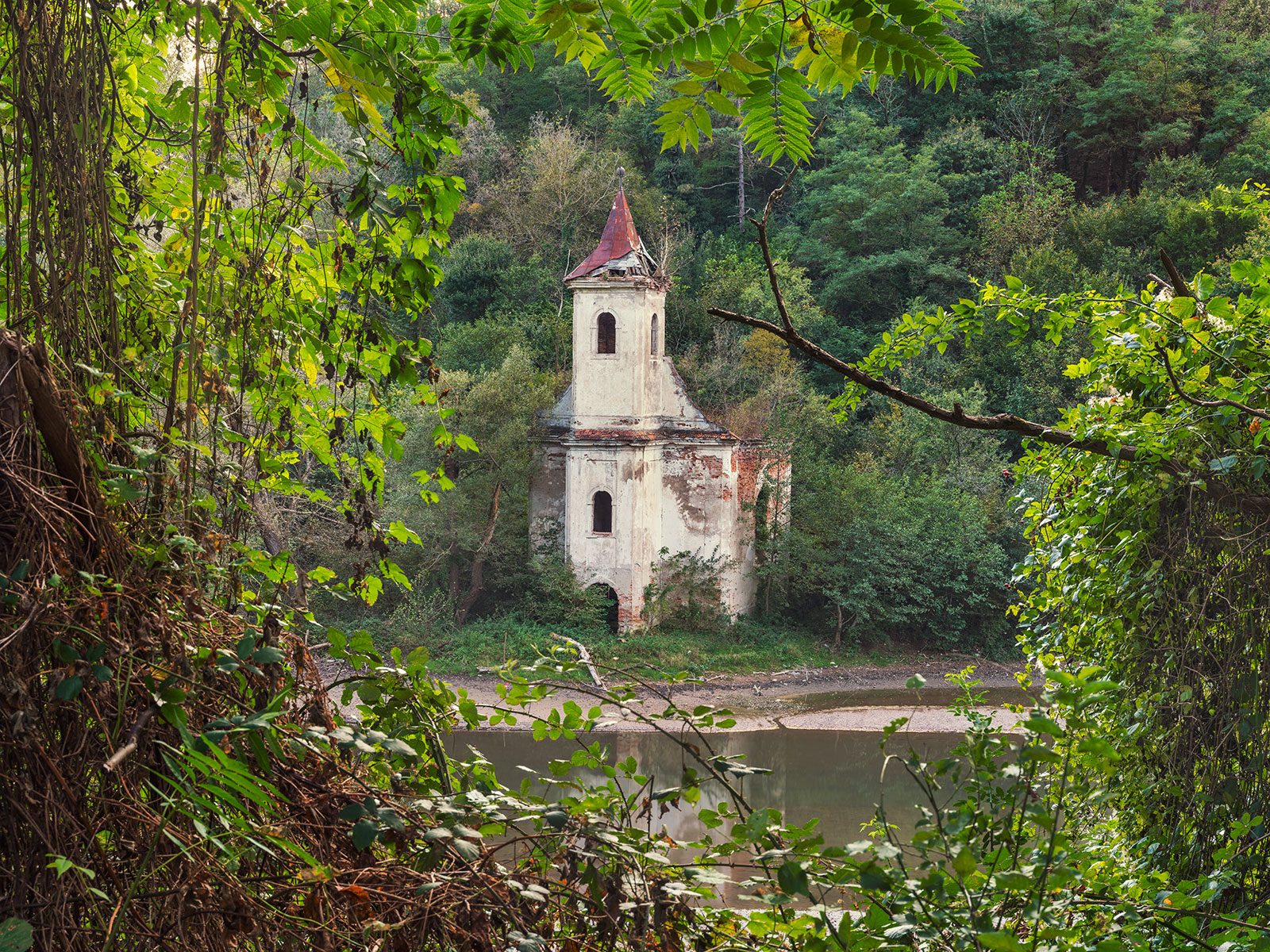
My impression on the road was that for many people an ordinary job is not enough. Family members work abroad, and the young often look for their future there straight away. In the countryside I saw castles and stately homes that are only a shadow of themselves, complete ruins or at least gravely threatened, and many forgotten churches besides.
The synagogues and their history
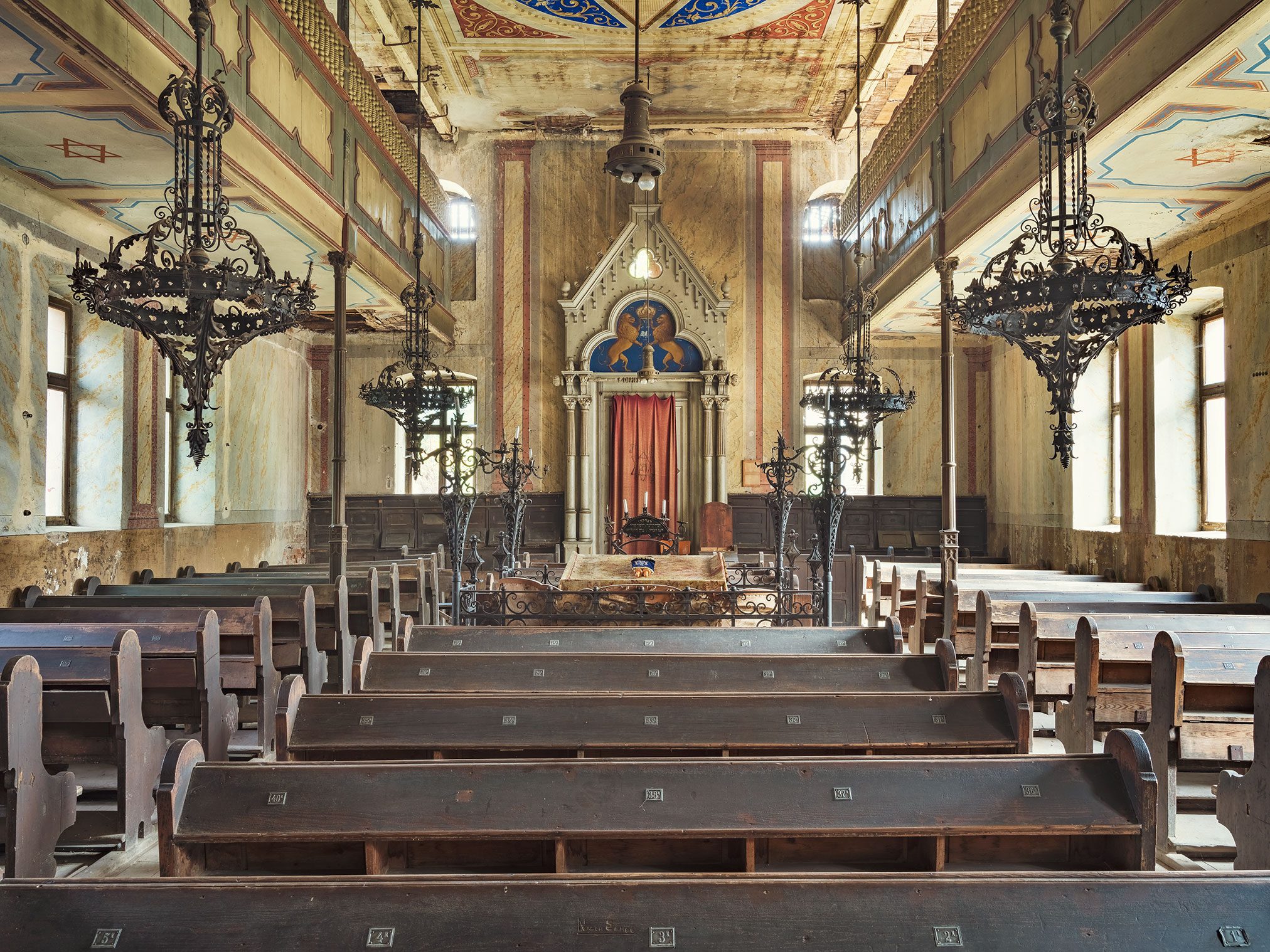
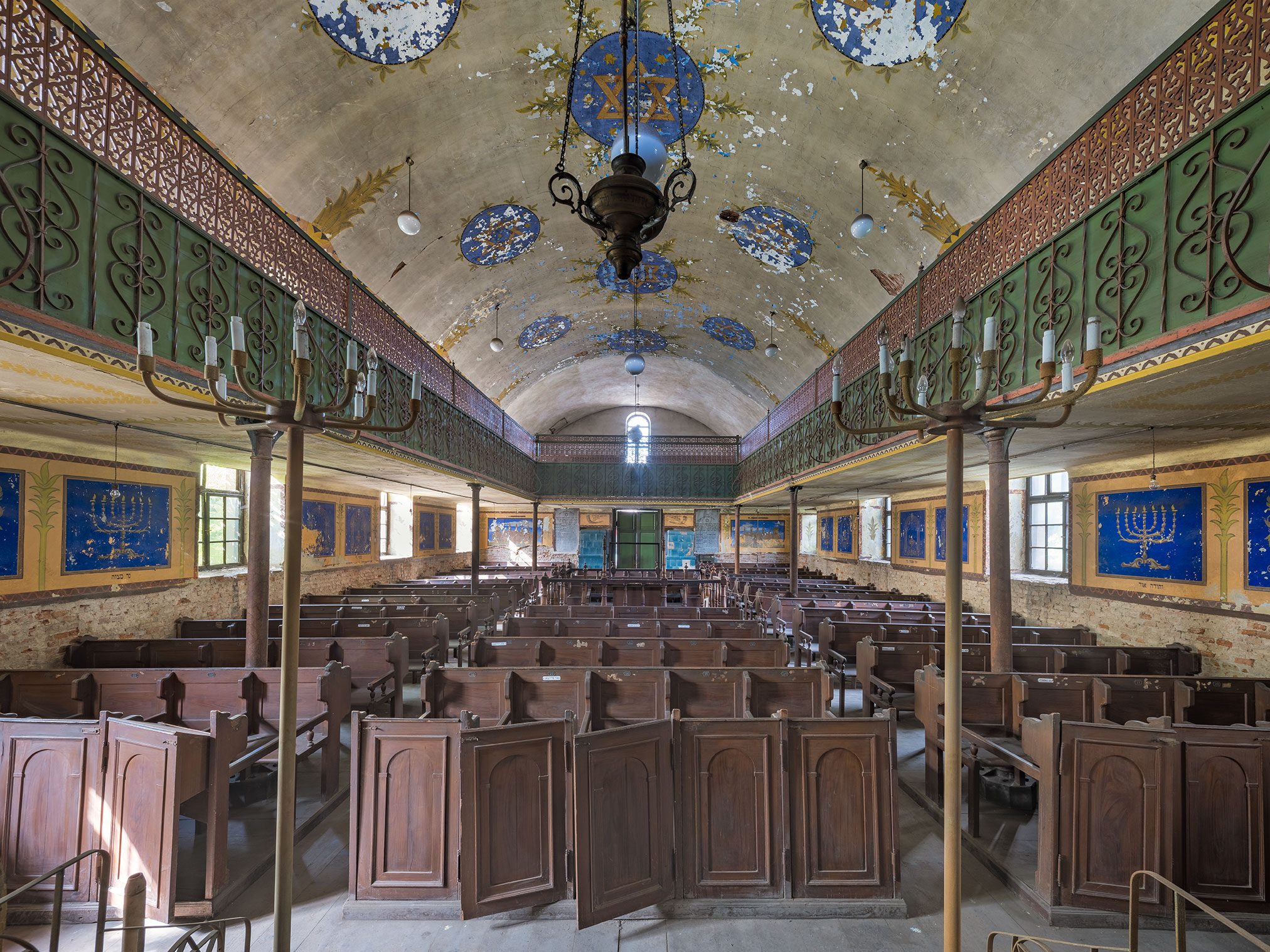
Among the forgotten places of worship are not only Romanian Orthodox churches but also some beautiful synagogues. My question why several of them are threatened by decay was answered by the few remaining members of the Jewish communities, very warm-hearted people who made it possible for me to see them. One of them is Zoltan, the last Jew who still looks after his synagogue. I met him, and he opened it for me. The two pictures from that building bear his name. What he and the others told me was a harrowing history that I had not known until then.
The census of 1930 recorded 756,930 Jews in Greater Romania. In 2004 the international commission chaired by Elie Wiesel concluded that between 280,000 and 380,000 Romanian and Ukrainian Jews were murdered or died in Romania and the territories under its control, as a result of the policies of the regime of Ion Antonescu, which was allied with Nazi Germany. Many of the survivors left the country in the decades that followed. In the 2021 census 2,378 people still described themselves as Jewish.
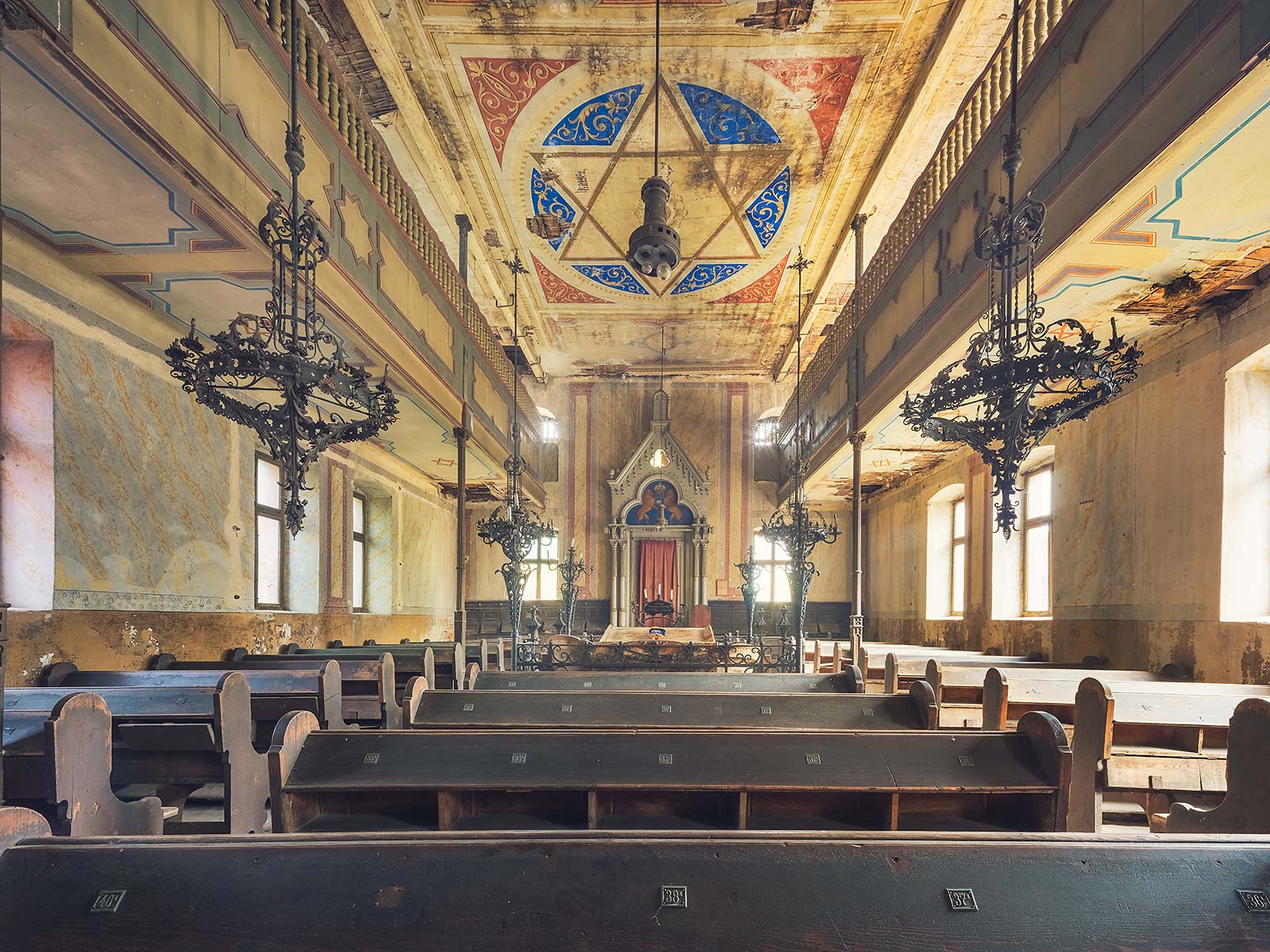
For me it was a great gift to be able to record these relics once more, yet a trace of sadness always remains. Services are practically no longer held in these old synagogues, and only very few people are trying to preserve a little of the cultural heritage.
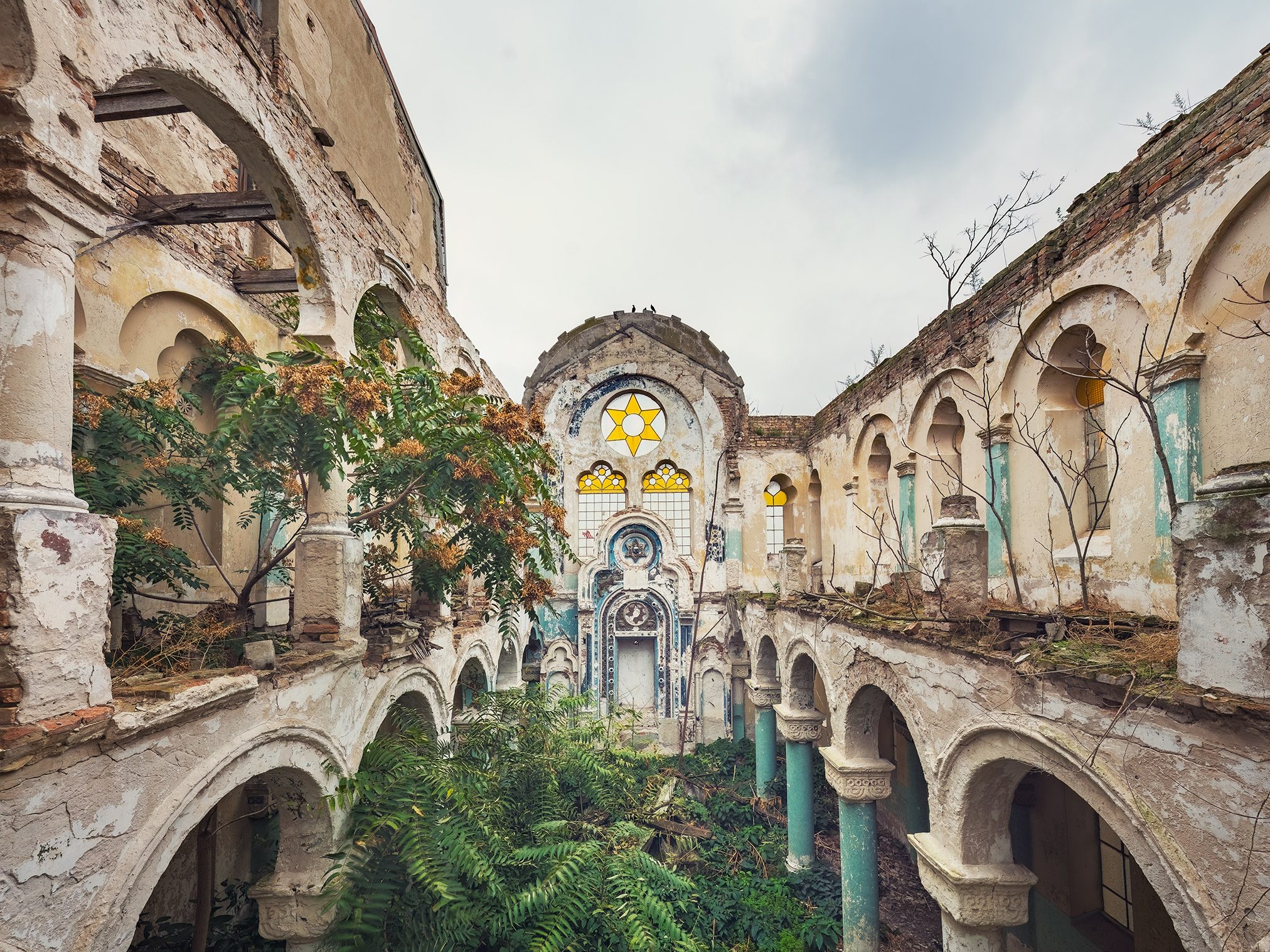
One of them now has a different story. The Great Synagogue of Constanța, which stands roofless in my picture with trees and ferns growing inside, was restored at the expense of the Romanian state and reopened in 2026, some 80 years after it had last been in use.
The Neptune Baths and the Casino
Many buildings are guarded and secured to prevent further vandalism and decline. Once the language difficulties had been overcome there was, fortunately, usually an open willingness to show me the forgotten buildings. My highlights were two works of majestic architecture.
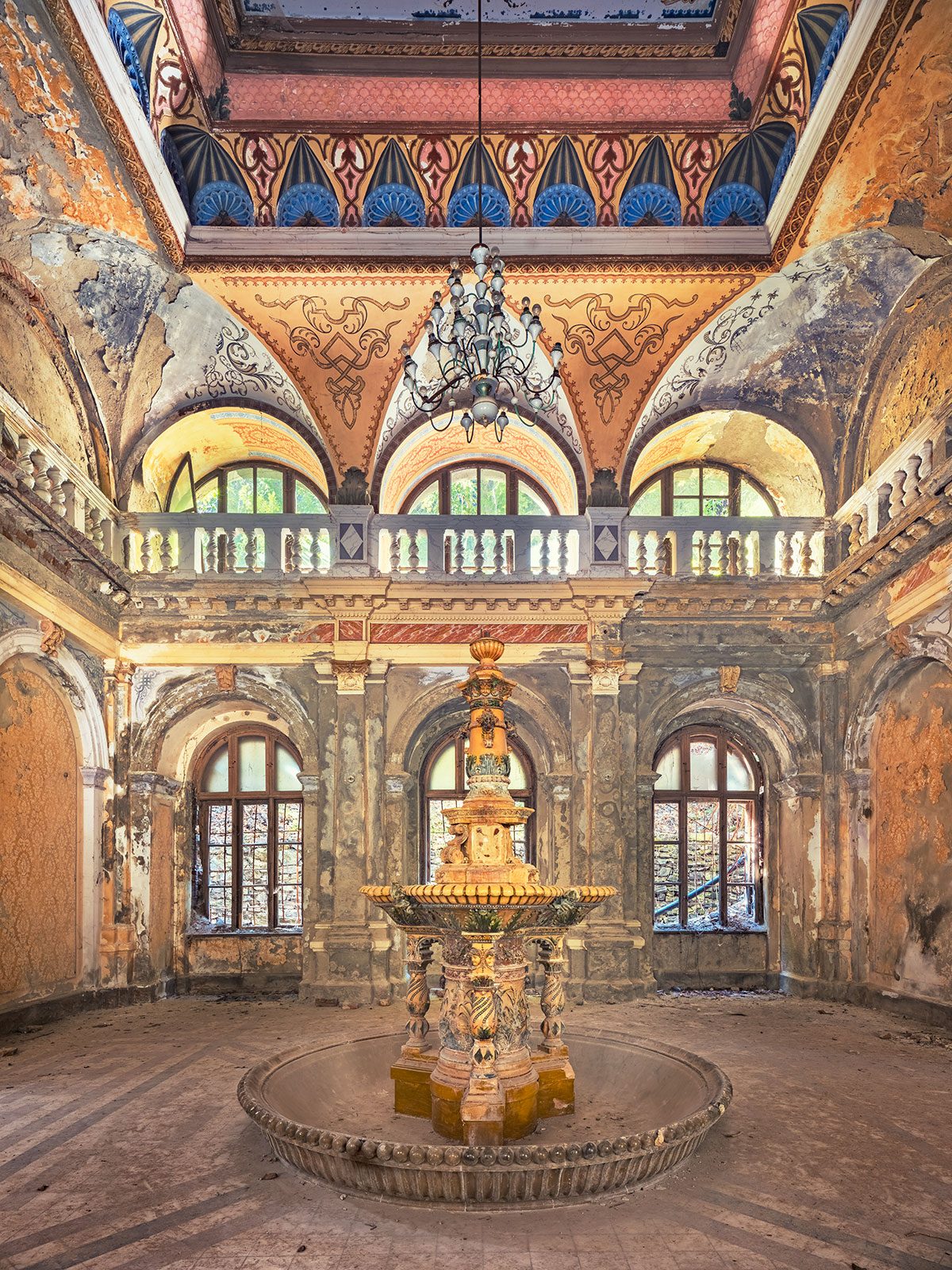
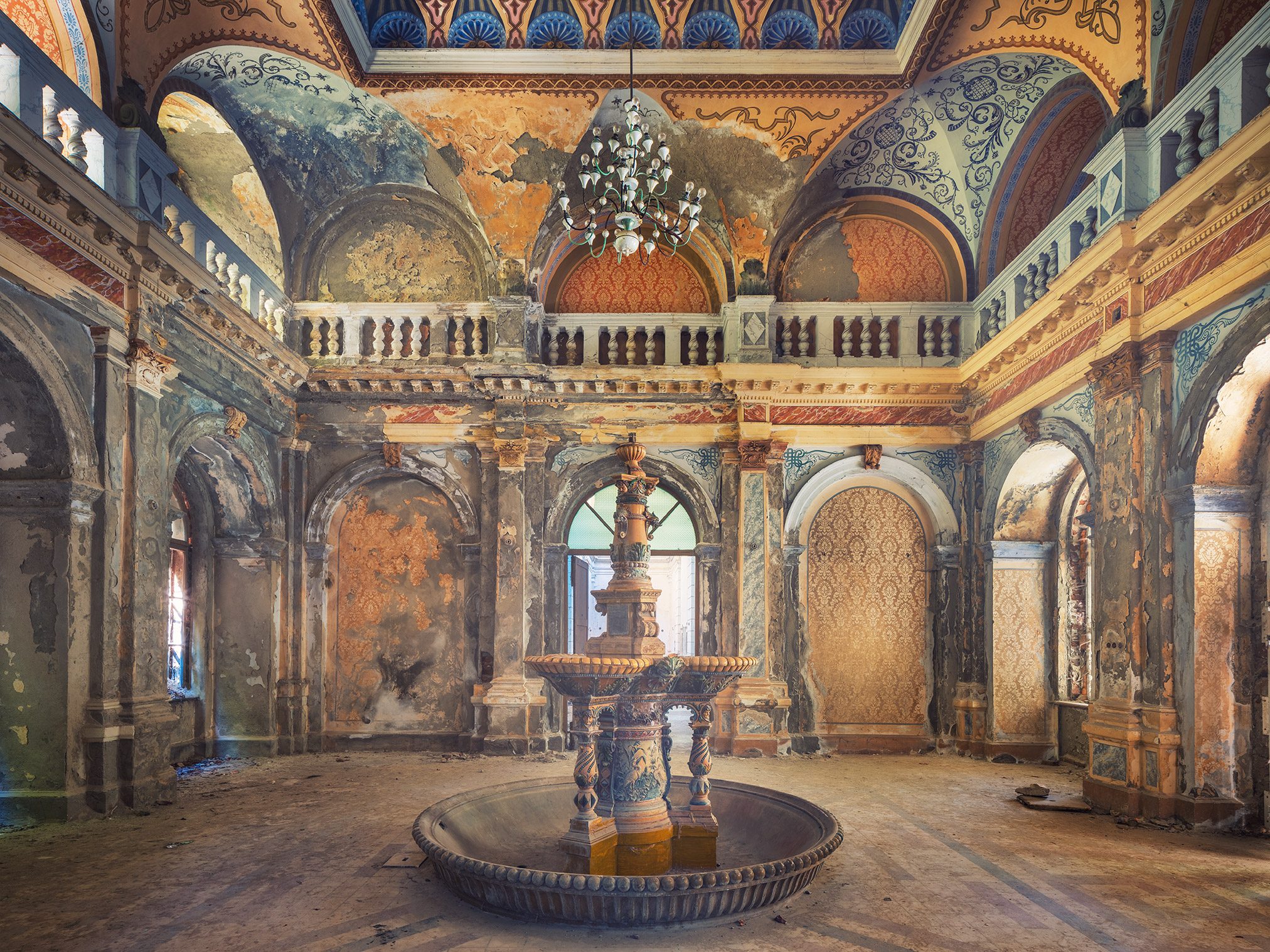
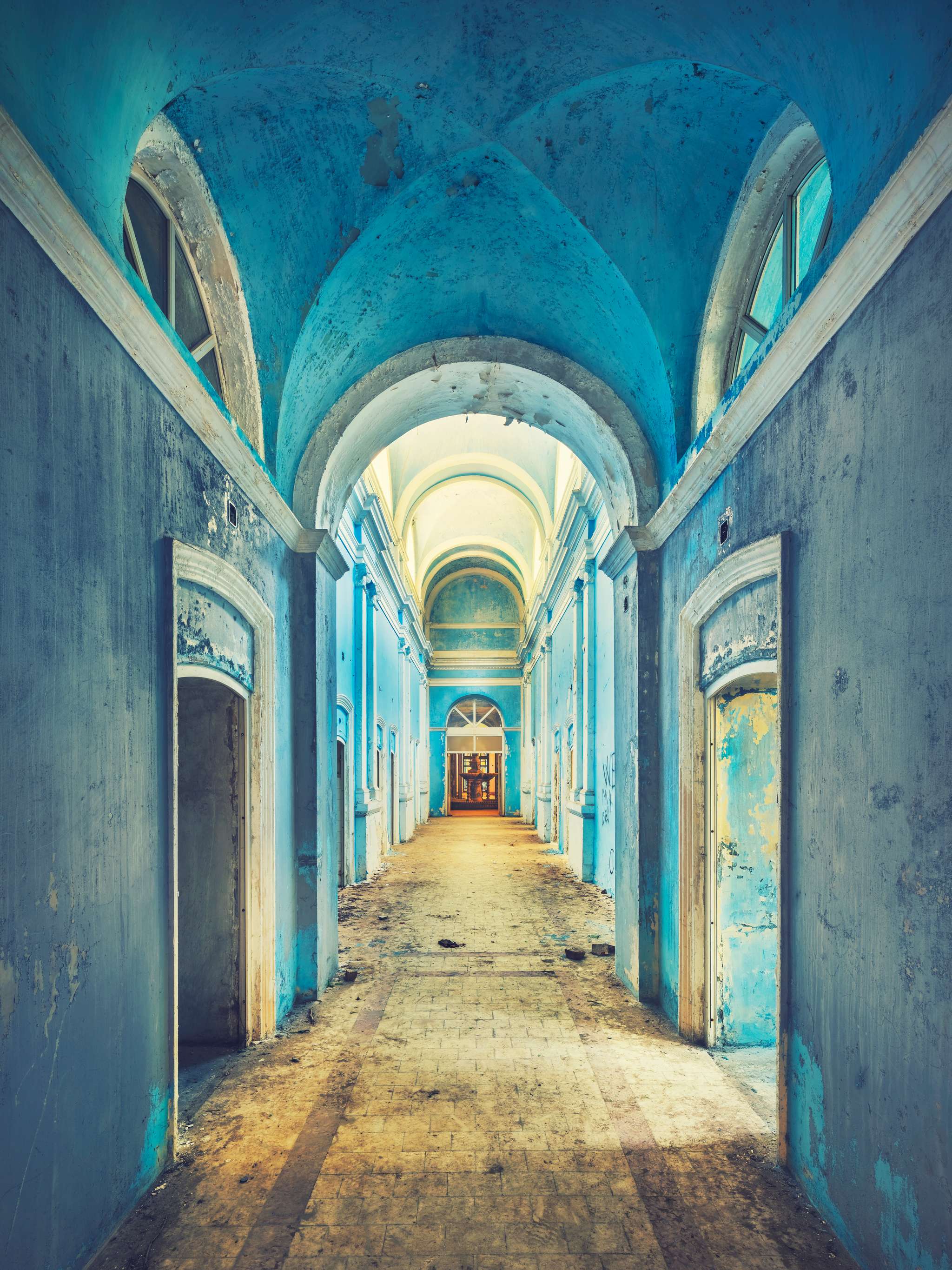
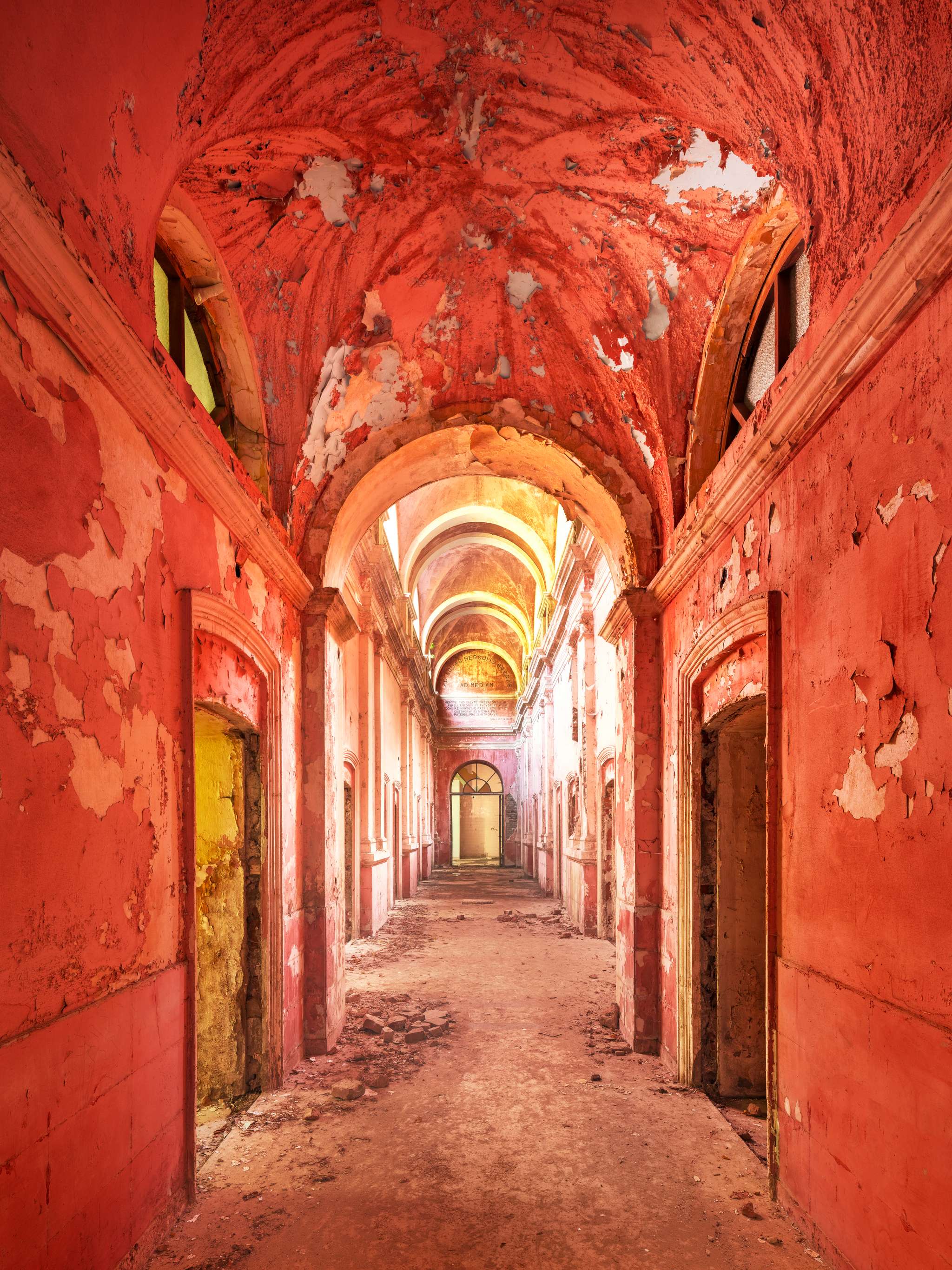
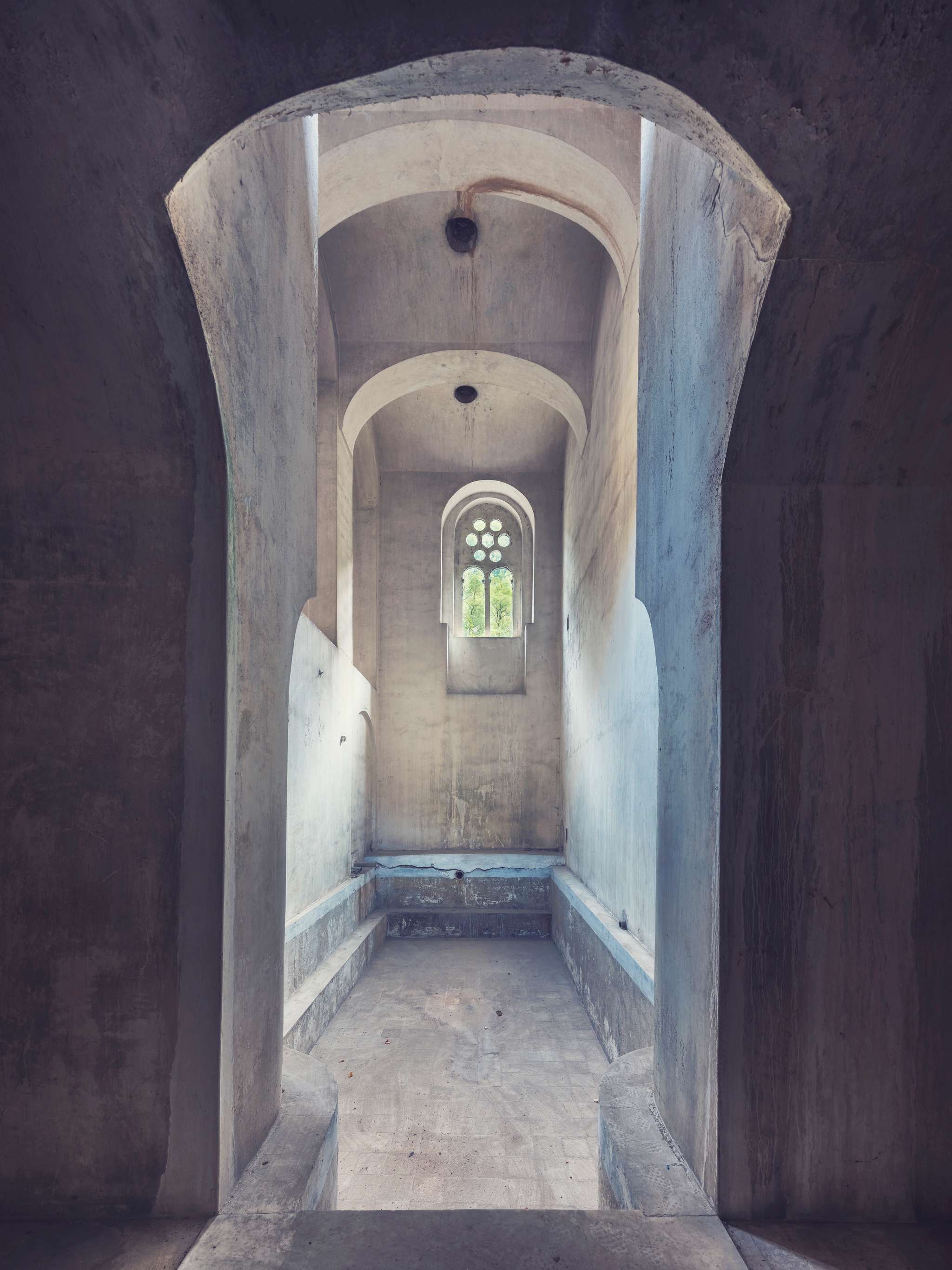
First of all the Neptune Baths in Băile Herculane, the old Herkulesbad in the Banat, with their endless corridors and their coloured columns, unique to my mind. The baths were built between 1883 and 1886 to plans by the architect Ignác Alpár and are today a monument of national importance. In 2022 the heritage organisation Europa Nostra placed them on its list of the seven most endangered heritage sites in Europe. In August 2025 the news agency AFP reported that the baths were closed and that rain was seeping through the ceiling. A full restoration would be possible only once the legal dispute between the authorities and private owners had been resolved.
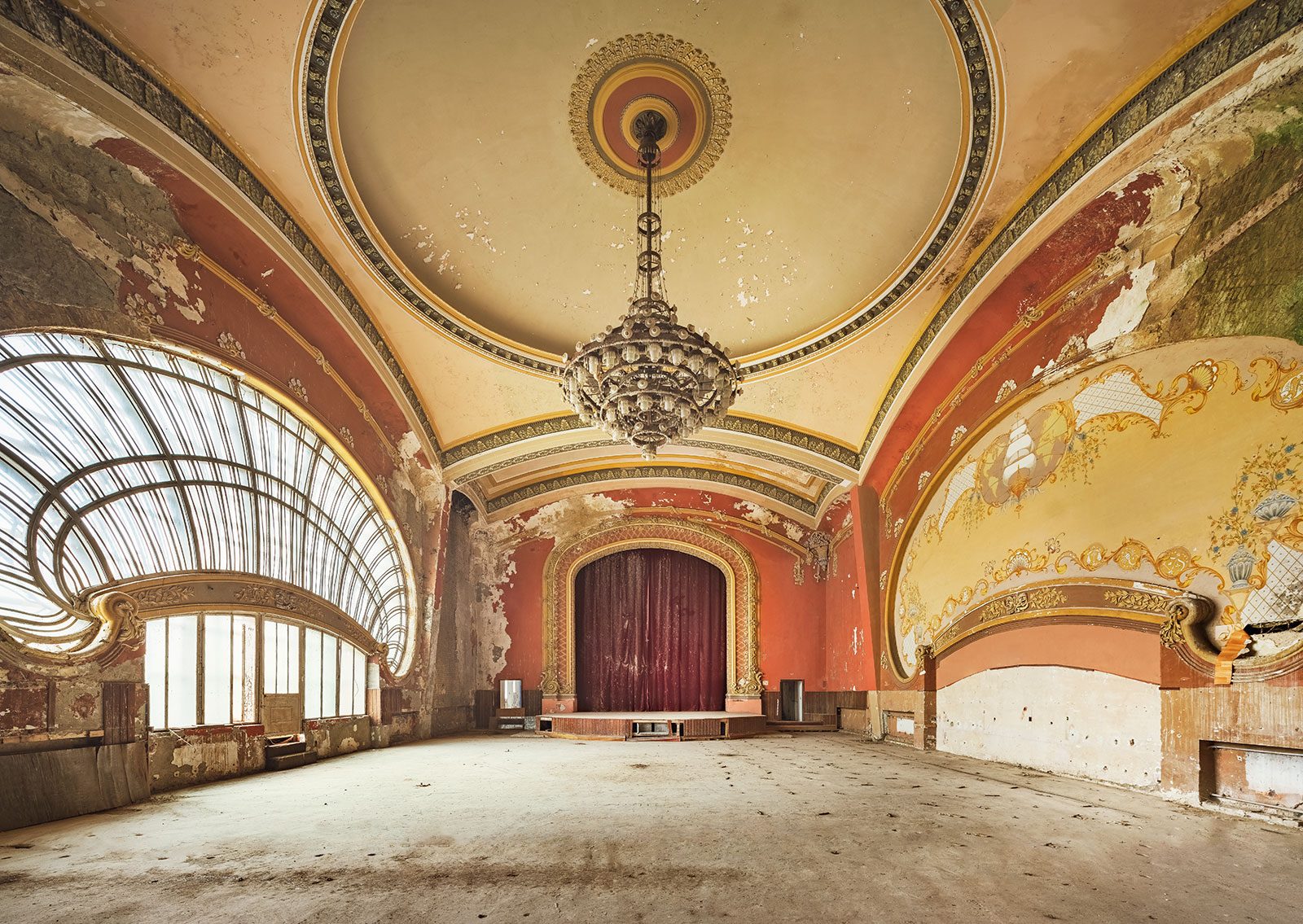
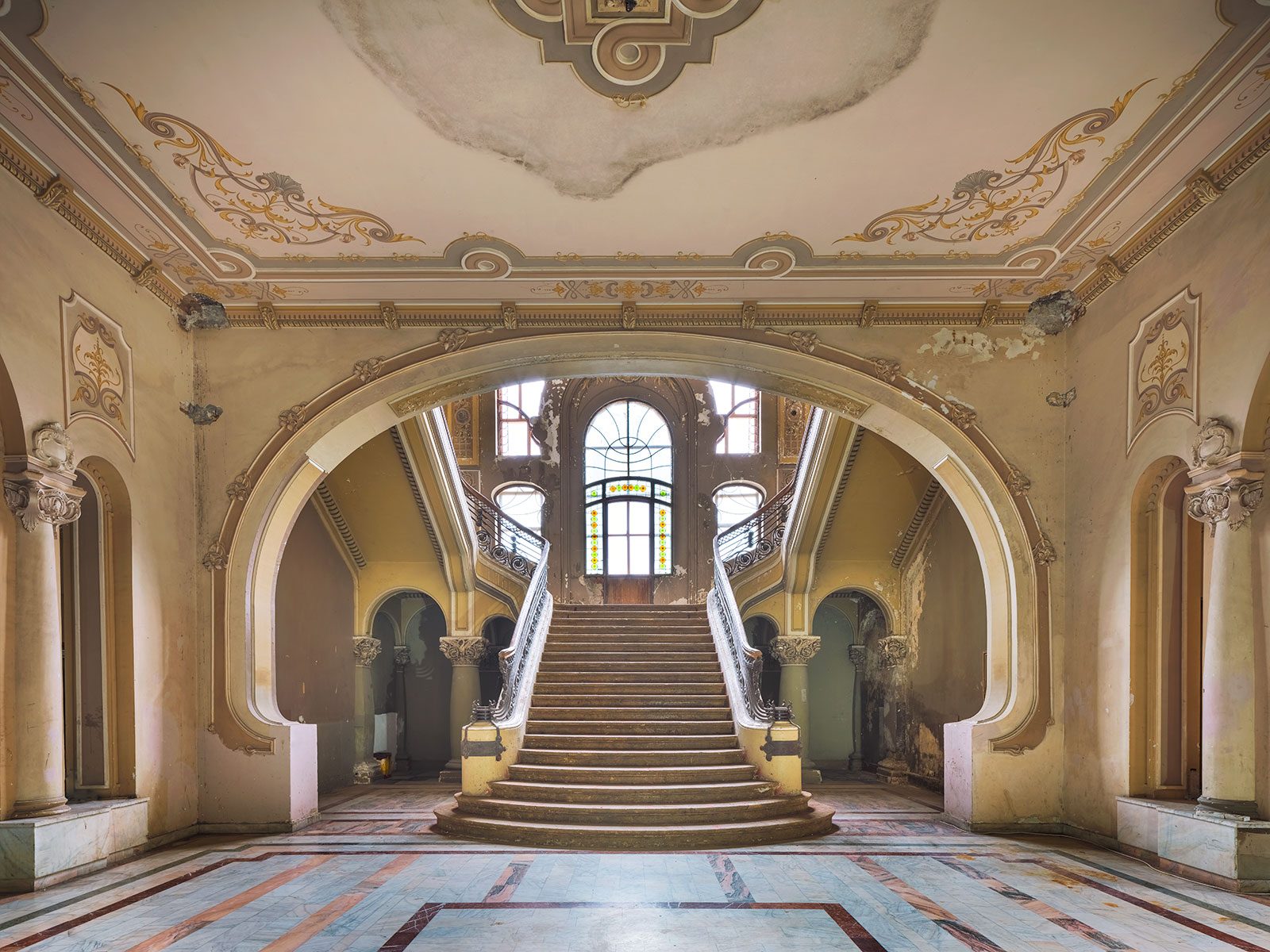
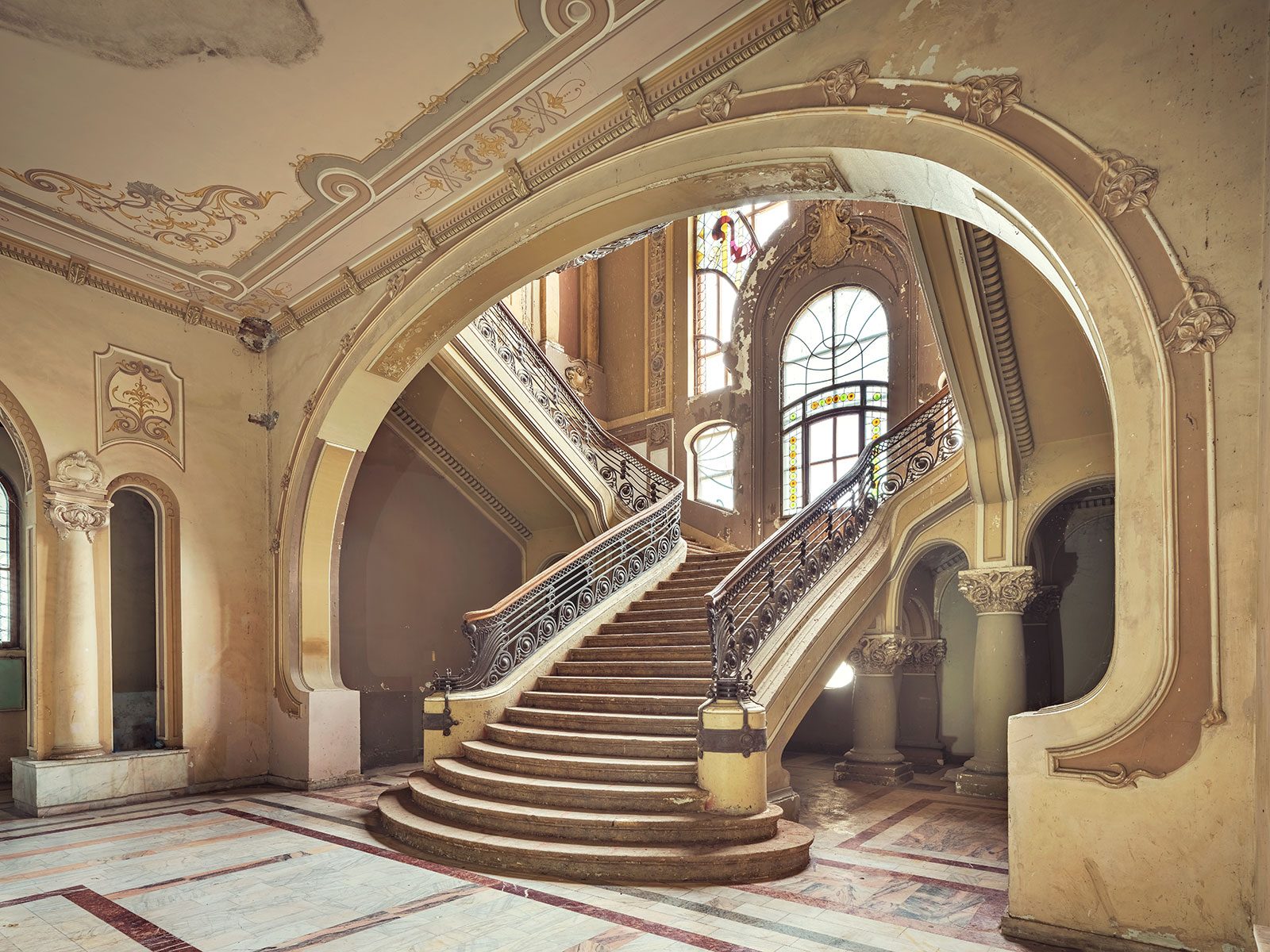
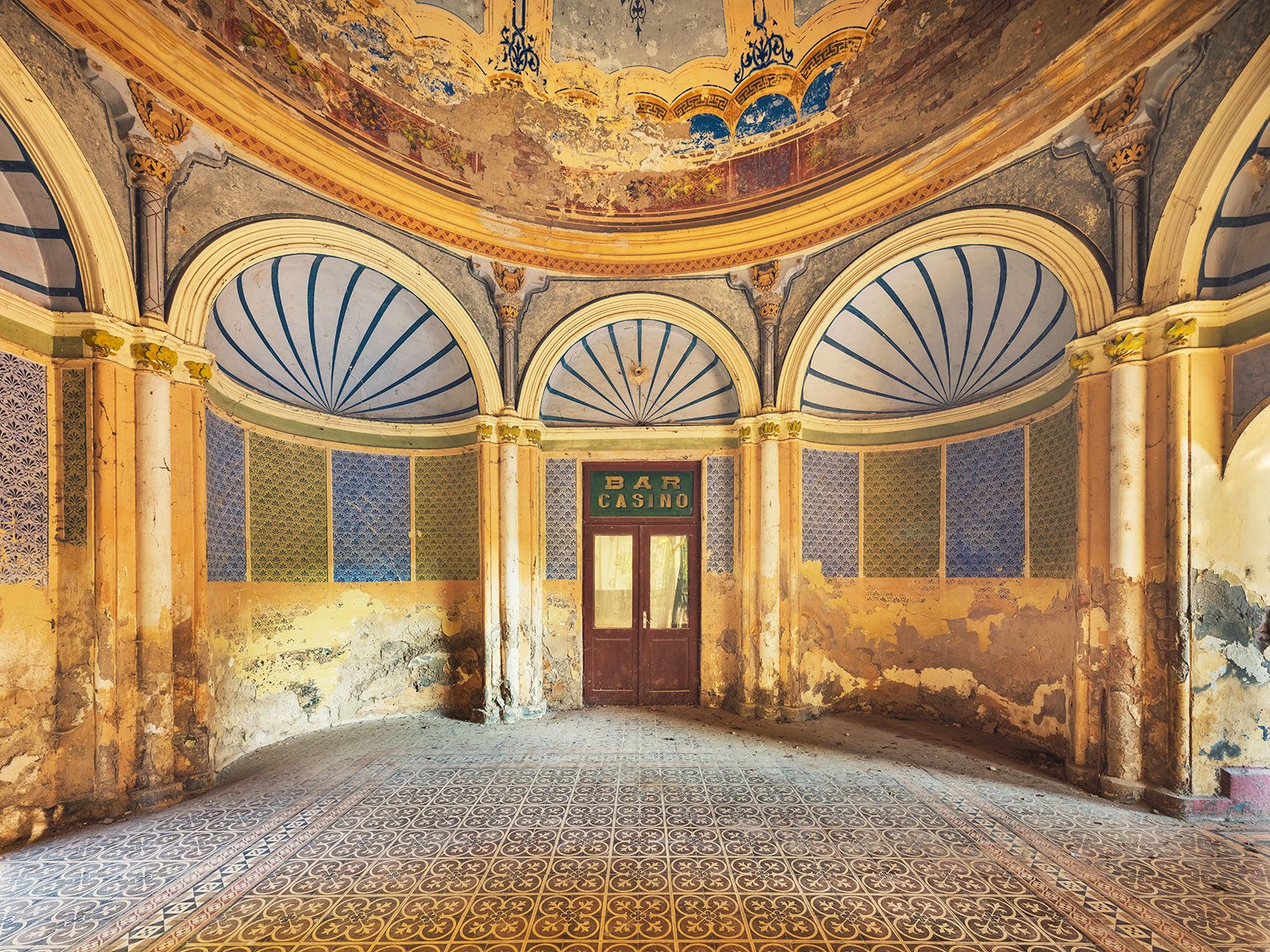
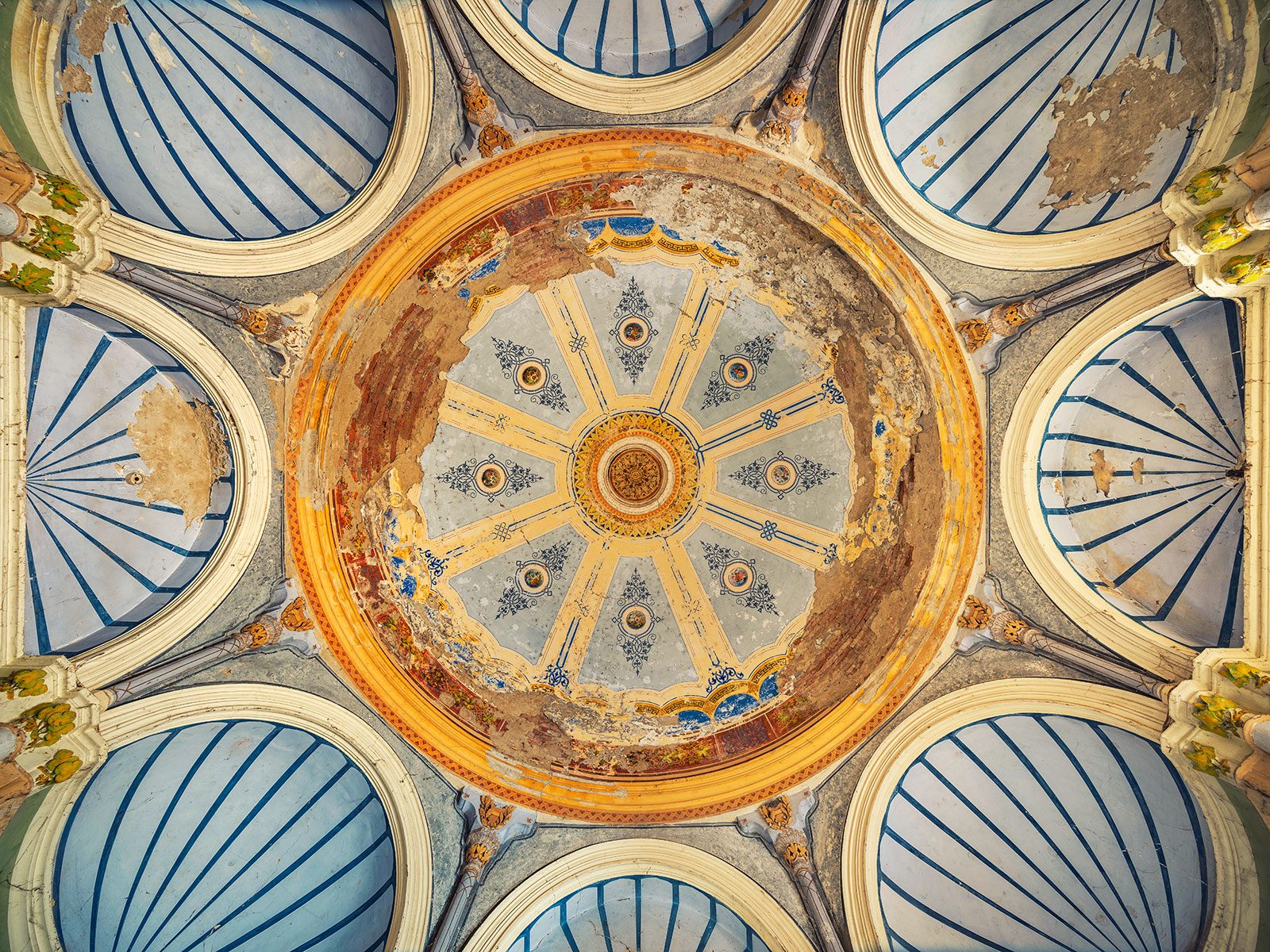
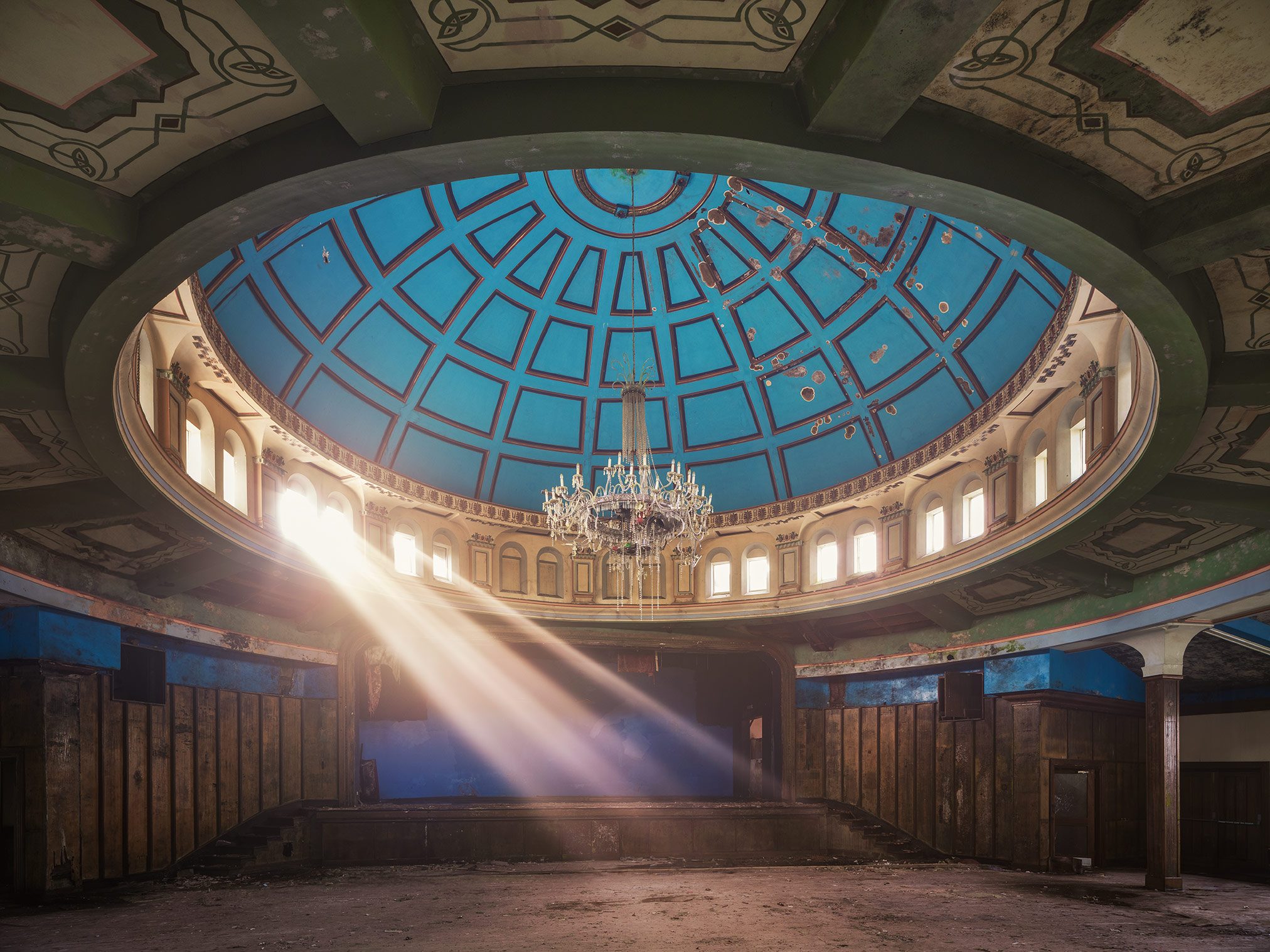
No less impressive to me was the Casino of Constanța on the Black Sea, which I was still able to see in its original state in October 2019. It is without question among the most beautiful buildings I have ever visited, not least because of its Art Nouveau design. It was built in the early twentieth century to plans by the architect Daniel Renard. When I wrote my text for the book in 2023, the restoration was in full swing, and I thought that perhaps not much would soon be left of its old, crumbling charm. On 21 May 2025 the Casino reopened to visitors after five years of restoration.
What remained open
Transylvania and the Carpathians in particular are unique and well worth a journey. I would dearly have liked to visit Moldavia too and to explore more ranges of the Apuseni Mountains, where forgotten churches are still waiting, but time did not allow it.
Romania is one of the twelve countries in my book VERGESSENE PRACHT, published by Frederking & Thaler in 2023.
The pictures
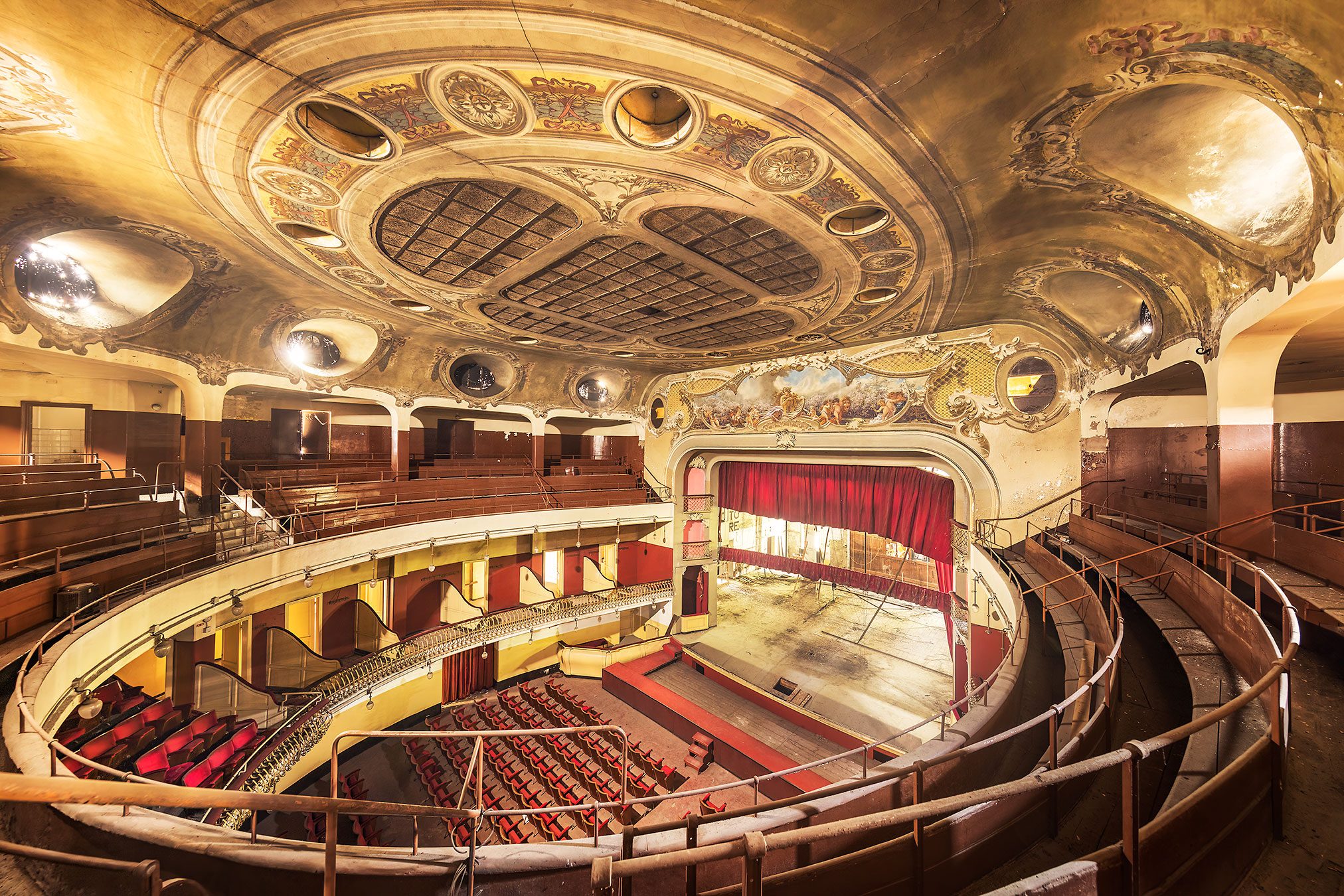
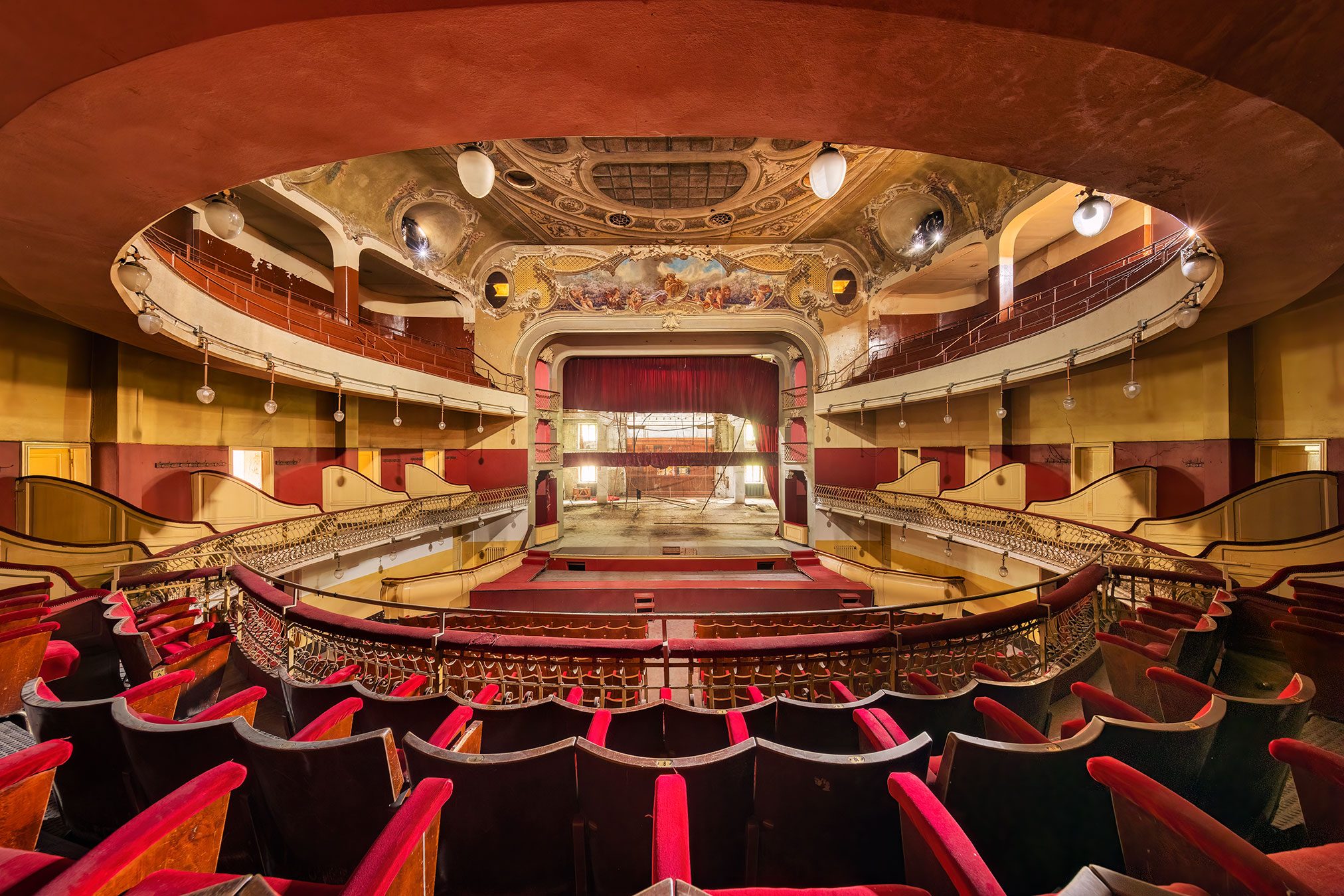
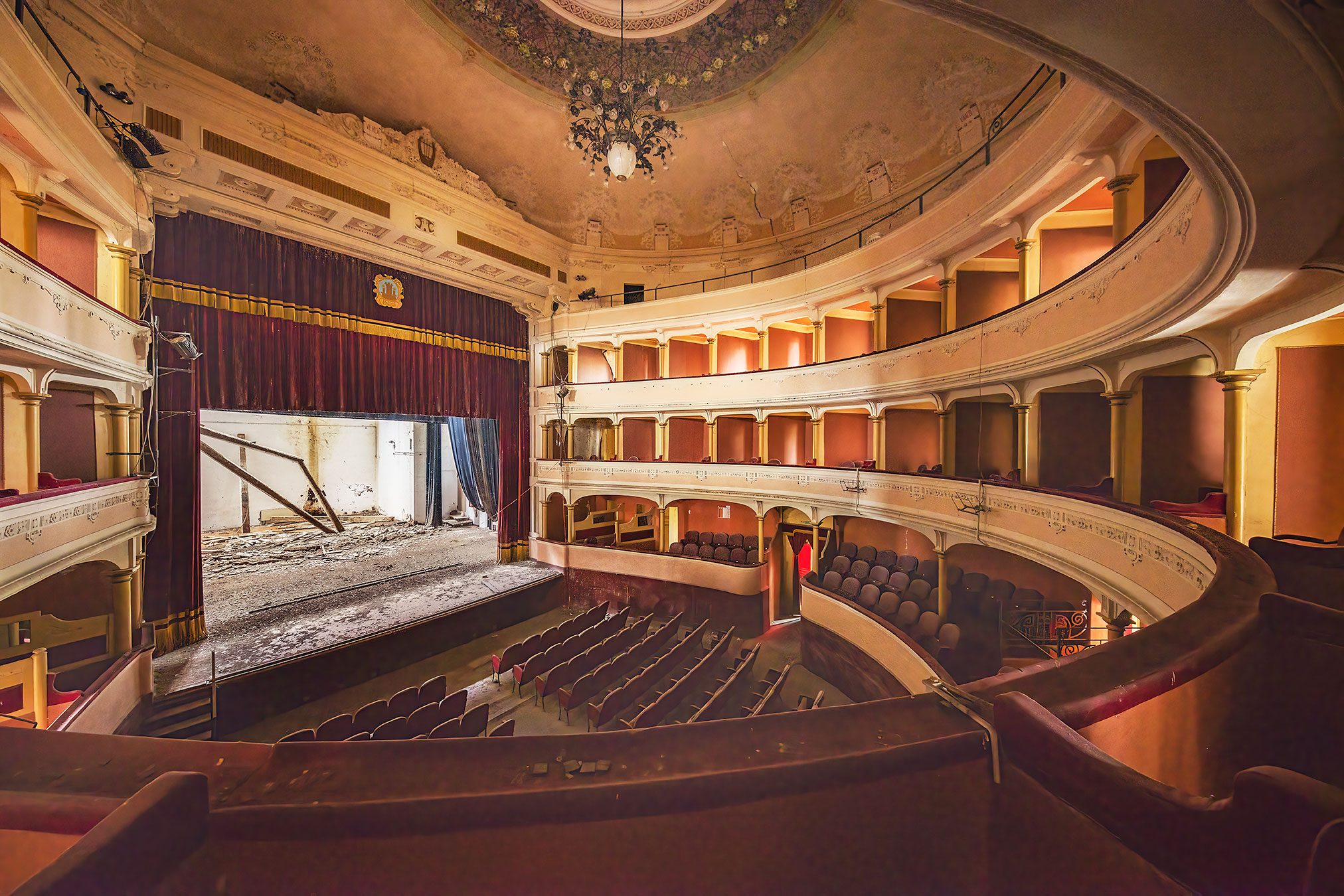
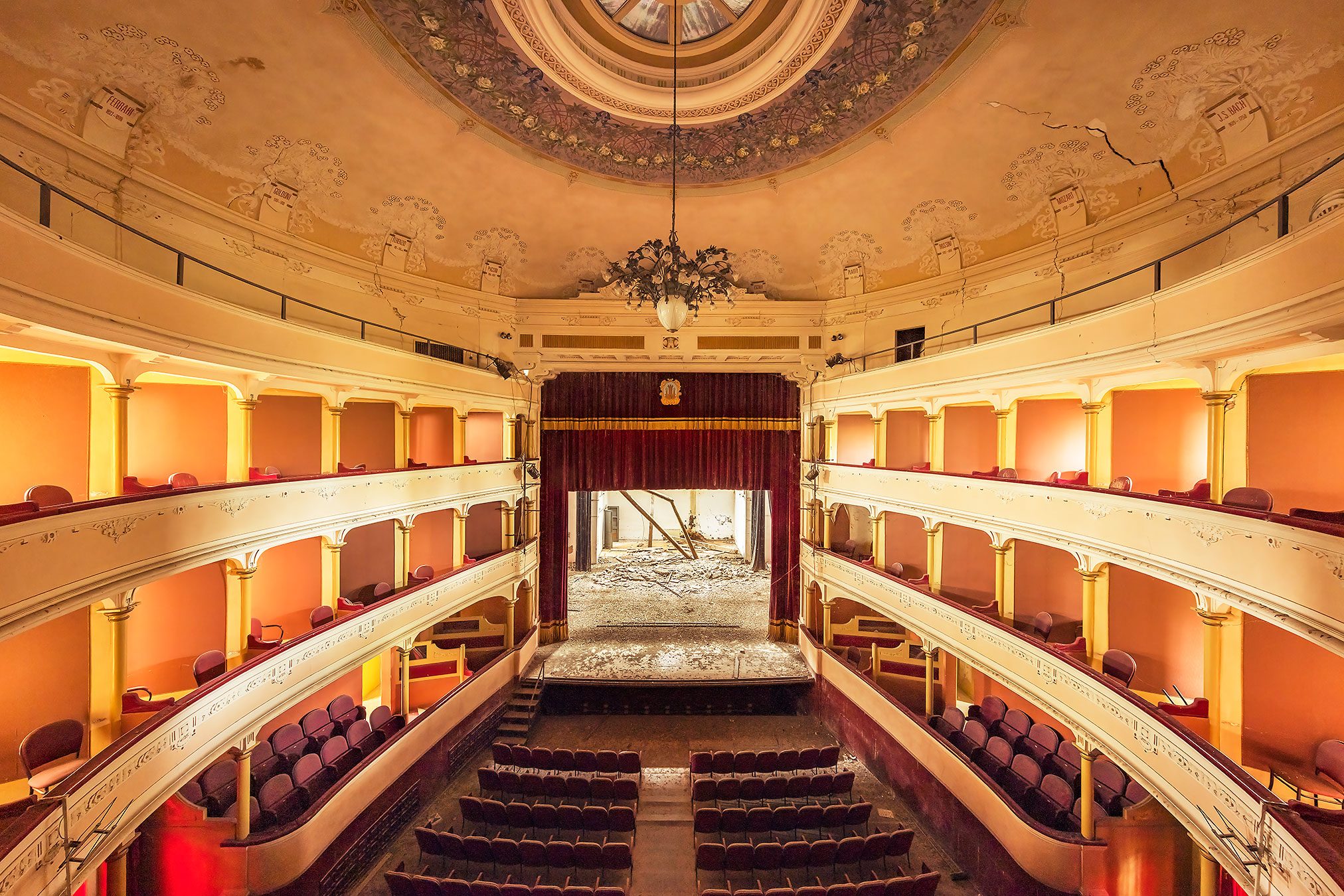
Photographs from Romania taken in October 2019, from the series SANCTUARIES OF BLISS, EVERMORE, AIRSCAPES, HABITAT, DREAMSCAPES and others.
-
-
-
-
-
-
-
-
-
-
-
-
-
-
-
-
-
-
-
-
-
Sources and further background
This story draws on the following sources.
- Agerpres: Census 2021, Romania counts for 19.05 million people (30.12.2022) , accessed 11. November 2026
- International Commission on the Holocaust in Romania (Wiesel-Kommission): Executive Summary, 2004 , accessed 11. November 2026
- Wikipedia: History of the Jews in Romania (Volkszählungen 1930 und 2021) , accessed 11. November 2026
- Ynet News: Historic Constanța synagogue reopens (2026) , accessed 11. November 2026
- Primăria Băile Herculane: Băile Neptun, povestea unui monument imperial (19.10.2026) , accessed 11. November 2026
- Al Jazeera/AFP: Young architects lead effort to save Romania’s historic spa town (22.08.2025) , accessed 11. November 2026
- Europa Nostra: Experts visited endangered Neptune Baths (7 Most Endangered 2022) , accessed 11. November 2026
- Romania Insider: Constanța Casino opens for visitors after renovations (Mai 2025) , accessed 11. November 2026
- Prin Banat: The Church of the Bobda Baron , accessed 11. November 2026
- Wikipedia: Râpa Roșie , accessed 11. November 2026
Series
More from SANCTUARIES OF BLISS
Related stories
All stories →
Share