


Stories · Countries and regions · Belgium
Belgium: Collieries, châteaux and time capsules next door
In Belgium, in 2008, everything began for me that lies beyond my own border: the Hasard colliery in Cheratte, the fairy-tale Château Miranda in the forest, cooling towers and châteaux. Much of it no longer stands. For my book I returned after a long time.
At a glance
- Location
- Belgium
- Series
- OVER AND DONE
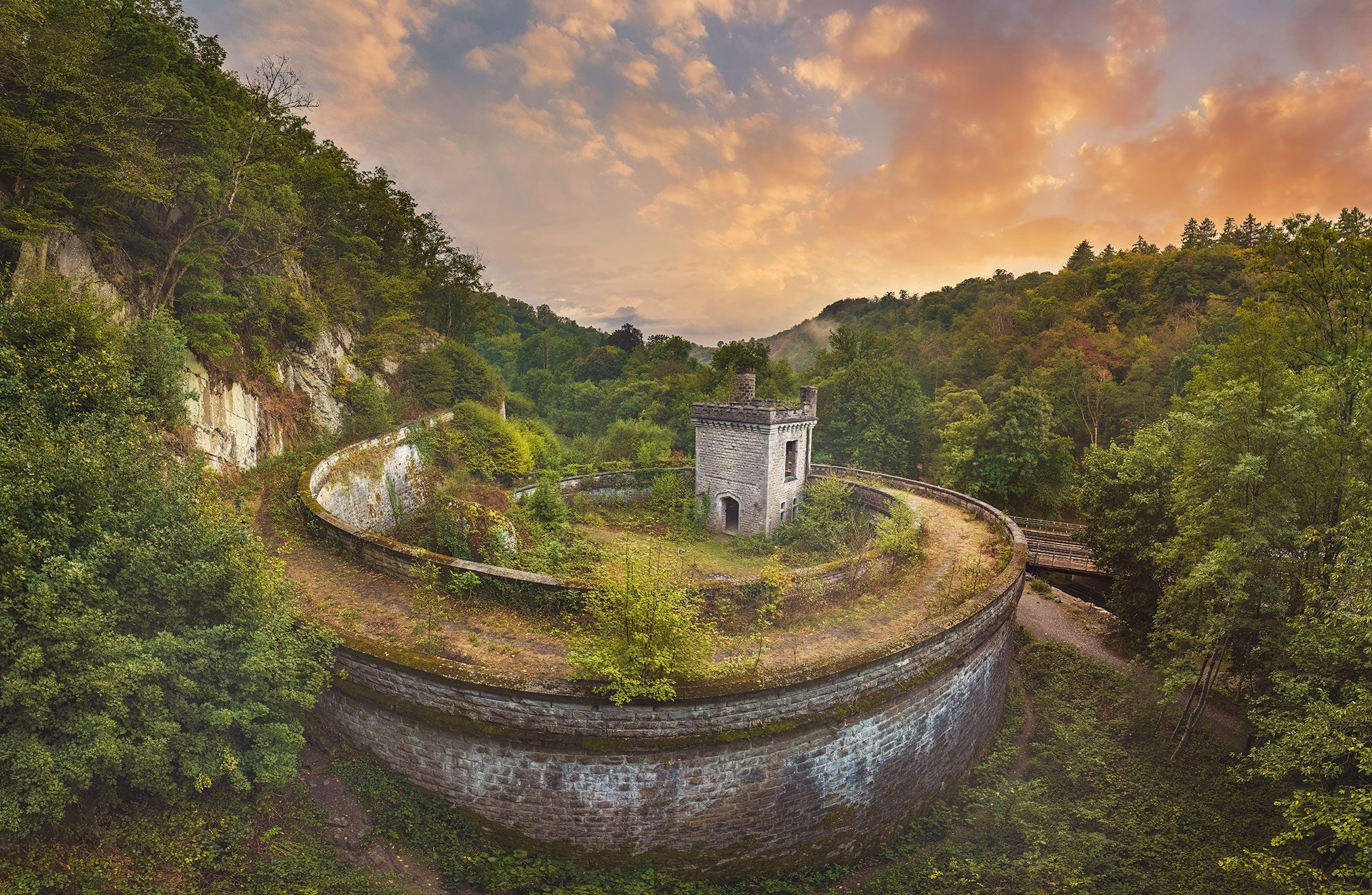
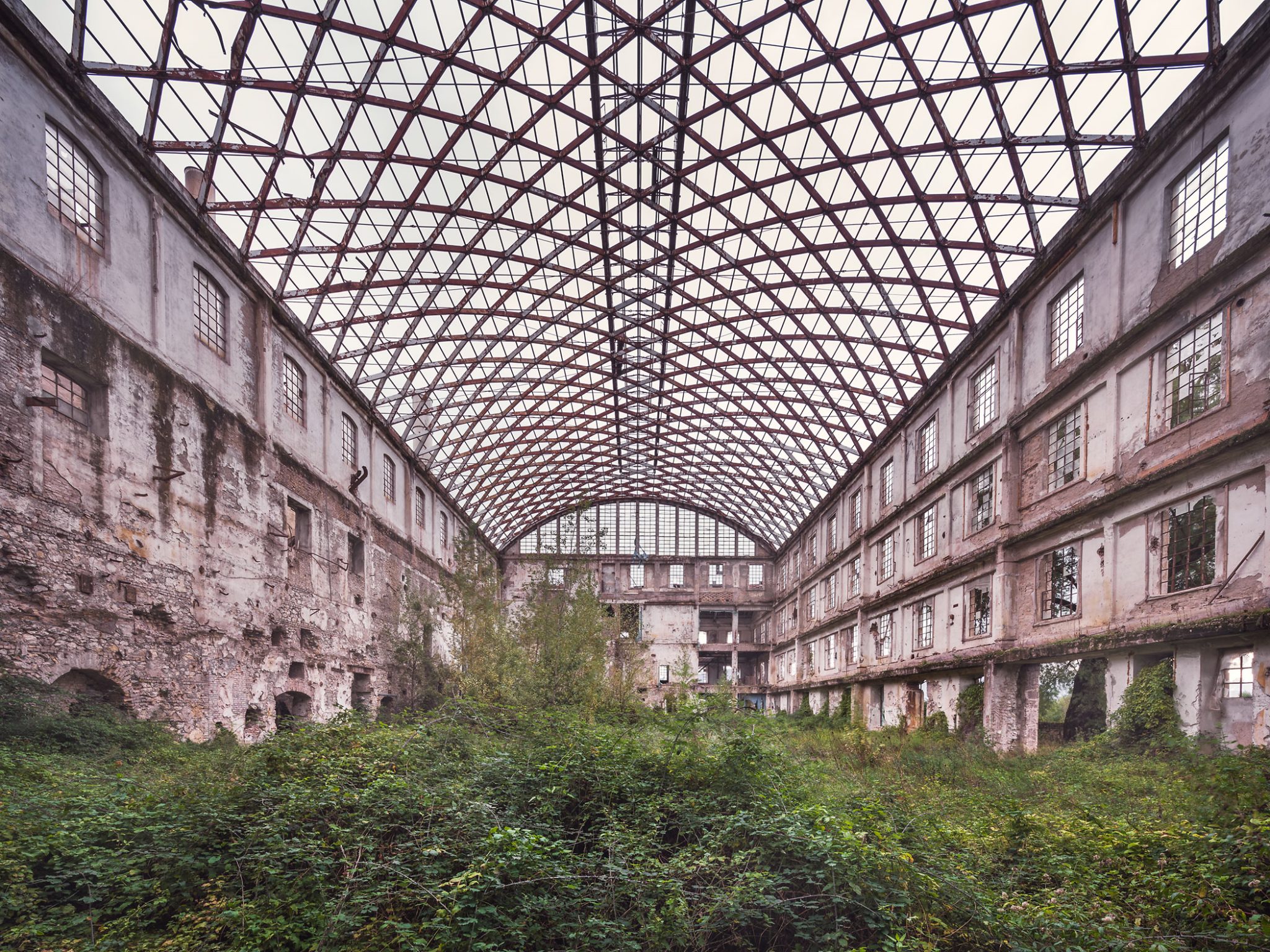
Belgium was the first industrial country on the European continent. Its coal and steel regions around Liège and Charleroi have left behind headgear towers, power stations and factories, alongside châteaux and manor houses, some of which are decaying while others are being saved. For me, photographing abandoned places beyond my own border began here in 2008.
Back to the roots
Our small neighbour has a very special meaning for me, personally and as a photographer. Even before Italy, Belgium was my second living room for photographic journeys. As early as 2008 it accompanied my first steps and expeditions and taught me a great deal for my path. The subject was still tiny and unknown, and research was considerably harder than today. There was no Street View yet, the satellite maps showed little detail, and the only clues were often vague guesses or postcard archives.
I did not have much money and my options were limited, so Belgium was ideal for my explorations. The variety was great: industry, châteaux, theatres, swimming baths and churches. I made numerous trips, above all until 2011, and then stayed away for a long time. Many places from my early visits have since been demolished or converted, and many of the old pictures no longer meet my standards of today. What might I have coaxed out of them with the skills I have now?
Hasard Cheratte, 2008
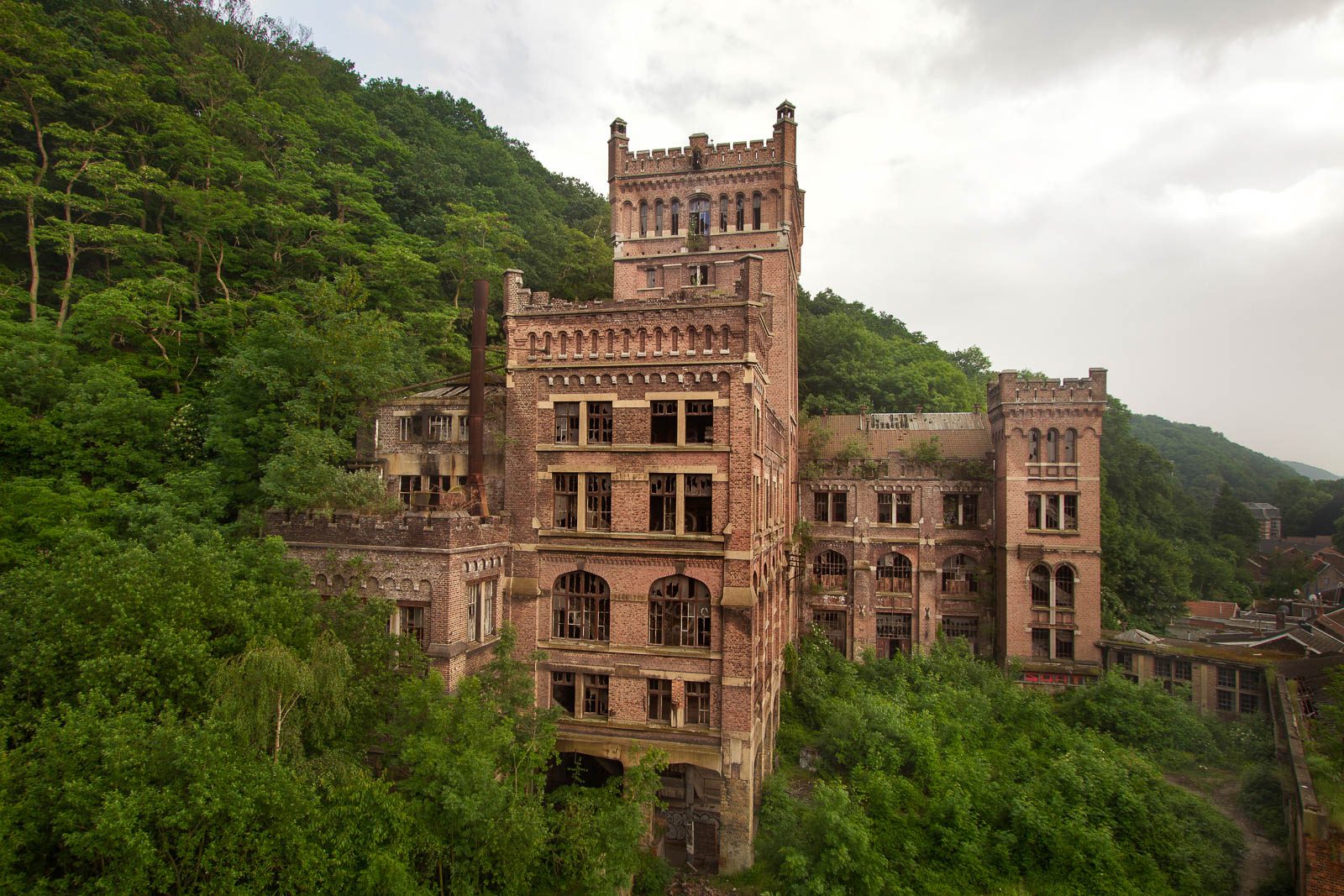
My first tour to Belgium in 2008 remains unforgotten: to the Hasard colliery in Cheratte. Its historic shaft no. 1 with its majestic tower looks more like a Gothic Revival castle. There was no vandalism at the time; even the old dust masks and some miners’ work clothes were still to be found. That was to change in the years that followed.
The colliery closed on 31 October 1977. The tower has been listed since 1982. In 2017 the buildings that could no longer be used were demolished. The tower, the engine house and the lamp room were kept. A developer intends to build housing on the site and to put offices and restaurants in the tower. Permission for this was granted in November 2024.
Why does Belgium have so many industrial ruins?
The Walloon coal basin is among the oldest of the industrial revolution on the European continent. Four of its mines have been on the UNESCO World Heritage List since 2012: Grand-Hornu, Bois-du-Luc, Bois du Cazier and Blegny-Mine.
Small as Belgium is, it has much to tell, above all its industrial culture, which has shaped the country deeply. Places such as Liège and Charleroi are still visibly marked by it today, even if many of the plants have already been demolished or soon will be. In some places the first impression may put you off. It is worth engaging with the places and their culture, for some become fascinating only at second glance.
Châteaux and time capsules
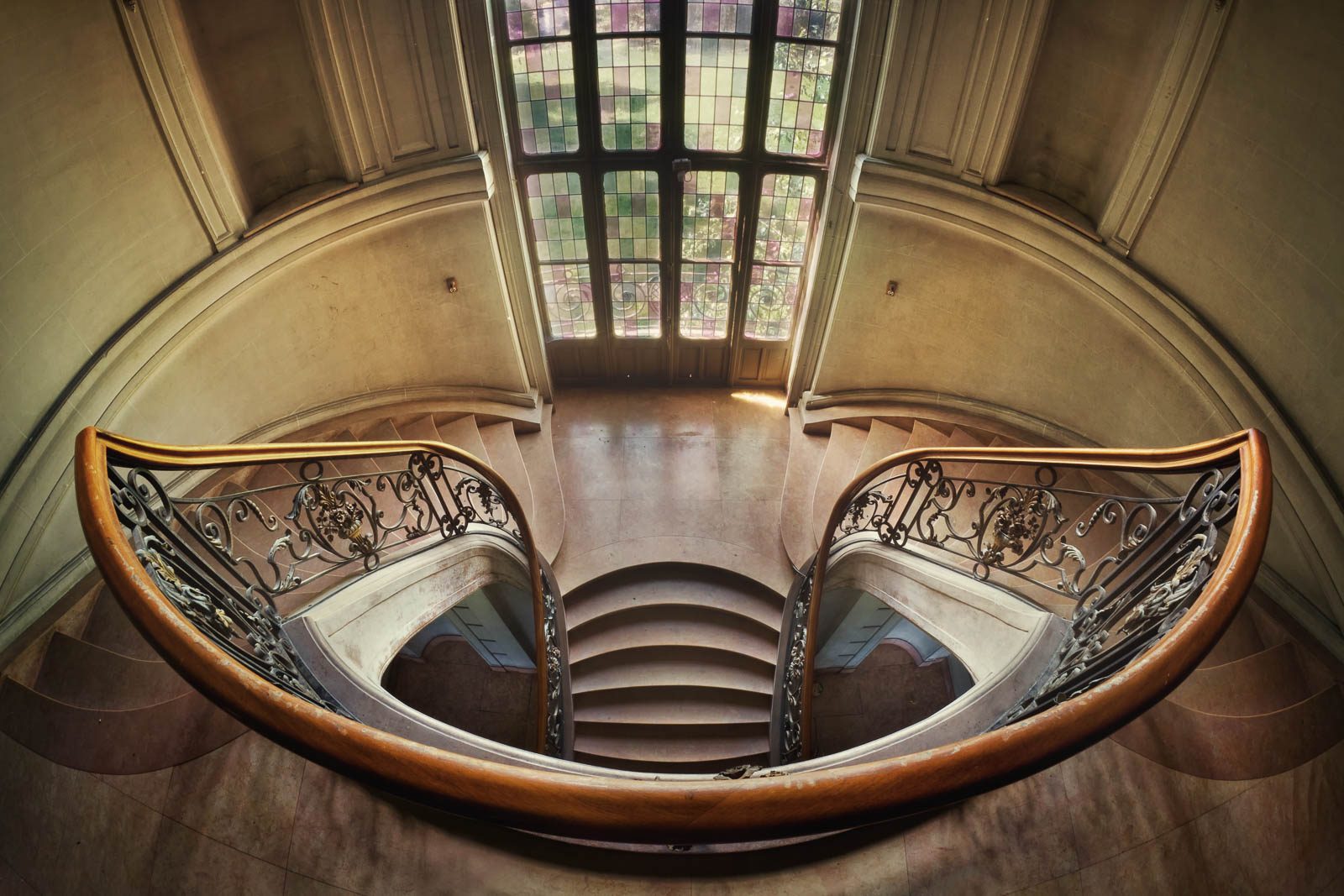
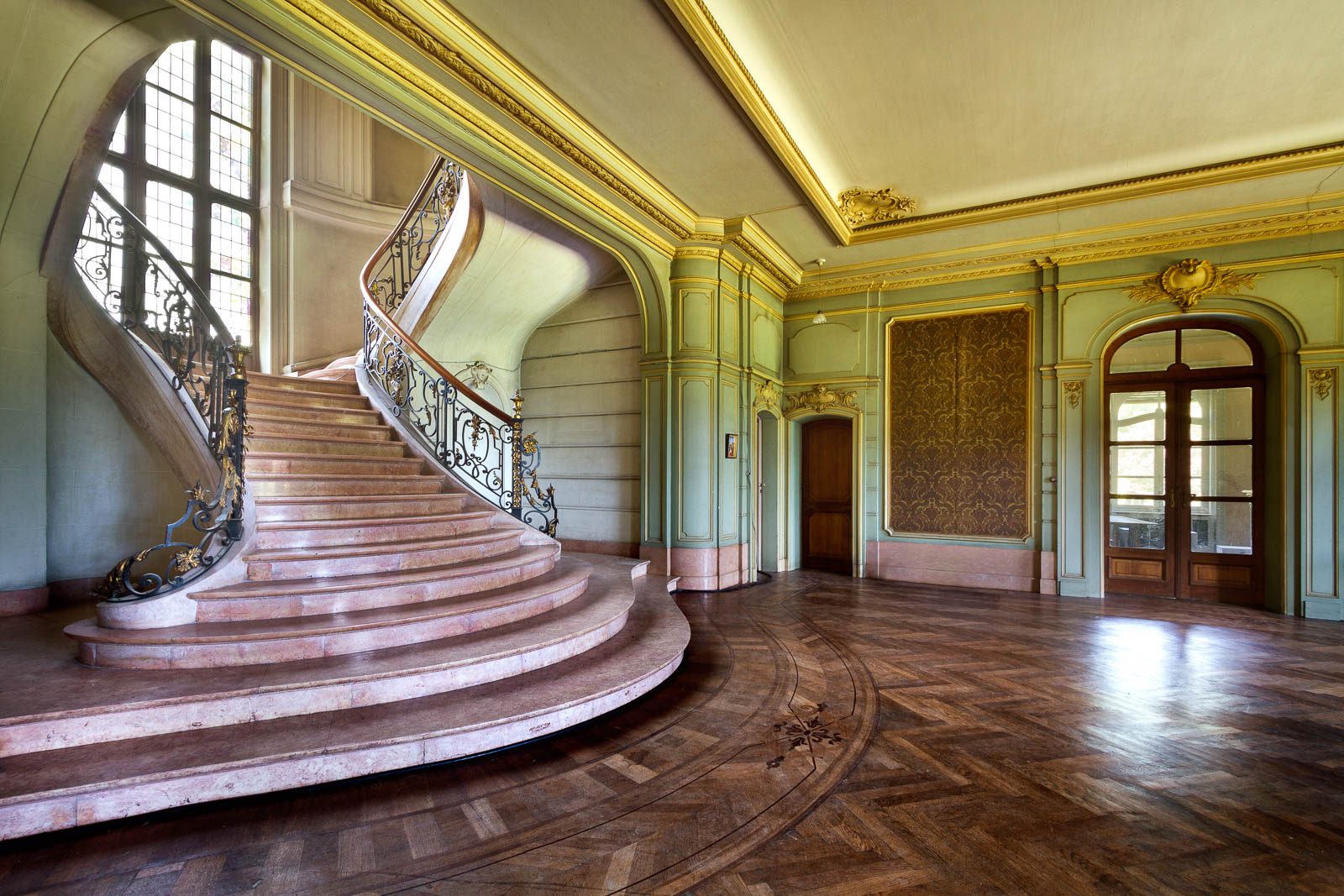
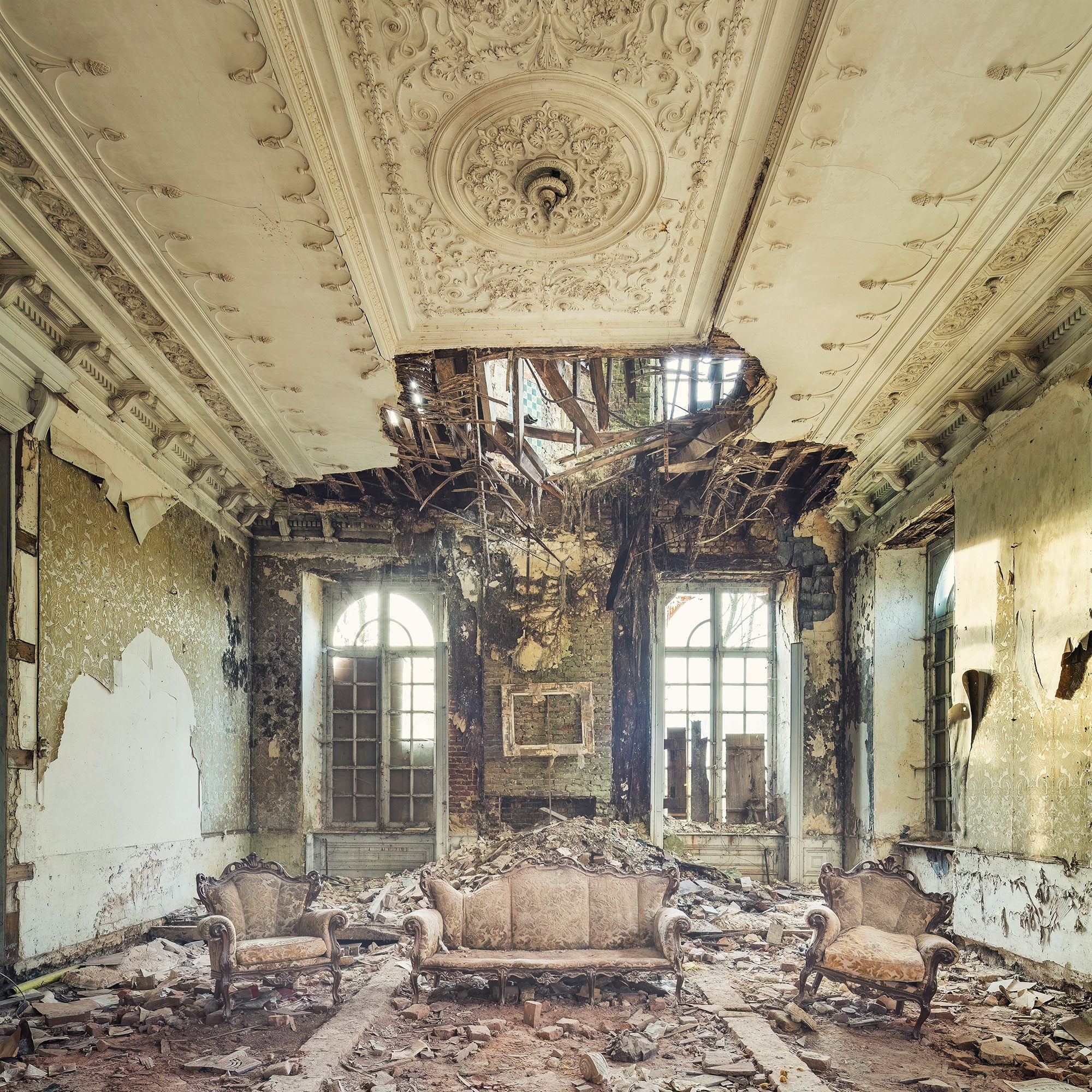
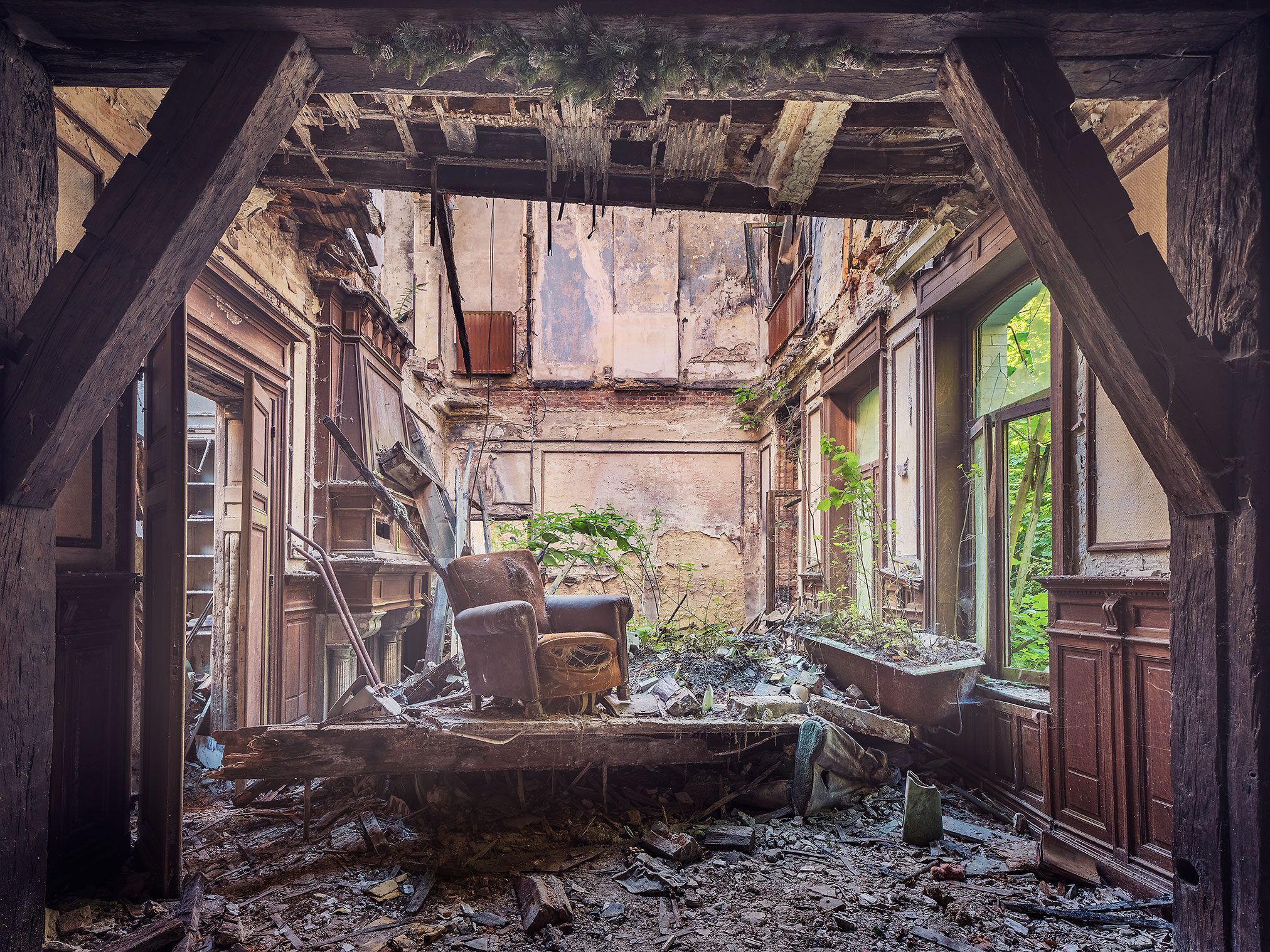
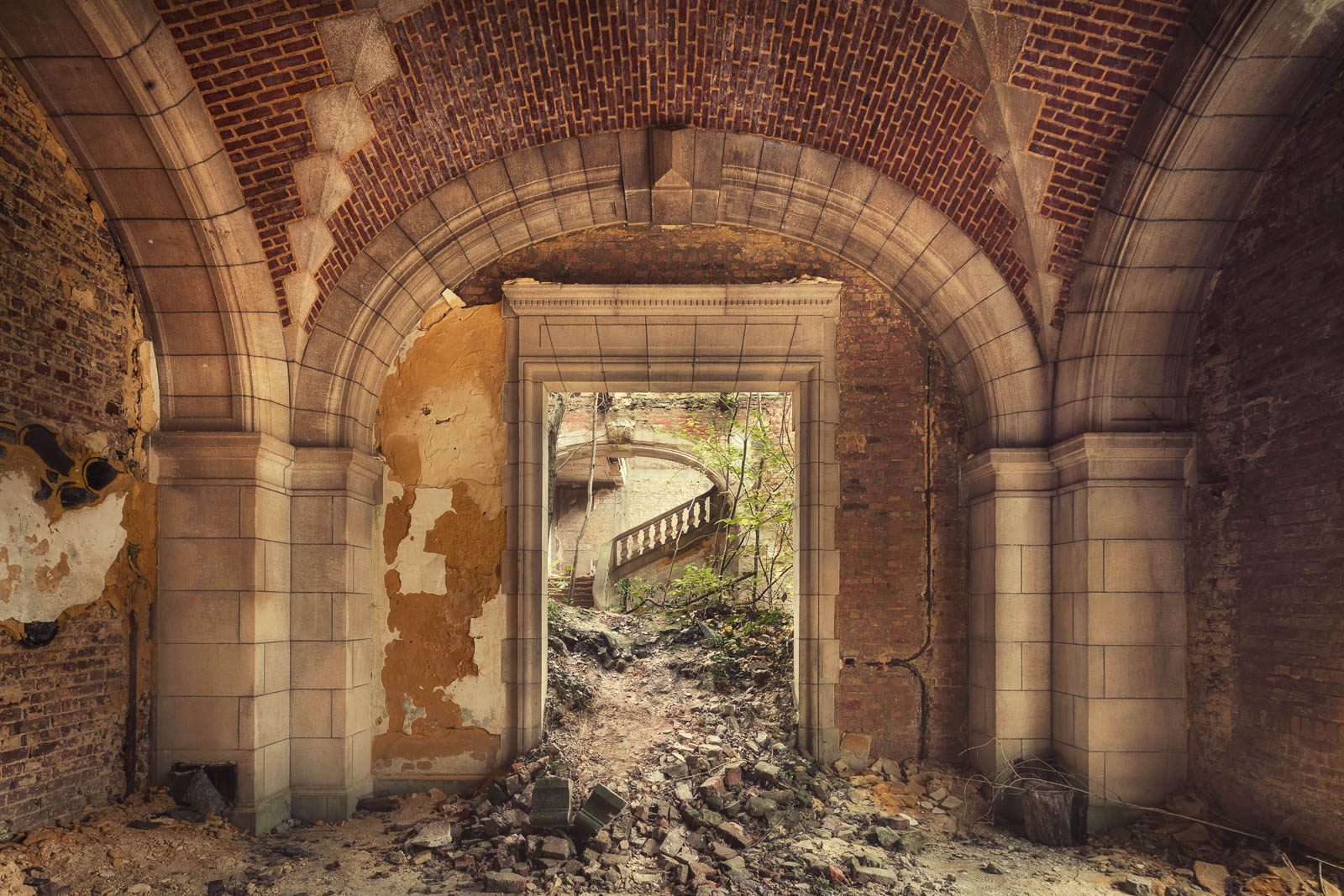
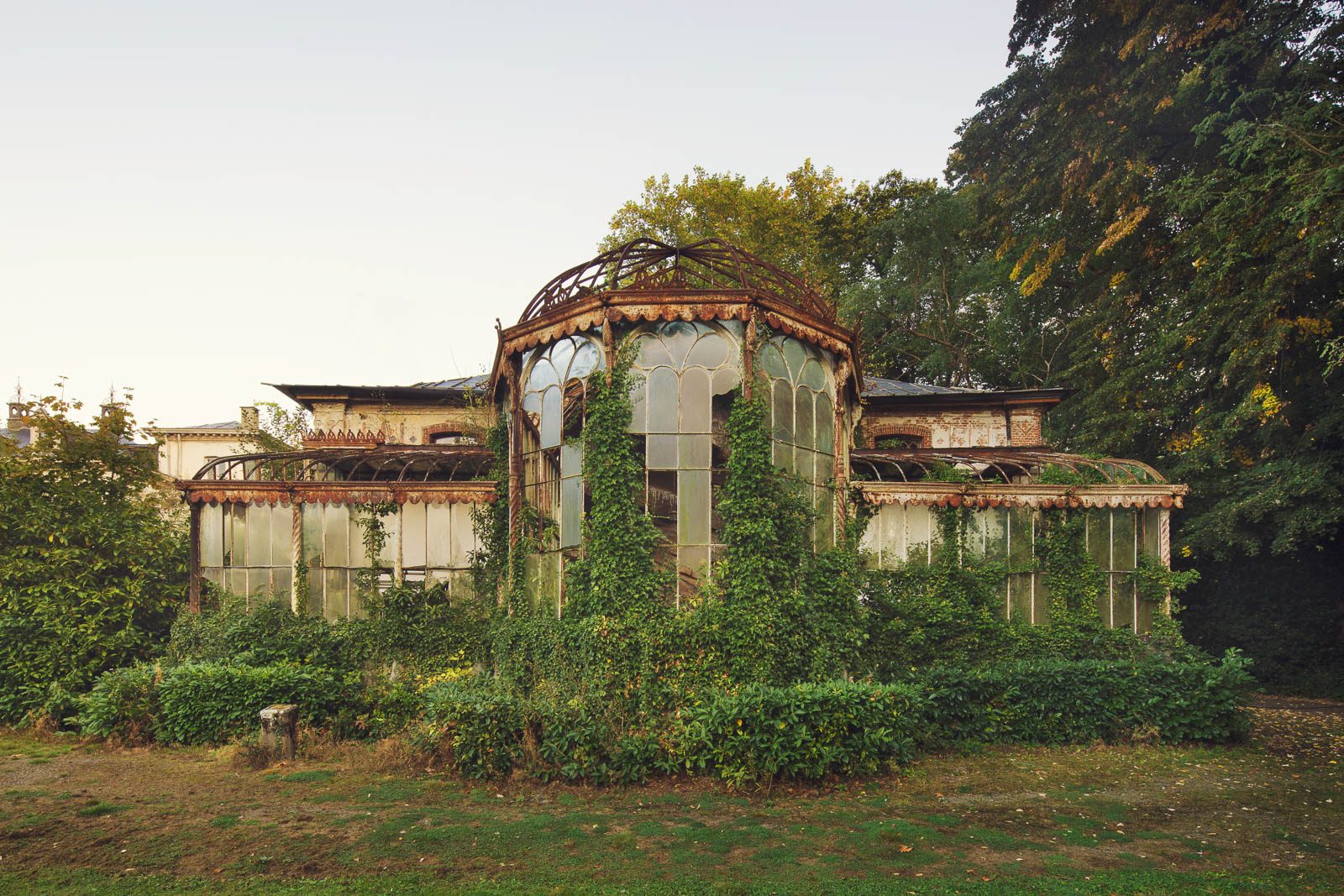
Belgium is also strewn with châteaux and manor houses with a character all their own. An estimate from 2024 arrives at close to 3,000 across the country. Happily, more and more have been saved from decay over the past decade.
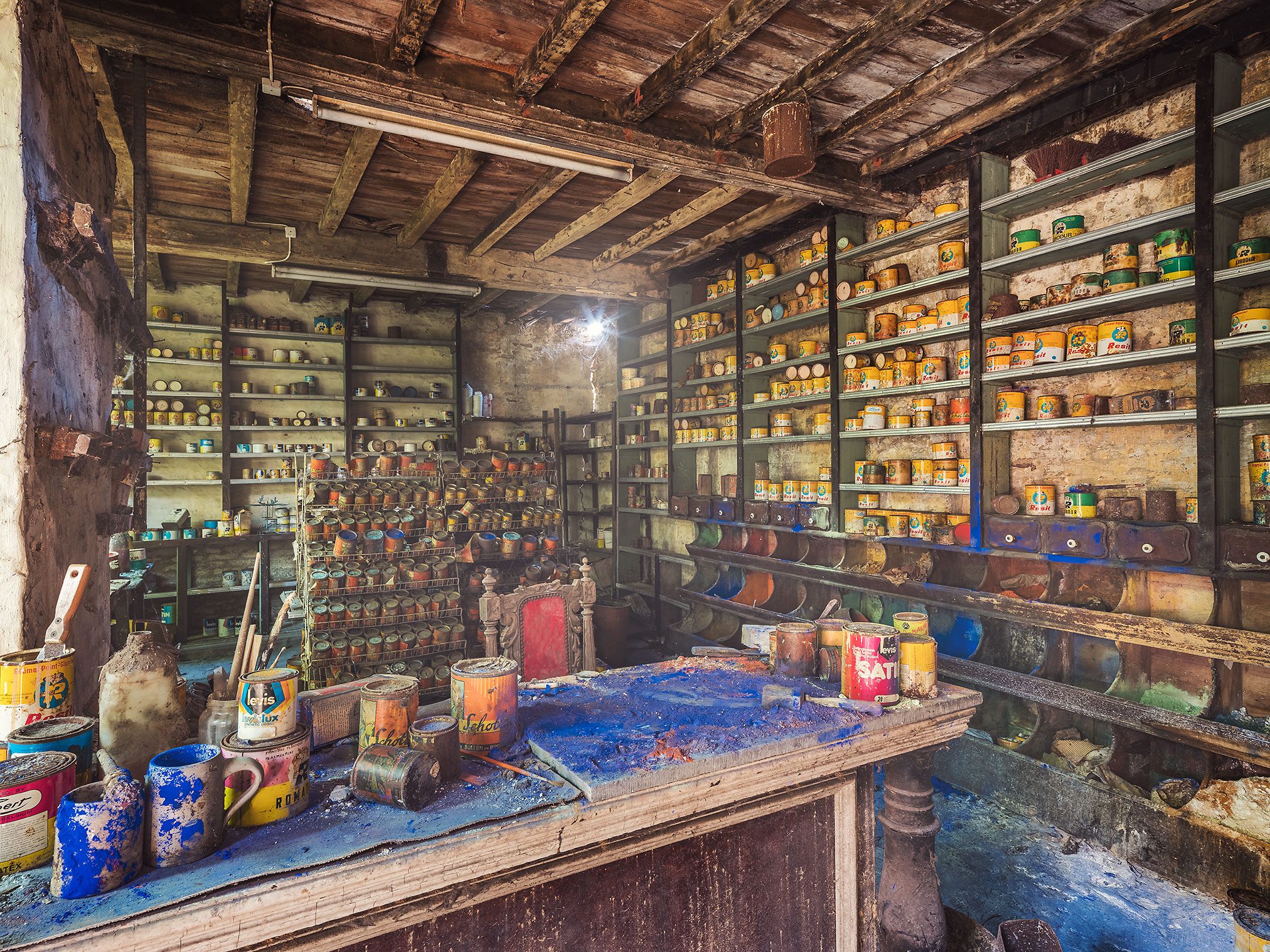
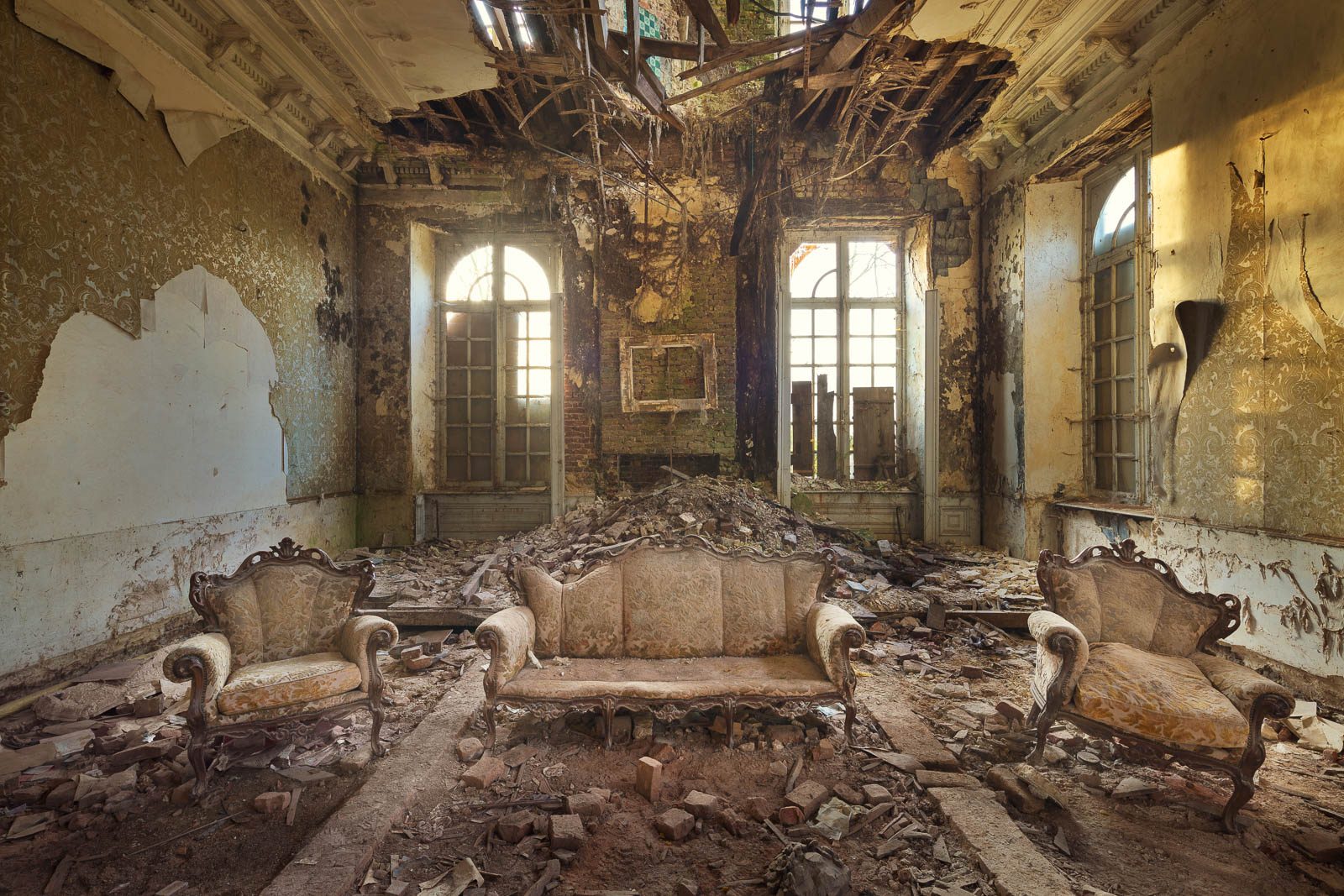
With Belgium’s abandoned places I notice one thing again and again: they often lie where you would hardly believe it. Even today they still turn up, the little time capsules, in the middle of a modern housing estate or in the middle of town. Almost invisible behind an overgrown gate, for instance, hides a paint workshop that has surely been dreaming away for decades in the middle of a small town. It is always worth looking twice here.
My first visit to the legendary Château Miranda, also known as Château de Noisy, in 2009 remains unforgettable. After a long walk through the forest the forgotten castle with its imposing clock tower suddenly appeared, a fairy-tale castle in the Walloon hills, and I had goosebumps all over. In the autumn of 2016 demolition began. A year later only a heap of rubble was left.
What has been saved
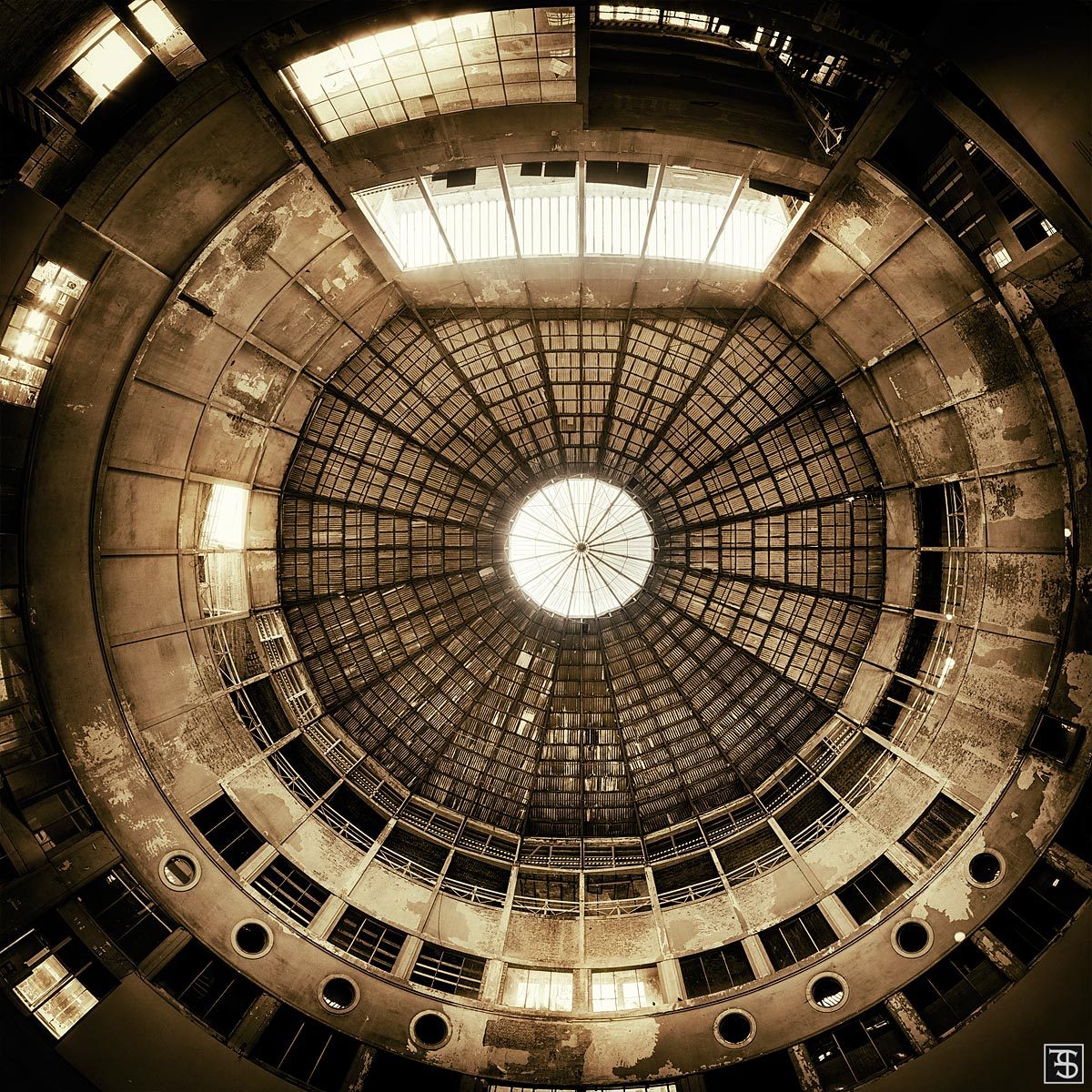
Not everything has disappeared. The old stock exchange in Antwerp, built between 1869 and 1872 to designs by Joseph Schadde in the Gothic Revival style, stood empty for some two decades. On 4 October 2019 it reopened after restoration. My picture shows the hall before that.
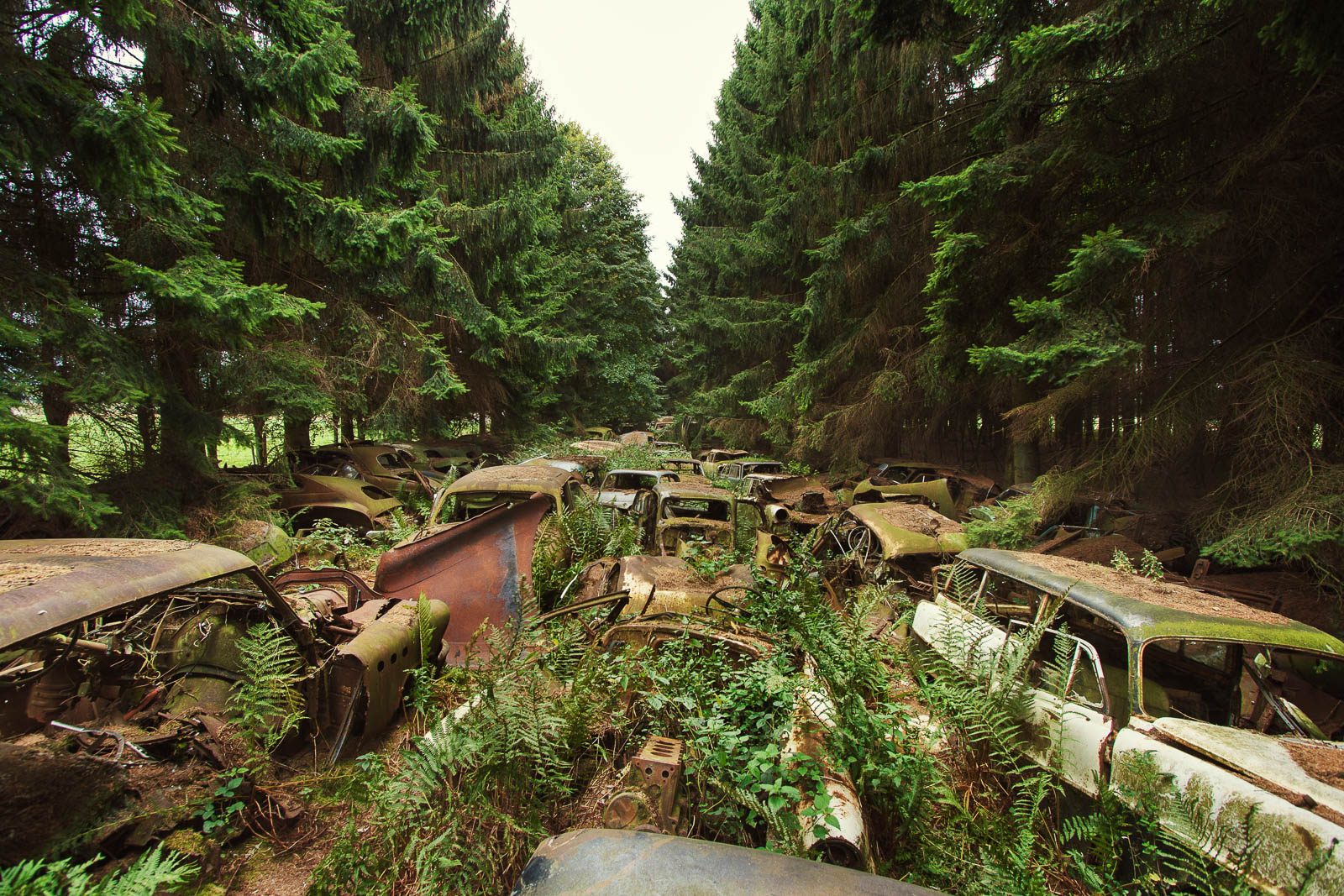
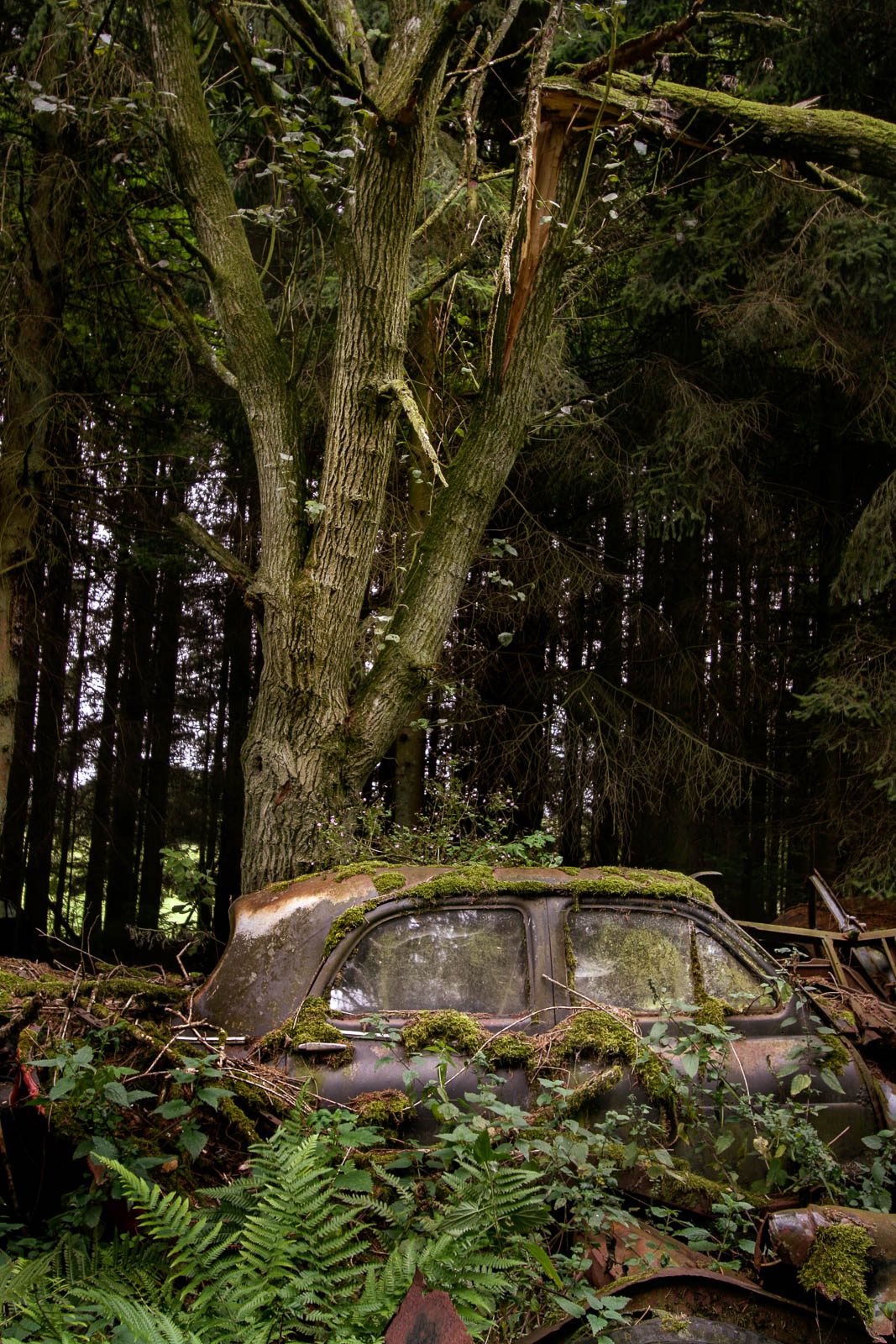
The car graveyard in the forest of Châtillon, by contrast, no longer exists. The wrecks were removed in October 2010.
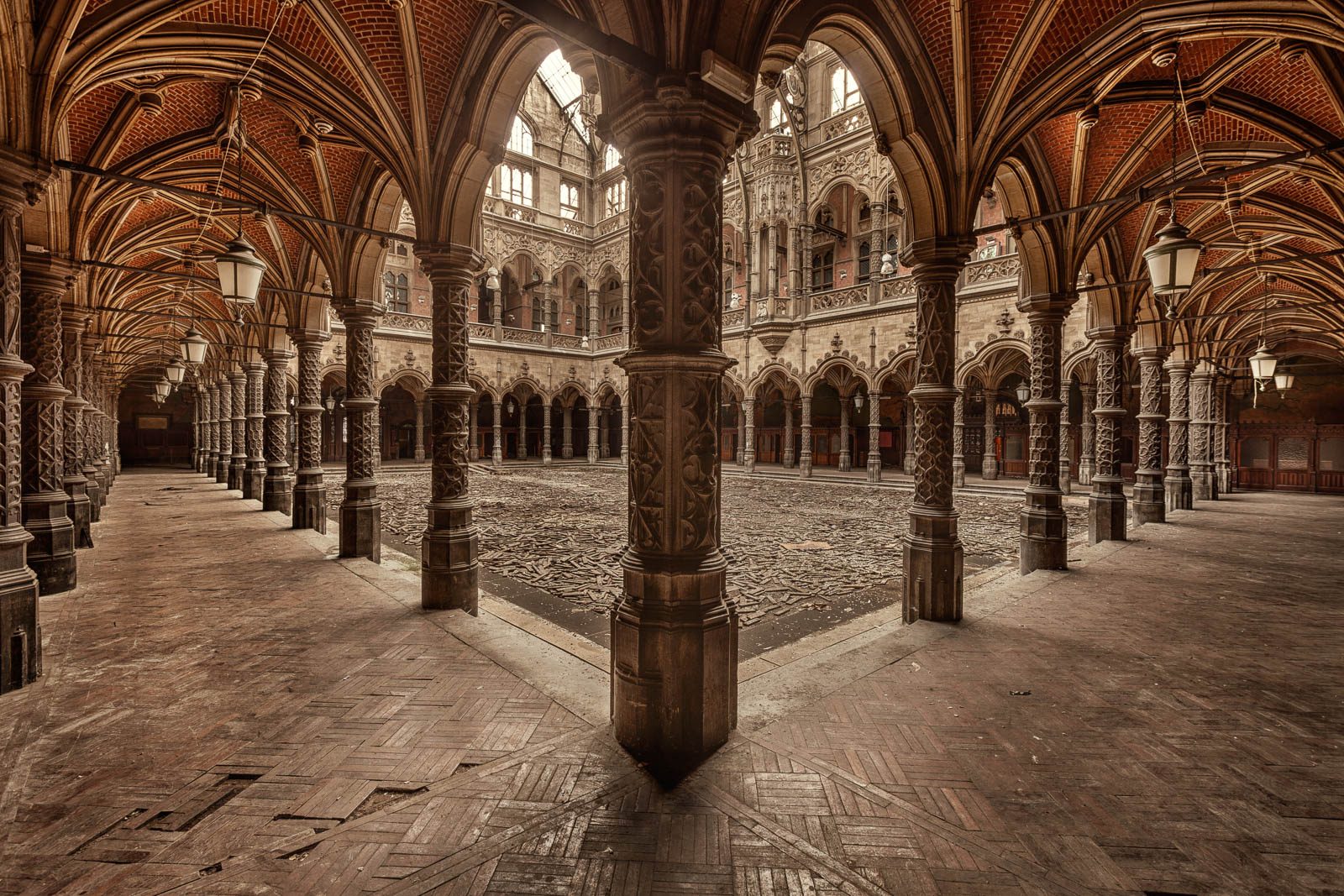
Only for my book did I, after a long time, make several trips to Belgium again. It will always have a firm place in my heart in any case.
Belgium is one of the twelve countries in my book VERGESSENE PRACHT, published by Frederking & Thaler in 2023.
The pictures
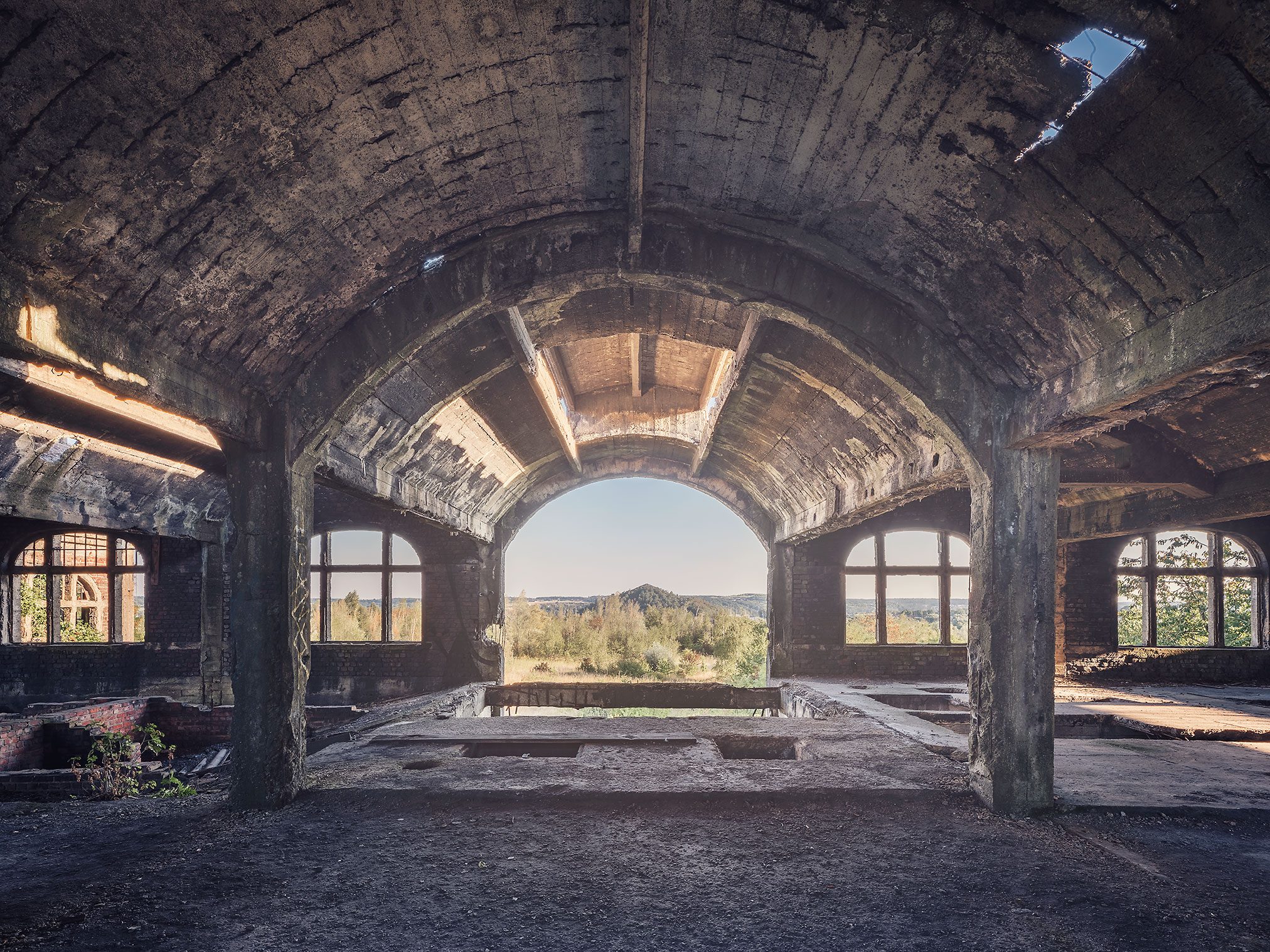
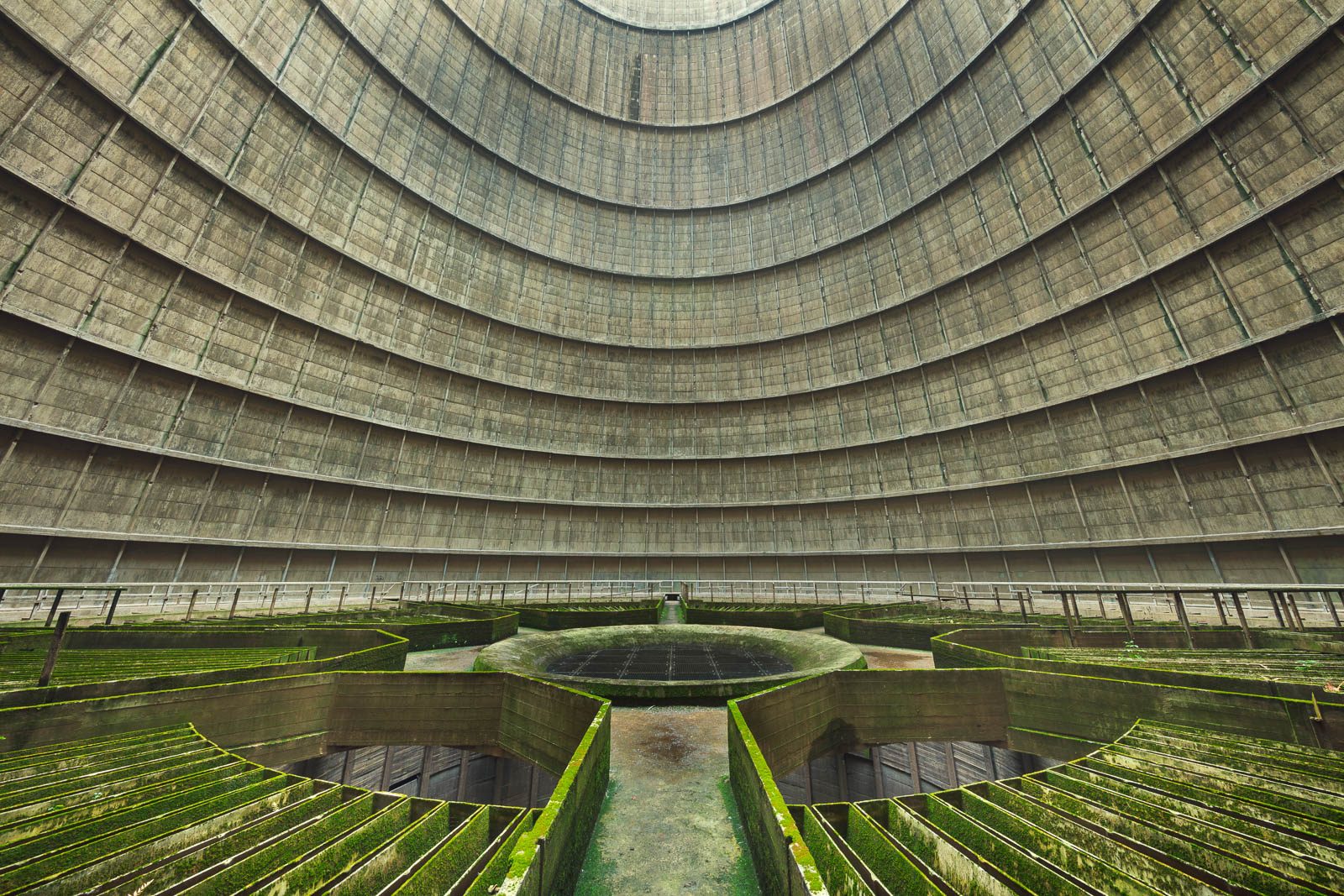
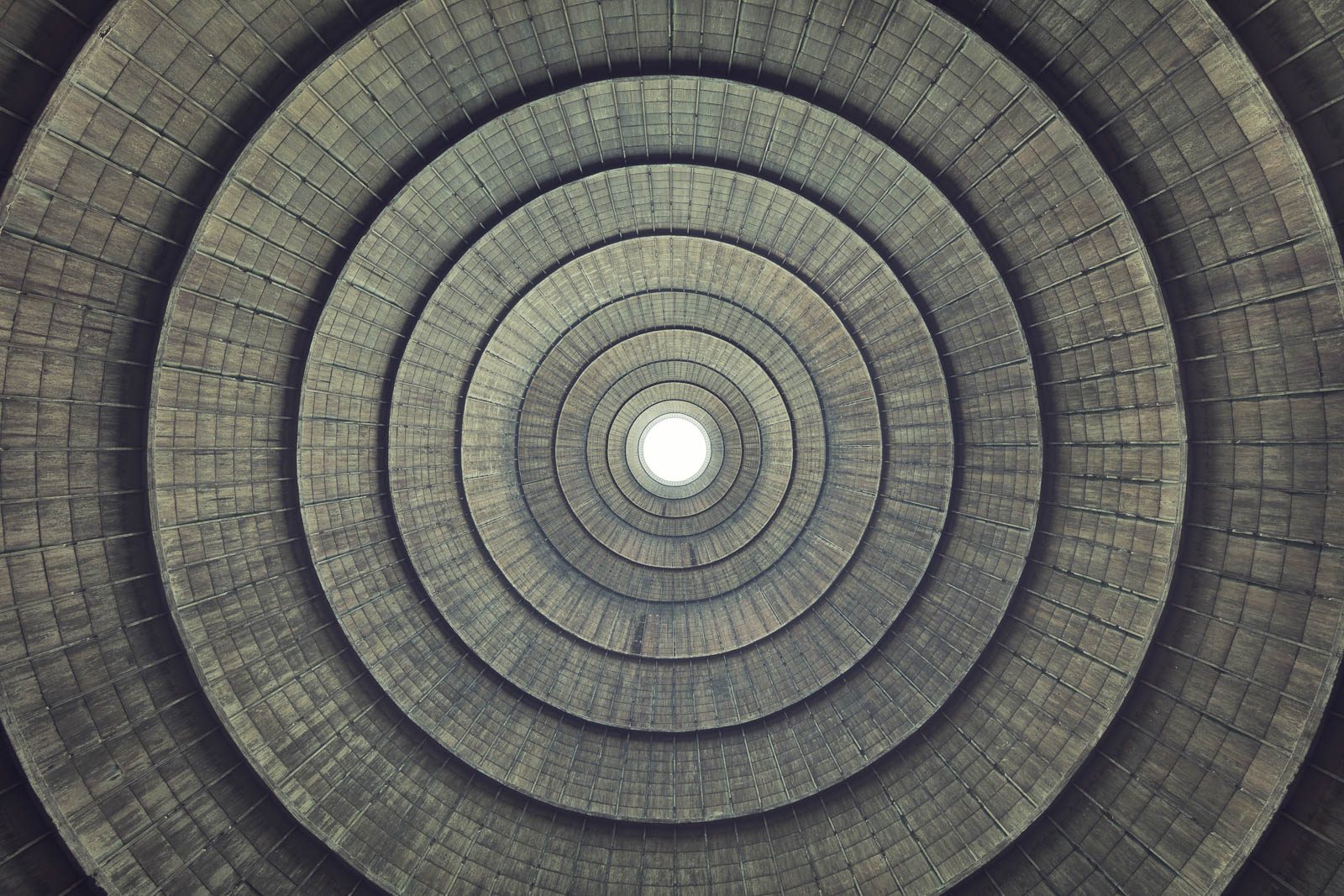
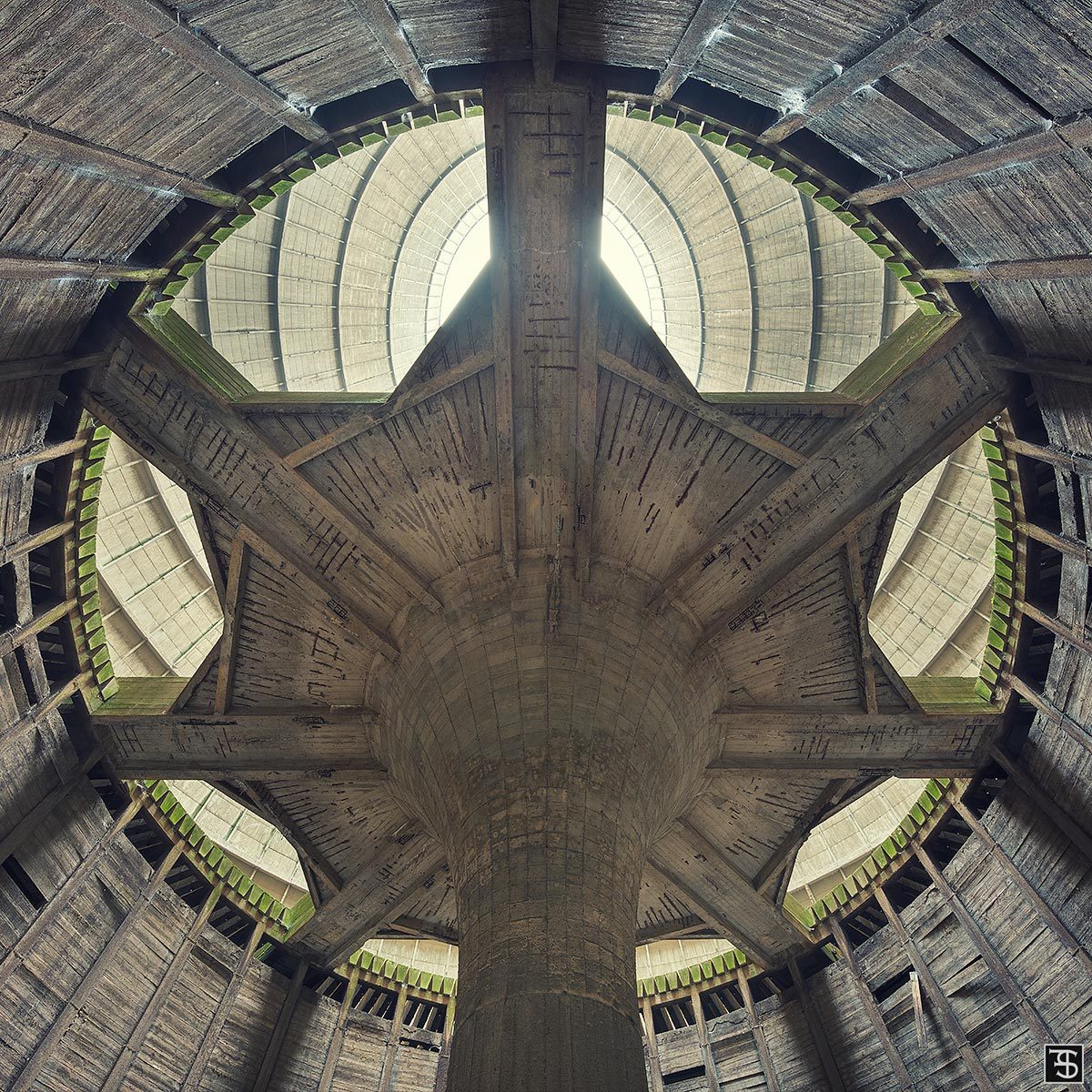
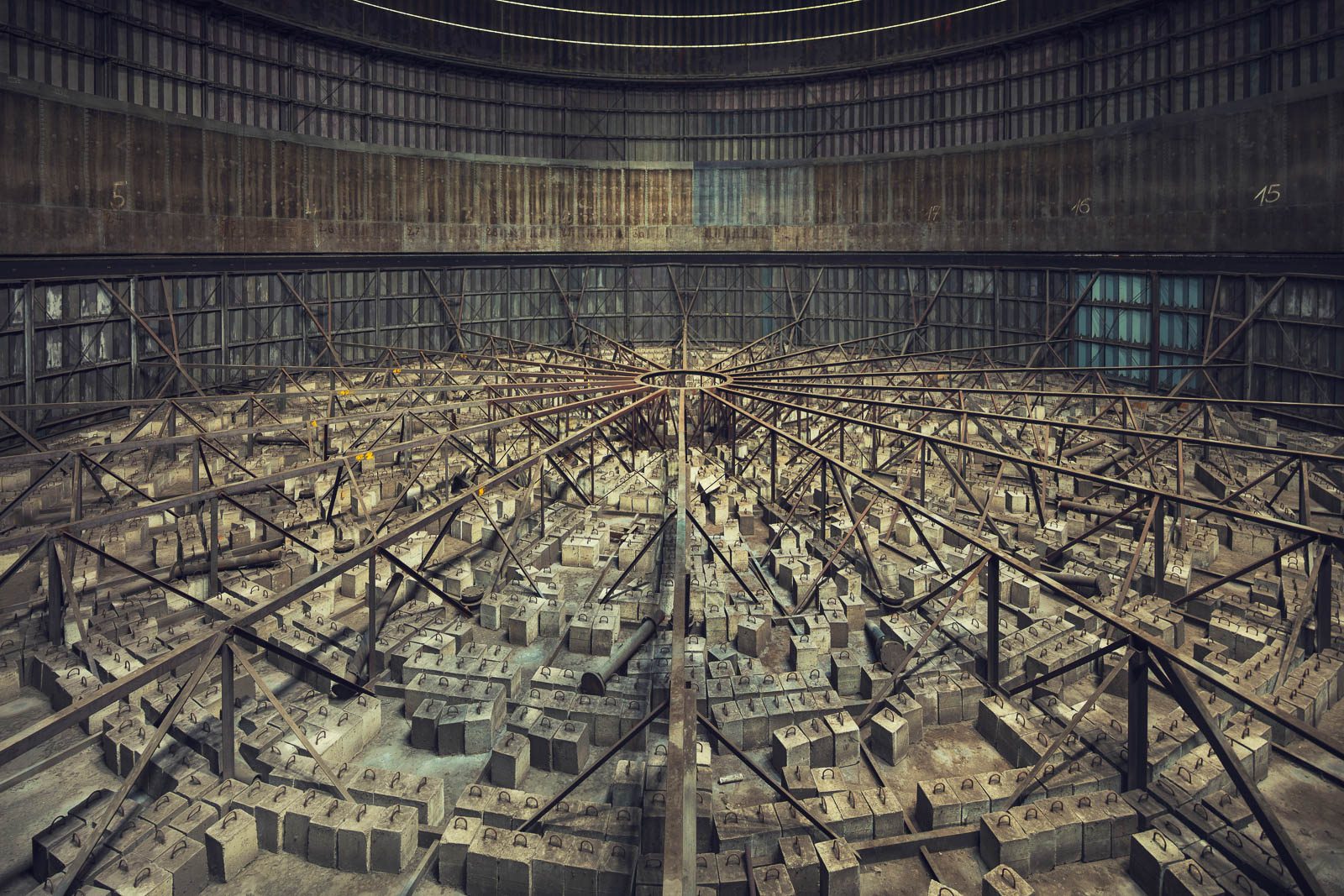
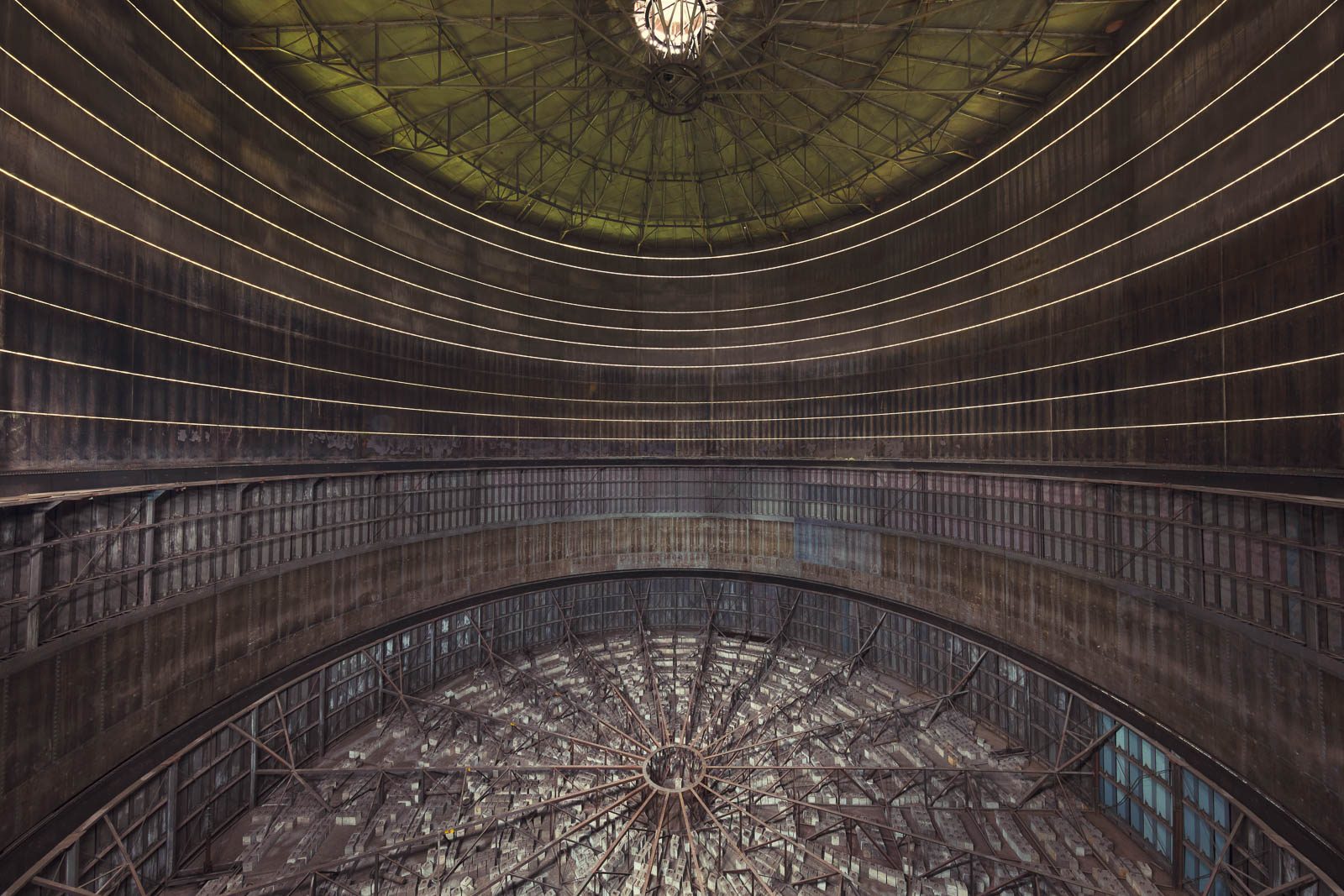
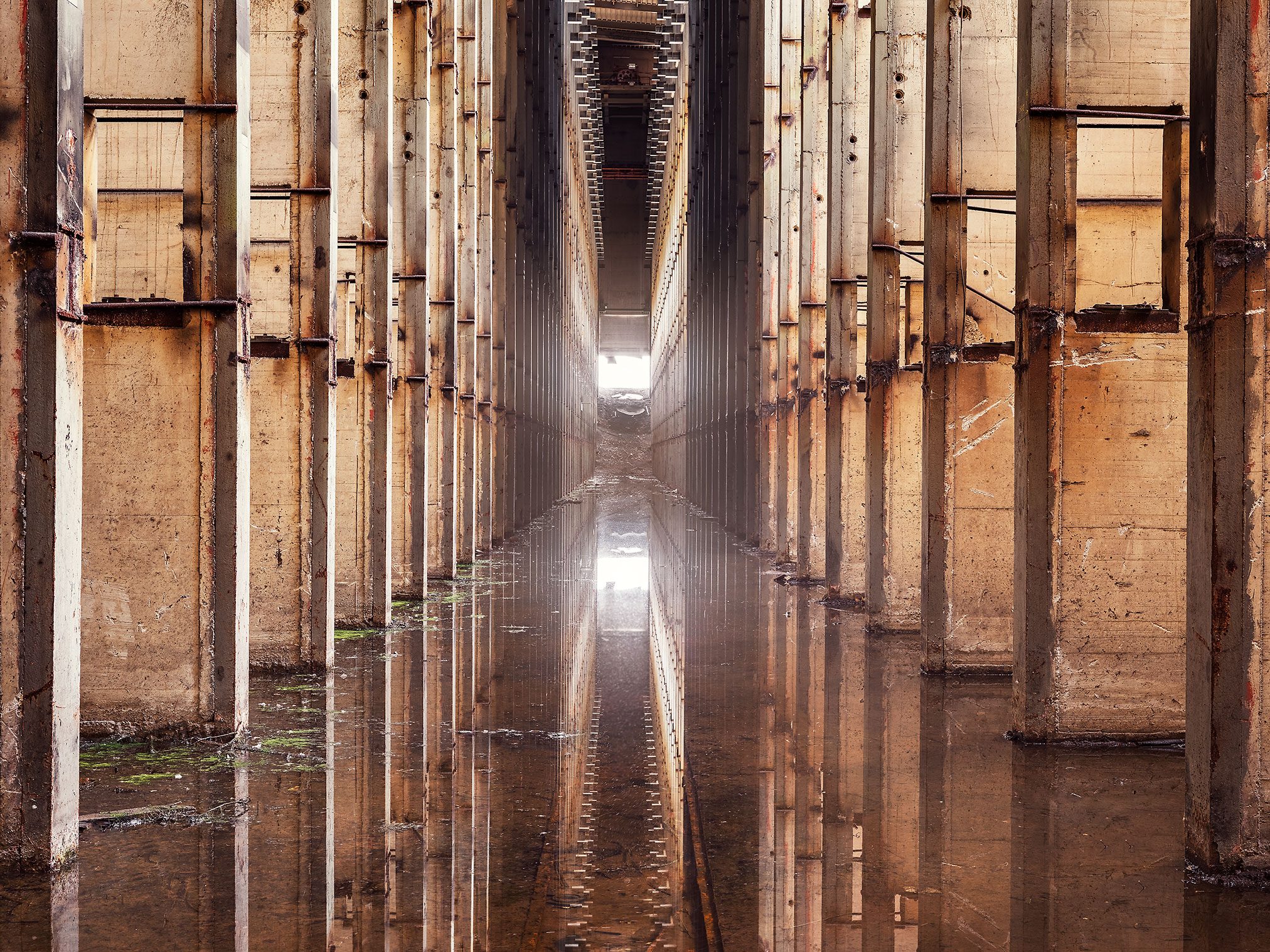
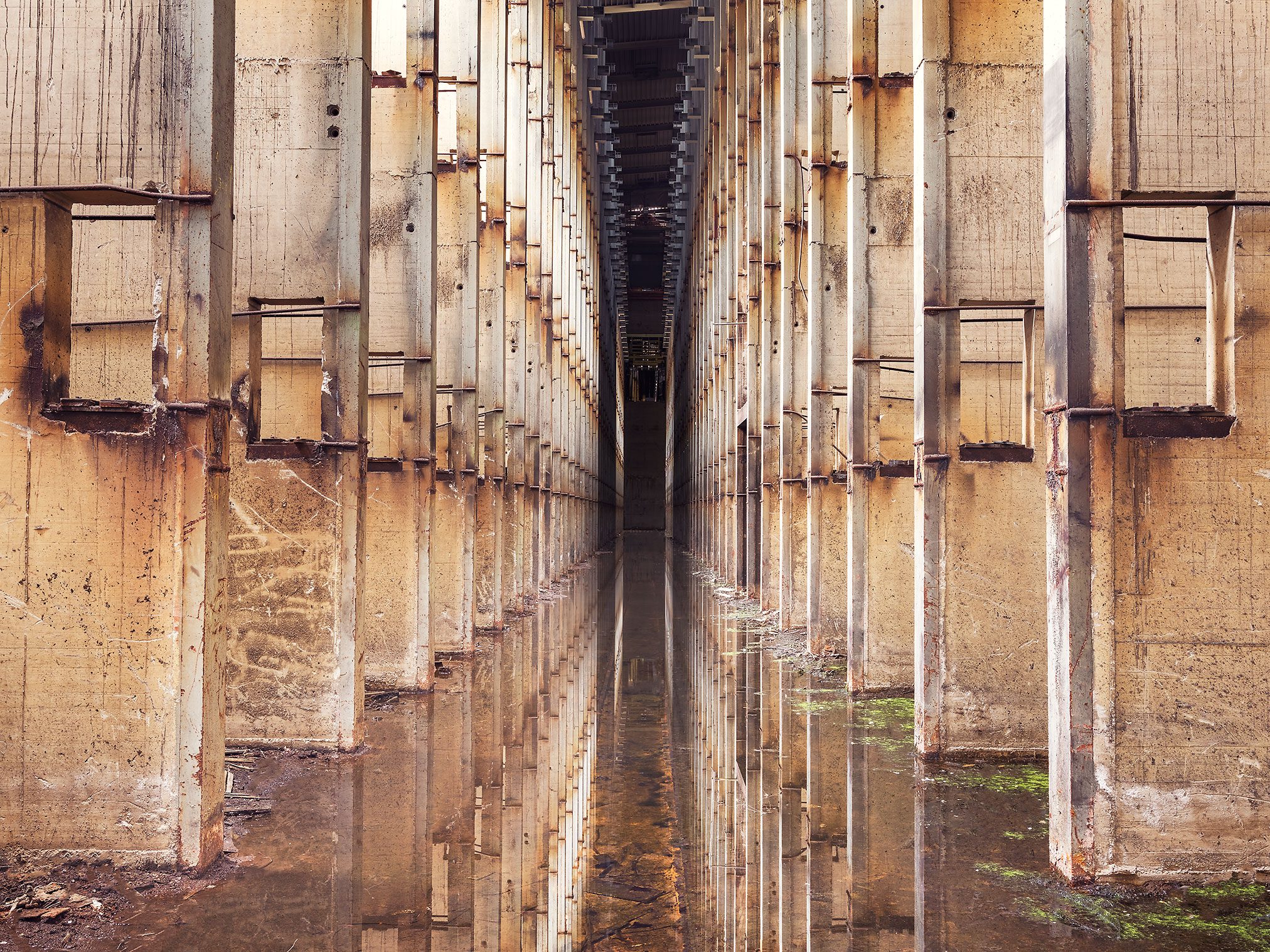
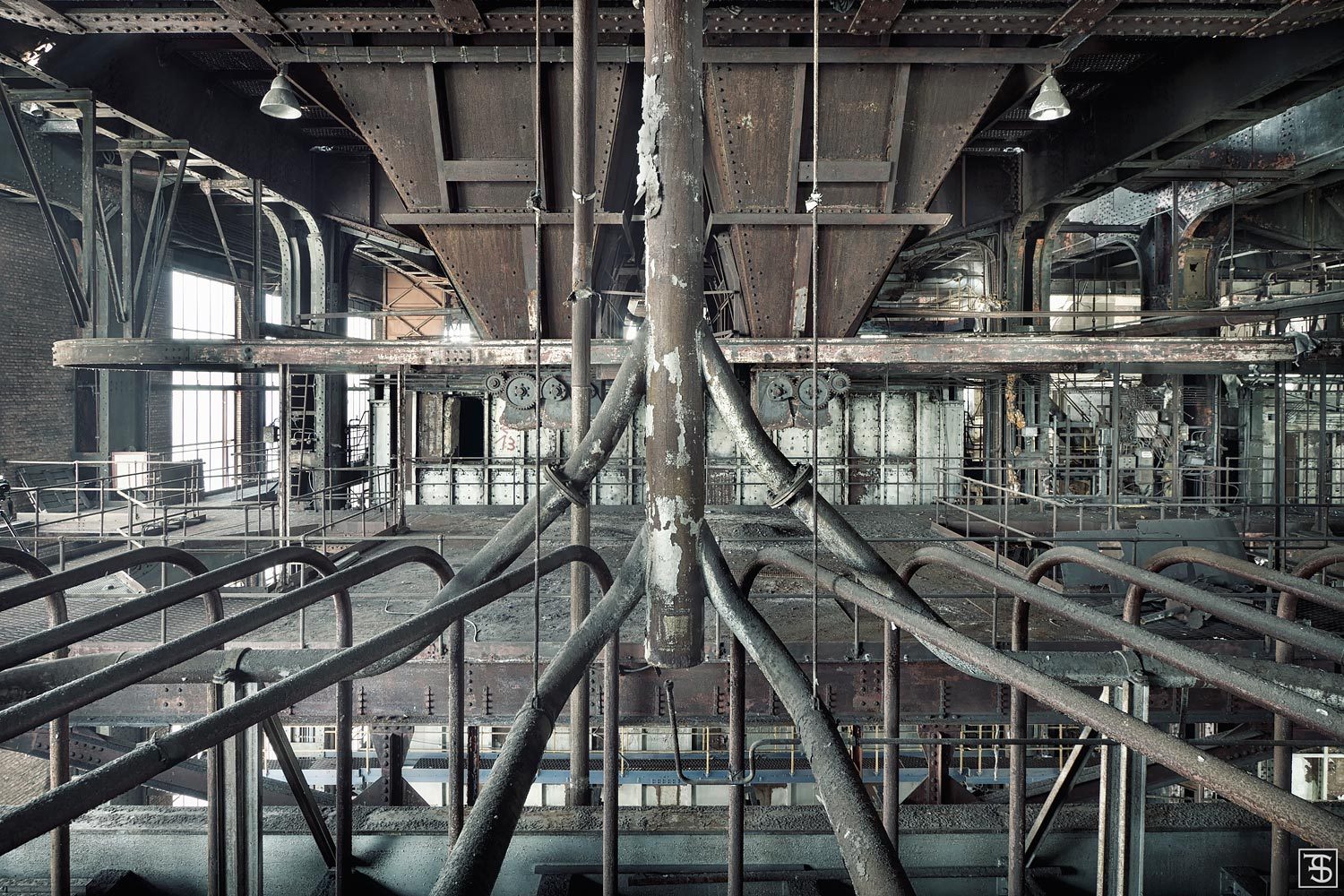
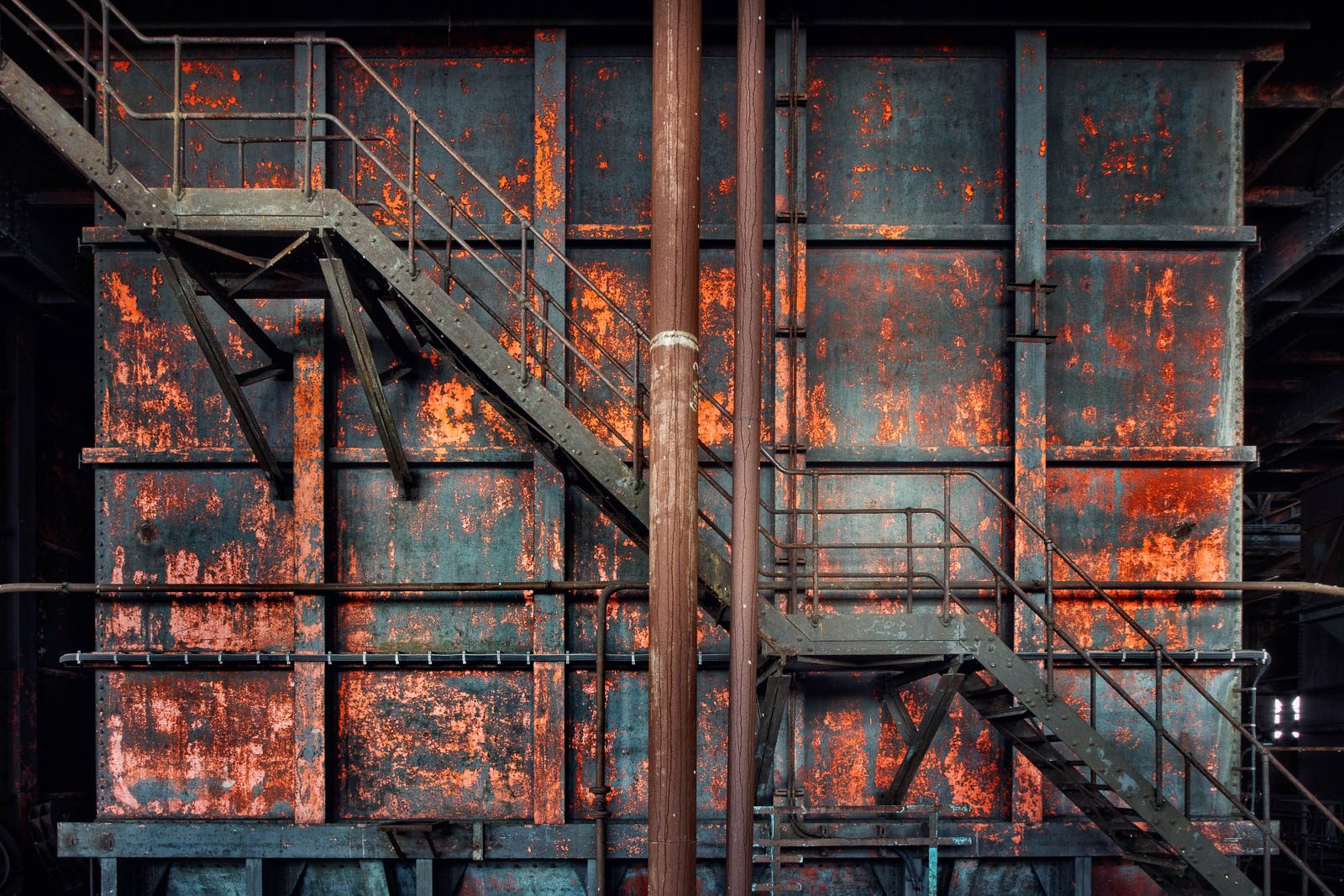
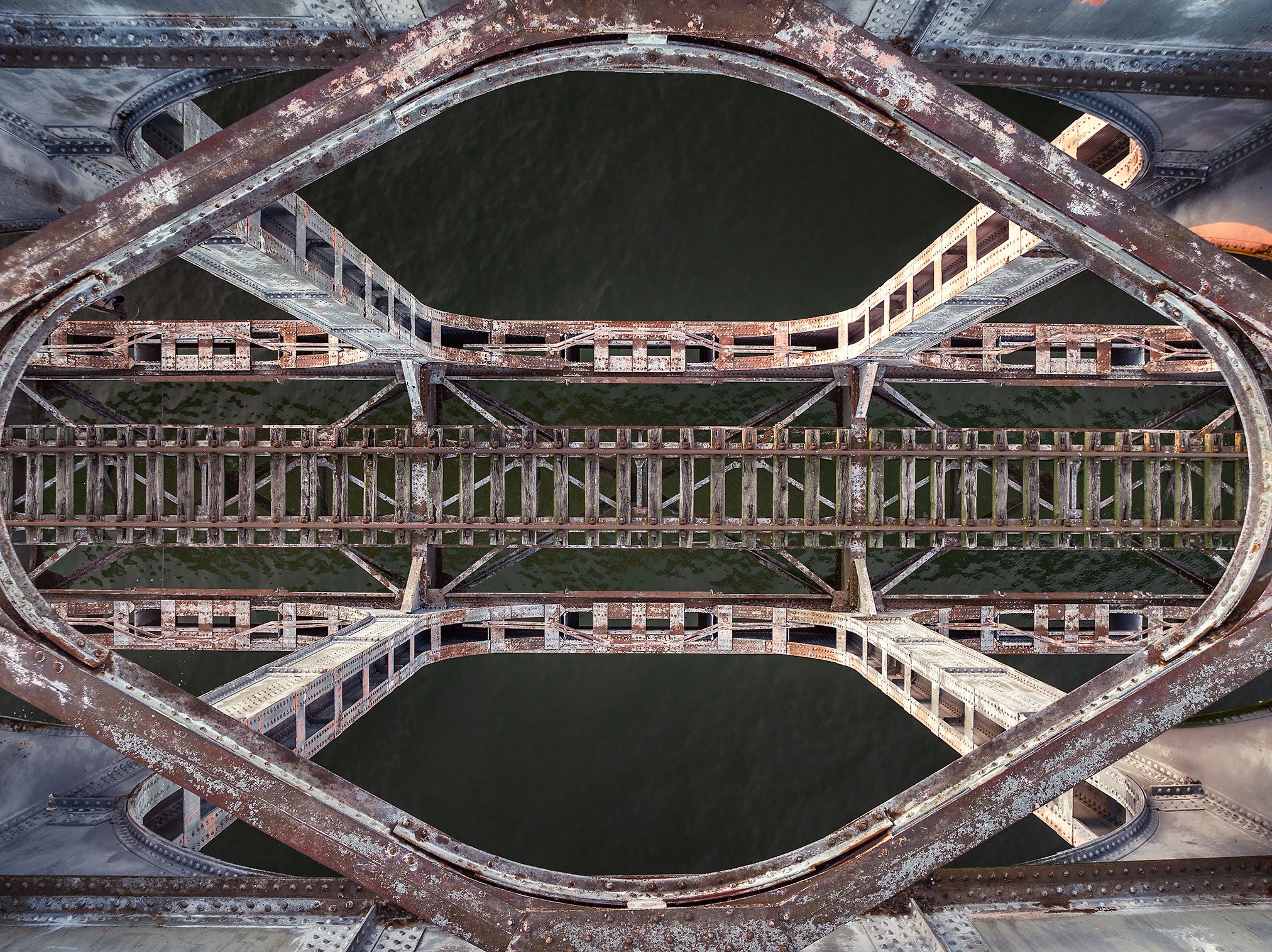
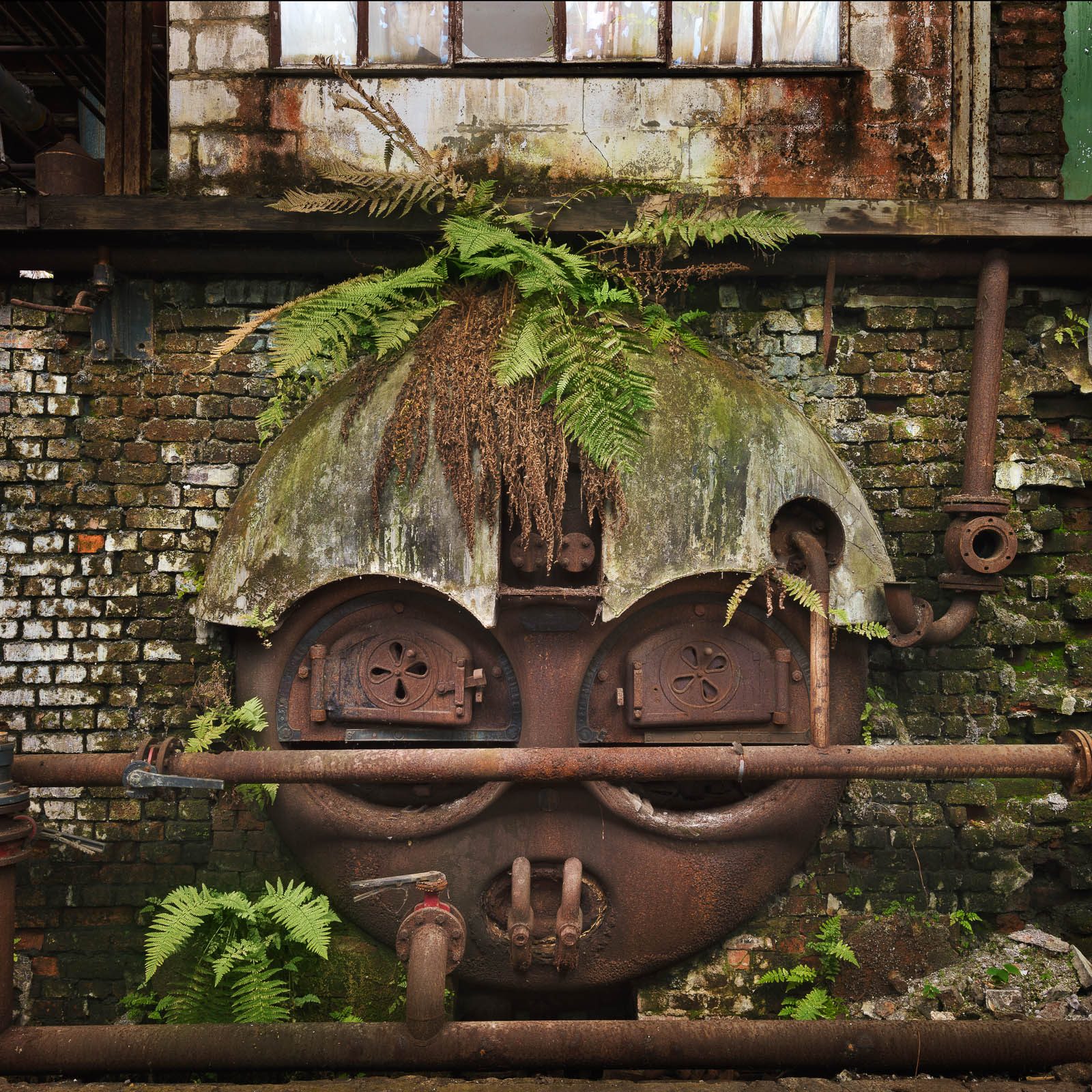
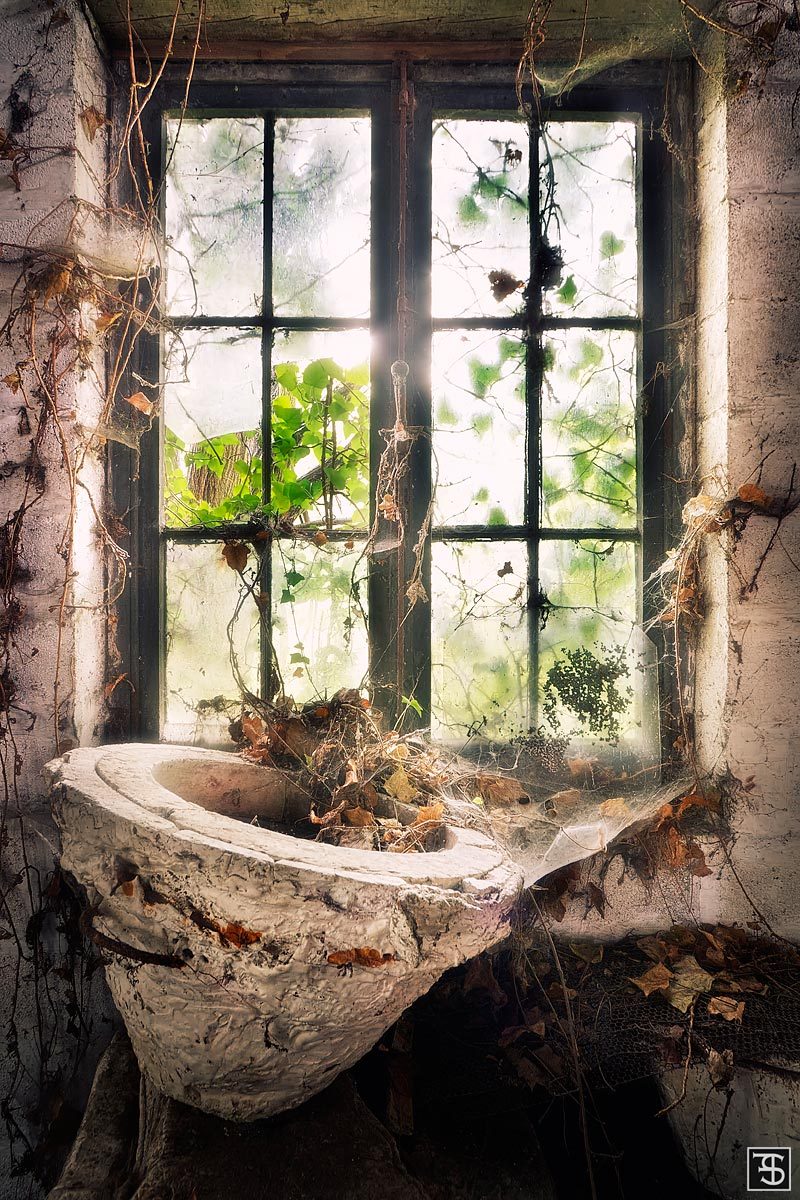
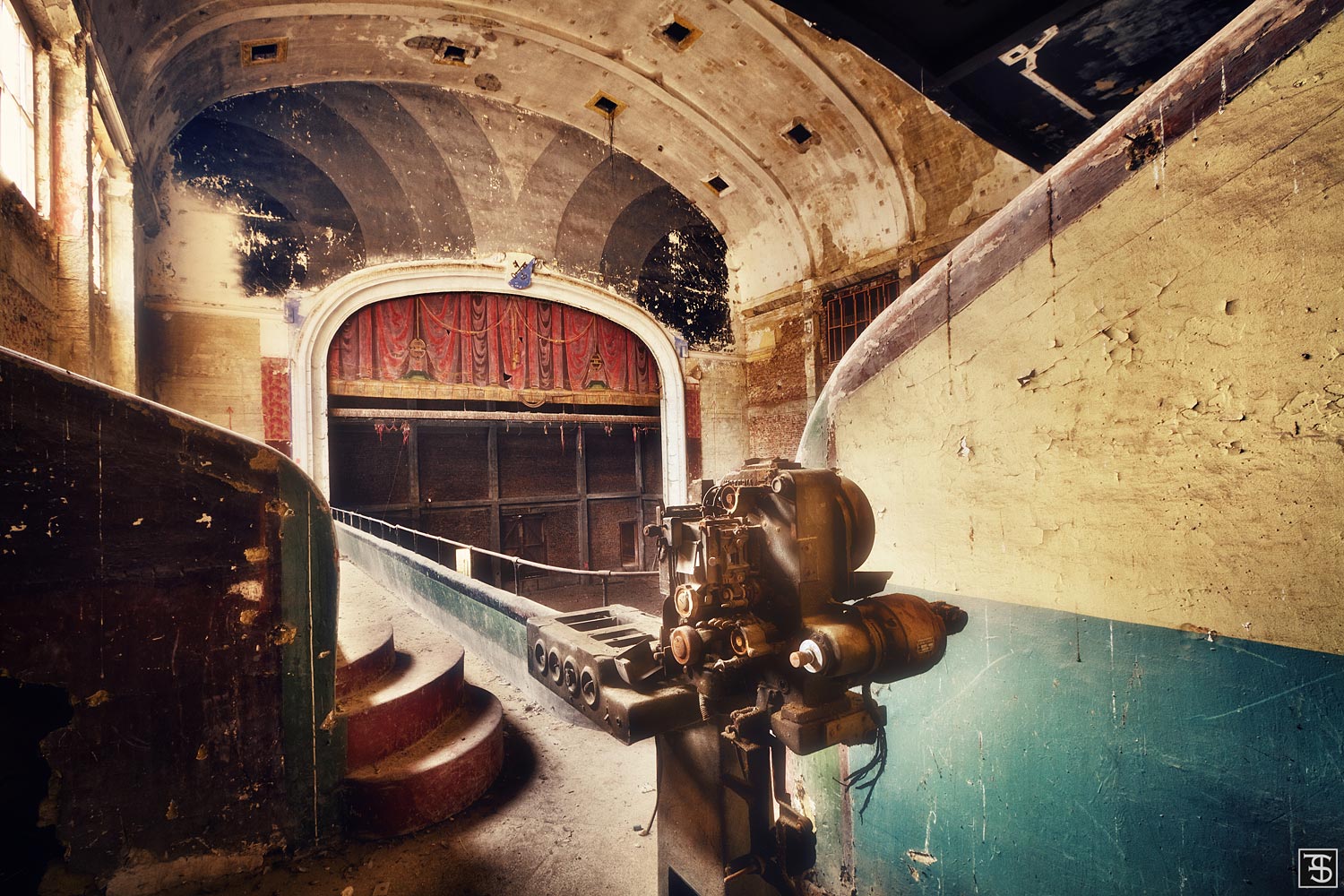
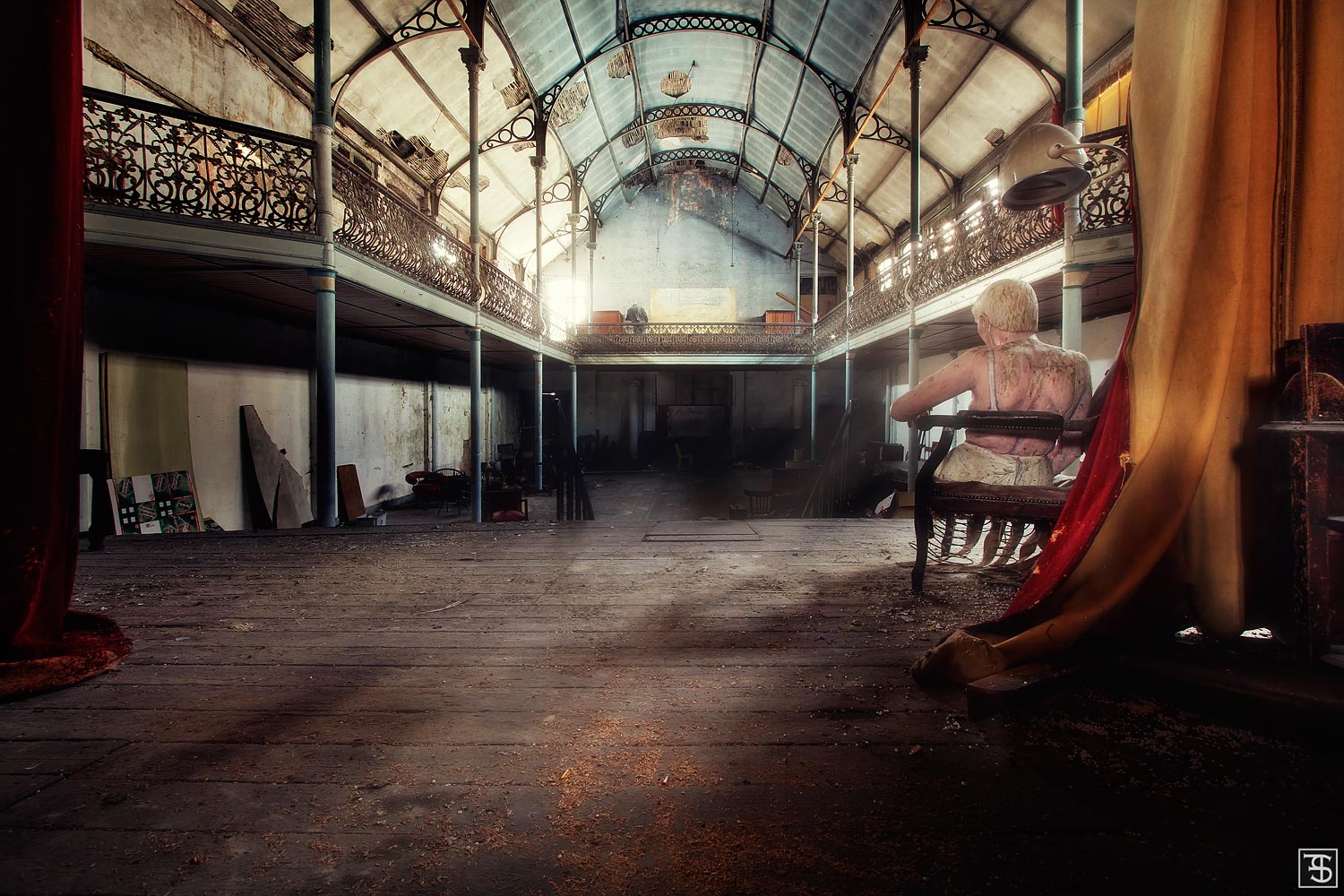
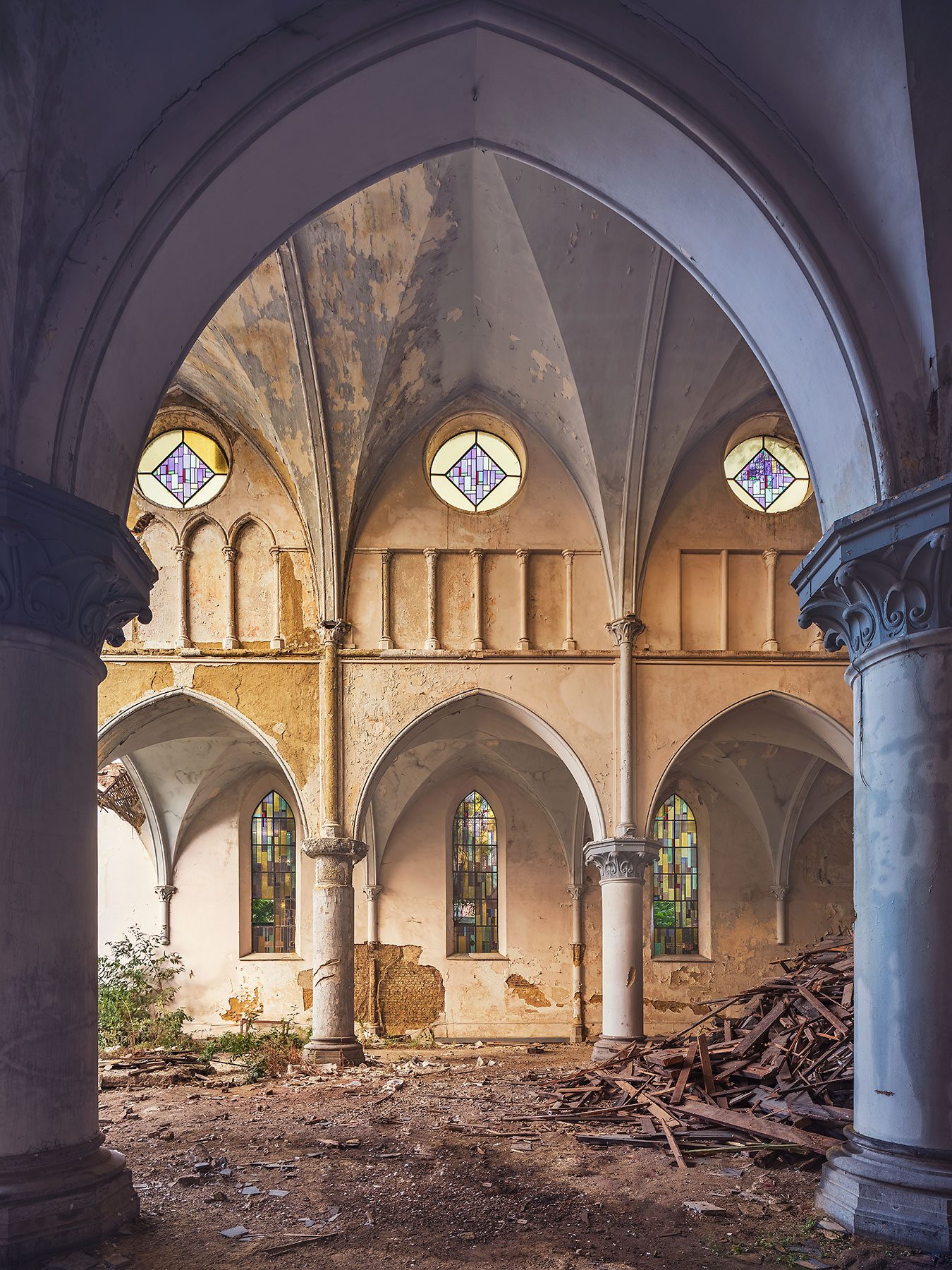
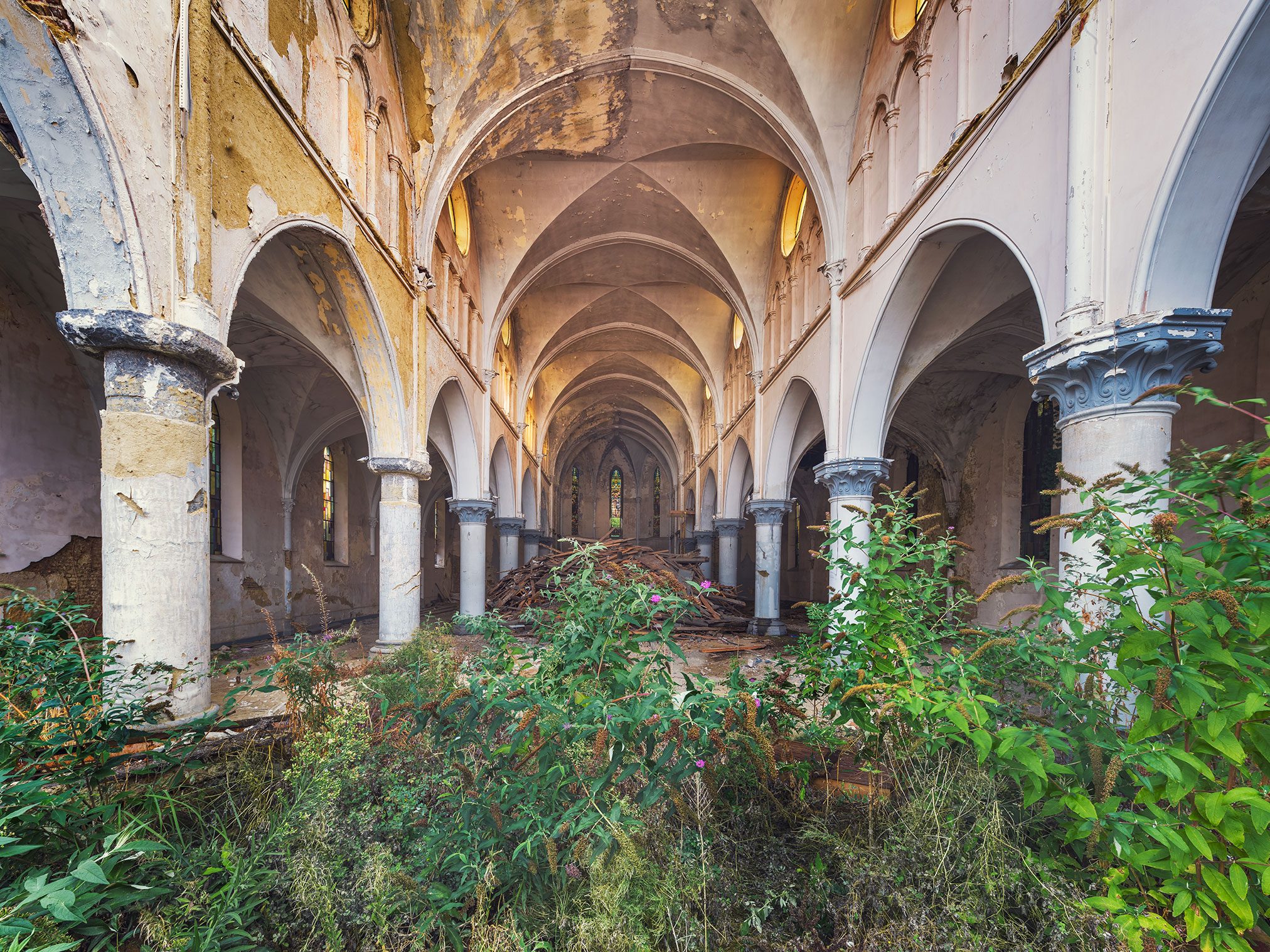
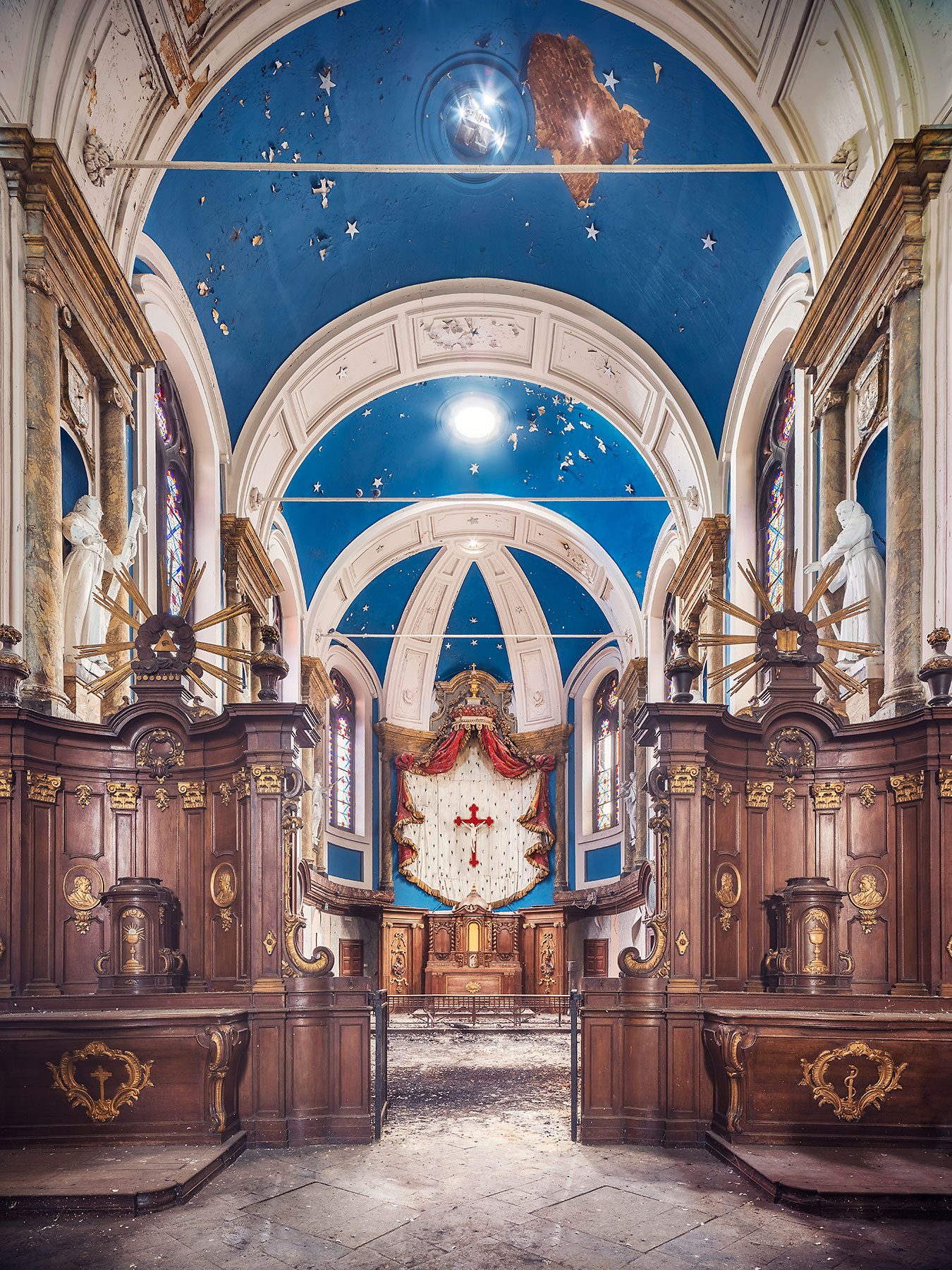
Photographs from Belgium from the series OVER AND DONE, VERTICALITY, END OF THE JOURNEY, ELEMENTAL and others.
-
-
-
-
-
-
-
-
-
-

-
-

-
-
-
-
-
-
-
-
-
-
-
-
-
-
-
-
-
-
-
-
Sources and further background
This story draws on the following sources.
- The Brussels Times: How 200 years of industry shaped Belgium’s identity (15.02.2018) , accessed 11. November 2026
- ICOMOS: Major Mining Sites of Wallonia, Evaluation (2012) , accessed 11. November 2026
- Blegny-Mine: UNESCO World Heritage , accessed 11. November 2026
- RTBF: Le charbonnage du Hasard à Cheratte (10.02.2014) , accessed 11. November 2026
- RTBF: Cheratte, le chantier de réhabilitation (26.10.2017) , accessed 11. November 2026
- La Dernière Heure: Permis accordé pour la réhabilitation du charbonnage du Hasard (18.01.2025) , accessed 11. November 2026
- La Dernière Heure: Nouveau subside pour la restauration du charbonnage du Hasard (24.11.2025) , accessed 11. November 2026
- Paris Match Belgique: Près de 3000 châteaux en Belgique (16.04.2024) , accessed 11. November 2026
- RTBF: Le château de Noisy n’existe plus (15.11.2017) , accessed 11. November 2026
- Onroerend Erfgoed: Handelsbeurs Antwerpen , accessed 11. November 2026
- VRT: Antwerp stock exchange restored to its former glory (07.10.2019) , accessed 11. November 2026
- Wikipedia: Châtillon, Belgium (Autofriedhof) , accessed 11. November 2026
Series
More from OVER AND DONE
Related stories
All stories →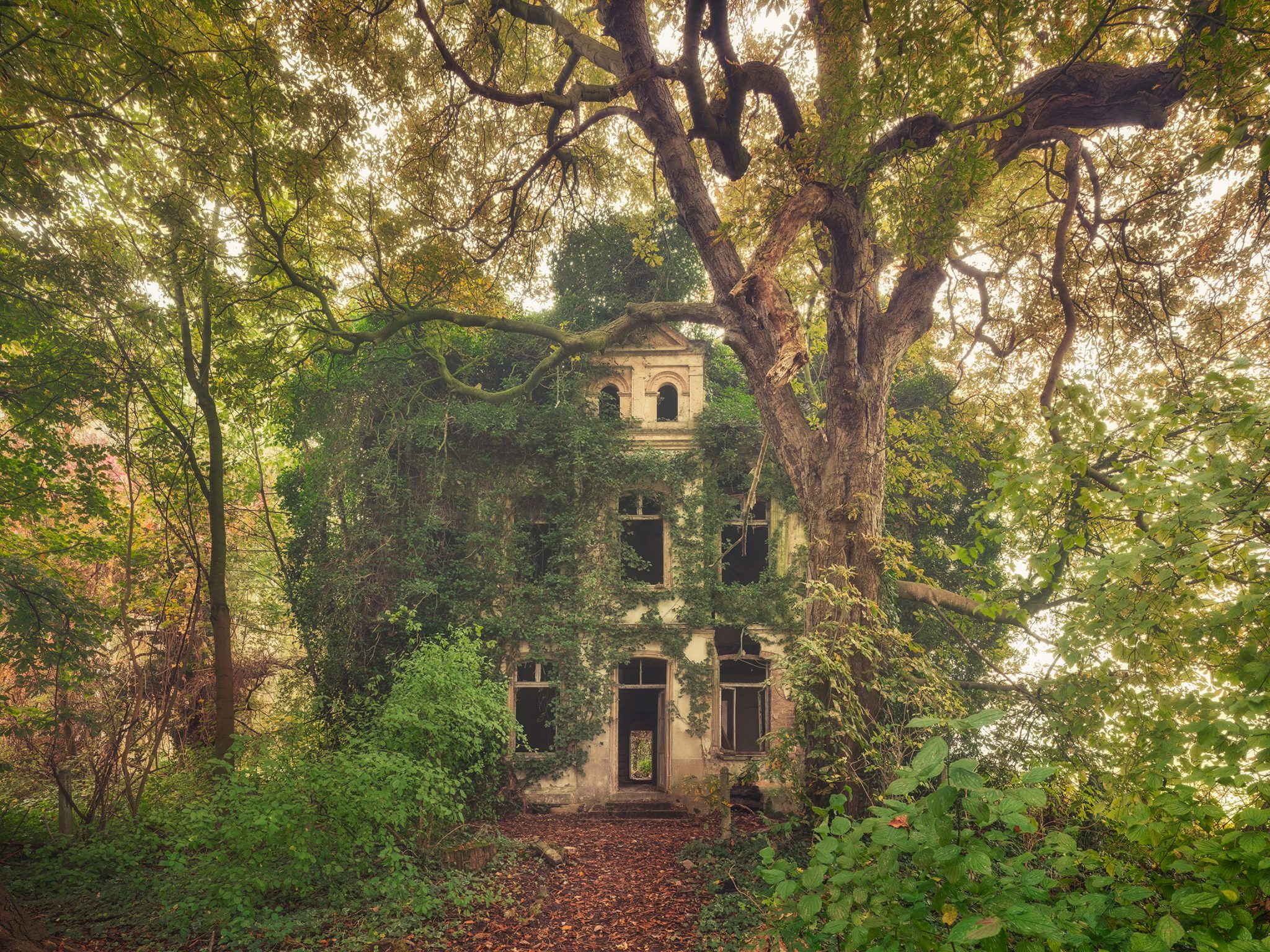
Share