


Stories · Countries and regions · Portugal
Portugal: Abandoned quintas, overgrown convents and the cemetery of anchors
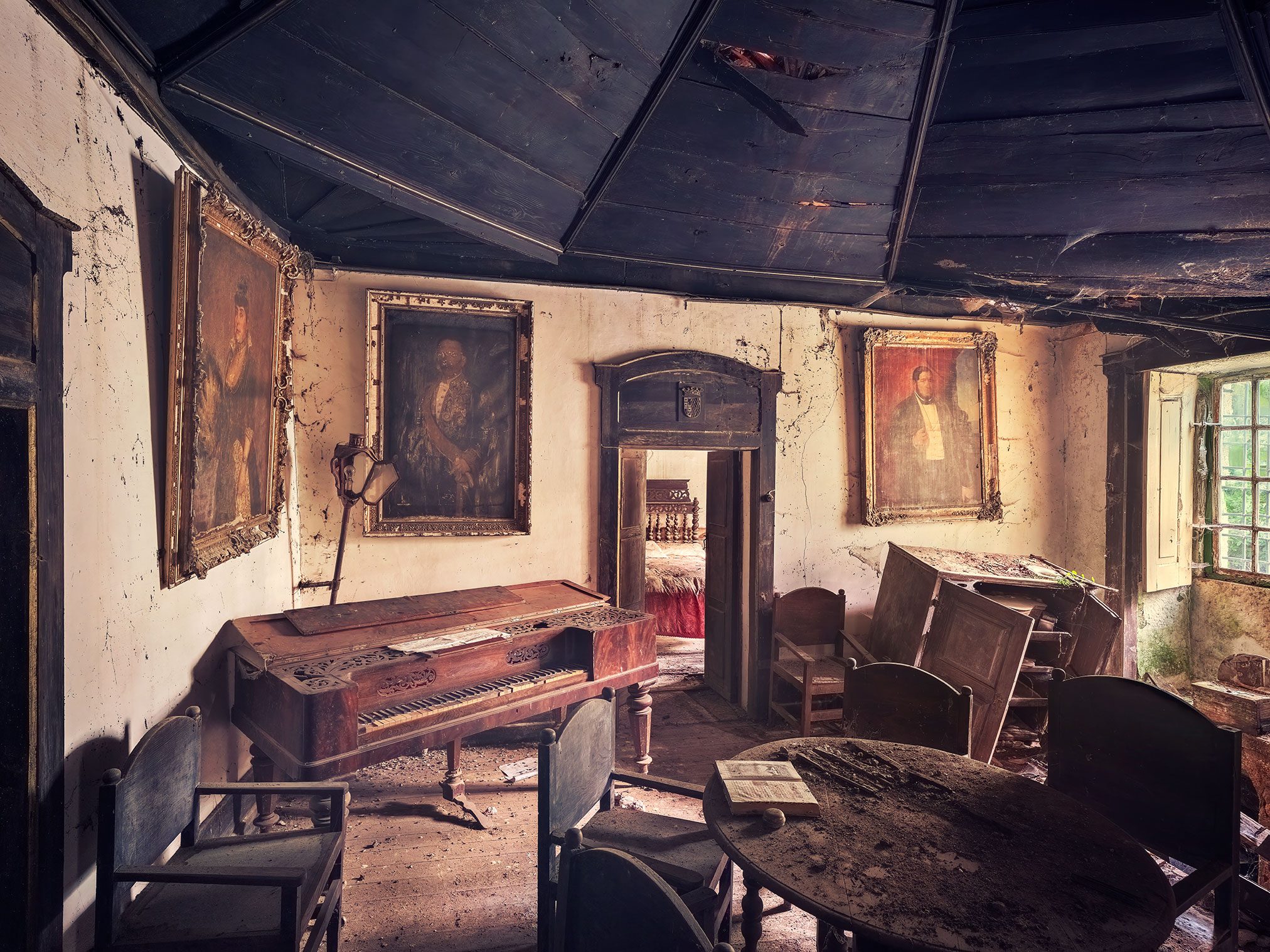
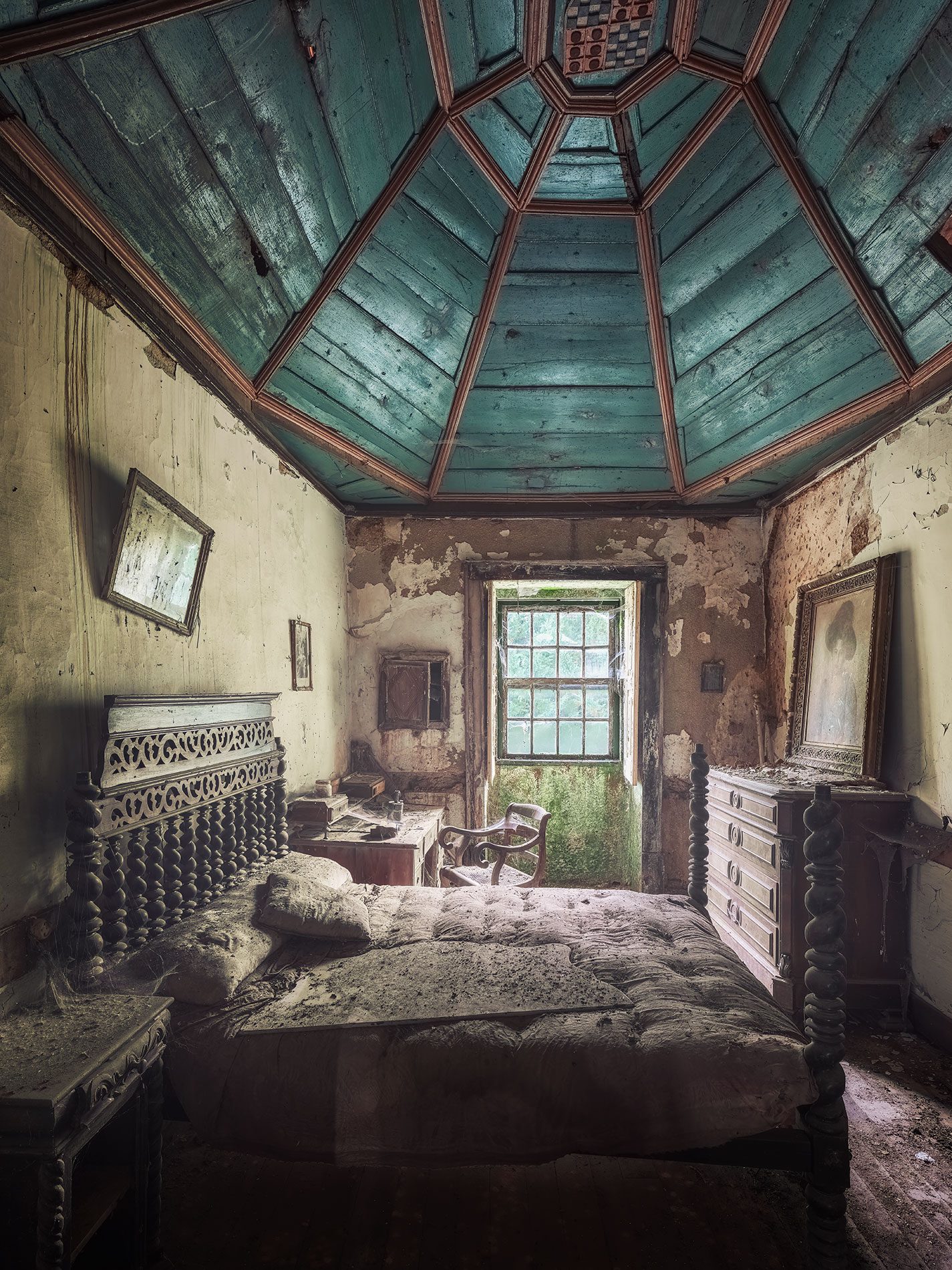
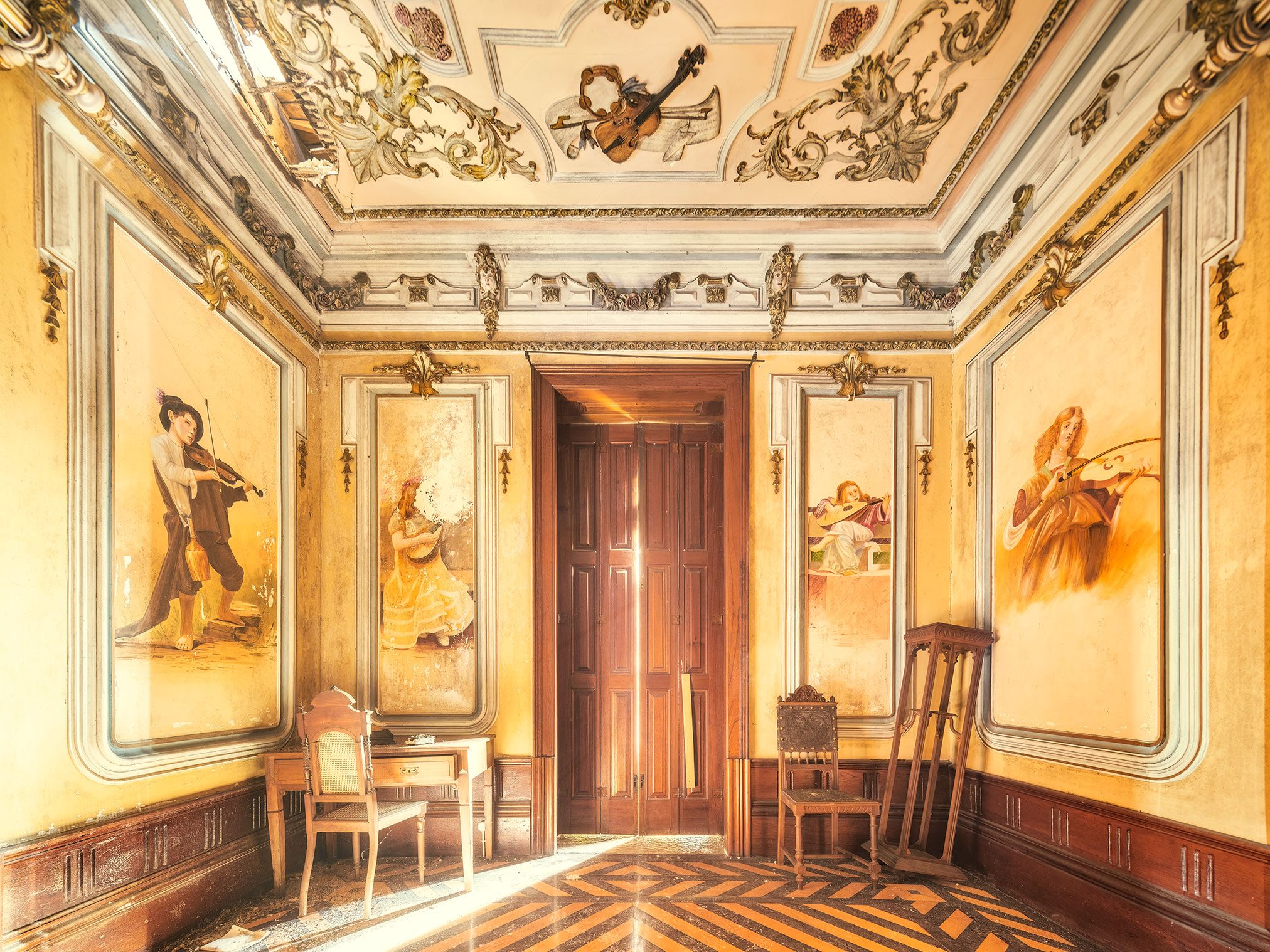
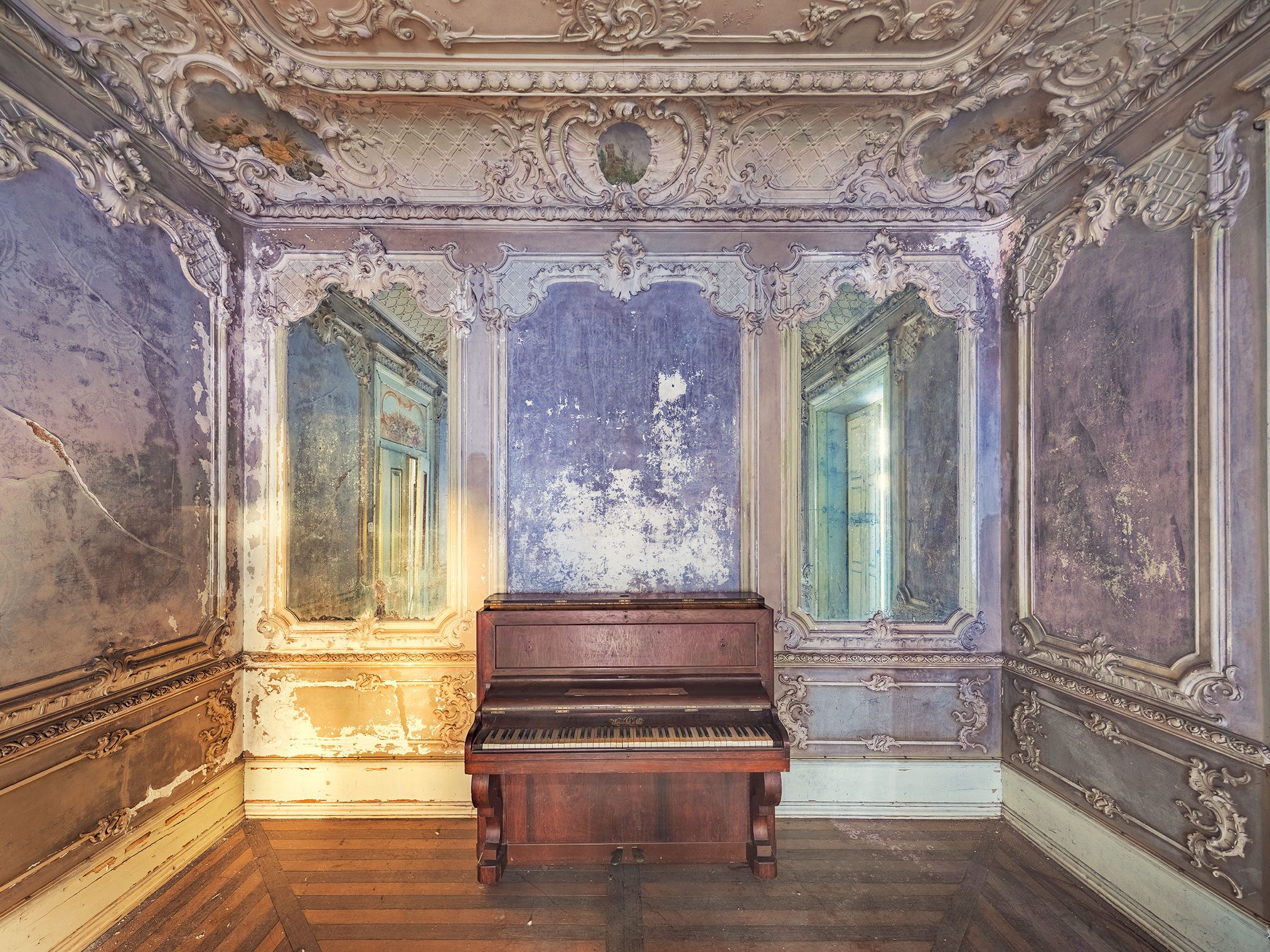
In February 2023 I travelled through a Portugal that lies away from the Algarve and the Atlantic coast: to abandoned wine estates, to convents where nature is the only inhabitant and, on the last evening, to a beach full of anchors.
At a glance
- Location
- Portugal
- Series
- HABITAT
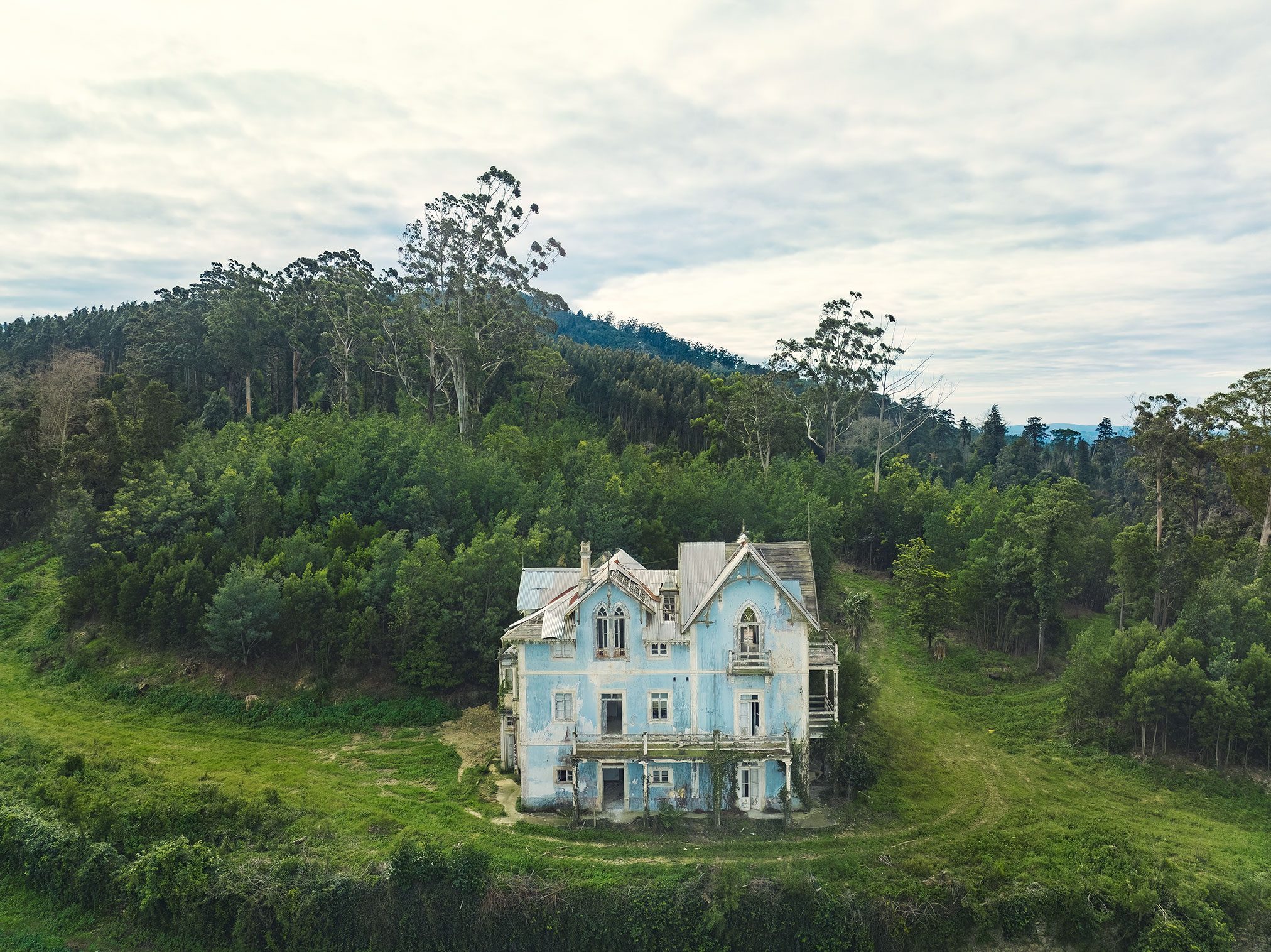
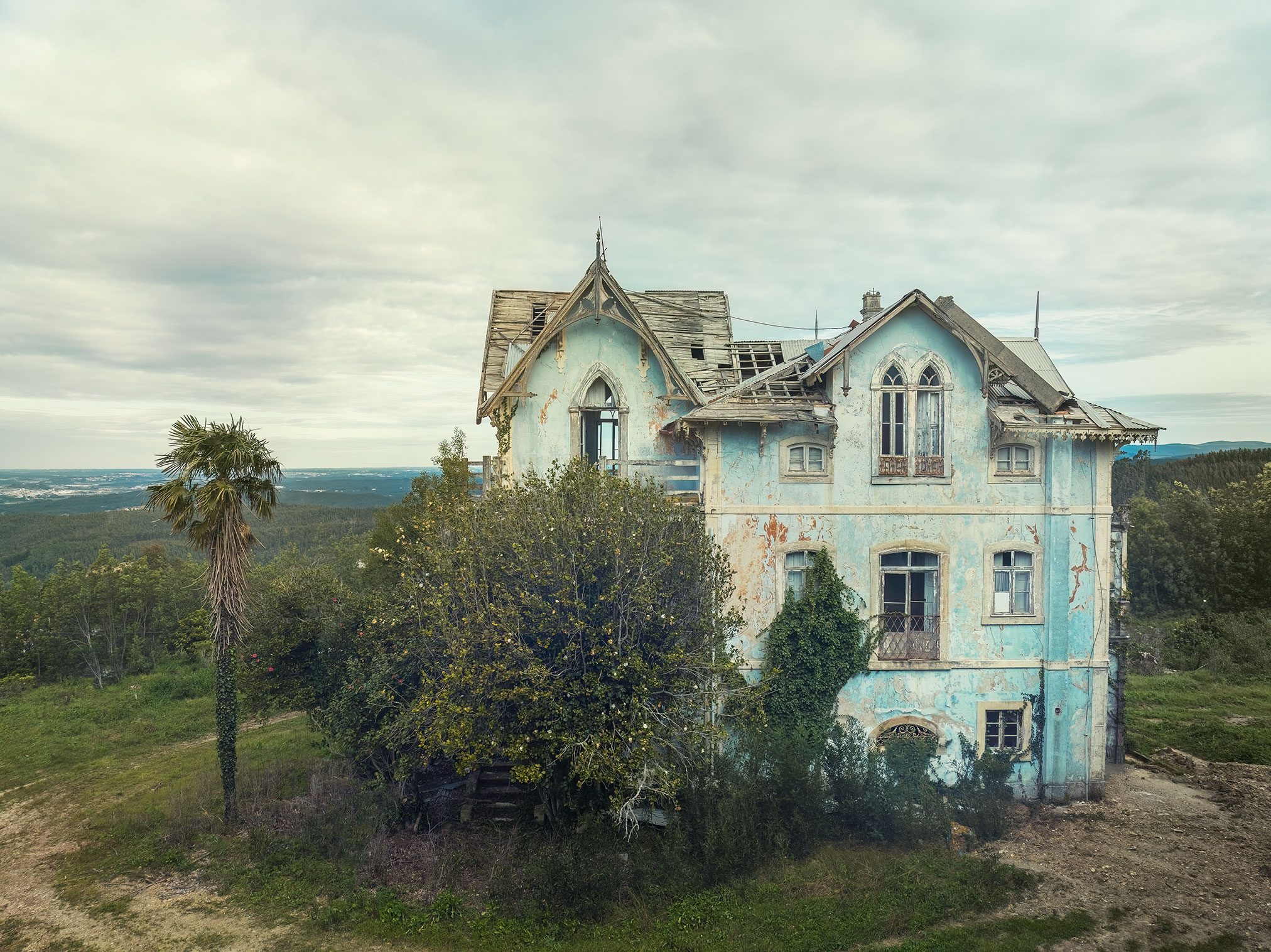
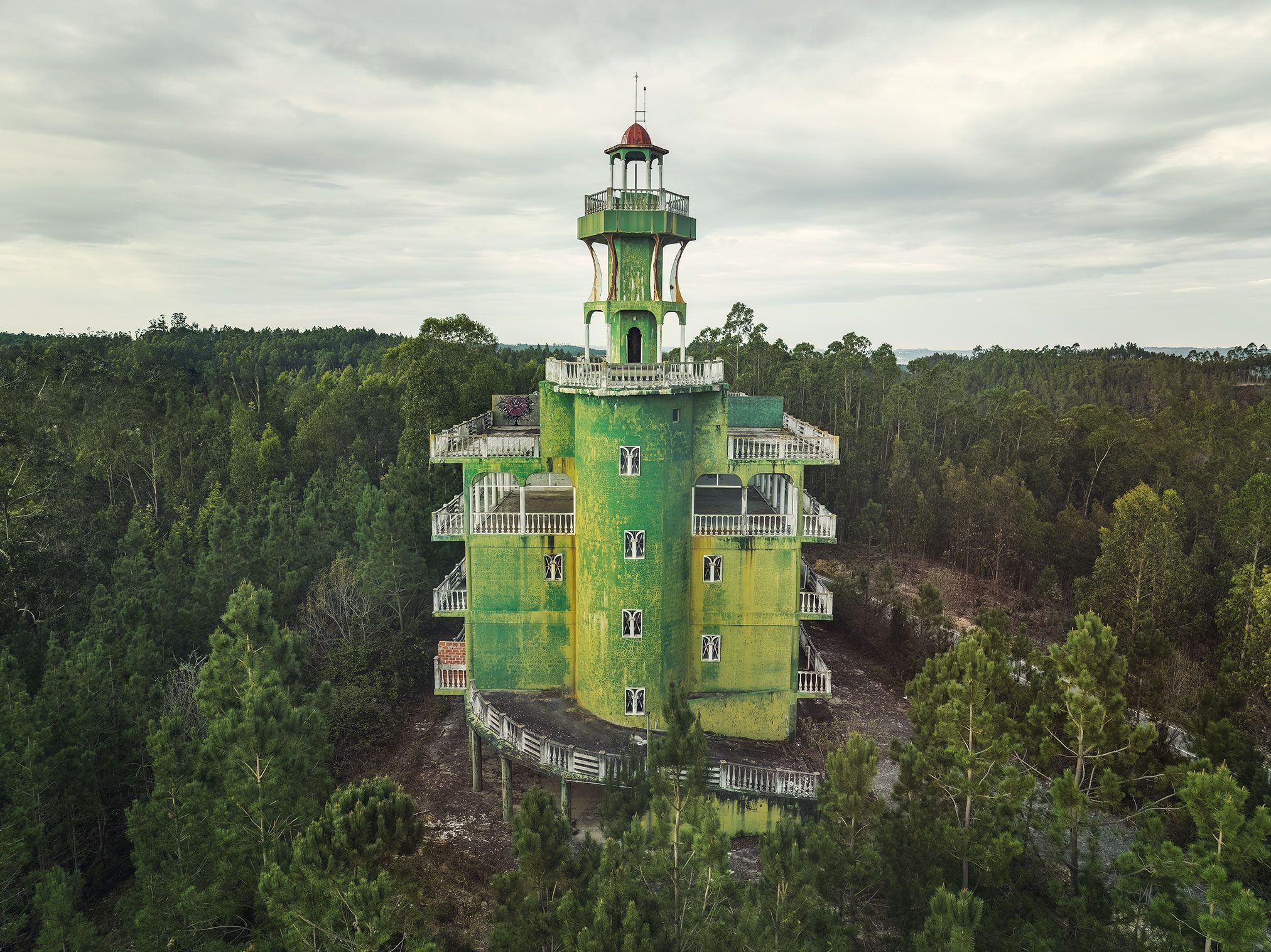
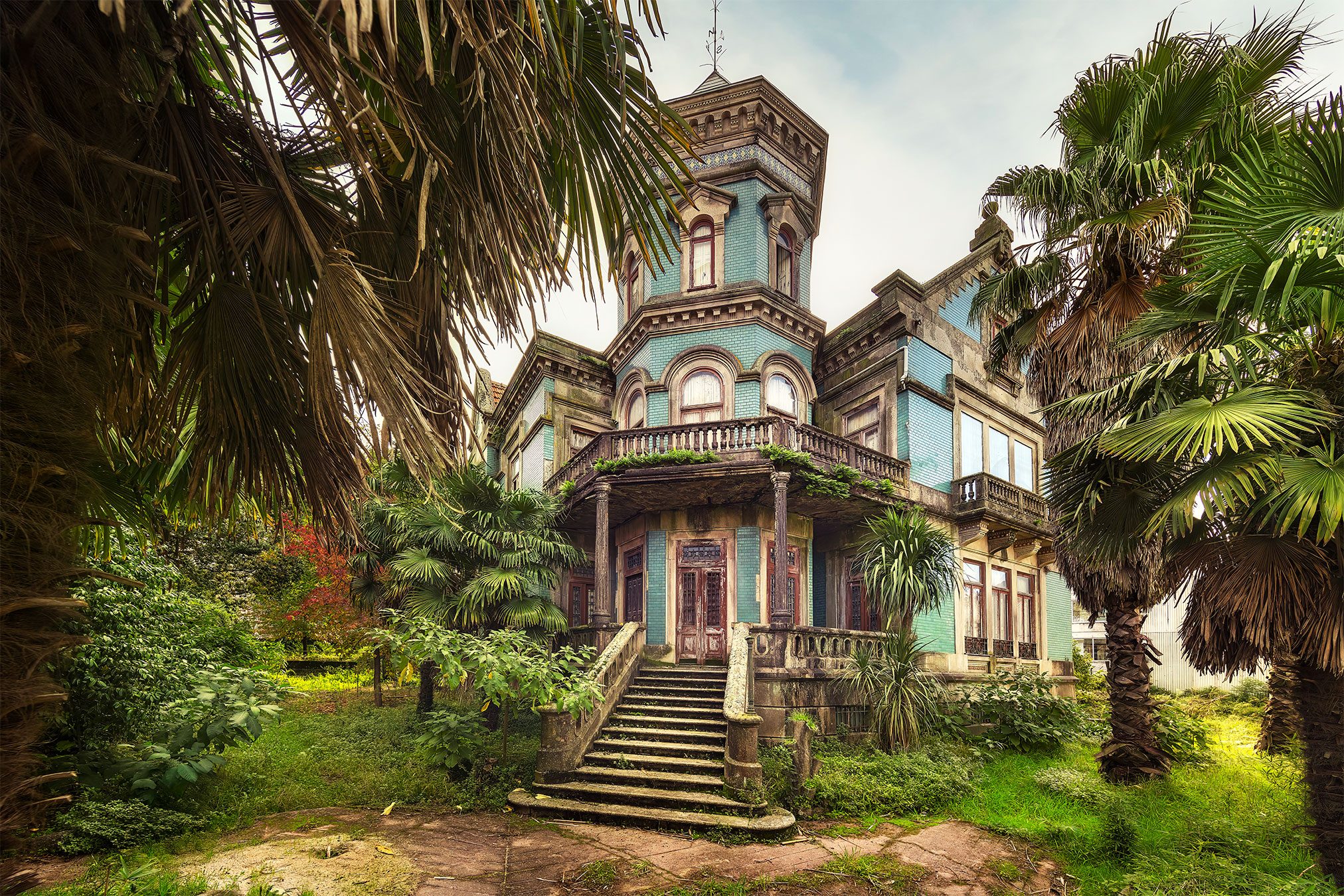
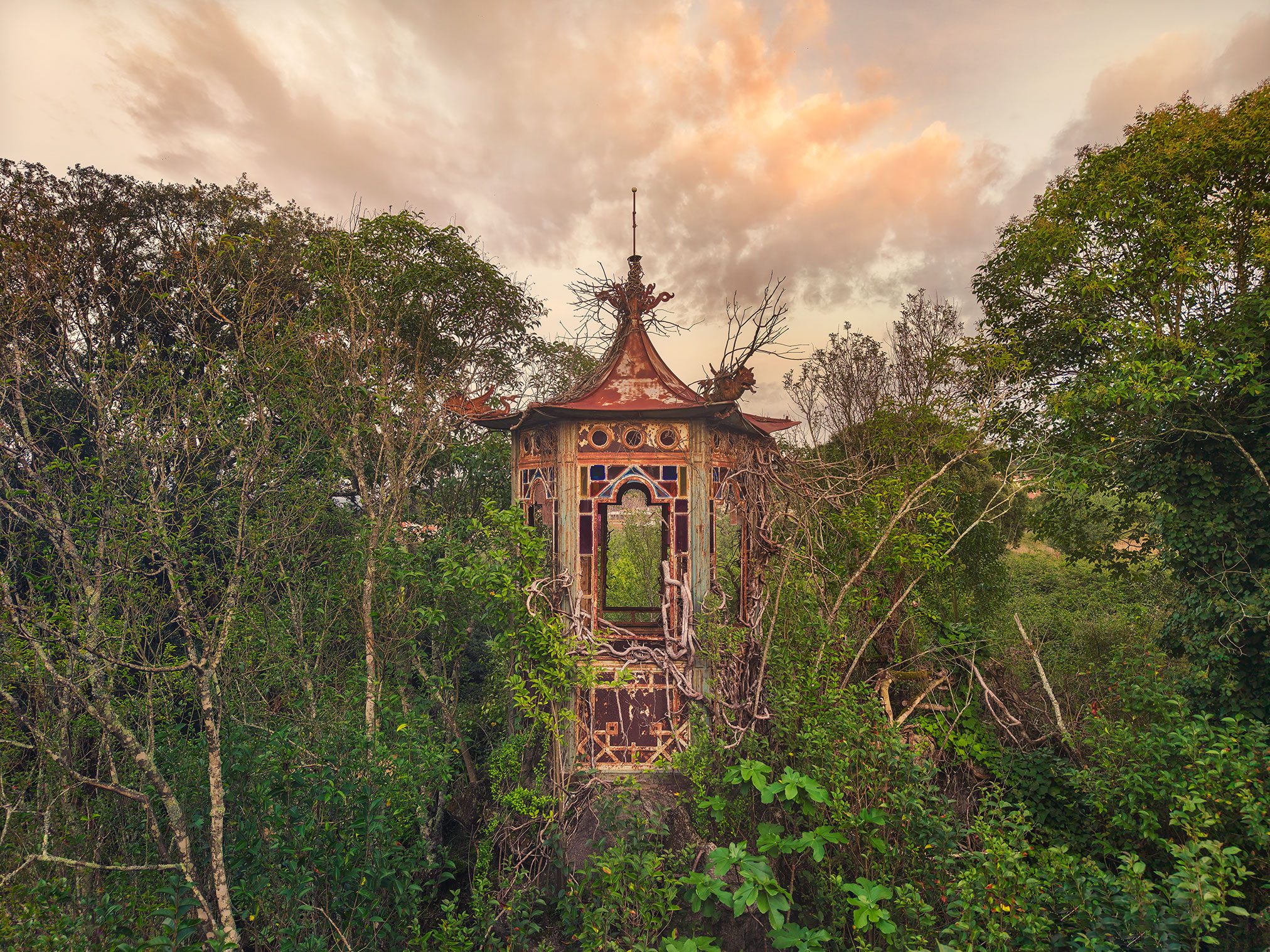
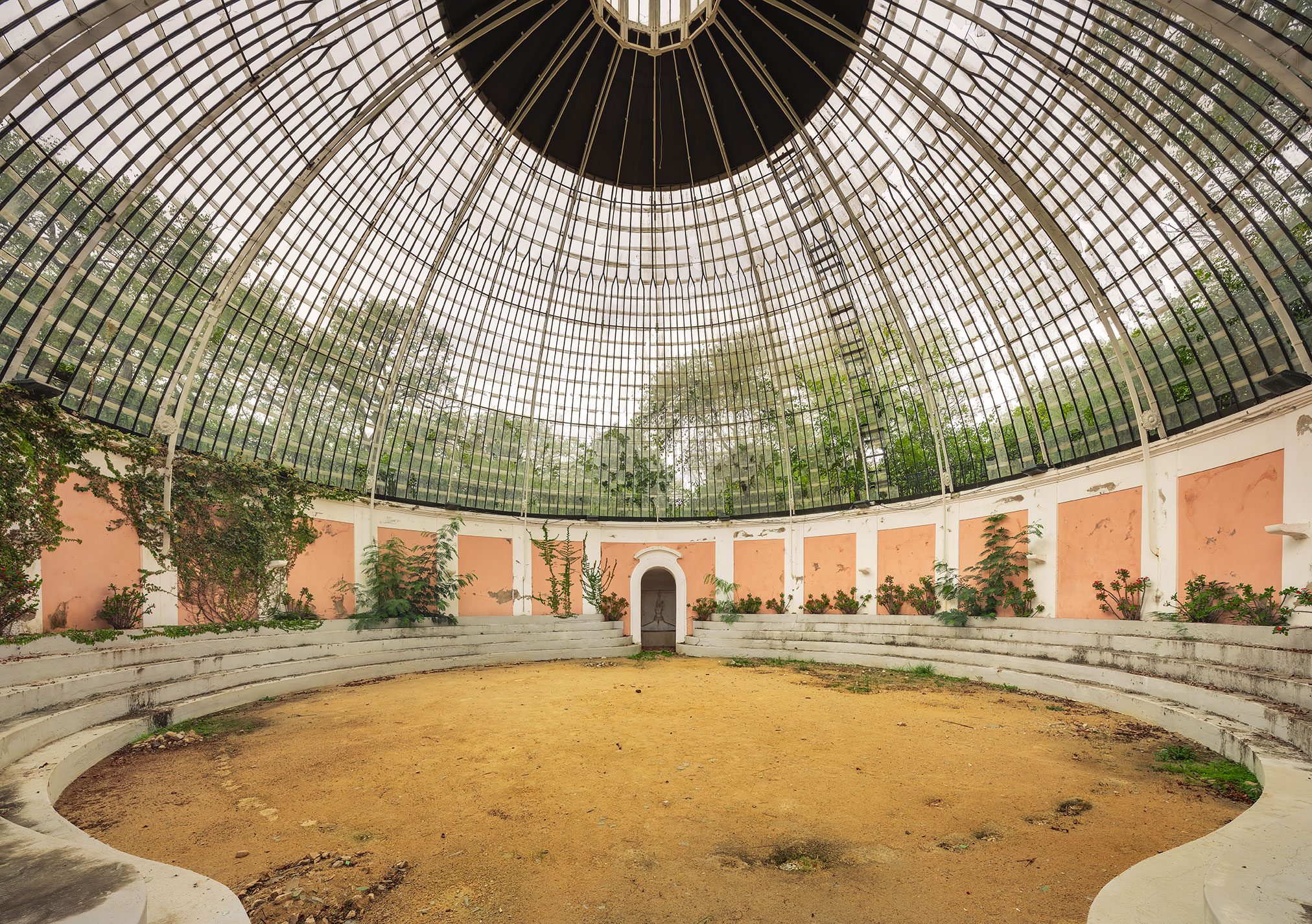
In Portugal stately wine estates, convents and villas stand empty, many of them in the interior. The convents lost their orders in 1834, and the population has long been gathering on the coast and around Lisbon. In February 2023 I travelled through this other Portugal, away from the Algarve and the beaches of the Atlantic.
A country that does not dress itself up
Above all I found the country and its people authentic and not in the least arrogant, with an honest calm that captivates at once and slows me down too. In most parts of the country I feel I am in an inviting idyll far from consumerism, in a country that has no need to dress itself up for others and is all the more genuine for it. At last a country where one modern shopping mall after another is not shouting for custom. It may be a little shabby and imperfect now and then, and that is exactly as it should be.
Portugal deserves far more attention than port wine and tourism. It is strewn with captivating places of the past that often look unremarkable at first.
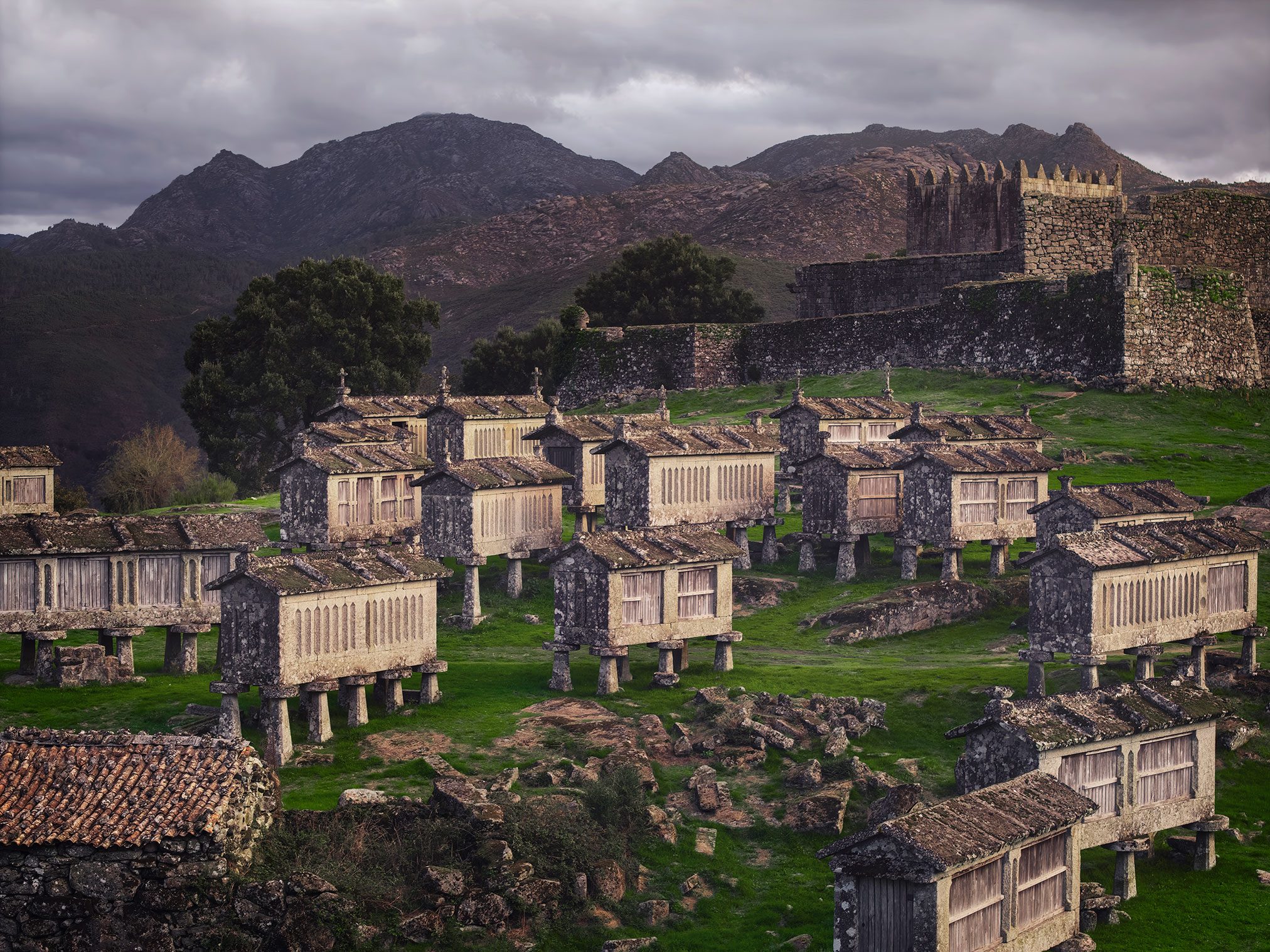
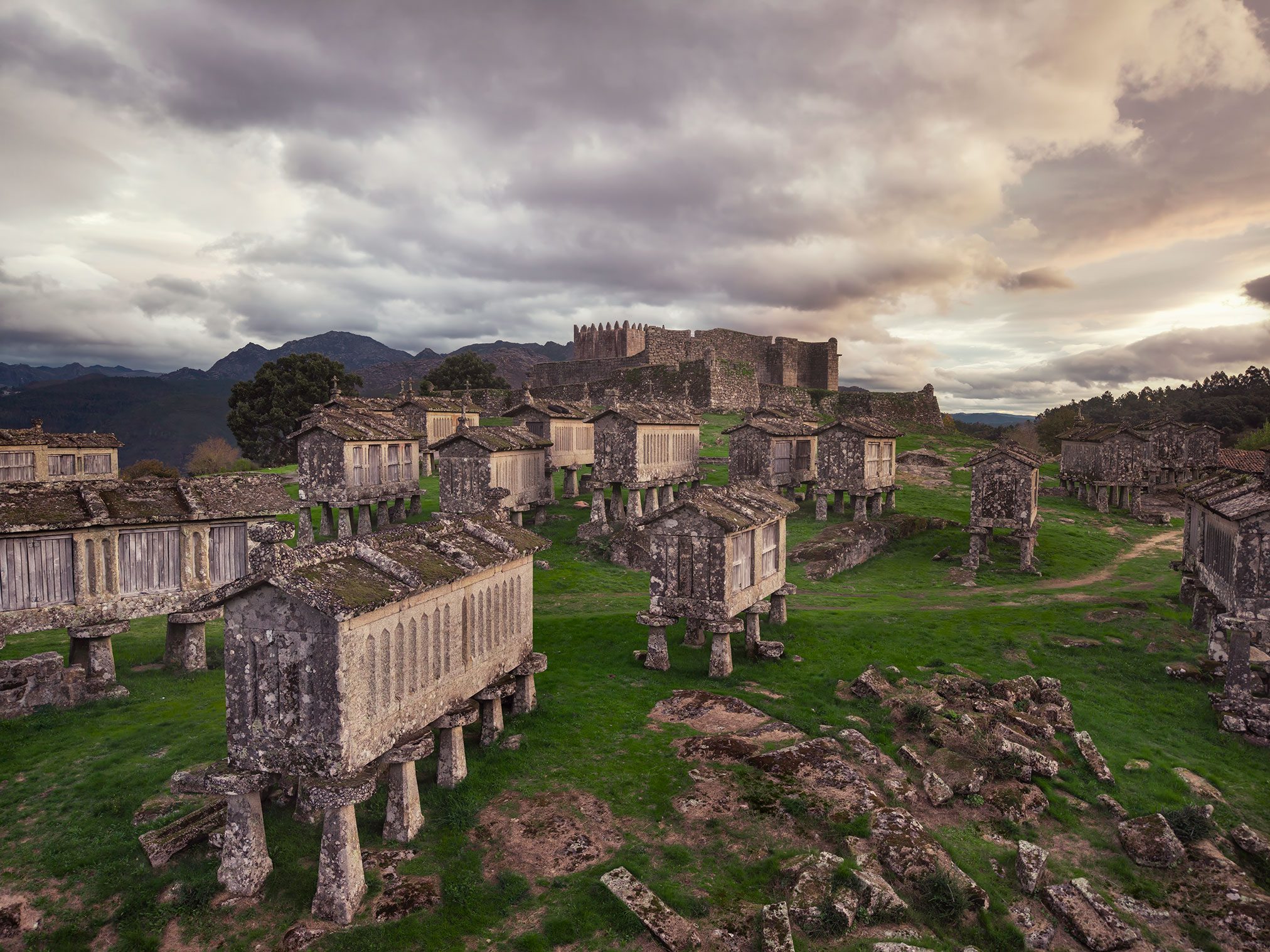
In the north, at Lindoso, more than sixty stone granaries on stilts stand packed together beside the castle: the espigueiros. Some are around two hundred years old.
Behind unassuming façades
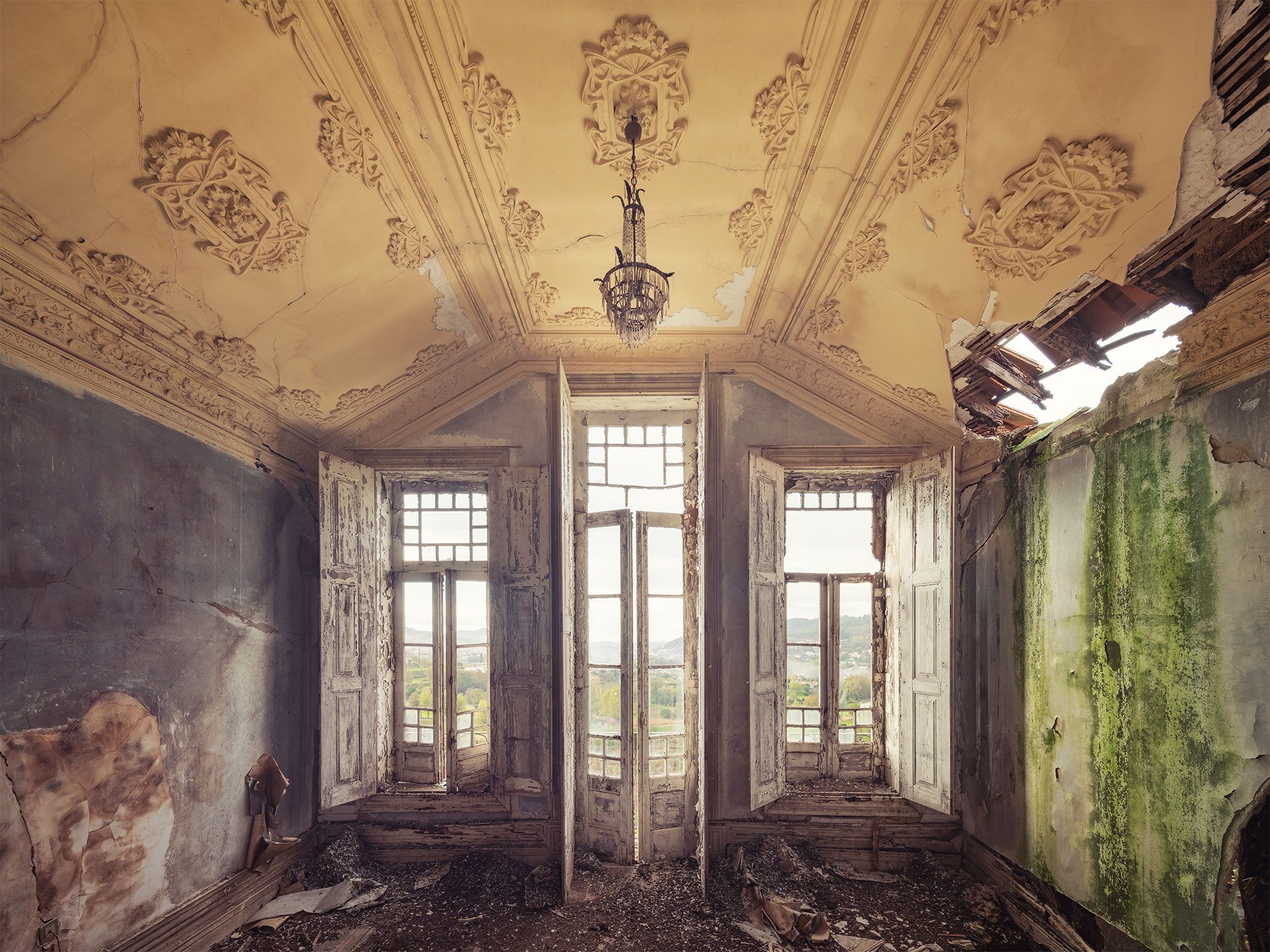
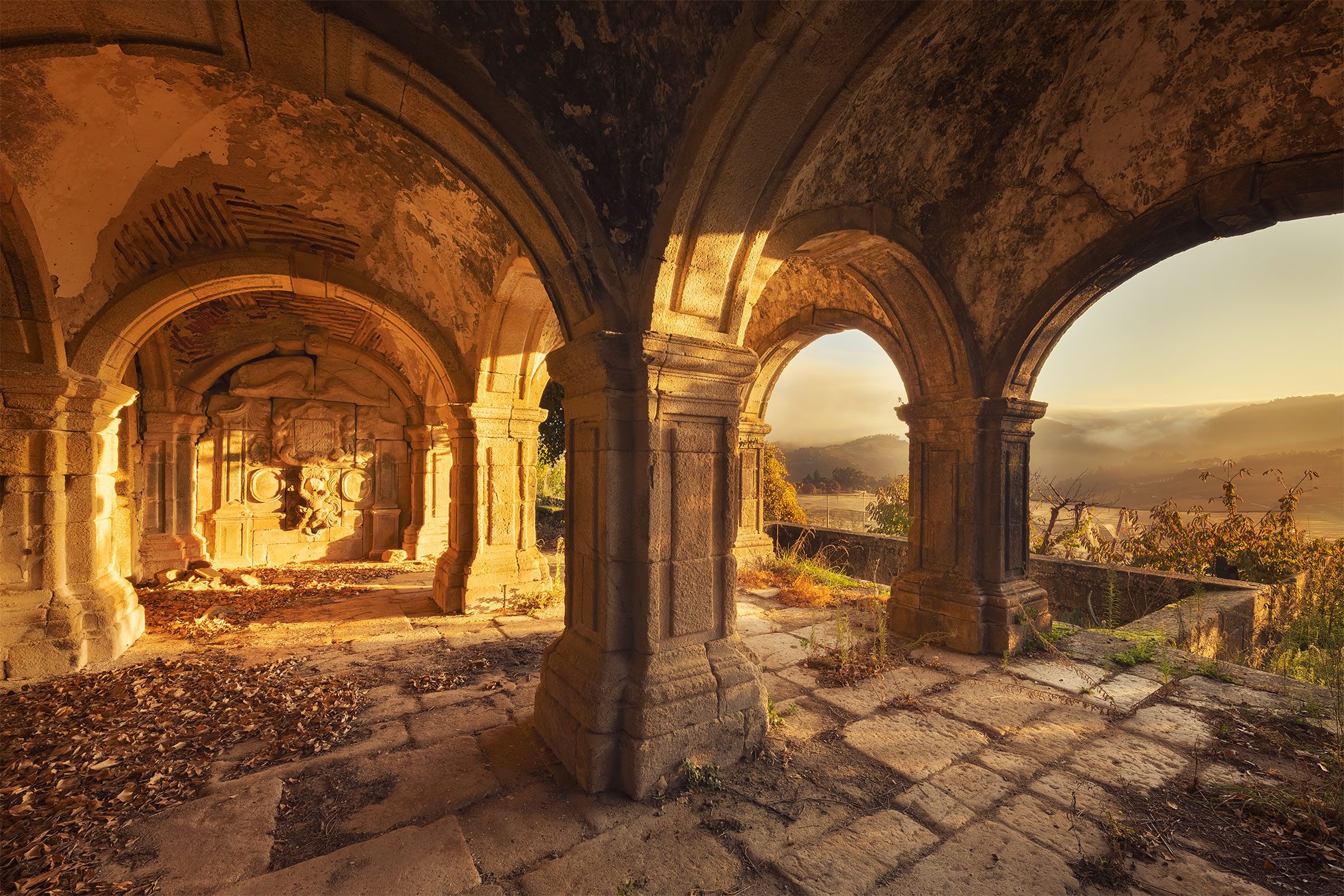
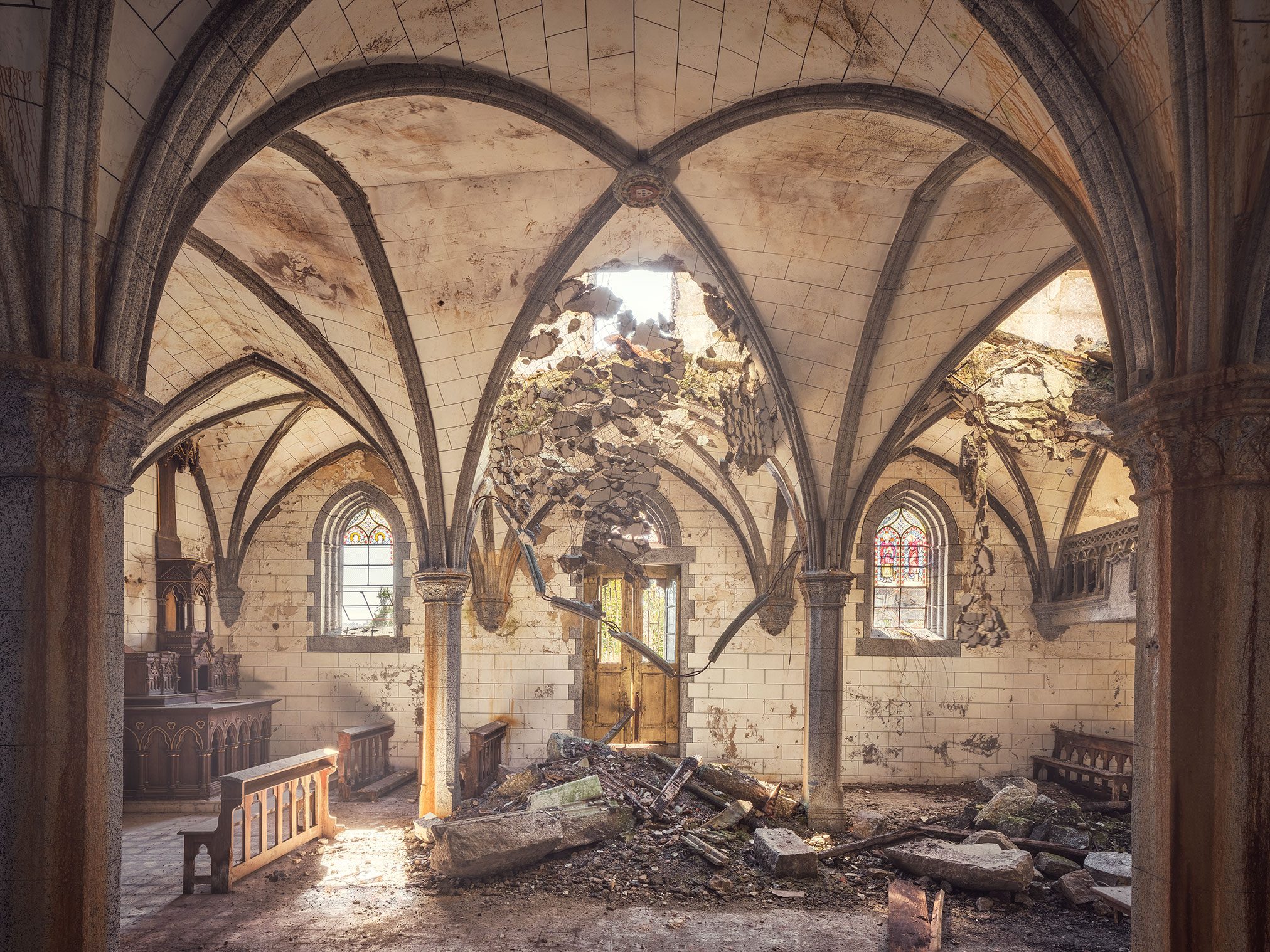
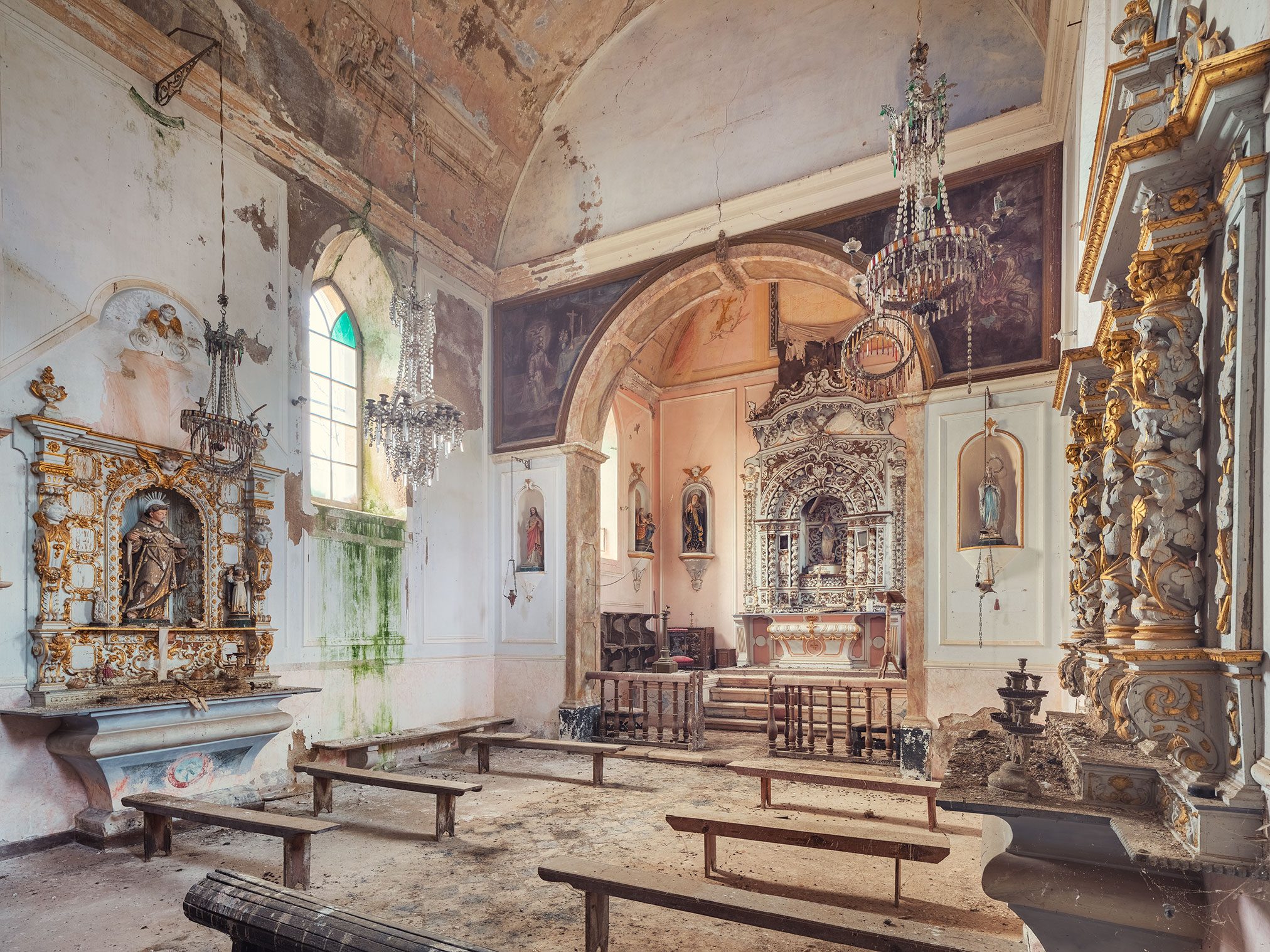
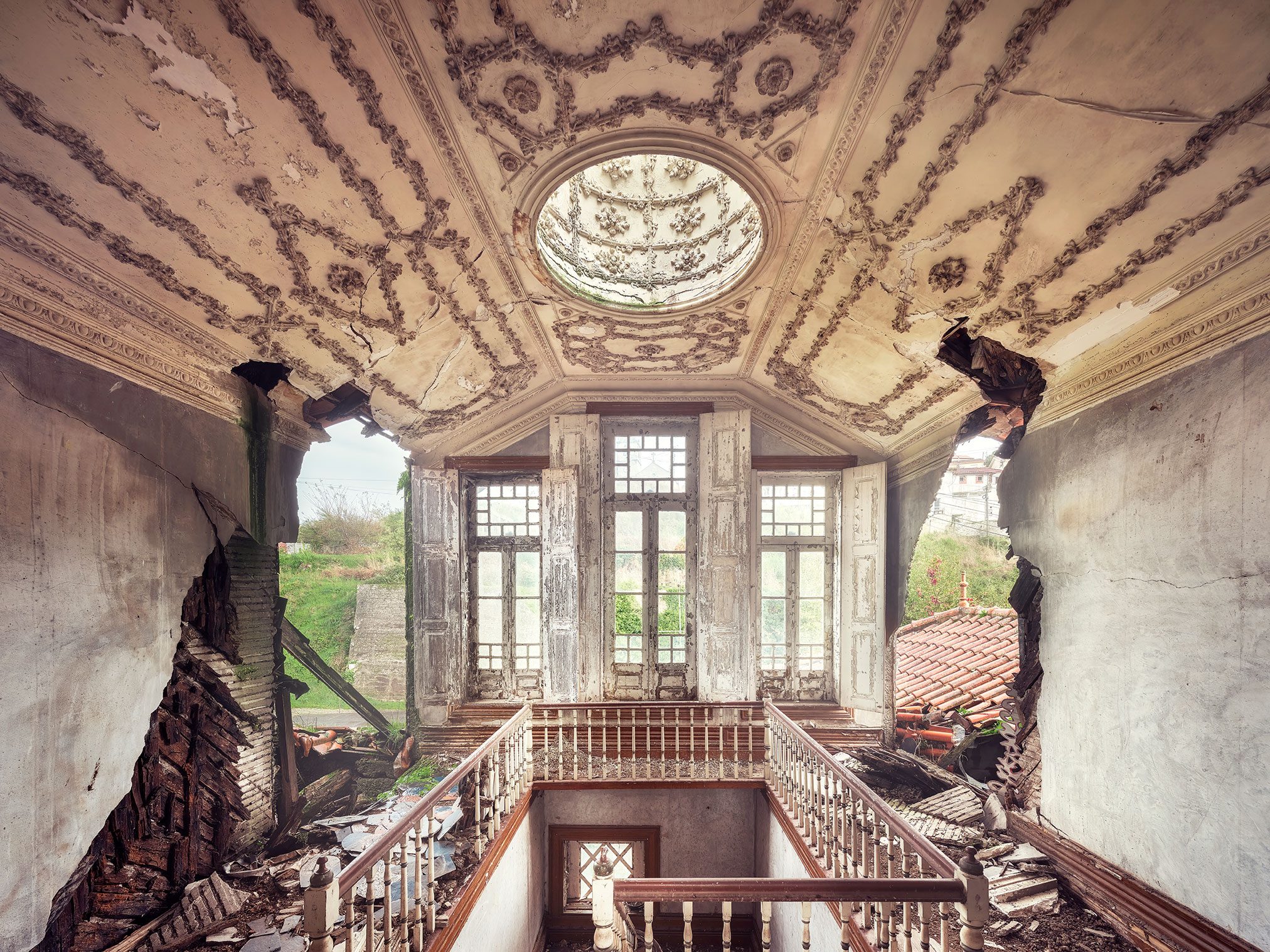
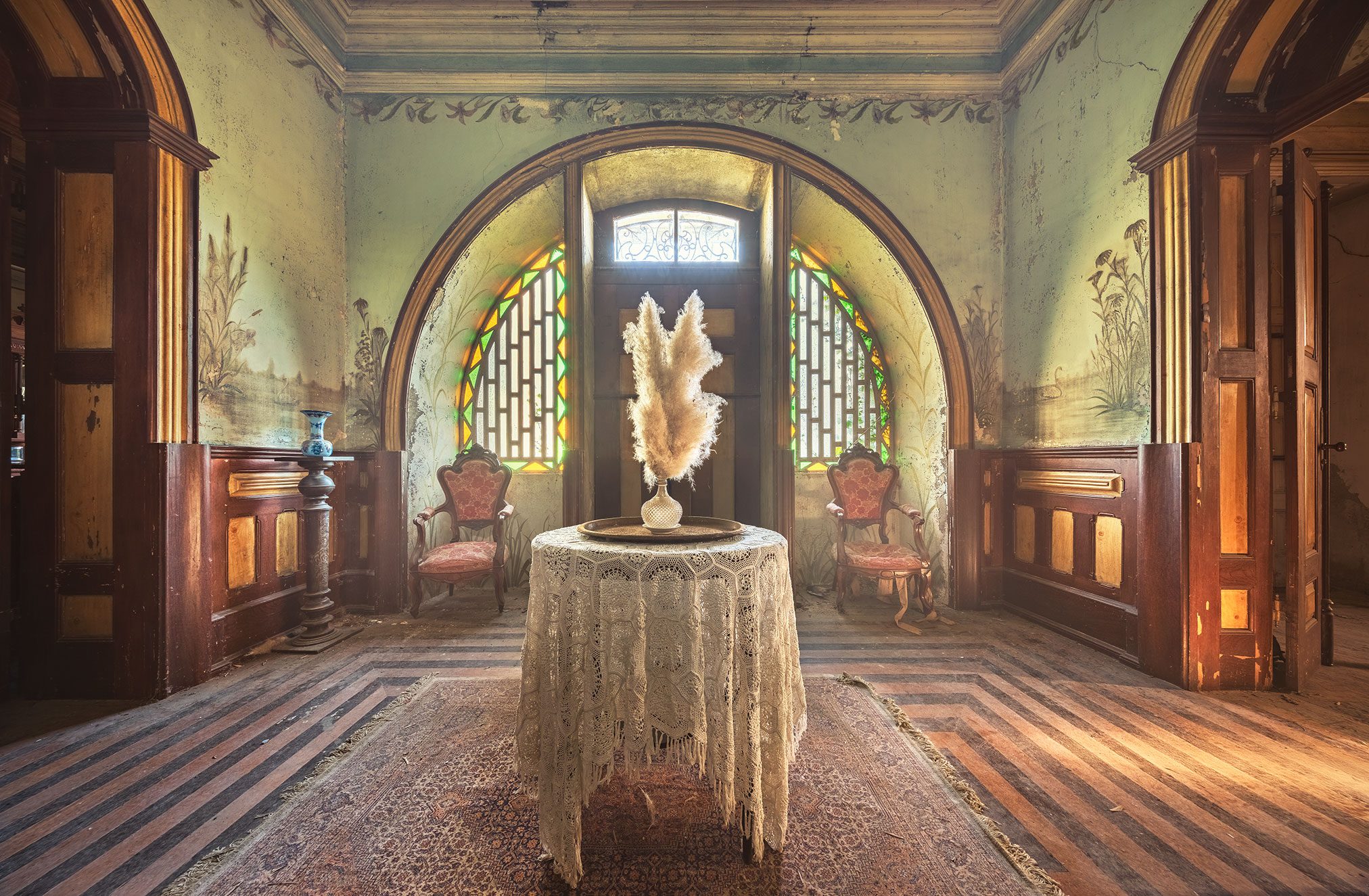
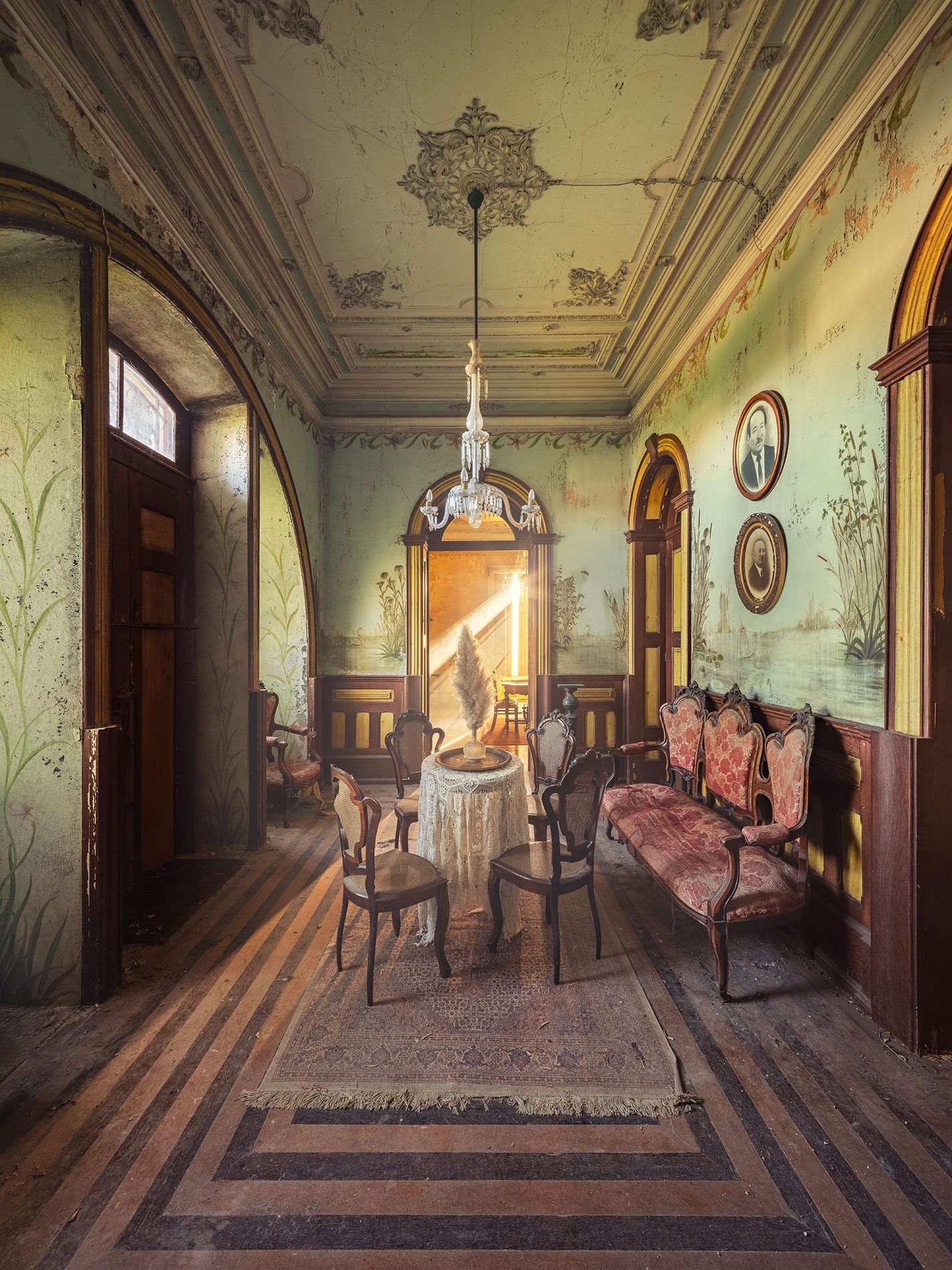
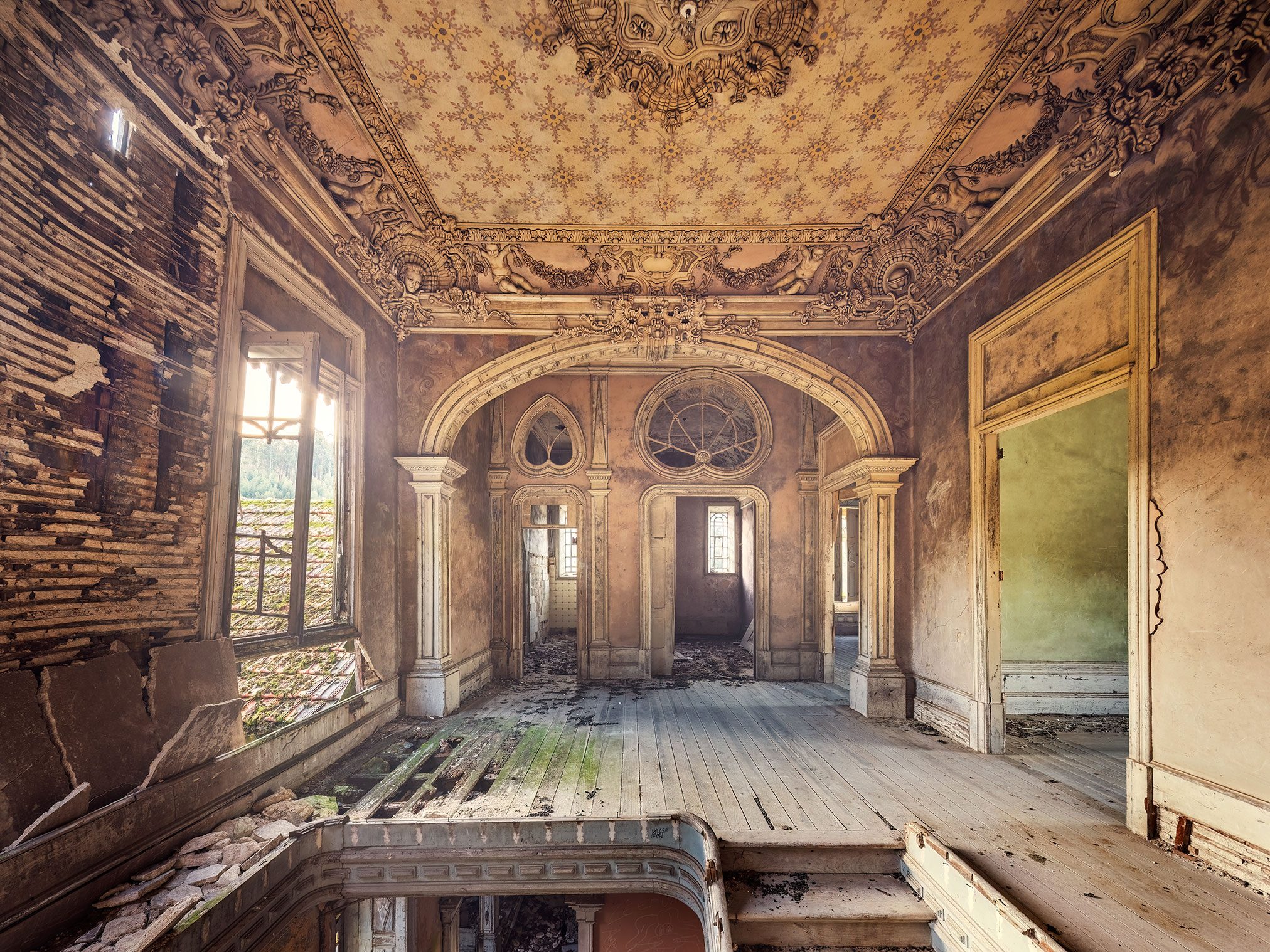
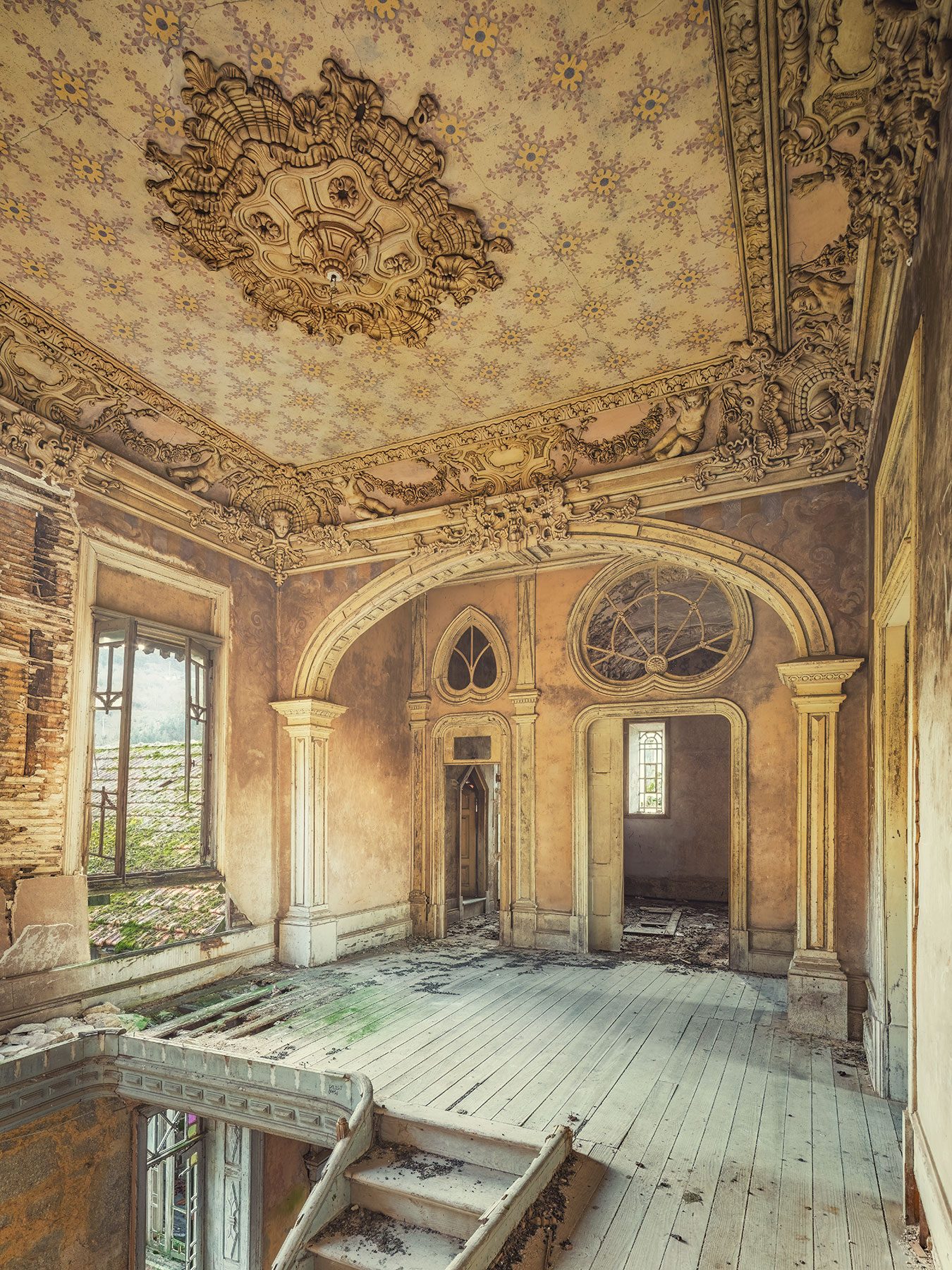
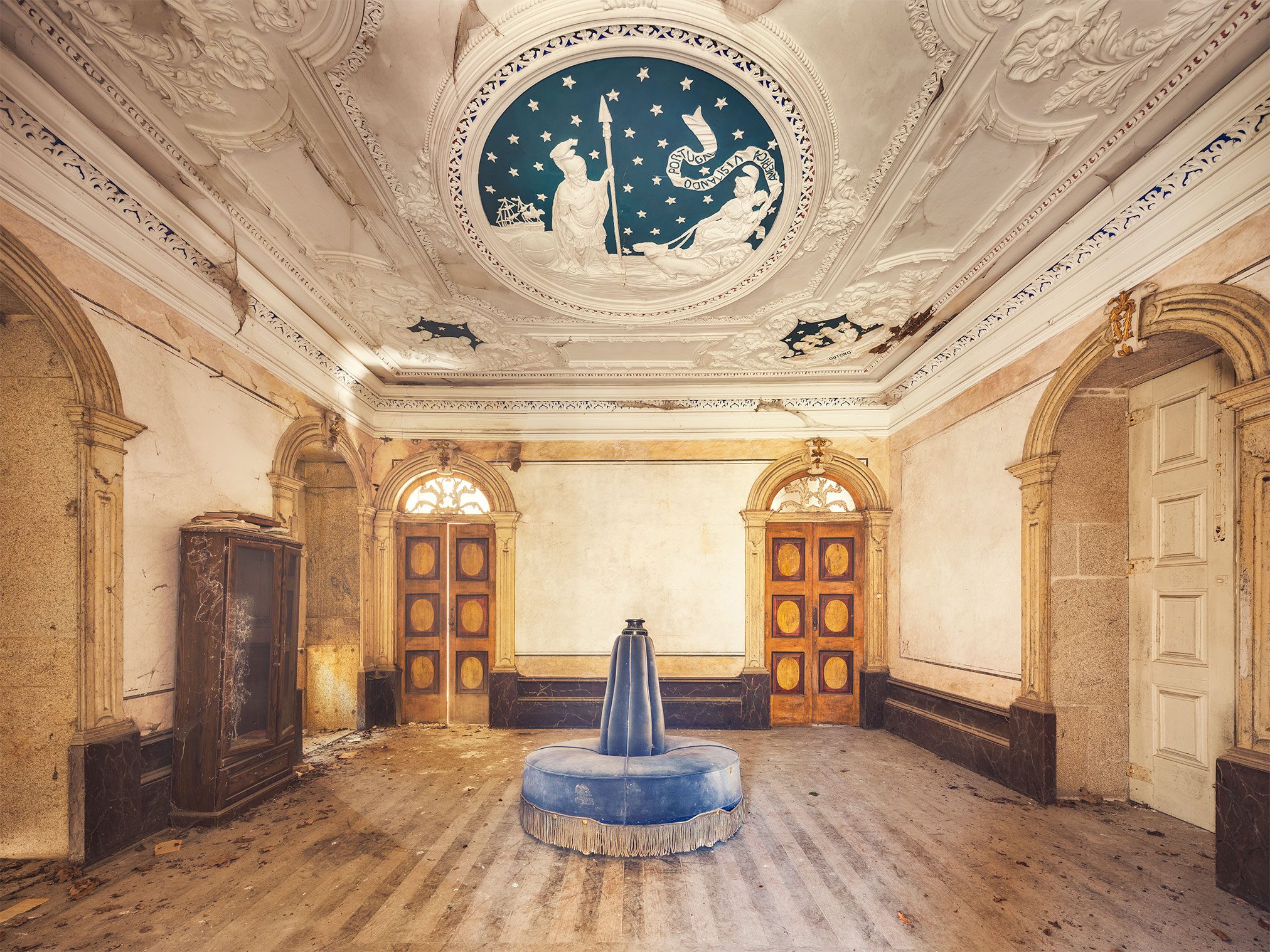
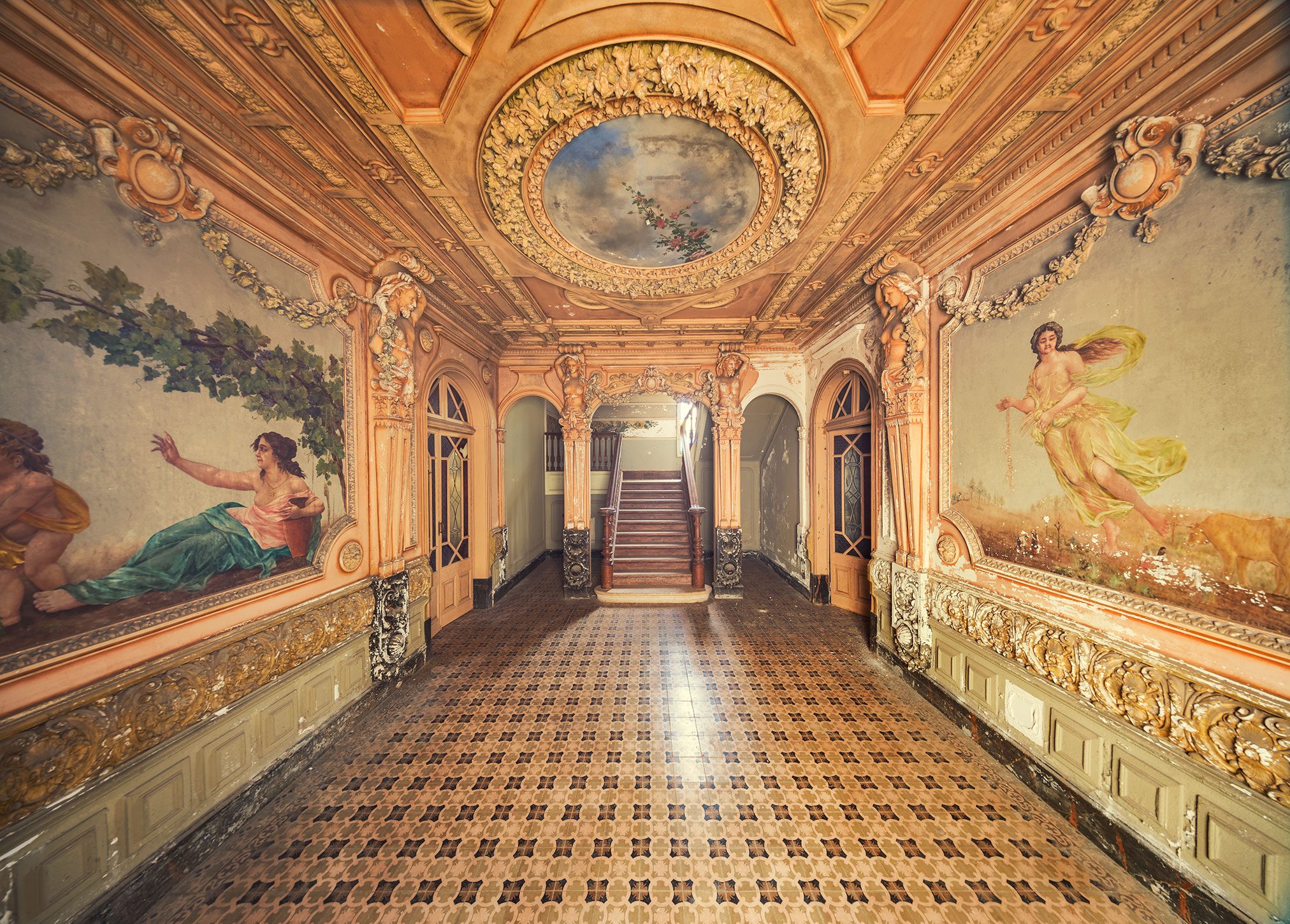
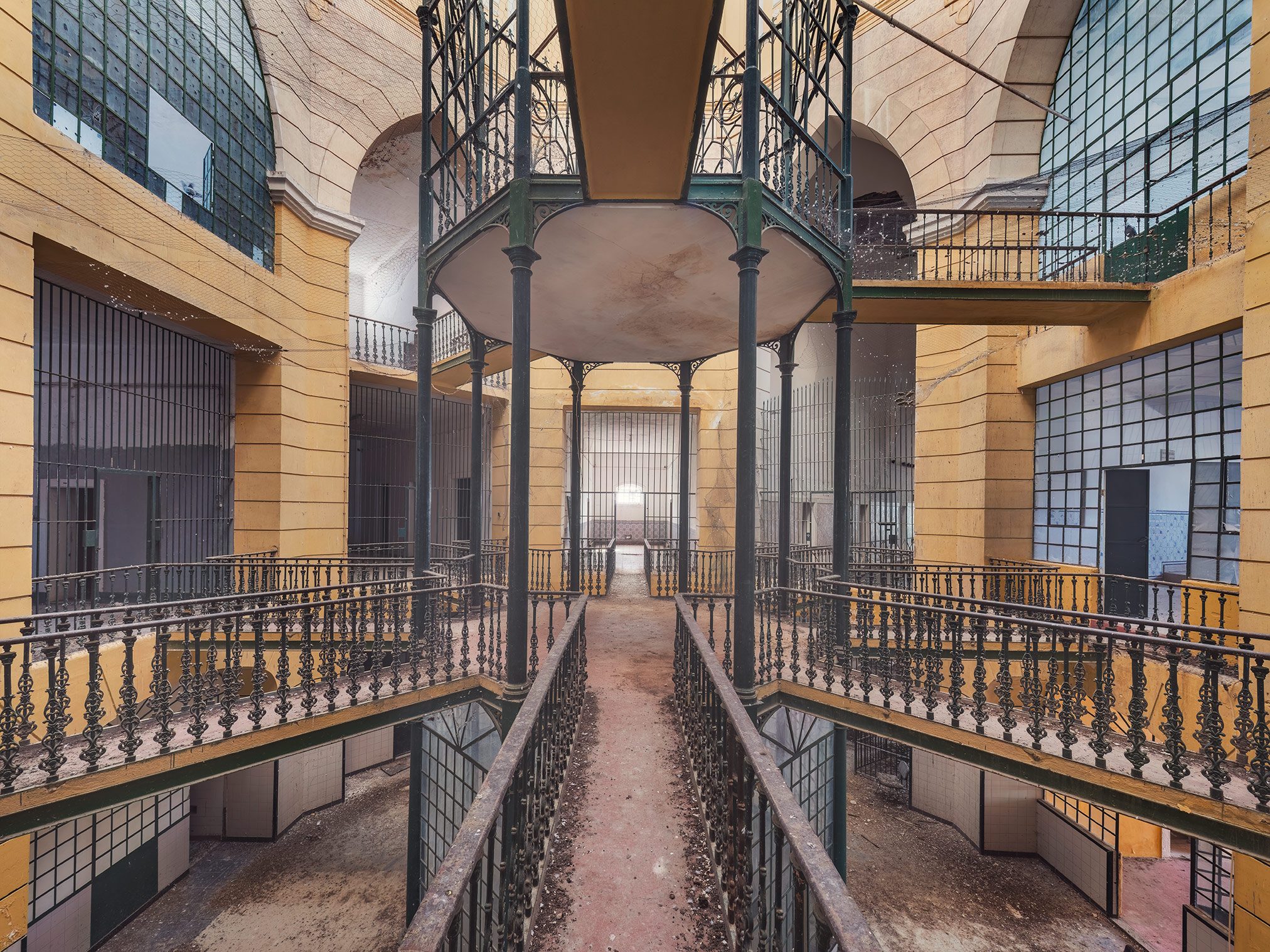
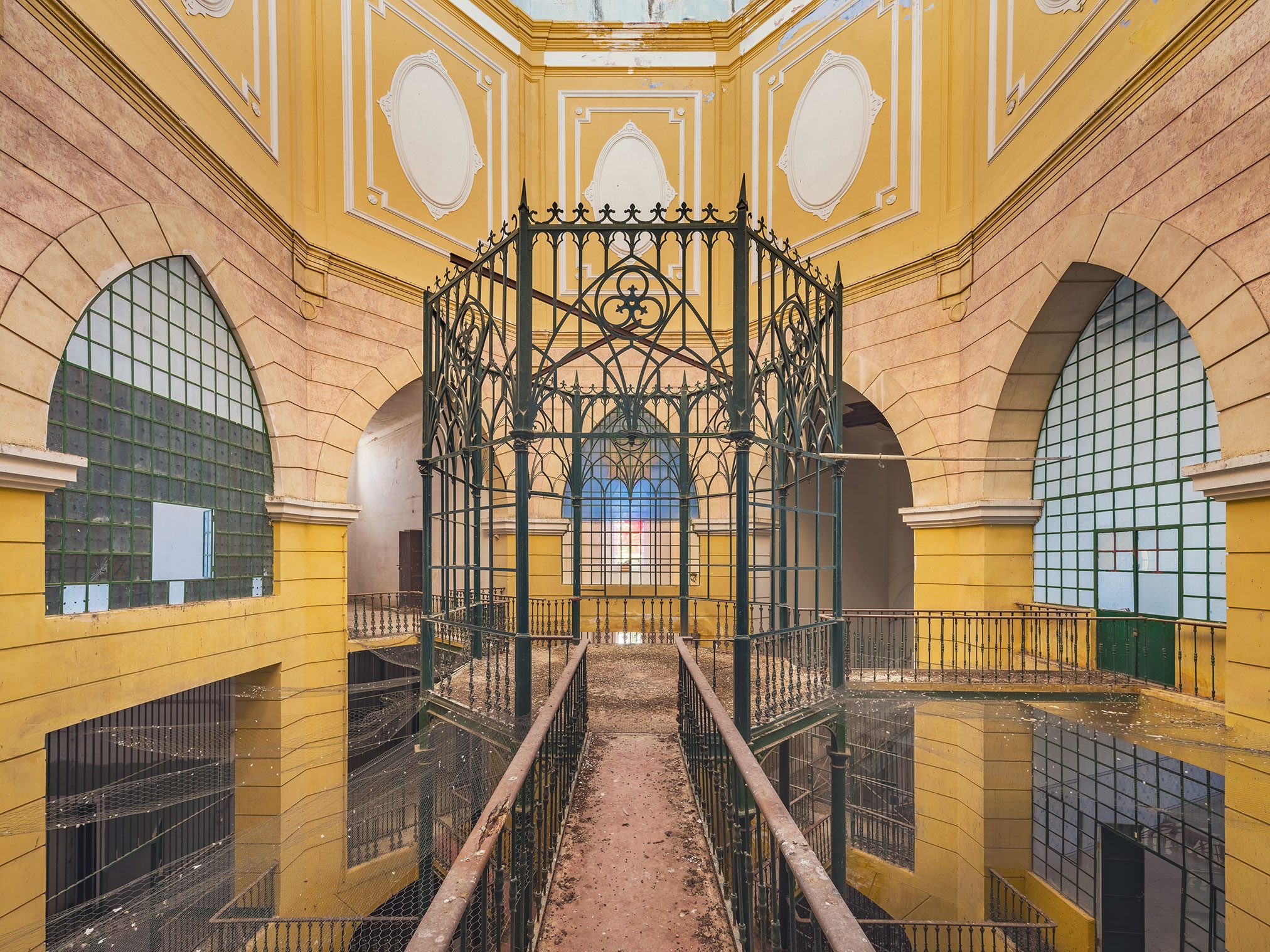
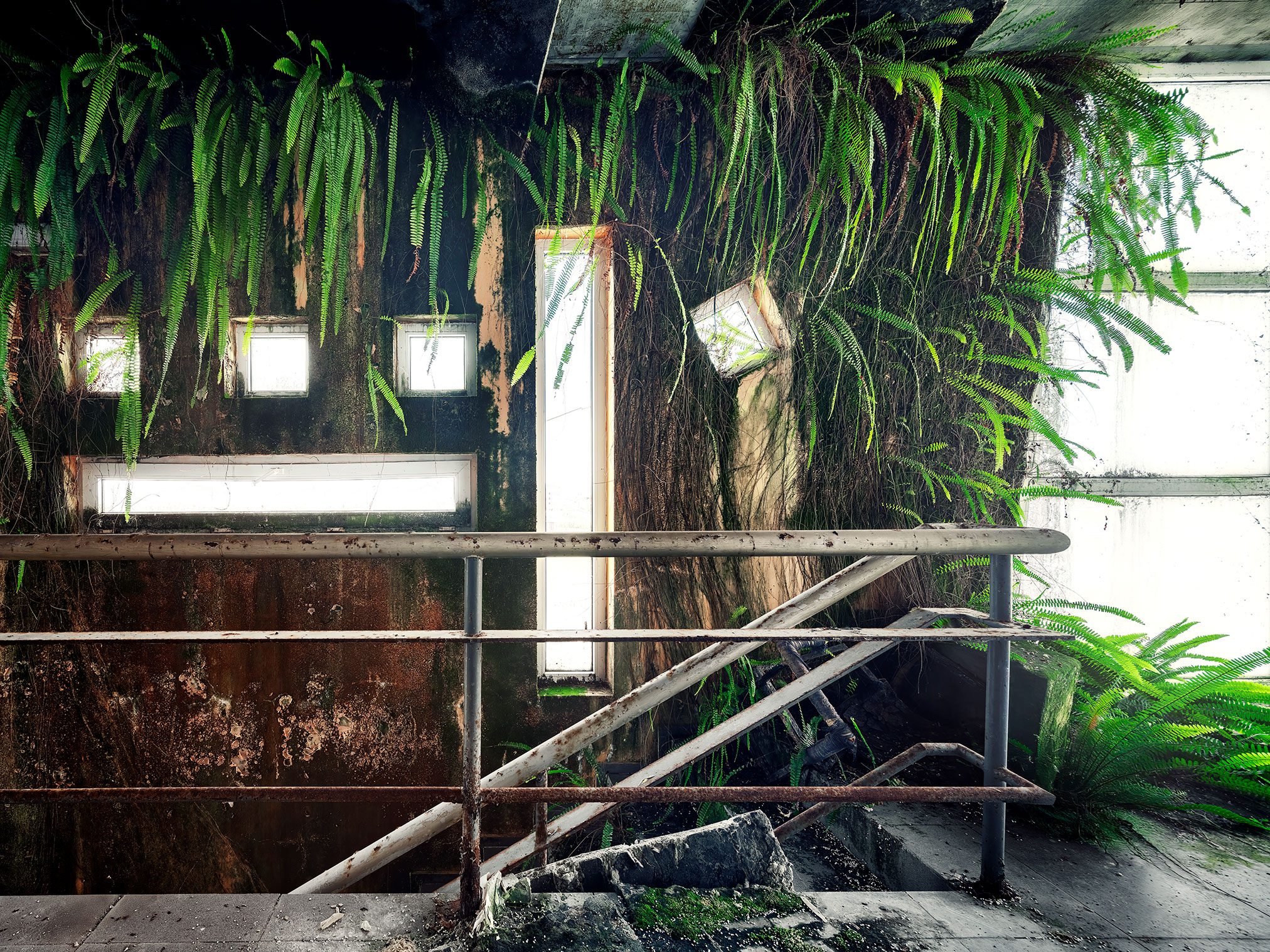
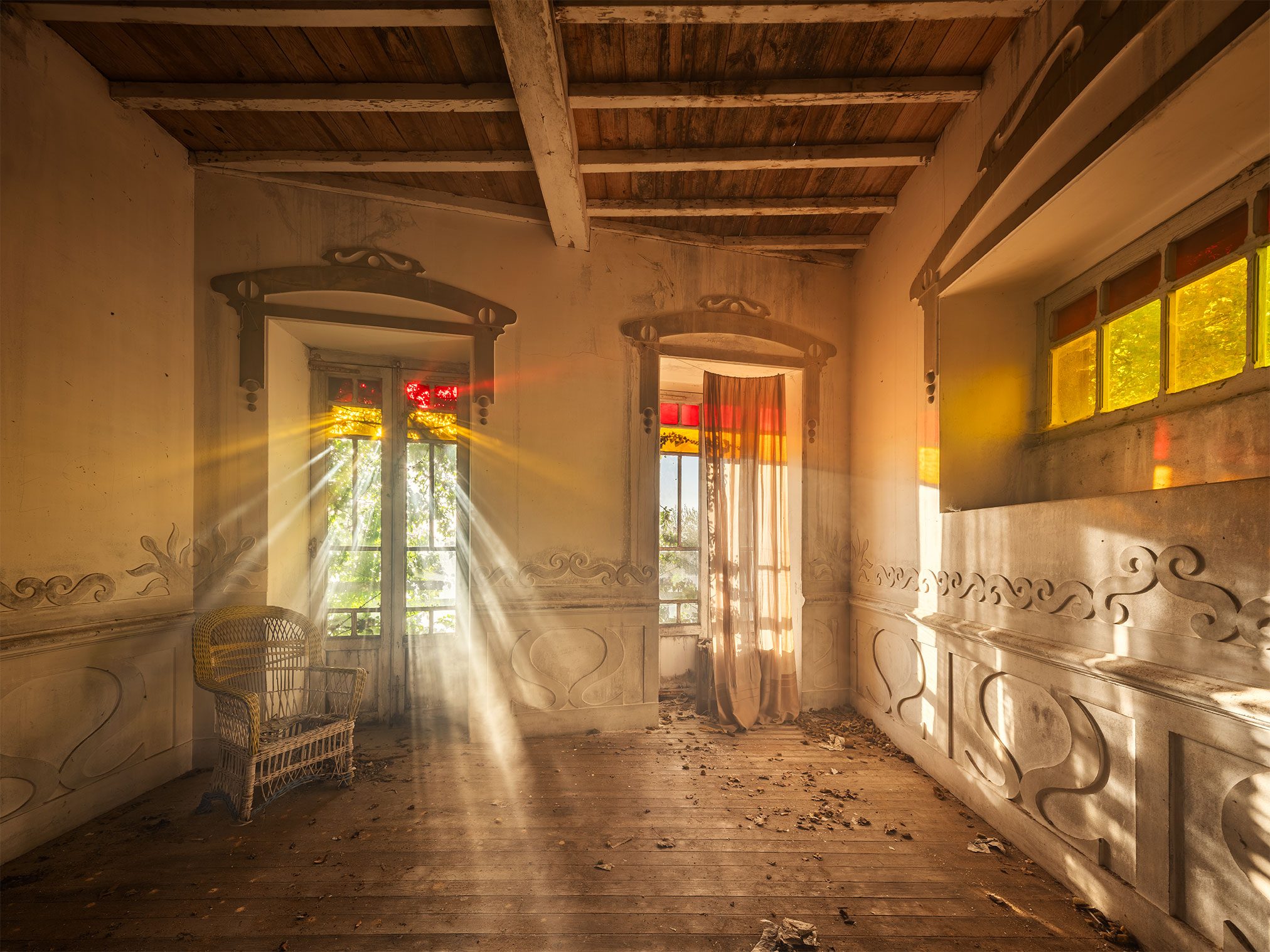
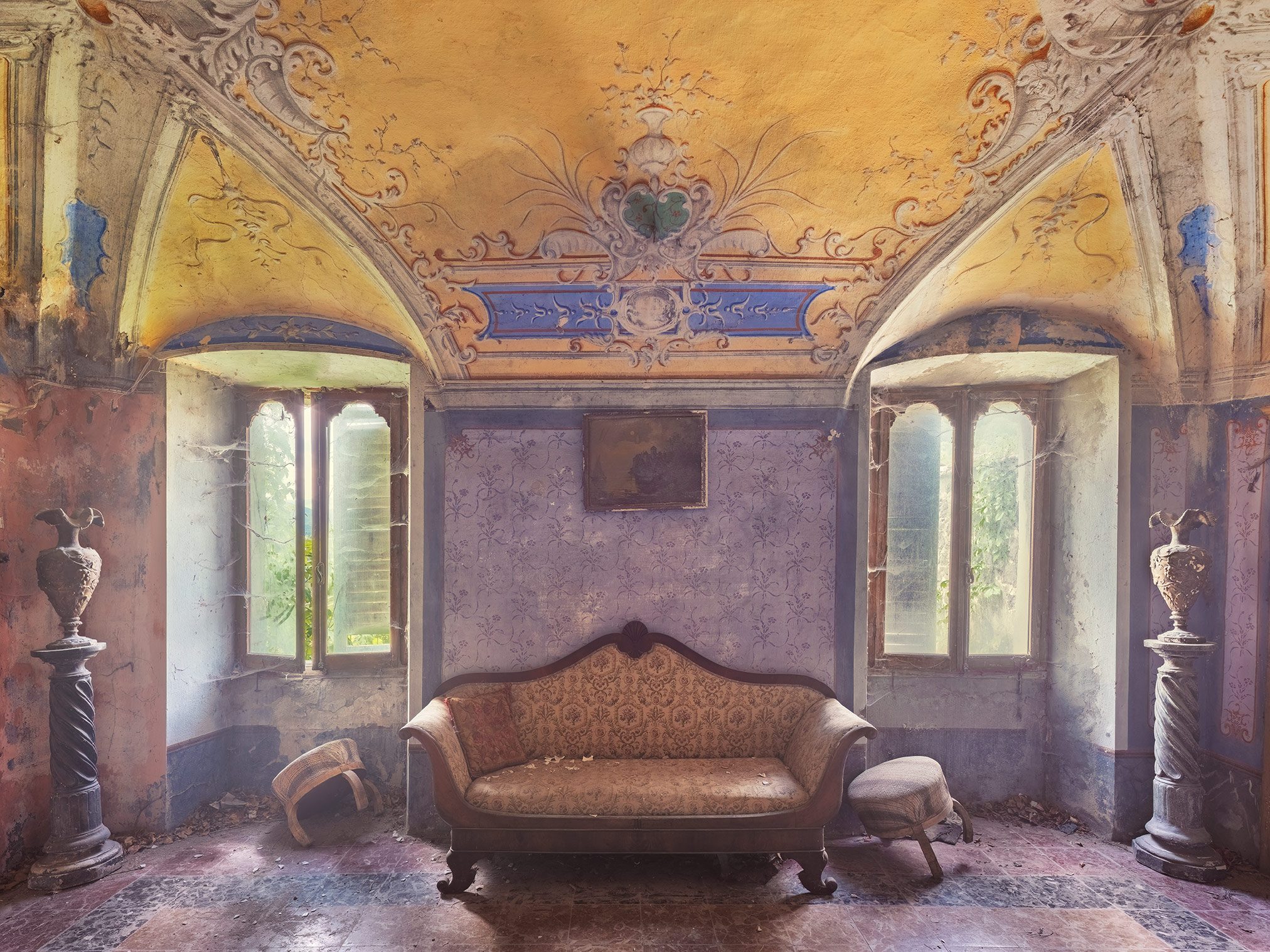
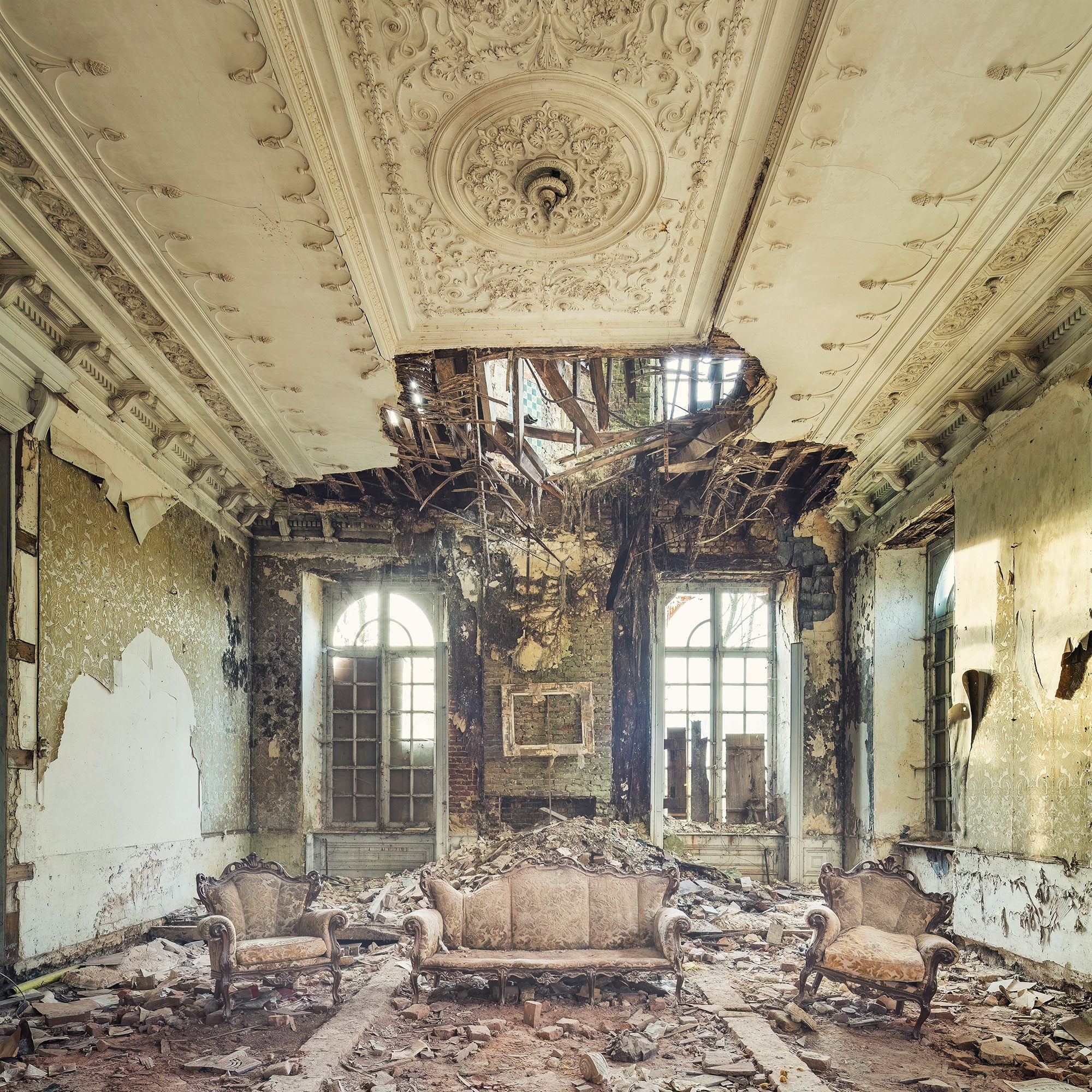
Beauty comes from within: that is true of many things here. The most fantastic interiors often hide behind spartan or at least unassuming façades, with magnificent stucco work, sometimes even behind grey concrete. Inside, particular care is needed. Many of these buildings have rotten or damp wooden floors, and more than once I did not enter certain areas for reasons of safety.
What saddens me most is the thought of the rooms and whole buildings that are probably lost for good. For even if a reconstruction comes one day, the stucco in this condition will hardly be saved.
Azulejos belong to the architecture of the country. These glazed ceramic tiles, mostly blue and white, sometimes multicoloured, cover entire façades and often tell whole stories in composed tile pictures, much like the frescoes of Italy. The Museu Nacional do Azulejo in Lisbon shows tiles from the second half of the fifteenth century to the present day.
Why do so many convents stand empty in Portugal?
At the end of May 1834 a decree by the minister Joaquim António de Aguiar dissolved the male religious orders in Portugal. Convents of nuns were allowed to continue until the last nun had died. There were 563 religious houses in the country at the time. Churches often passed to the parishes; lands and buildings were sold at auction.
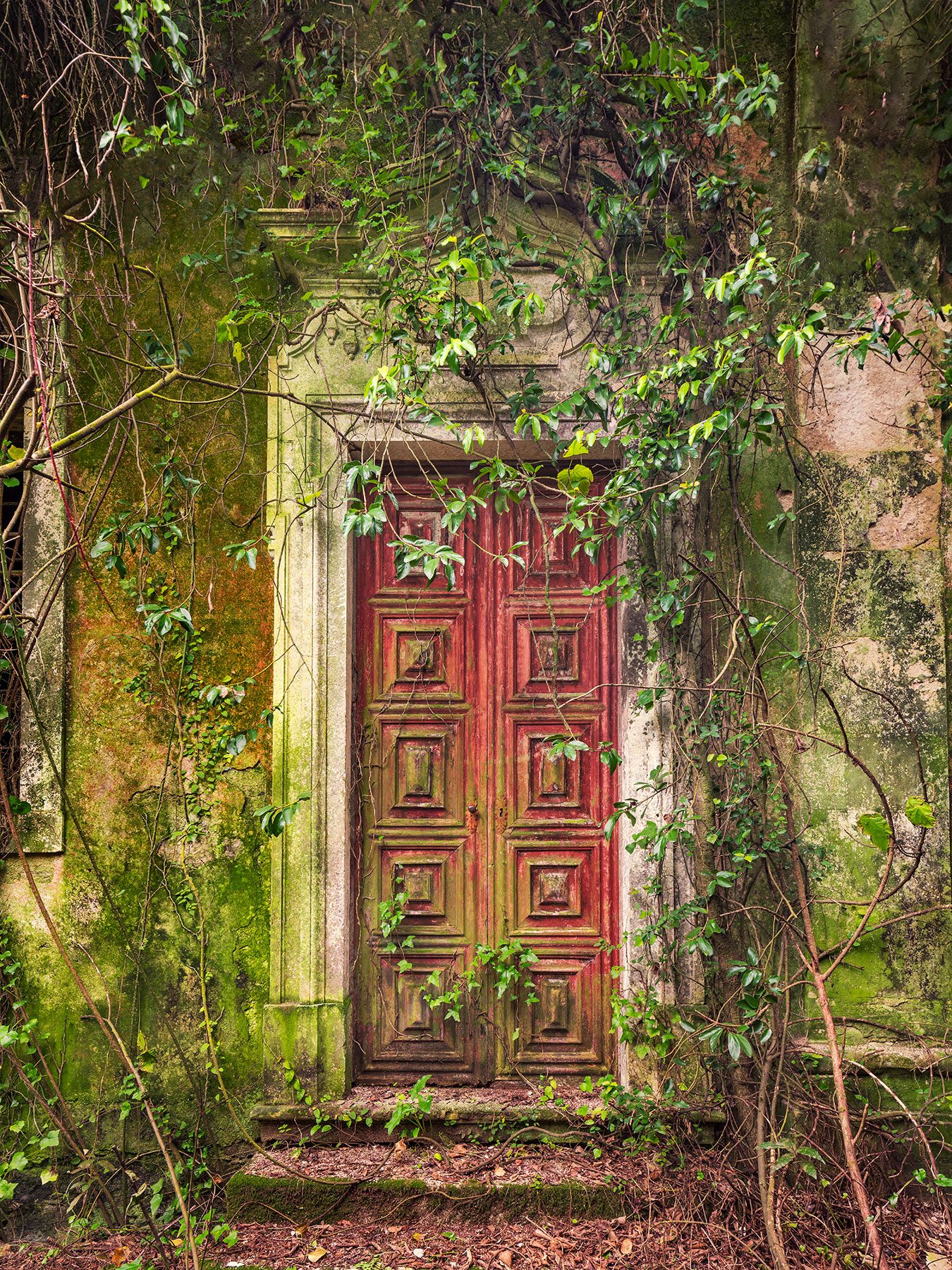
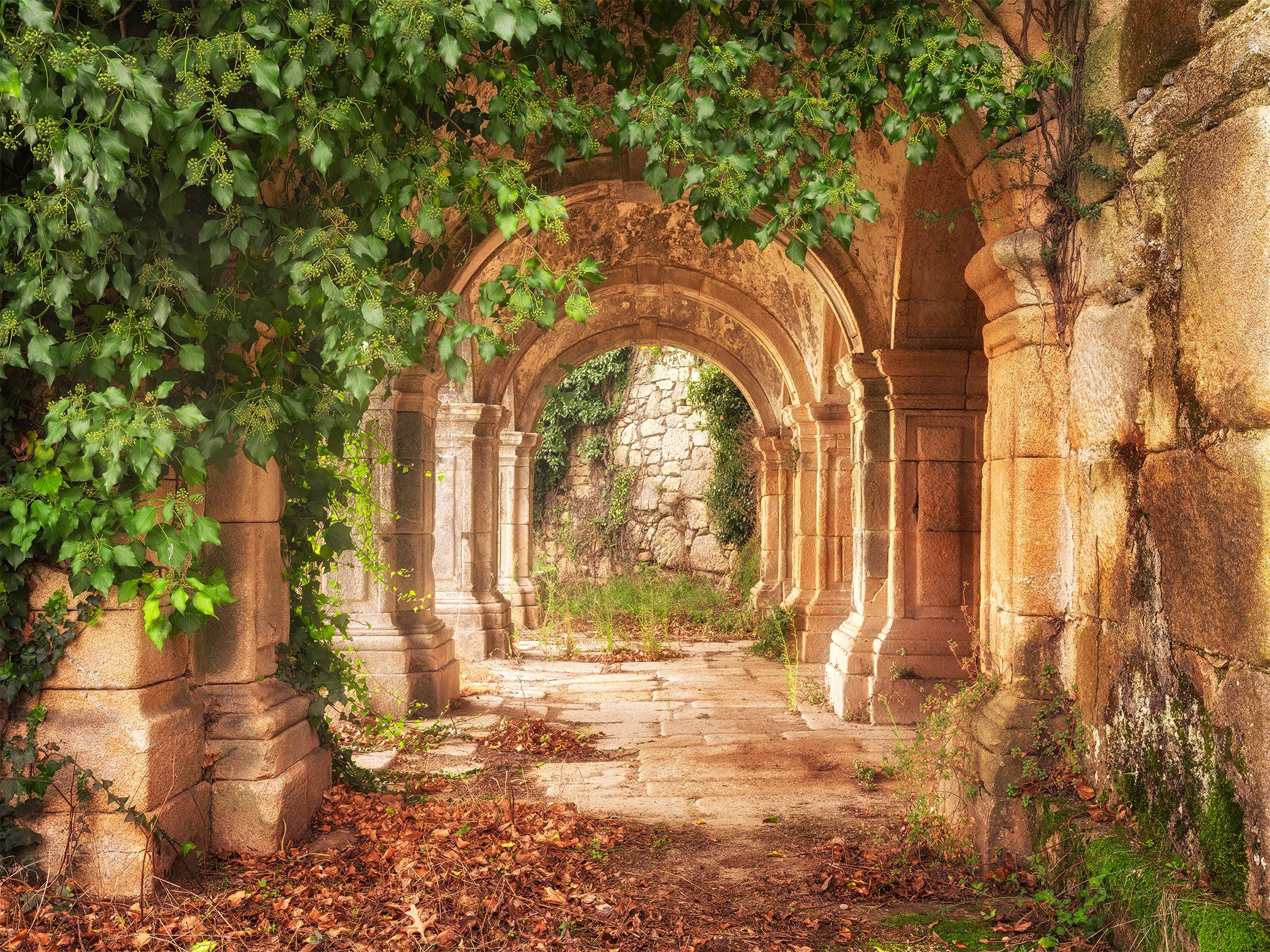
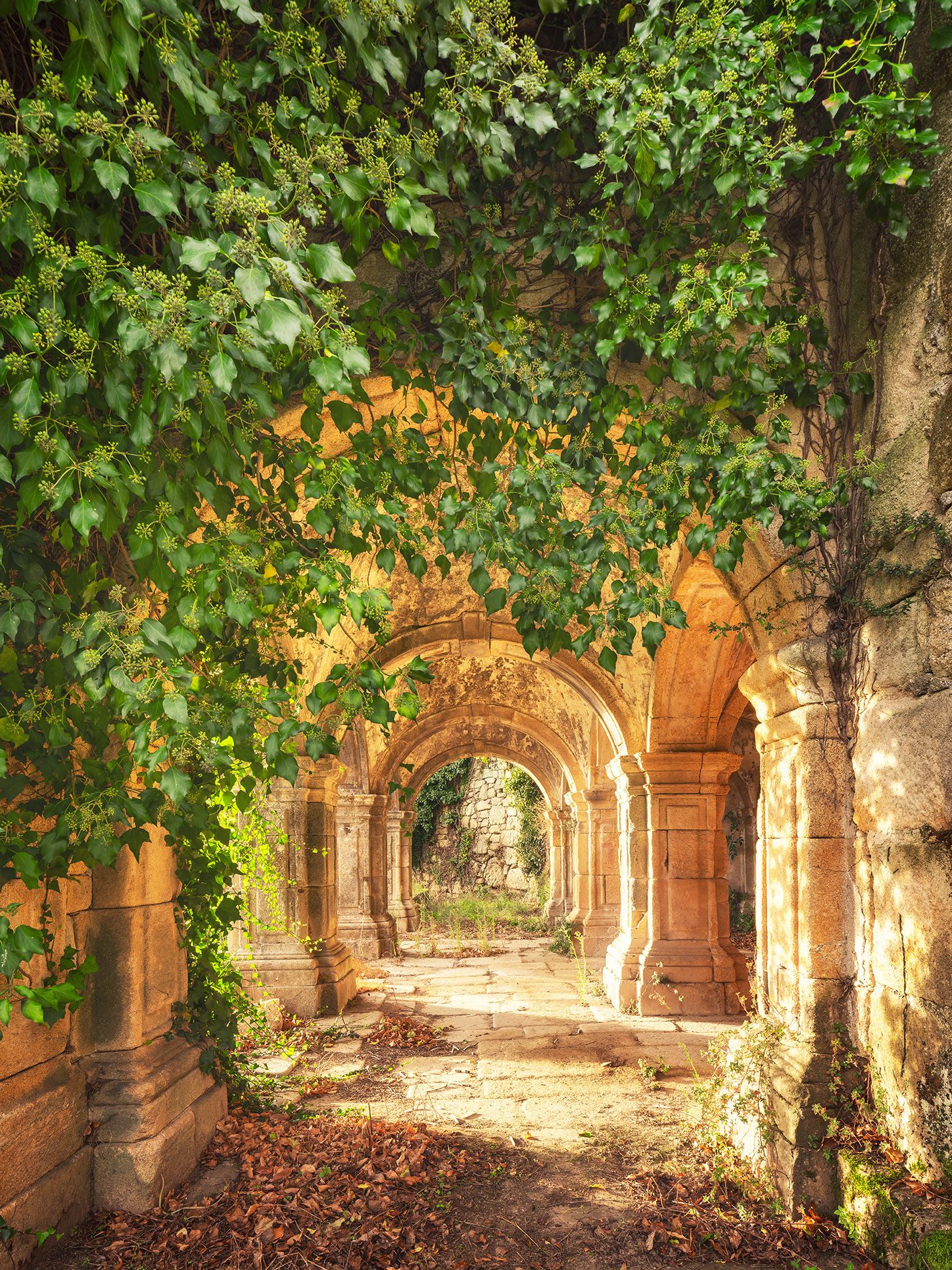
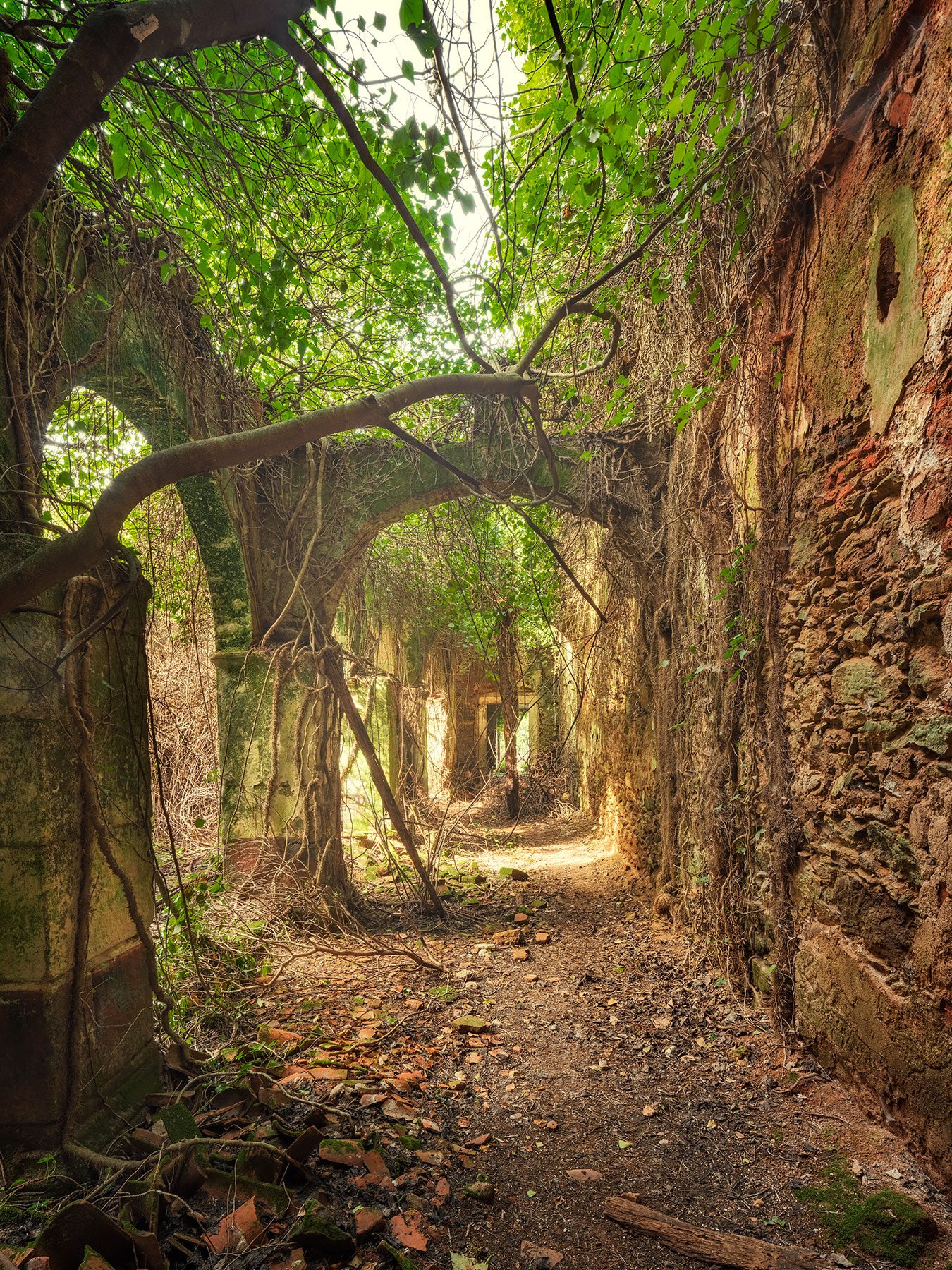
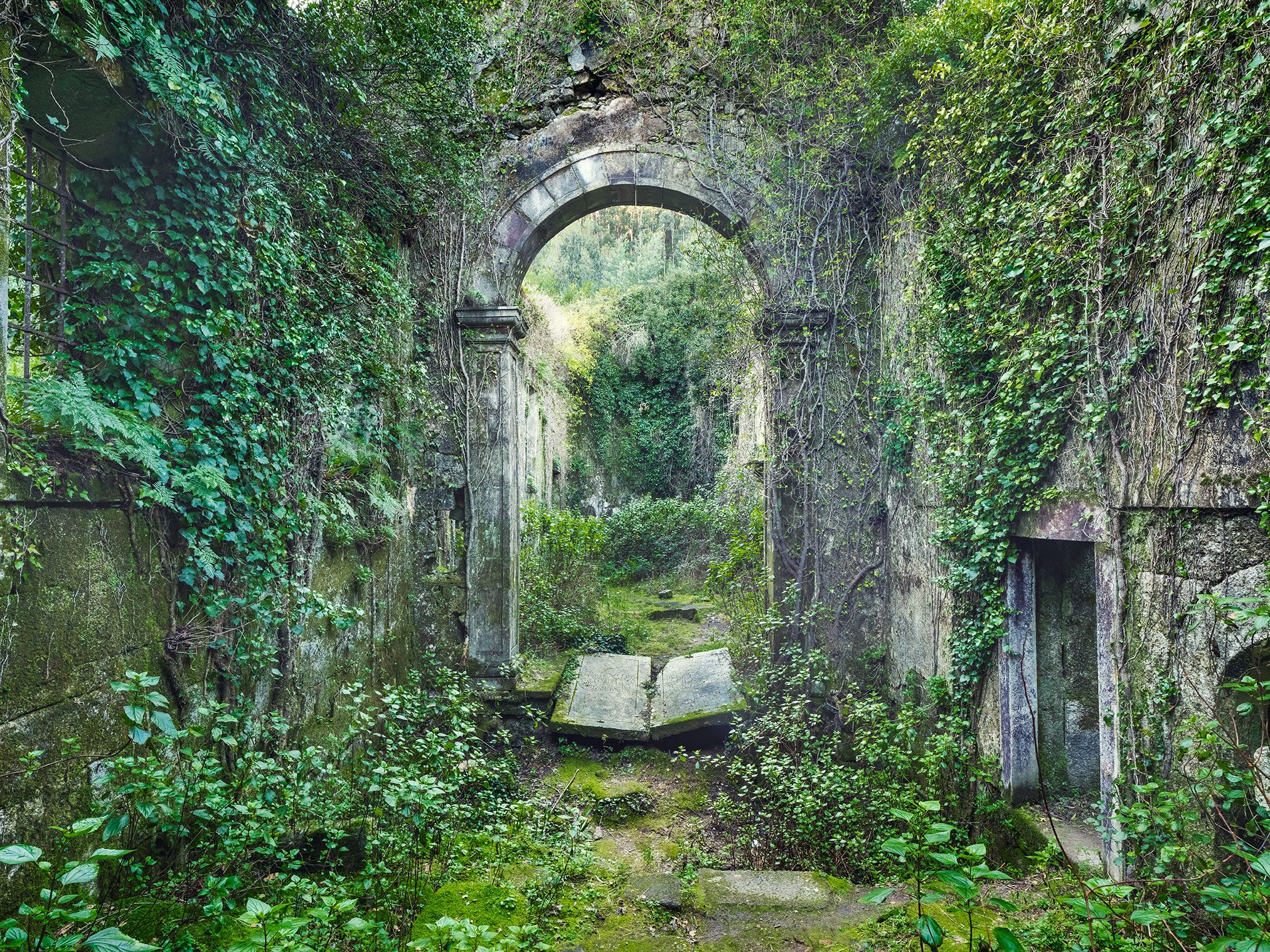
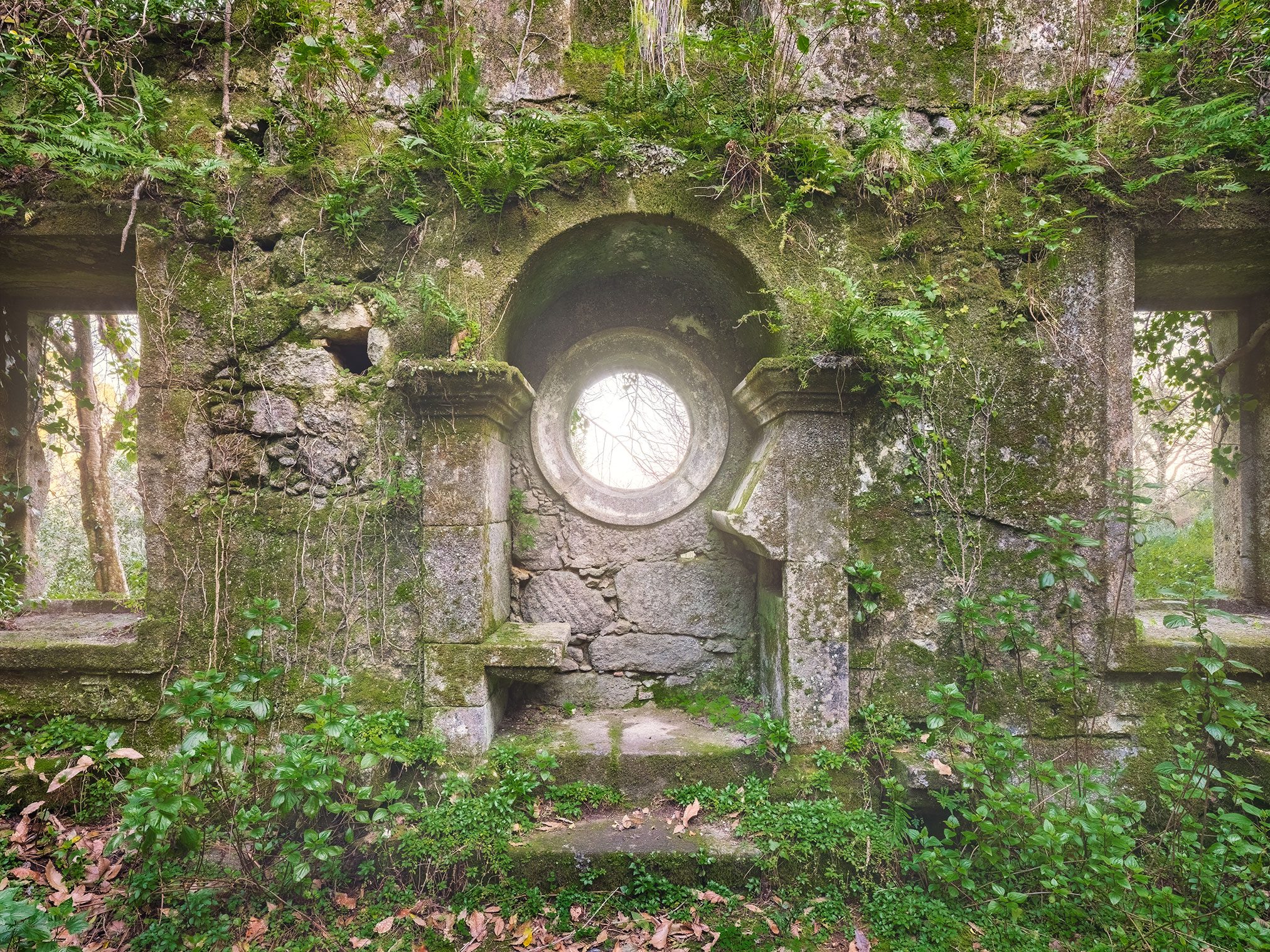
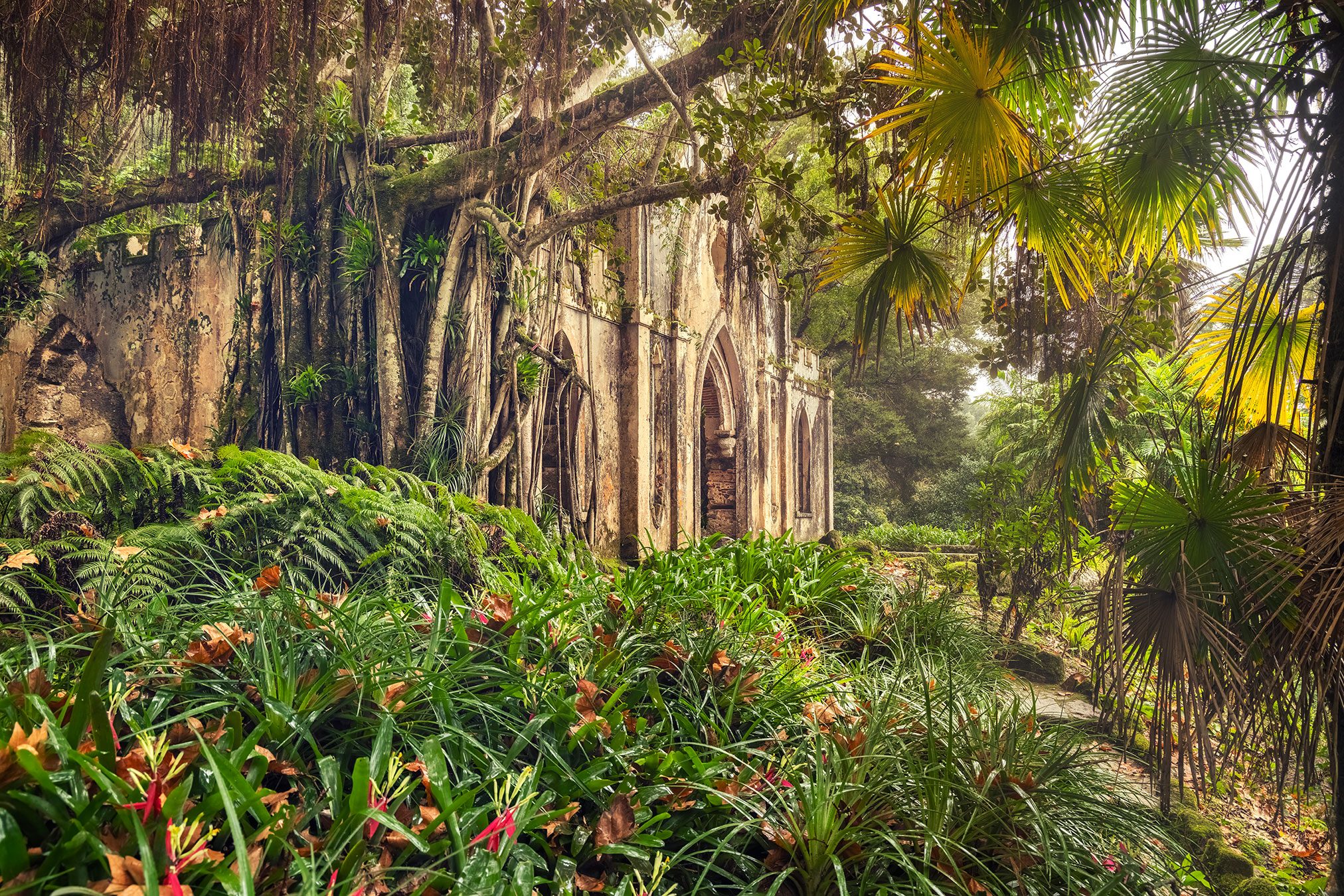
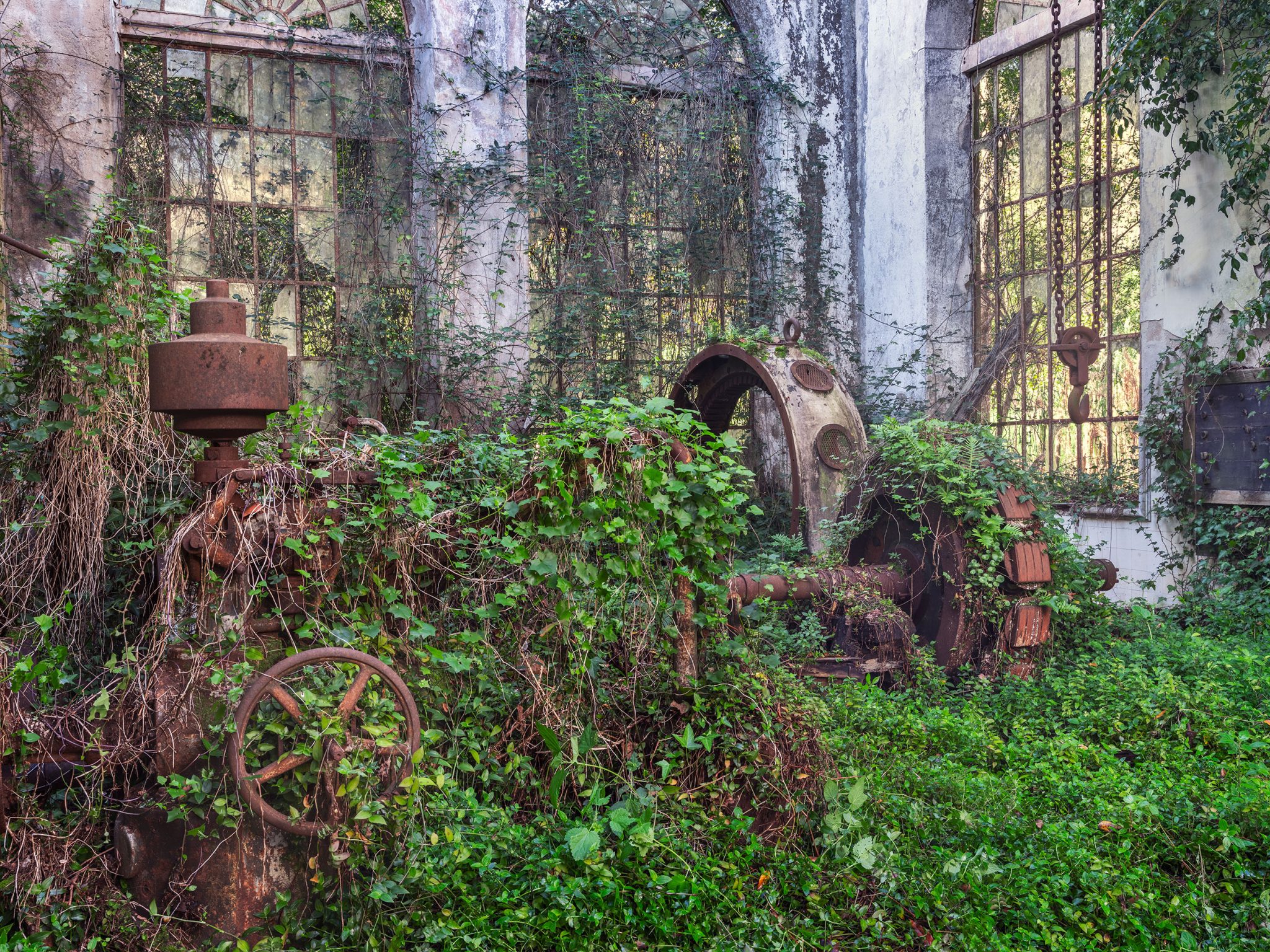
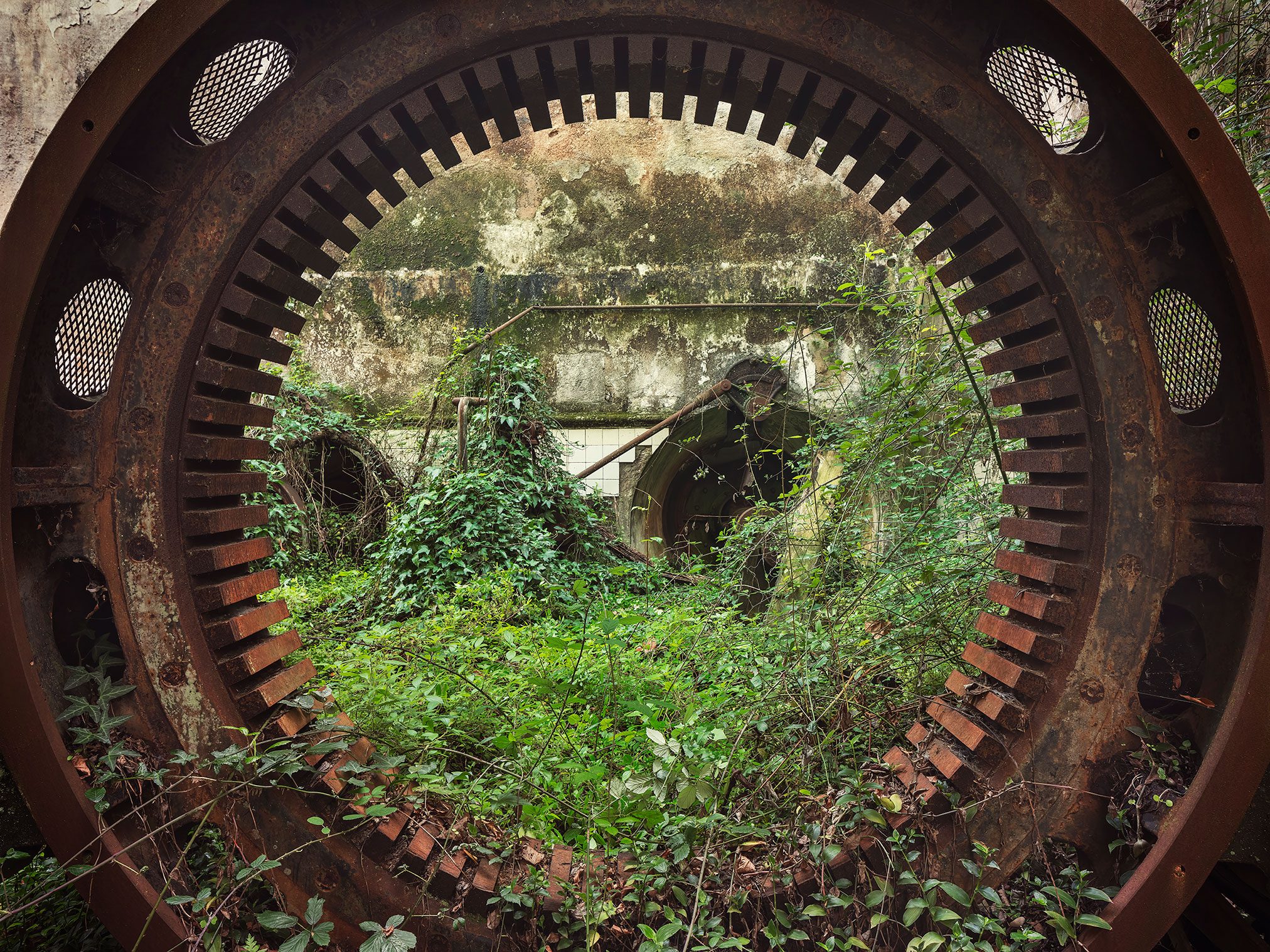
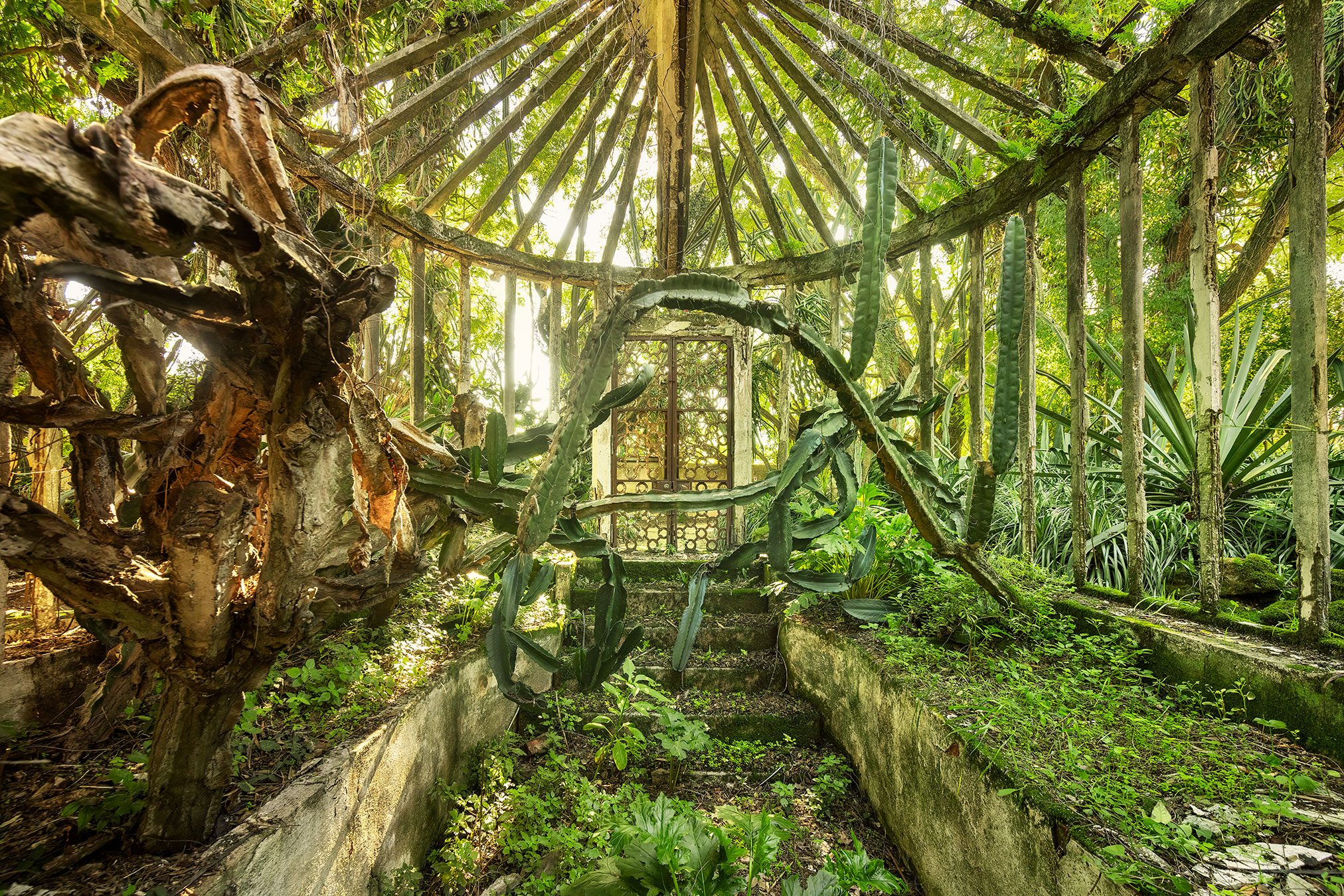
The forgotten conventos and mosteiros found all over the country held a special interest for me. They are among the oldest places in my book; their history goes back to the sixteenth century, and some were fundamentally altered once more in the eighteenth. The ones I visited have been left to themselves for several decades. Their remote, often hard-to-reach position has spared them from vandalism, and nature has been their only inhabitant ever since. It grows in from everywhere, around the masonry and through it, and merges with it more and more into a symbiosis. Here and there a colourful façade or a deep red door still flashes through; elsewhere the dense curtain of plants already covers everything.
The long walk along overgrown paths or up the hill is arduous and takes a great deal of time, yet simply lingering there repays all the effort. Again and again I interrupt my photography, not only to wait for the right light but to take in the atmosphere of these oases of silence. The bustle of civilisation is far away.
Quintas, mandarins and the Douro
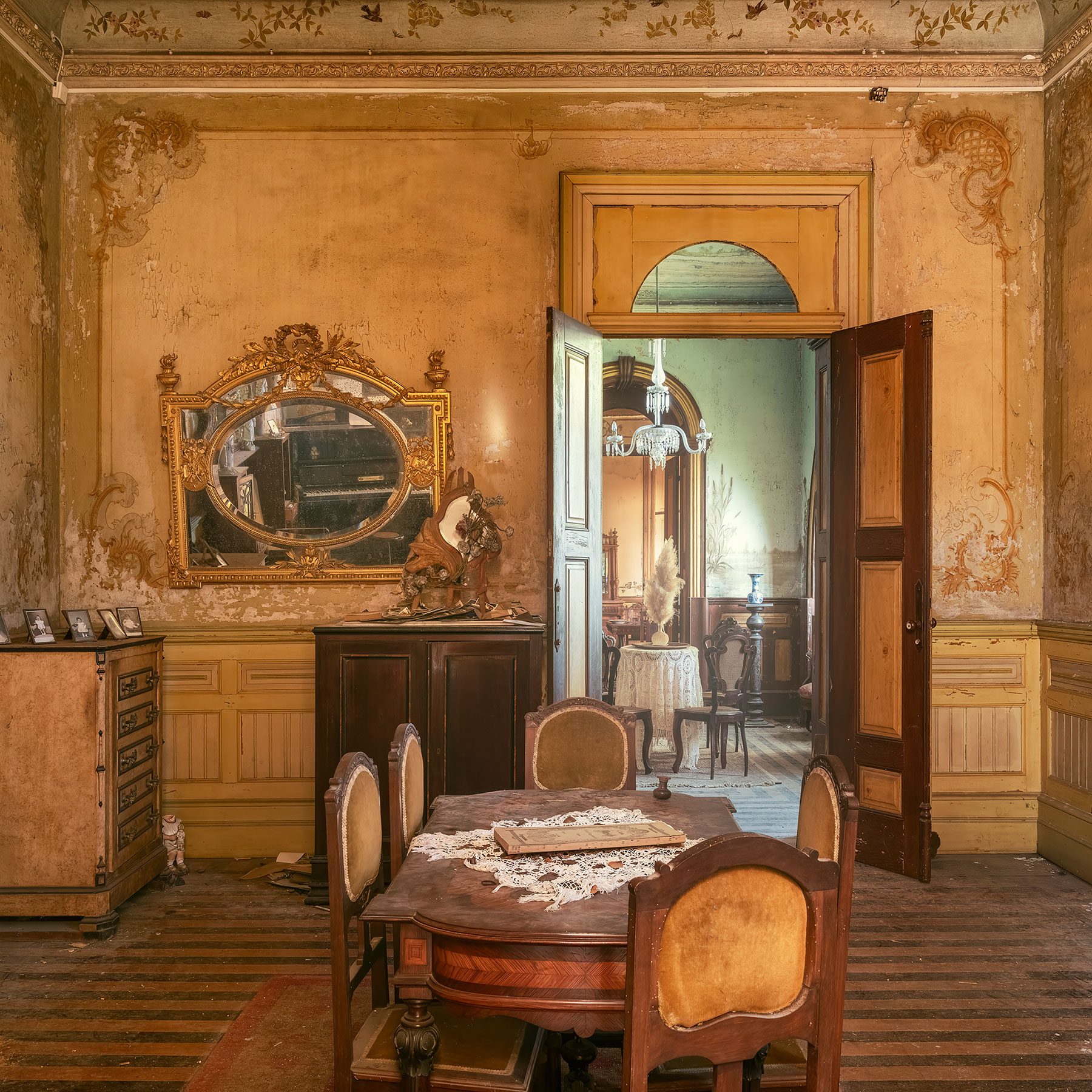
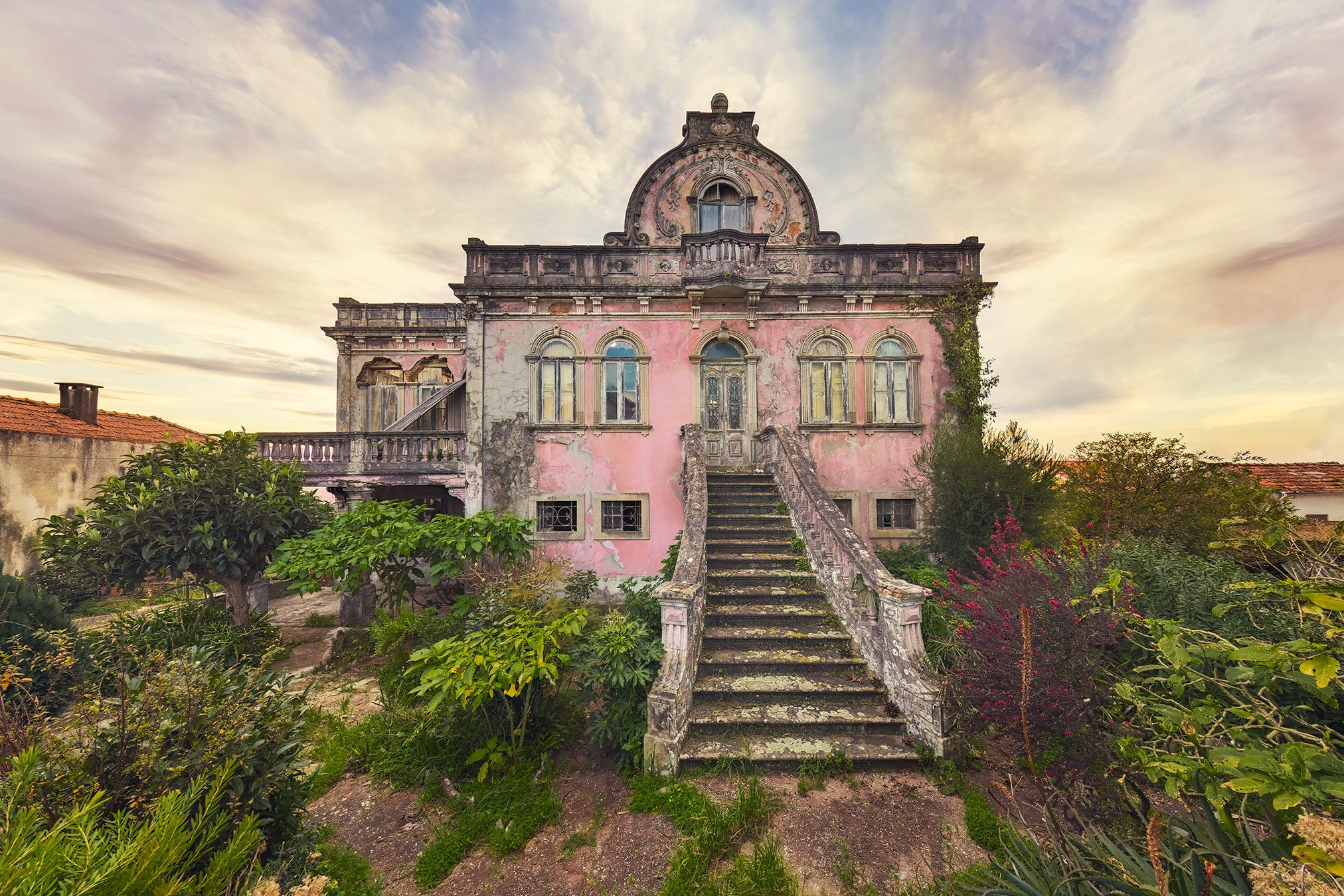
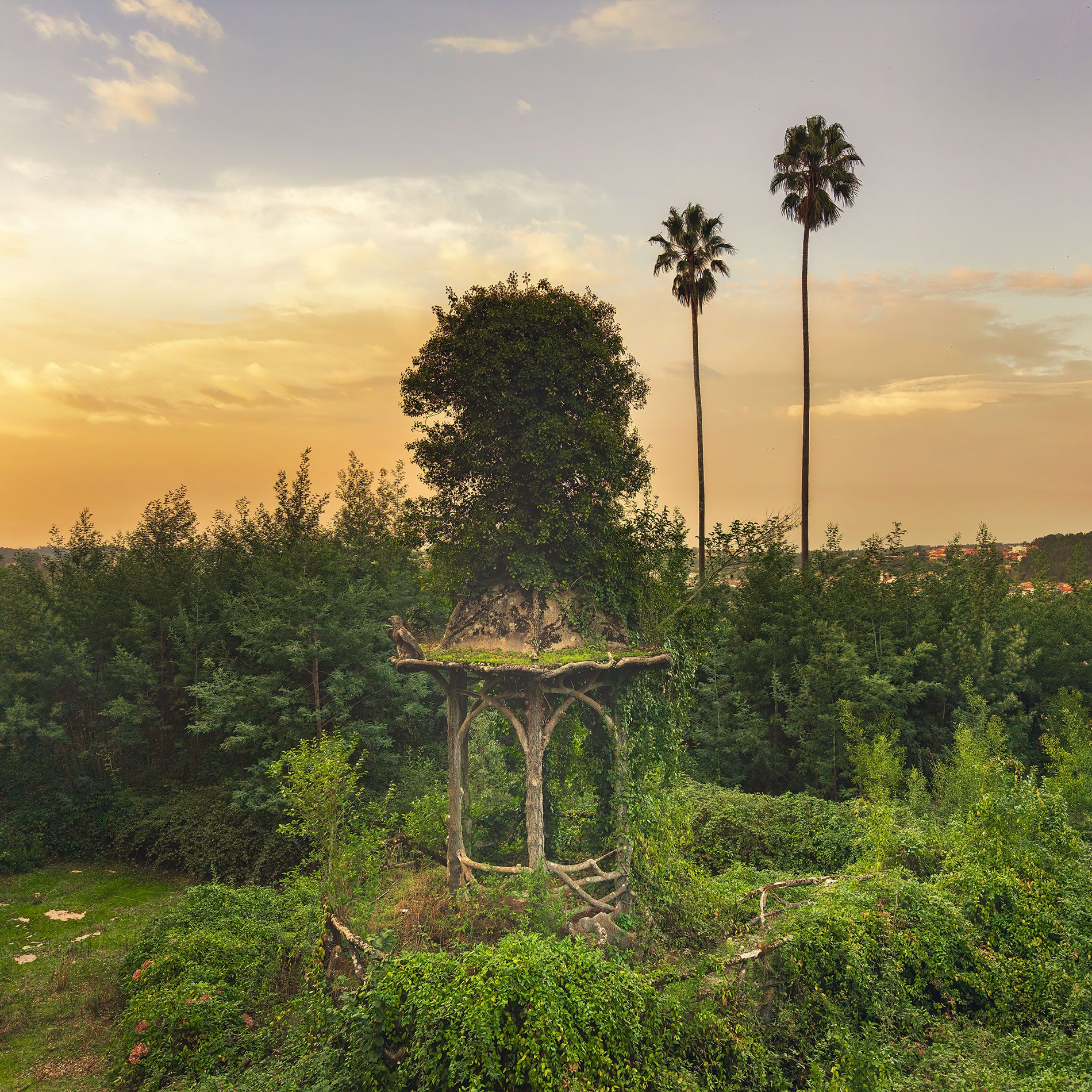
My main destinations on the journey were often the quintas, the stately wine estates of the country. Portugal, incidentally, has far more great wines to offer than its famous port. Abandoned quintas can be found from north to south, sometimes plain and small, almost hidden, sometimes extensive and majestic in their architecture. In the old gardens the mandarin and lime trees still bear fruit, although nobody has harvested them for a long time.
The valley of the Douro, where the picture HALLS OF WINE was taken, has been a UNESCO World Heritage site since 2001 as Alto Douro Vinhateiro, the oldest regulated wine region in the world.
That so much stands empty in the interior also has to do with the people who have left. At the 2021 census Portugal had 10,343,066 inhabitants, 2.1 per cent fewer than in 2011. The statistics office INE noted that the population continues to concentrate on the coast and around the capital: about half live in 31 of the 308 municipalities. 723,215 dwellings stood vacant, twelve per cent of the stock, and ruins without windows or a roof are not included in that figure.
The last evening on the beach of anchors
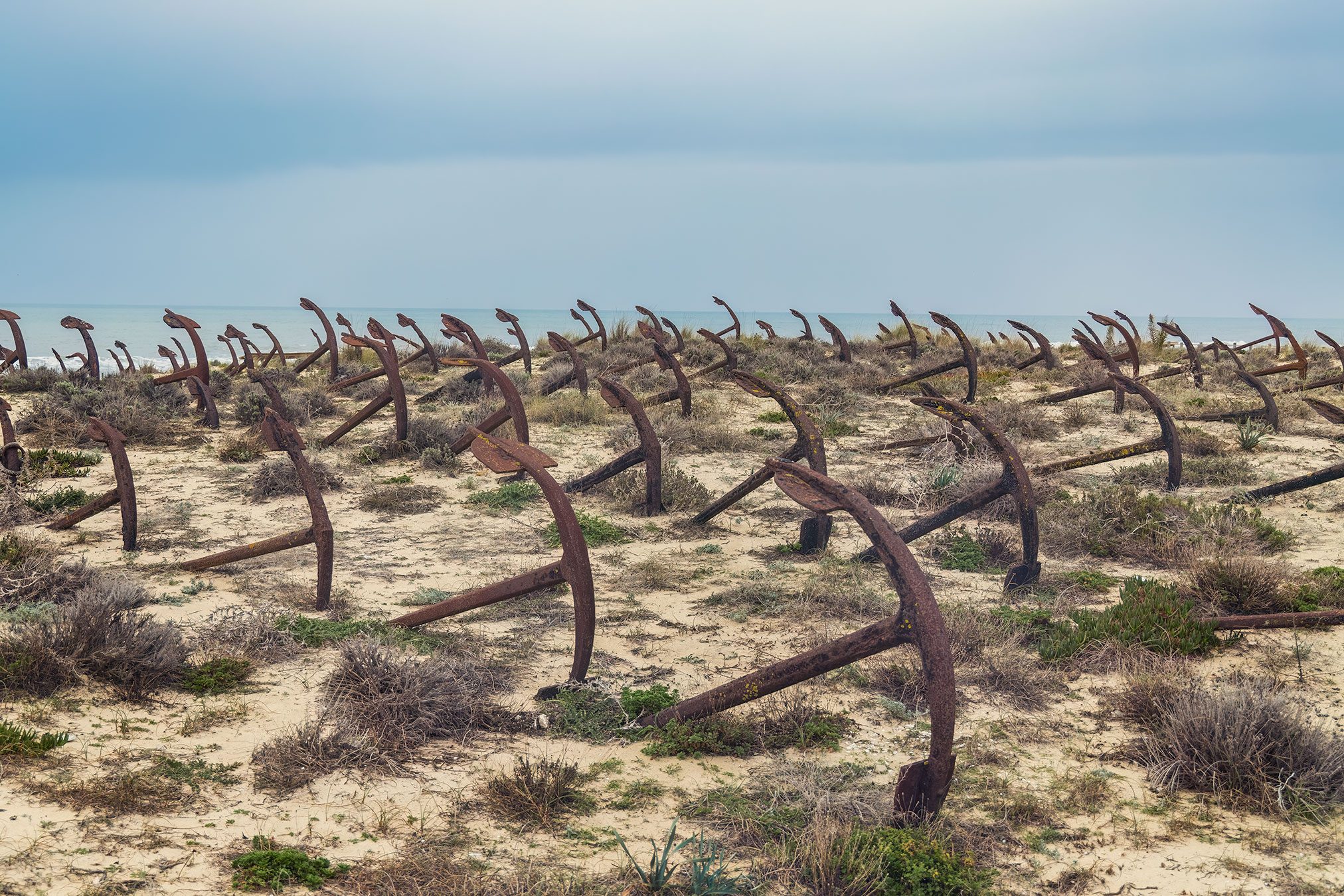
I ended my journey at a very special place on the southern Atlantic coast, the southernmost point of my book. The Cemitério das Âncoras lies in the dunes of Praia do Barril near Tavira. From 1841 to 1966 the Armação dos Três Irmãos operated here, a tuna fishing station where about a hundred fishermen lived from April to September. Some 250 large anchors, which once held the nets in place at sea, now lie in rows in the sand.
Only a few anglers were left on the empty beach. I stayed a long while, enjoying the dusk and the sound of the sea in the dark, before I set out on the long way back.
Portugal is one of the twelve countries in my book VERGESSENE PRACHT, published by Frederking & Thaler in 2023.
The pictures
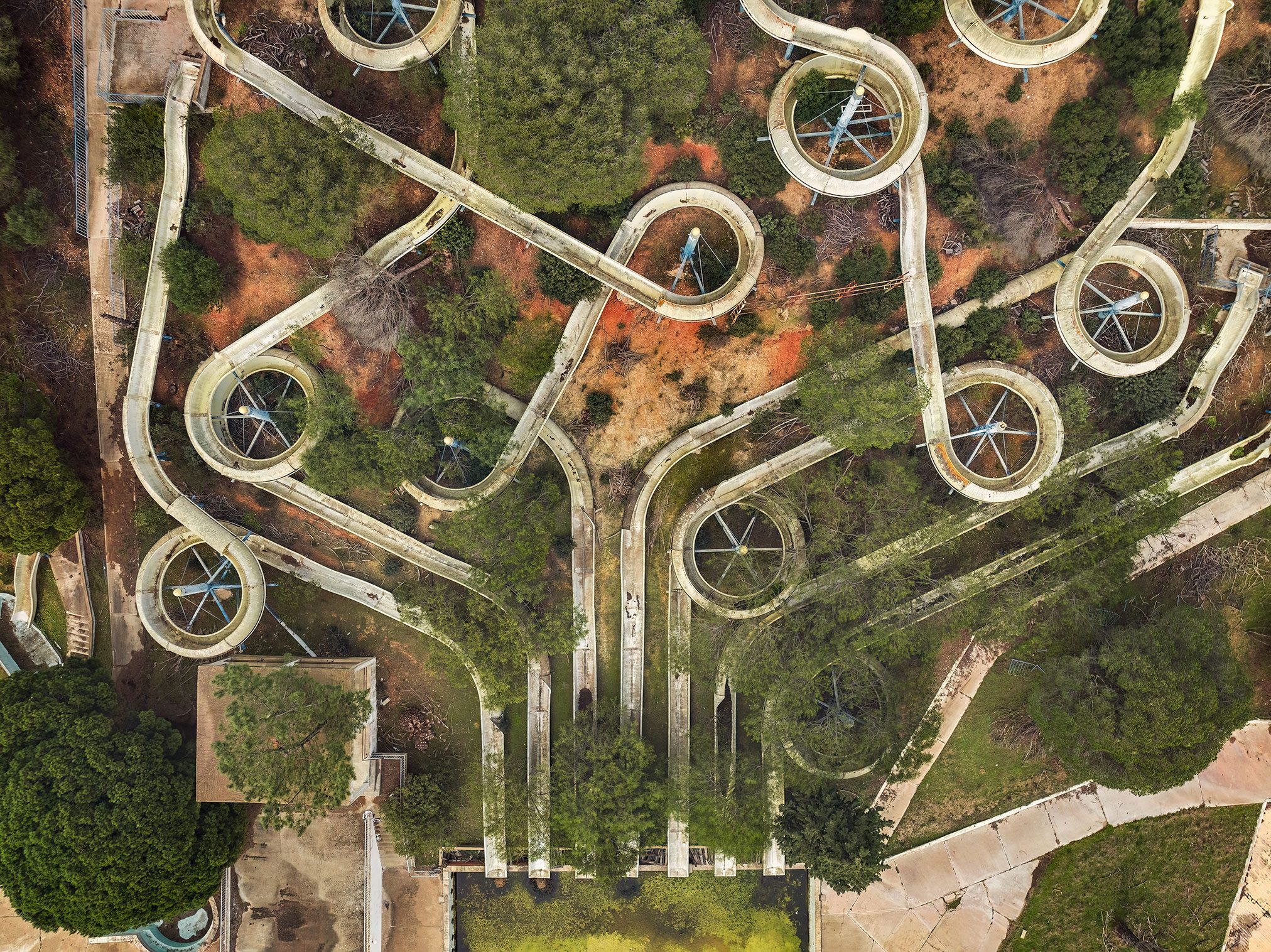
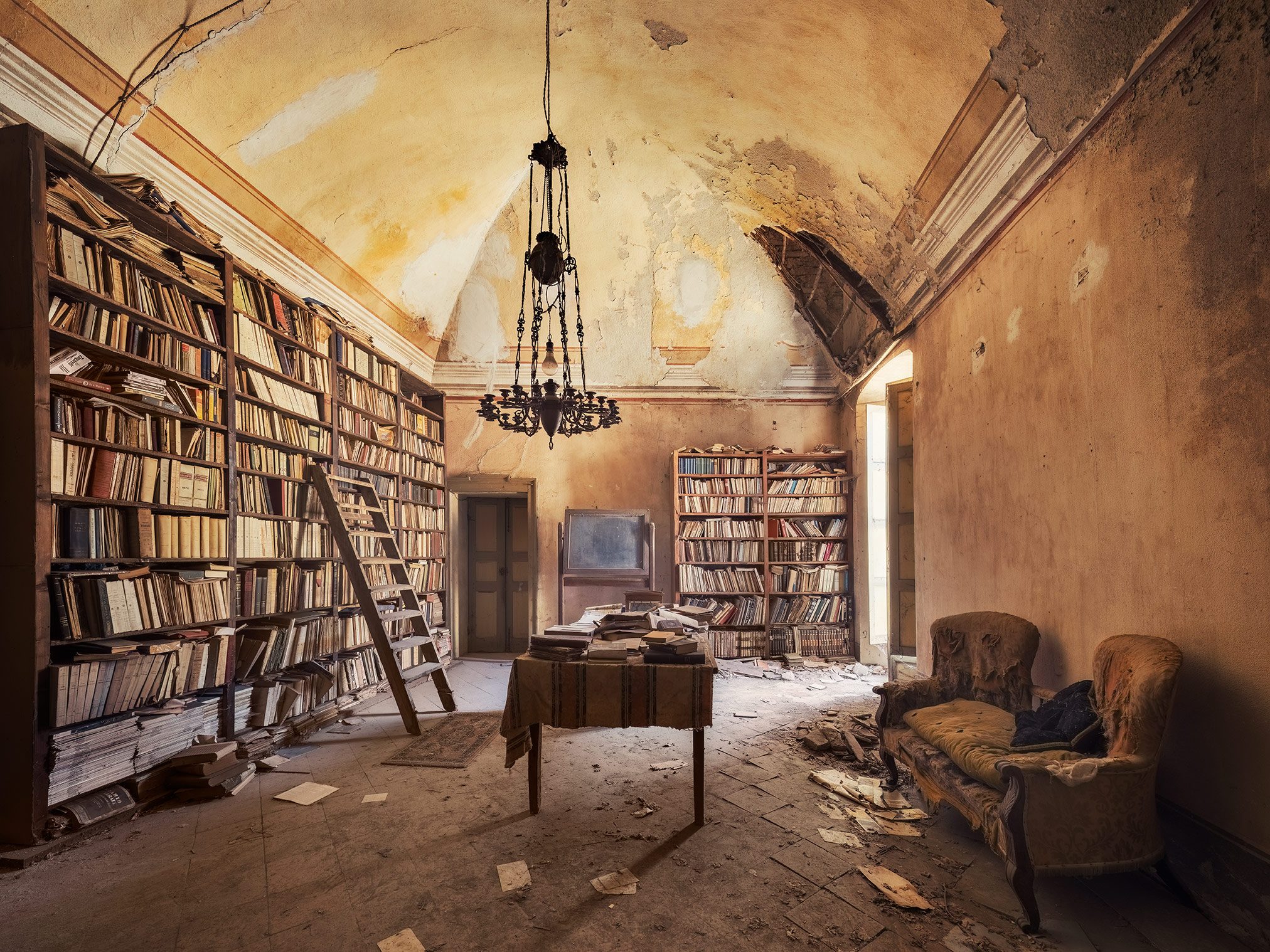
Photographs from Portugal taken in February 2023, from the series HABITAT, SECRET GARDENS, ELEMENTAL, AIRSCAPES, BOUNDLESS and others.
-
-
-
-
-
-
-
-
-
-
-
-
-
-
-
-
-
-
-
-
-
-
-
-
-
-
-
-
-
-
-
-
-
-
-
-
Sources and further background
This story draws on the following sources.
- Lusa/RTP: Censos 2021, Desequilíbrio na distribuição populacional acentuou-se (23.11.2022) , accessed 11. November 2026
- Observador: Portugal tem 723 mil casas vazias (INE, Censos 2021; 15.02.2023) , accessed 11. November 2026
- Boletim do Arquivo da Universidade de Coimbra: Extinção das ordens religiosas 1834 (17.07.2024) , accessed 11. November 2026
- Biblioteca Nacional de Portugal: Decree of 28 May 1834 , accessed 11. November 2026
- Museus e Monumentos de Portugal: Museu Nacional do Azulejo , accessed 11. November 2026
- Comissão Nacional da UNESCO: Alto Douro Vinhateiro , accessed 11. November 2026
- Brígida Baptista: A Armação do Barril (CHAM, Universidade Nova de Lisboa, 2016) , accessed 11. November 2026
- Postal do Algarve: Património pesqueiro da Armação do Barril (28.06.2018) , accessed 11. November 2026
- Lusa / Agroportal: Espigueiros do Soajo e do Lindoso (09.05.2023) , accessed 11. November 2026
- Fronteira Esquecida: Castle and granaries of Lindoso , accessed 11. November 2026
Series
More from HABITAT
Fine art prints on the theme
Related stories
All stories →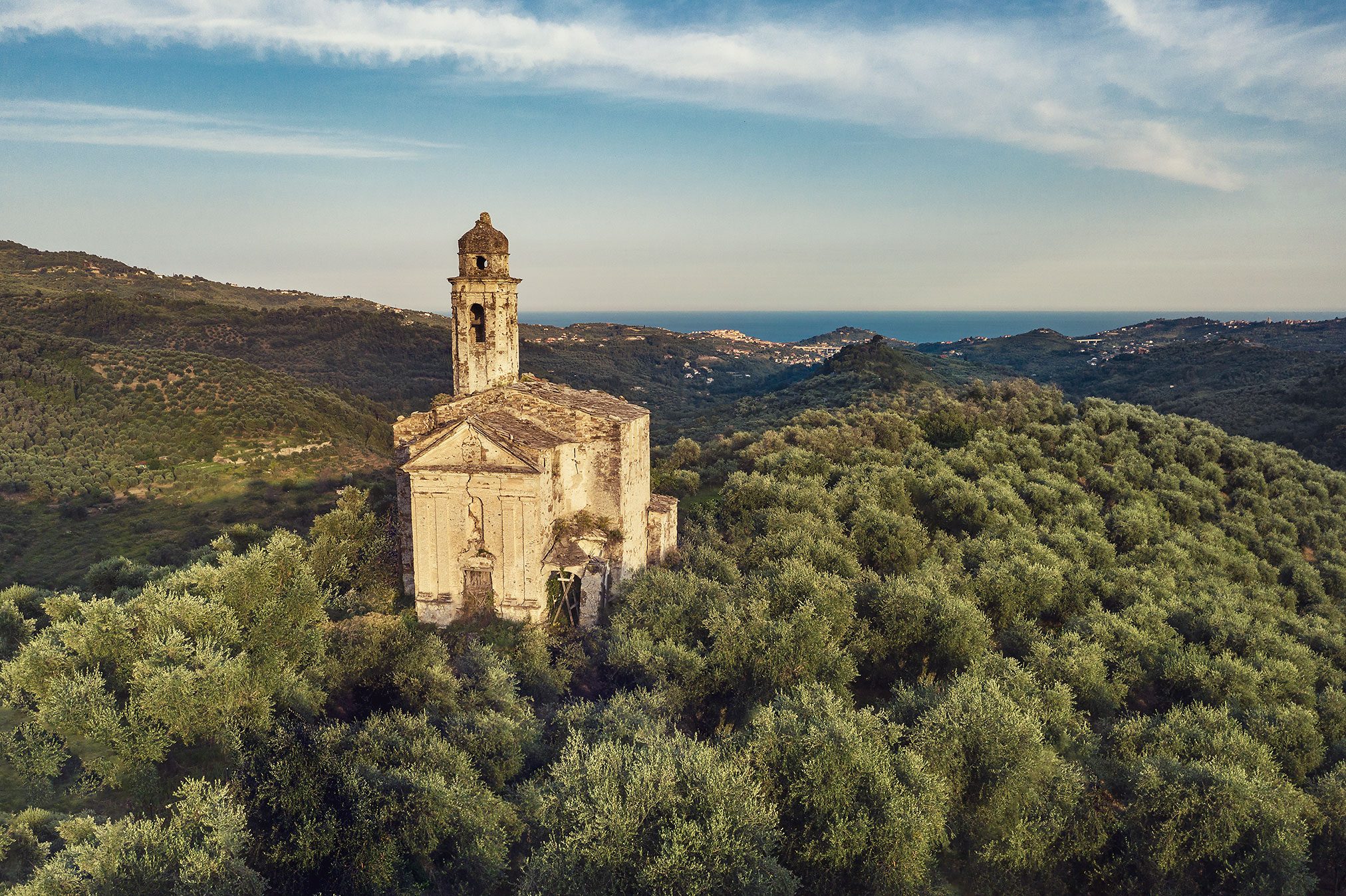
Share