


Stories · Countries and regions · Georgia, Abkhazia
Abkhazia: Abandoned railway stations and sanatoria on the Soviet Riviera
In May 2019 I travelled to Abkhazia, on foot across a bridge and after almost five hours of checks. I found majestic railway stations, sanatoria without guests and mining towns where a handful of families still live.
At a glance
- Location
- Georgia, Abkhazia
- Series
- BOUNDLESS
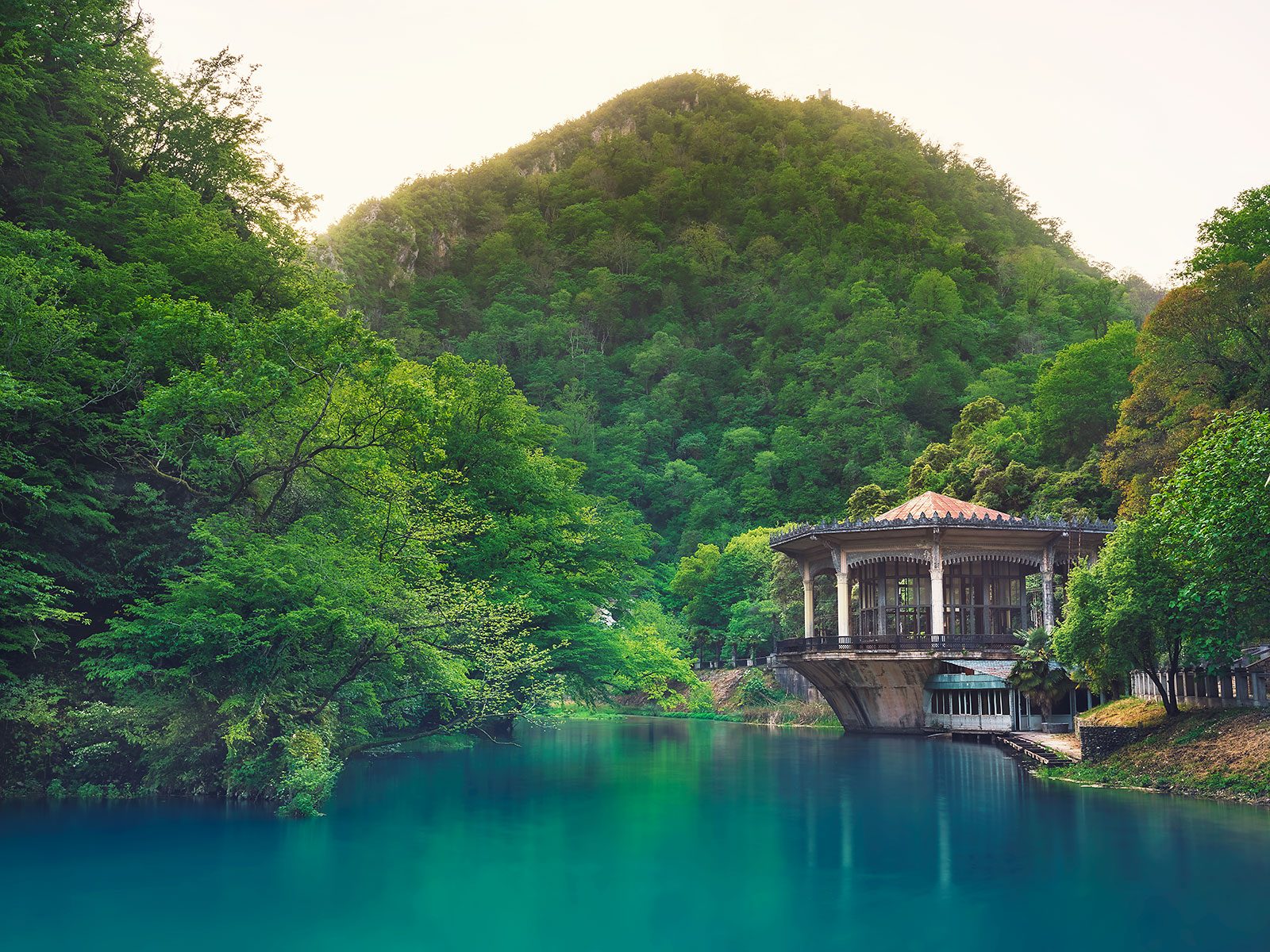
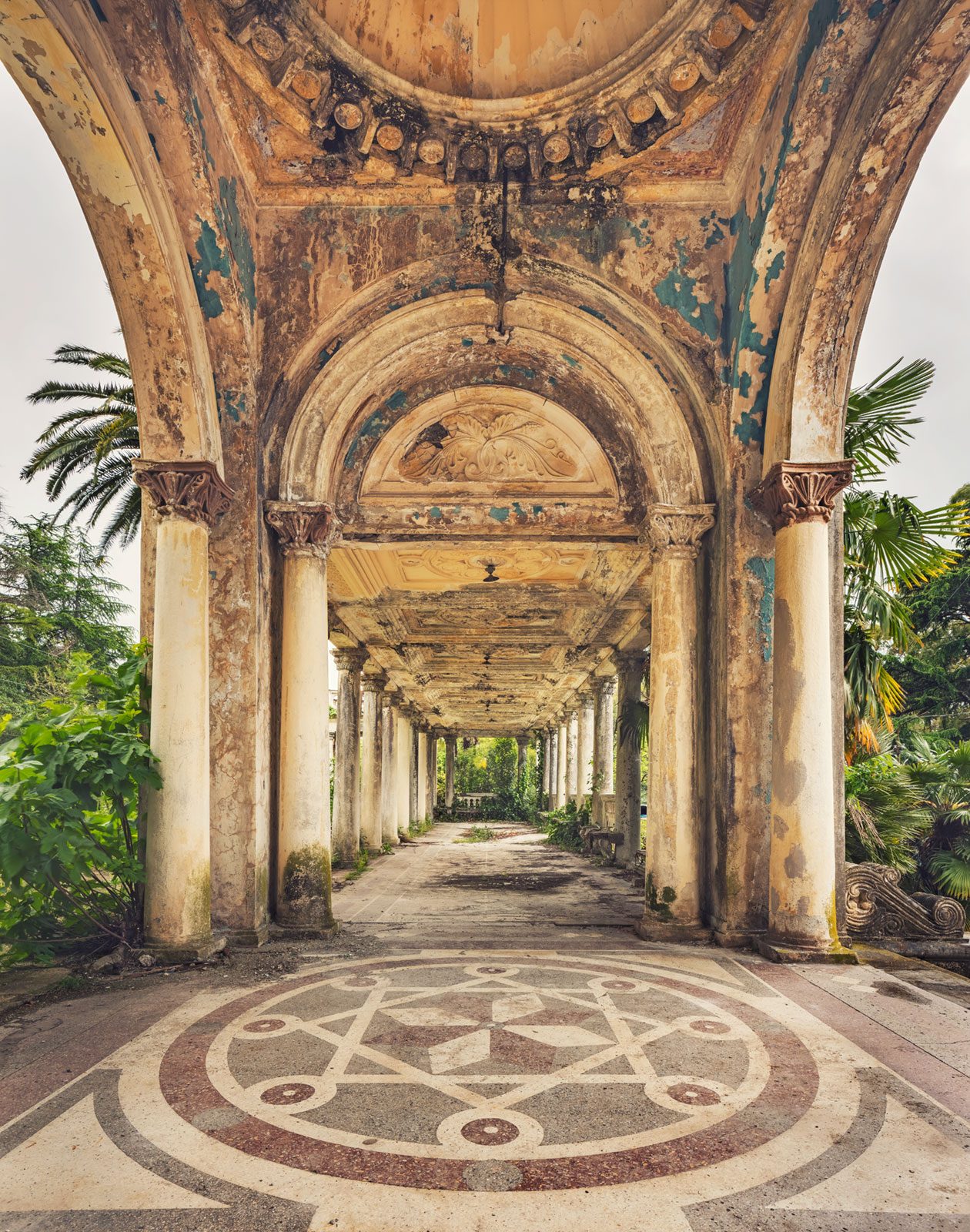
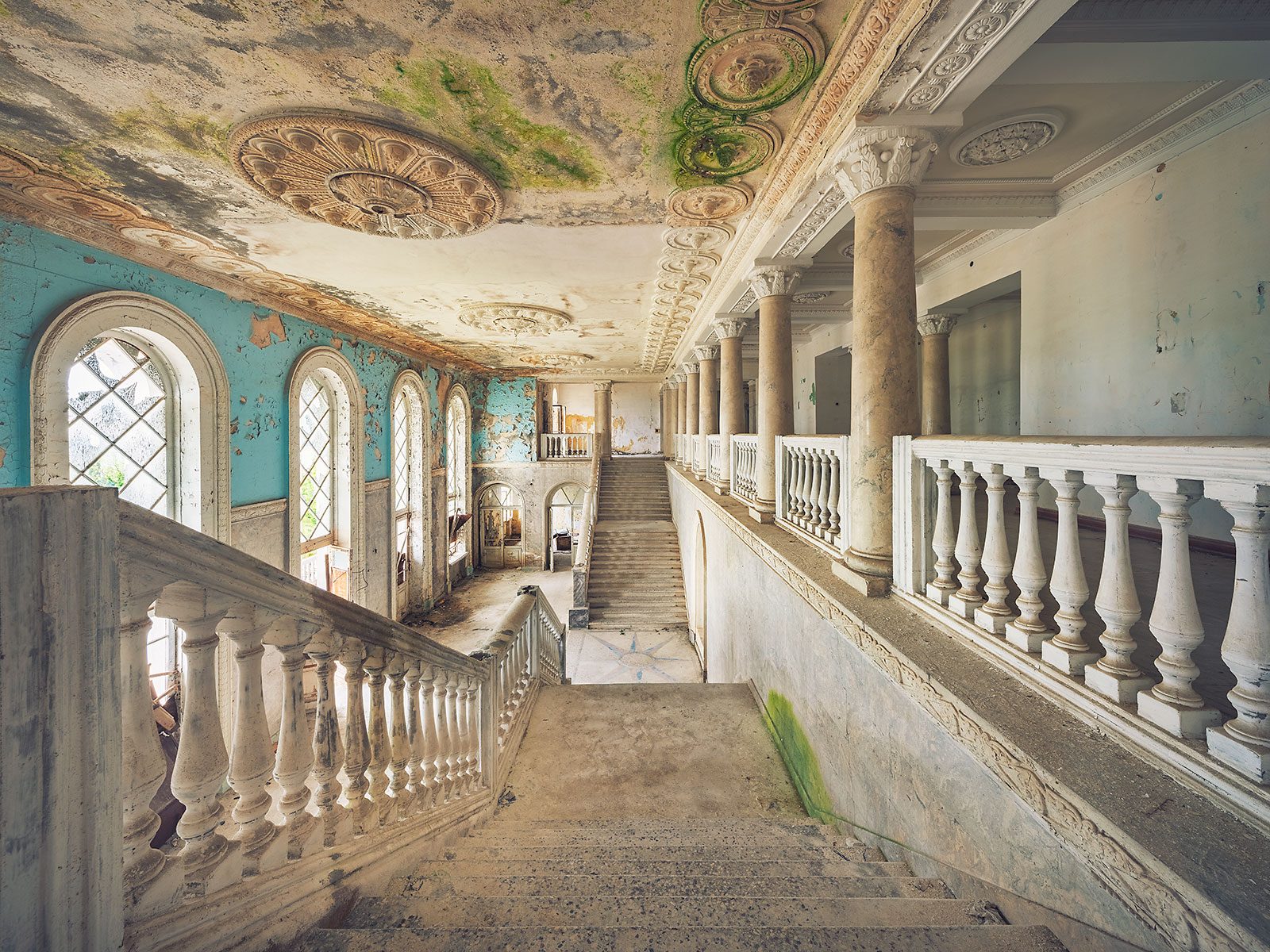
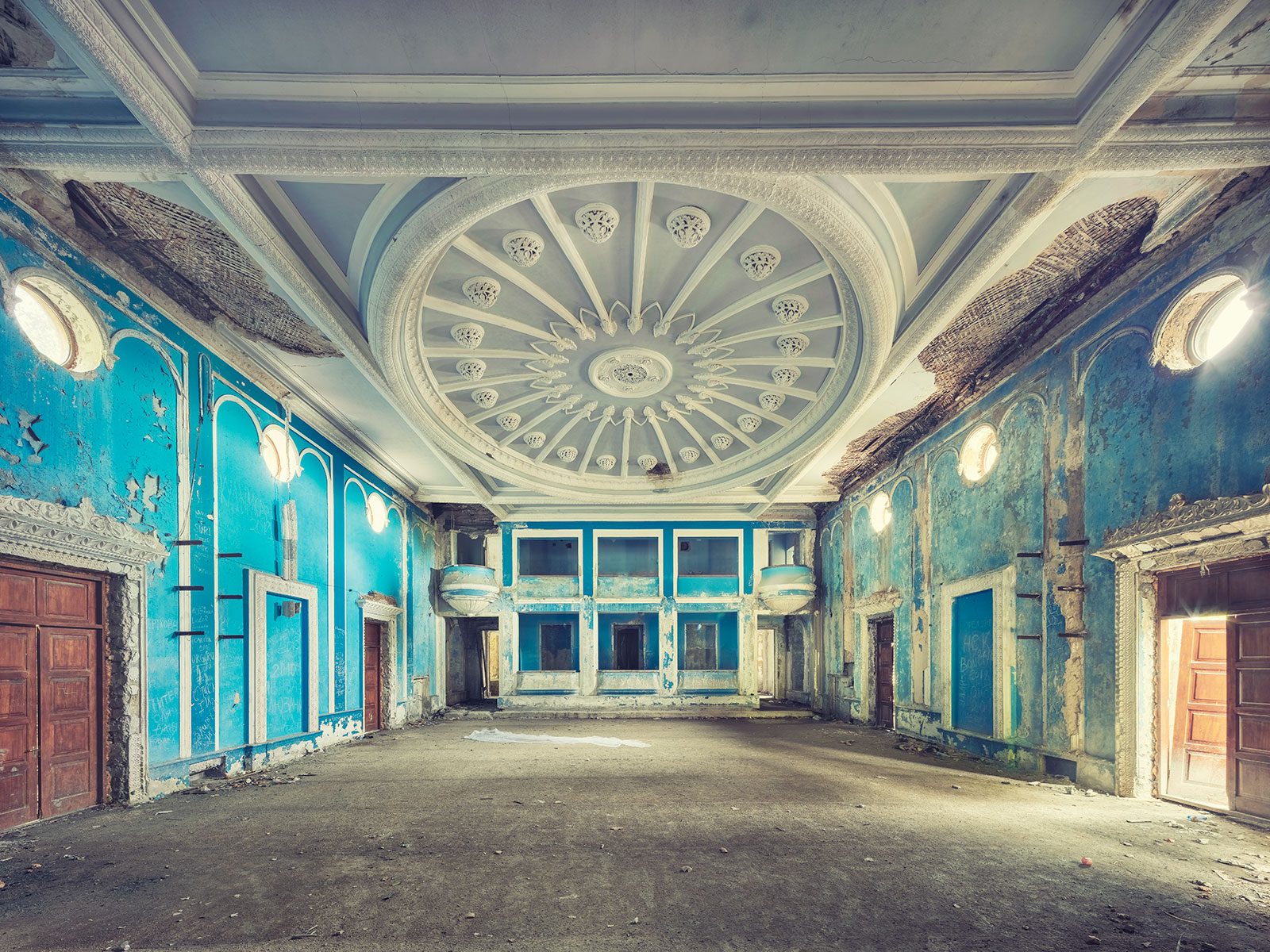
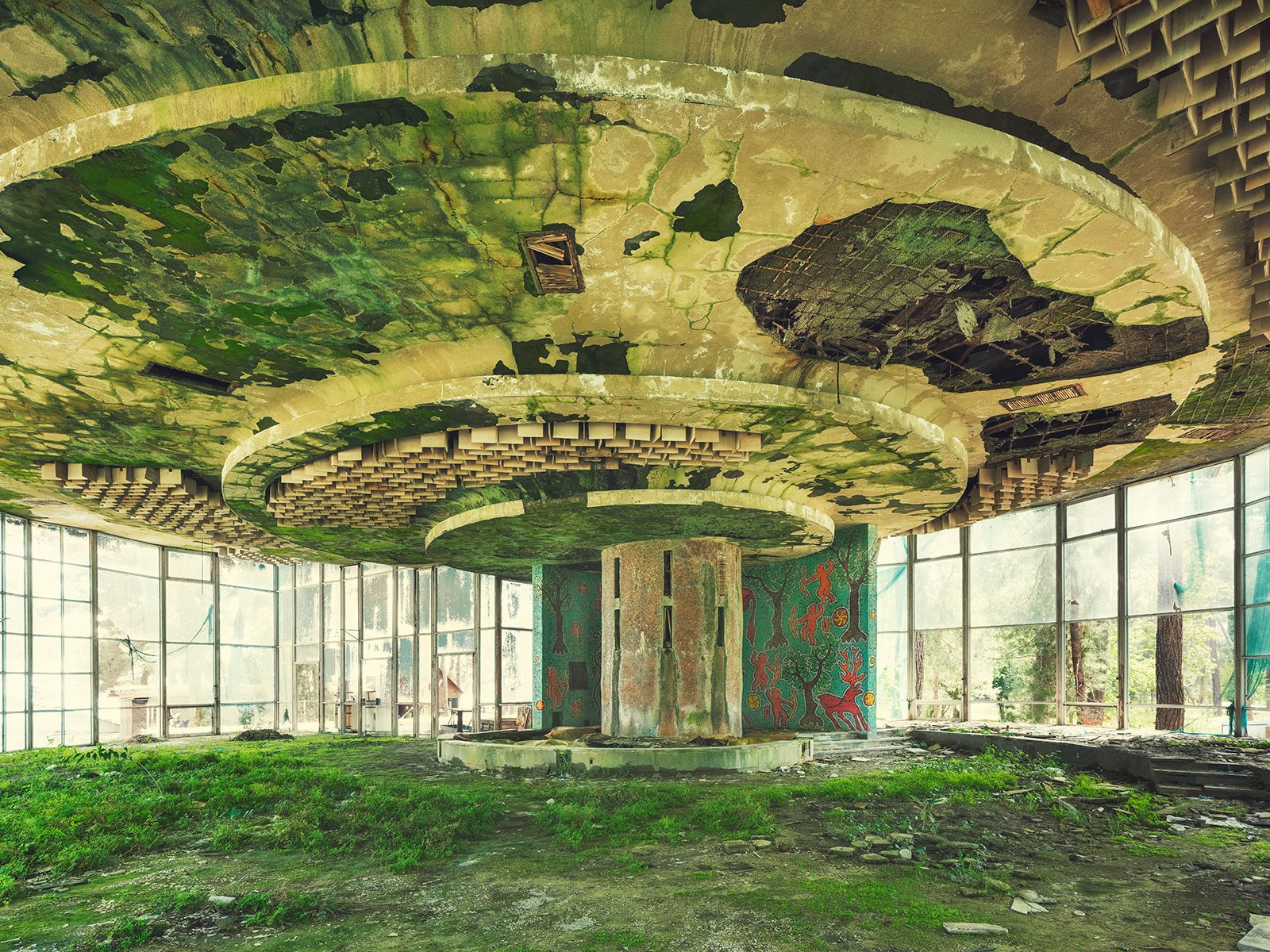
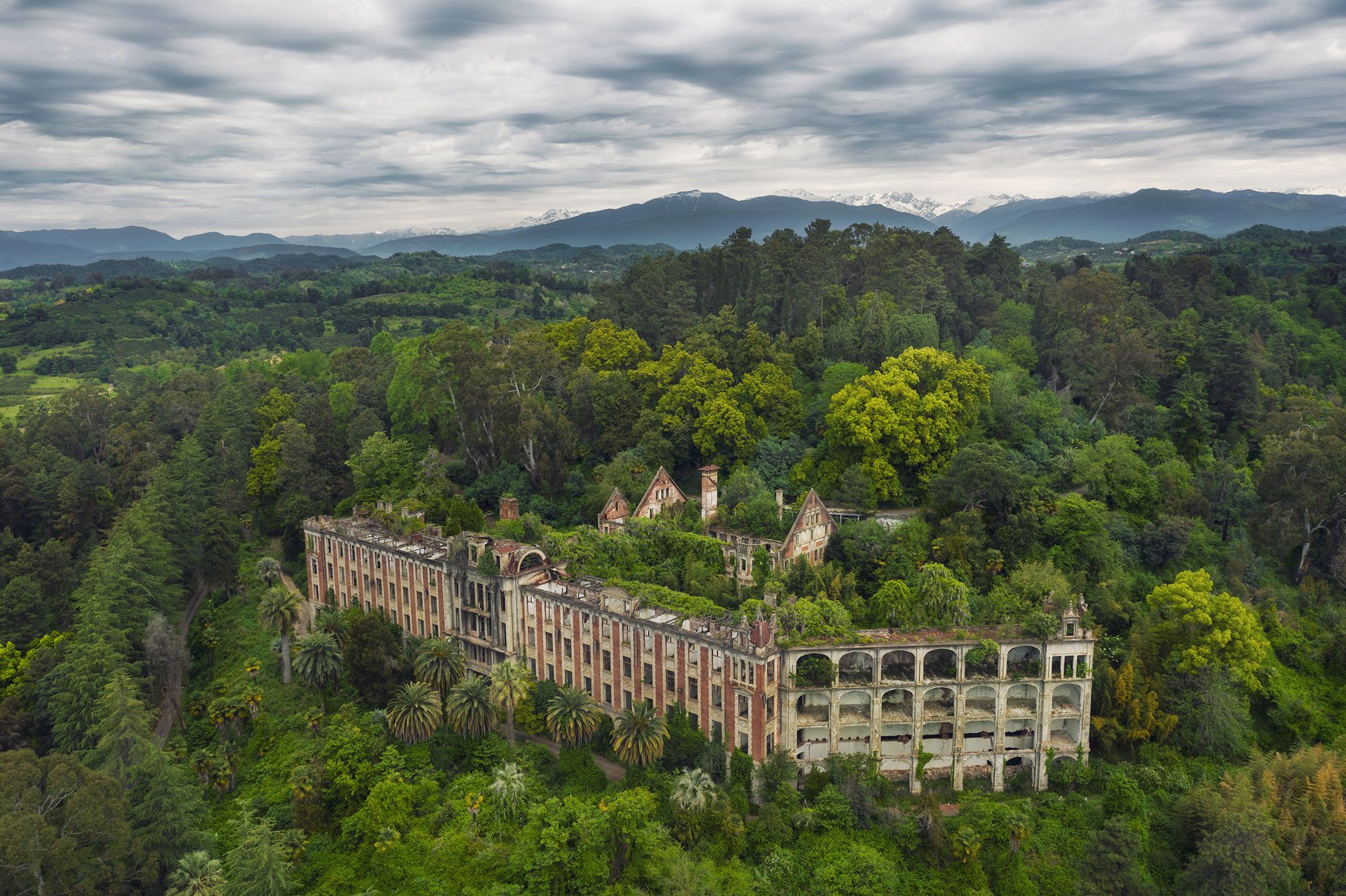
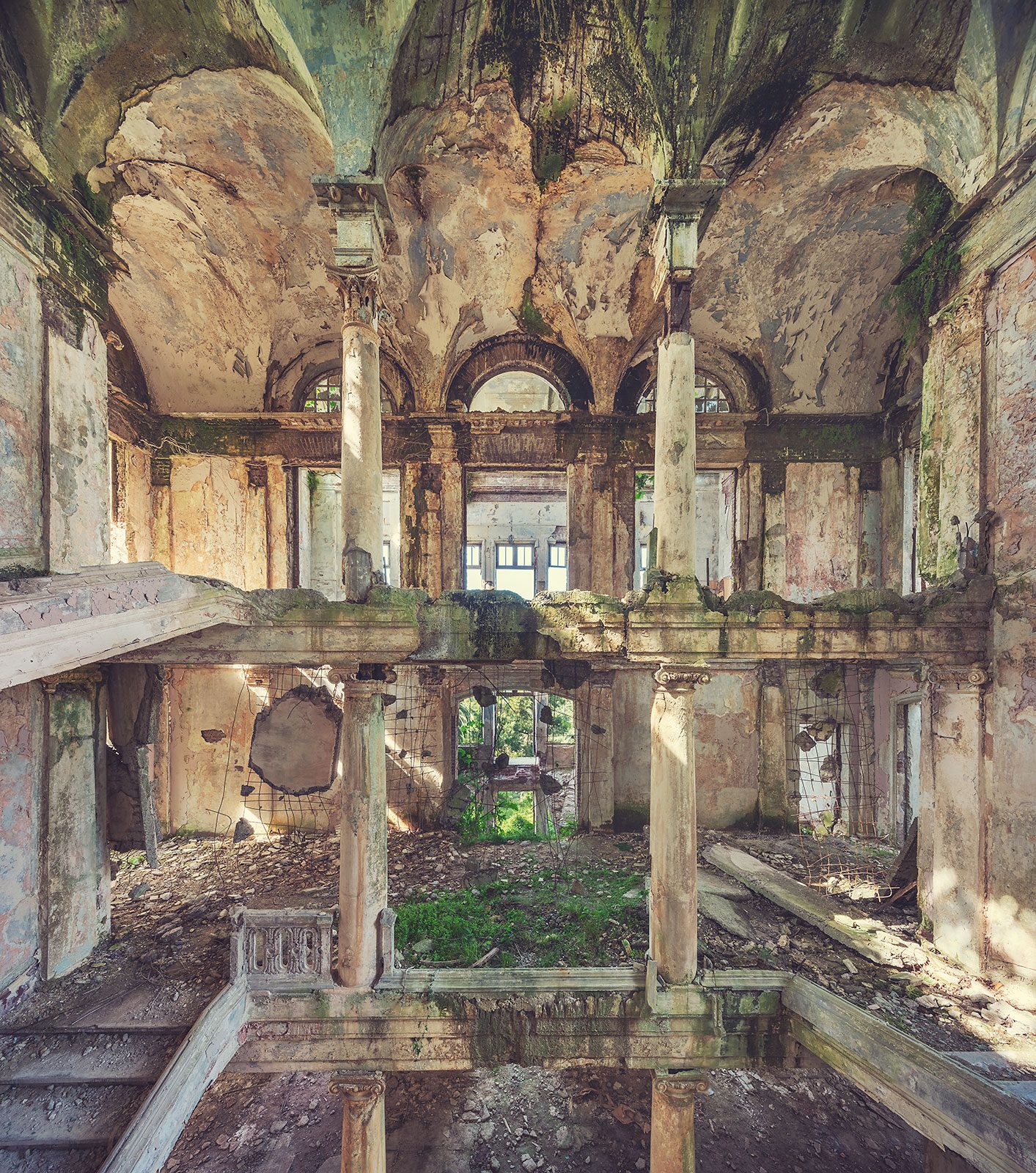
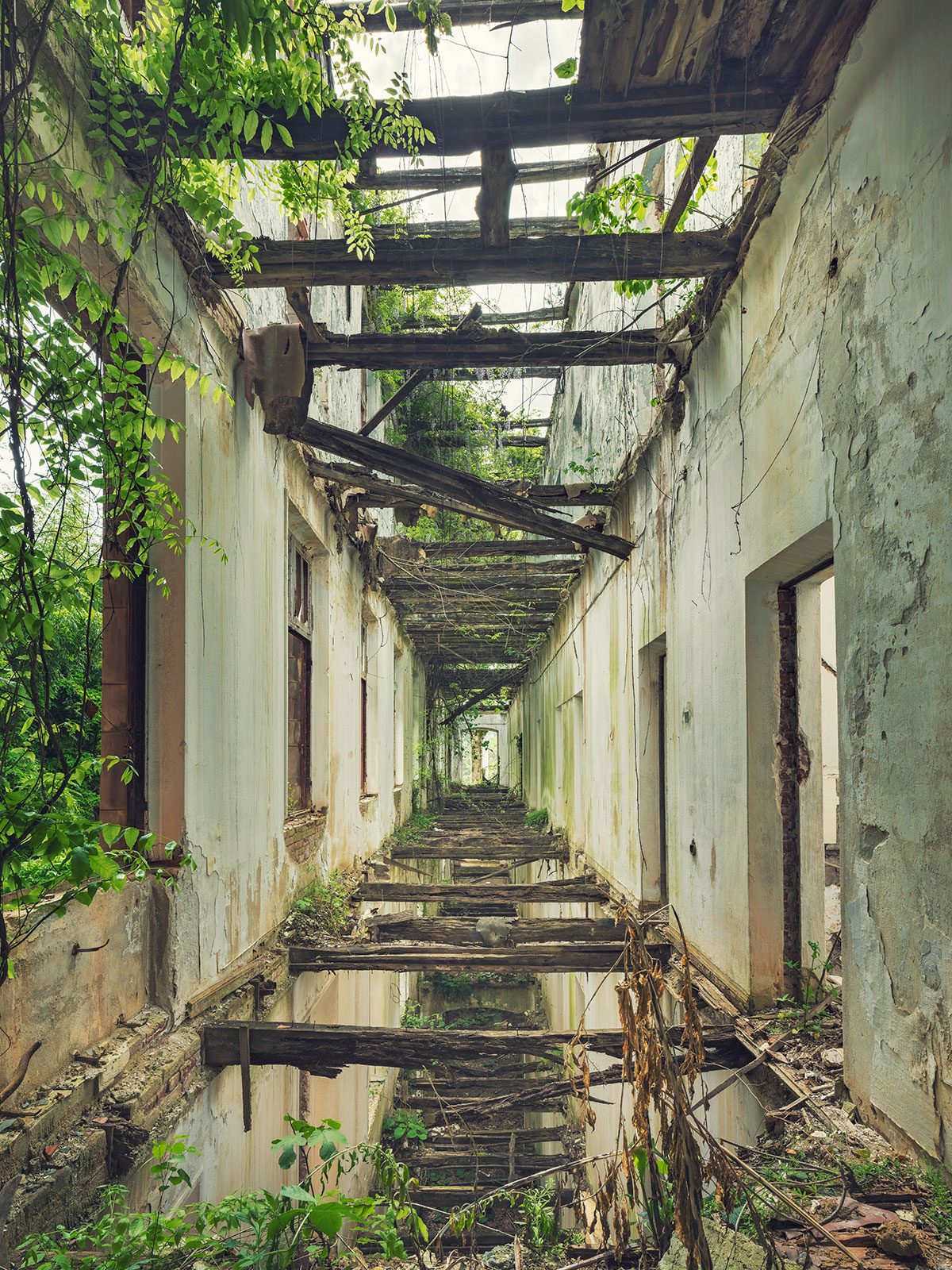
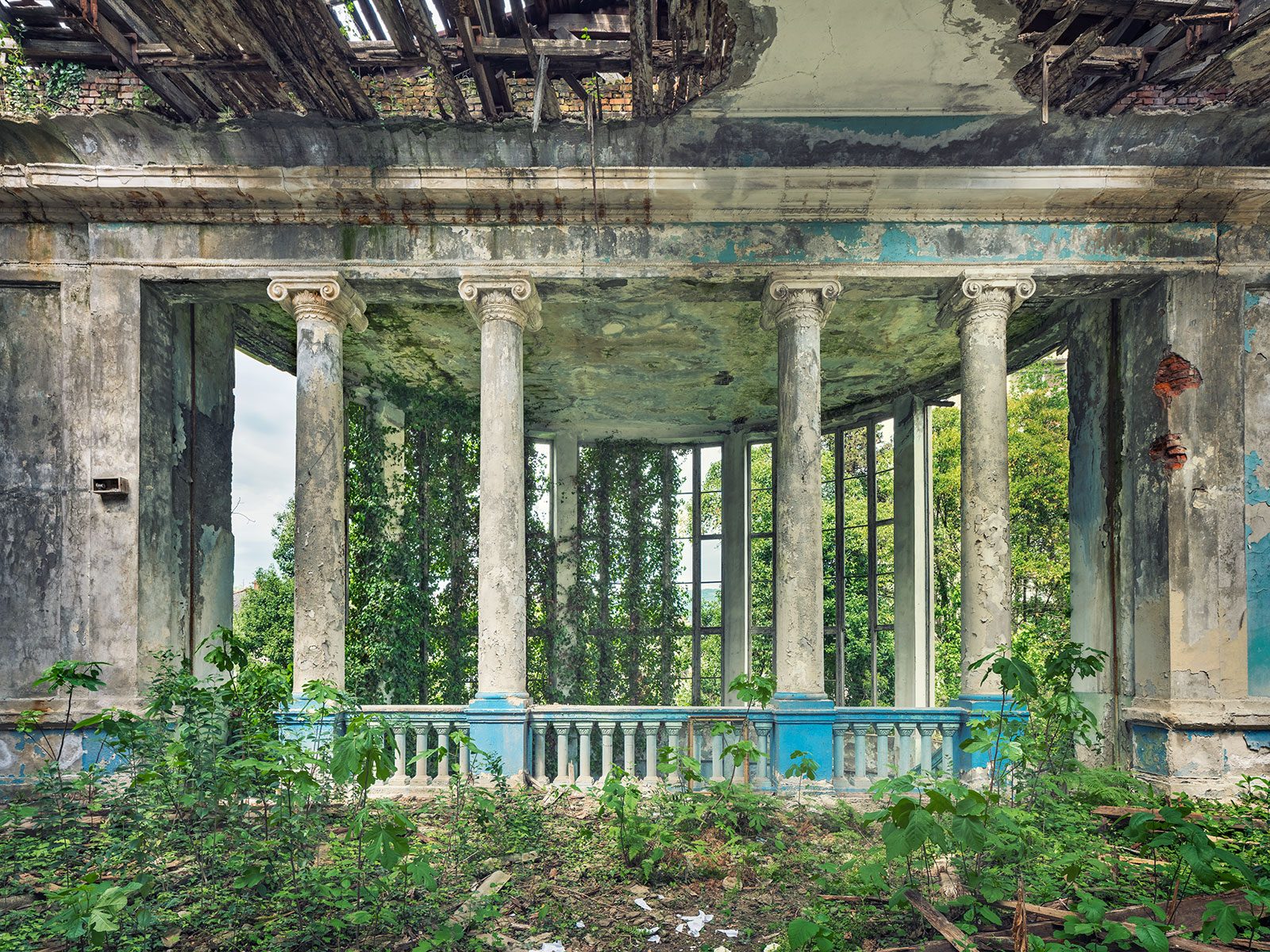
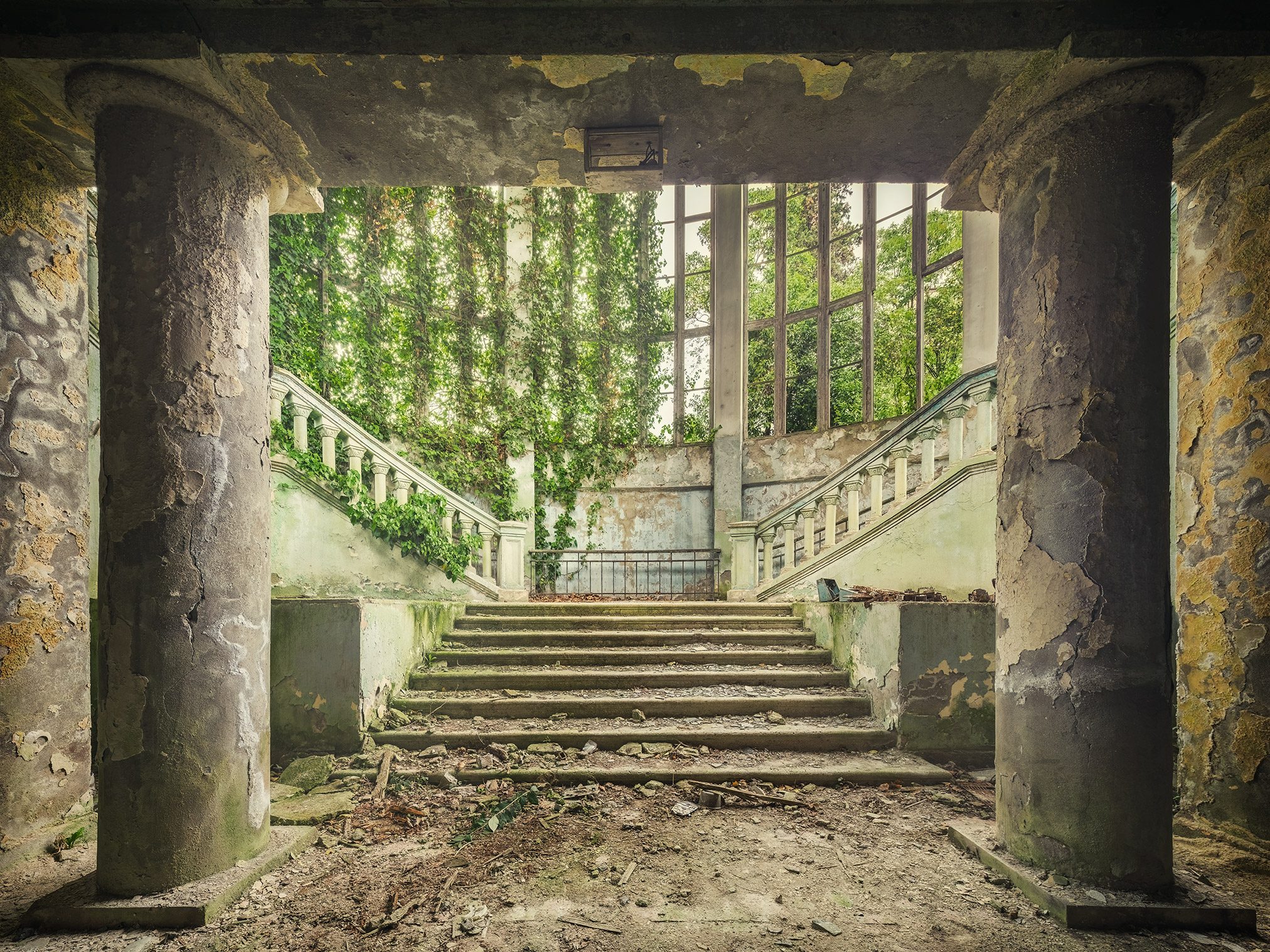
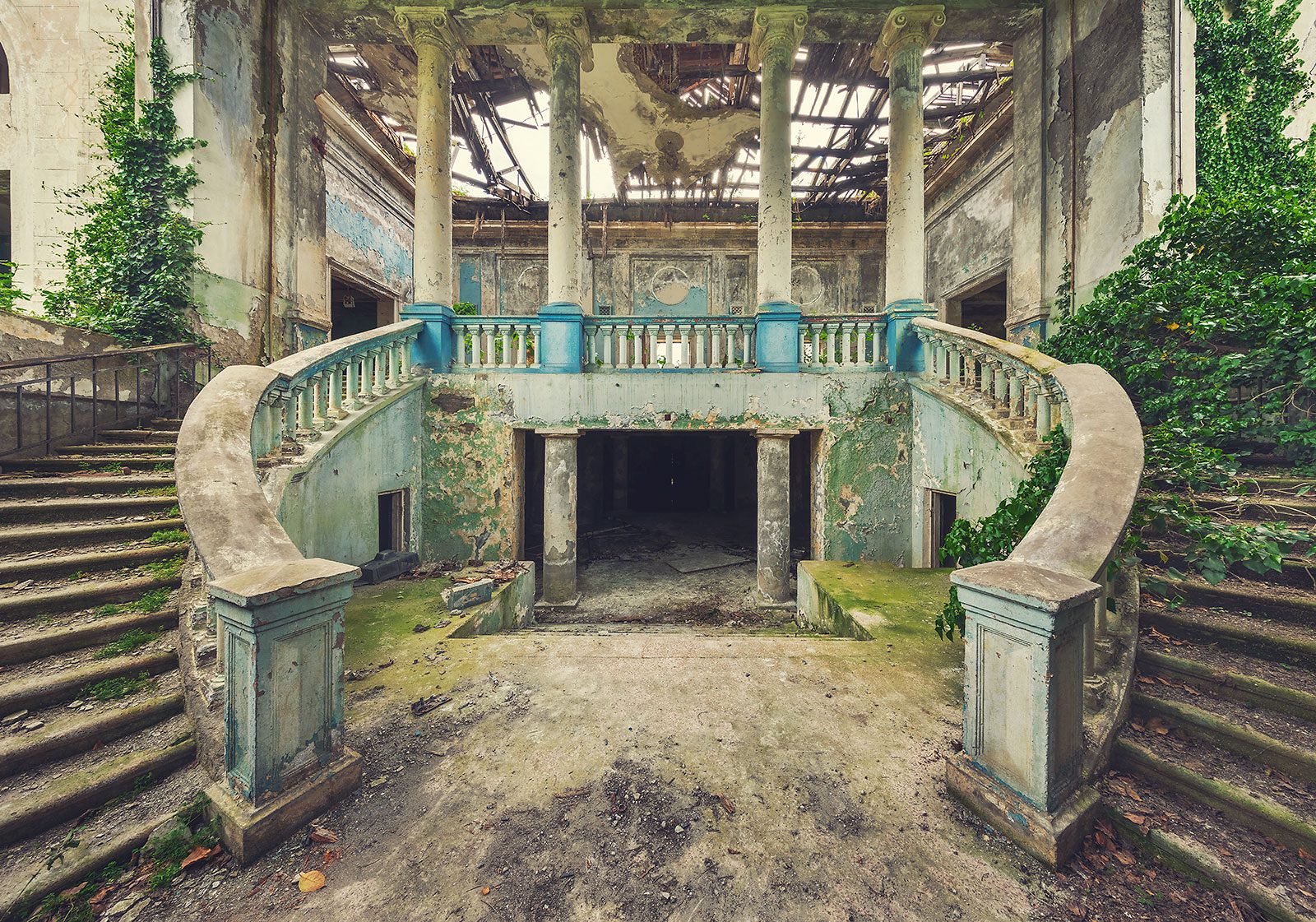
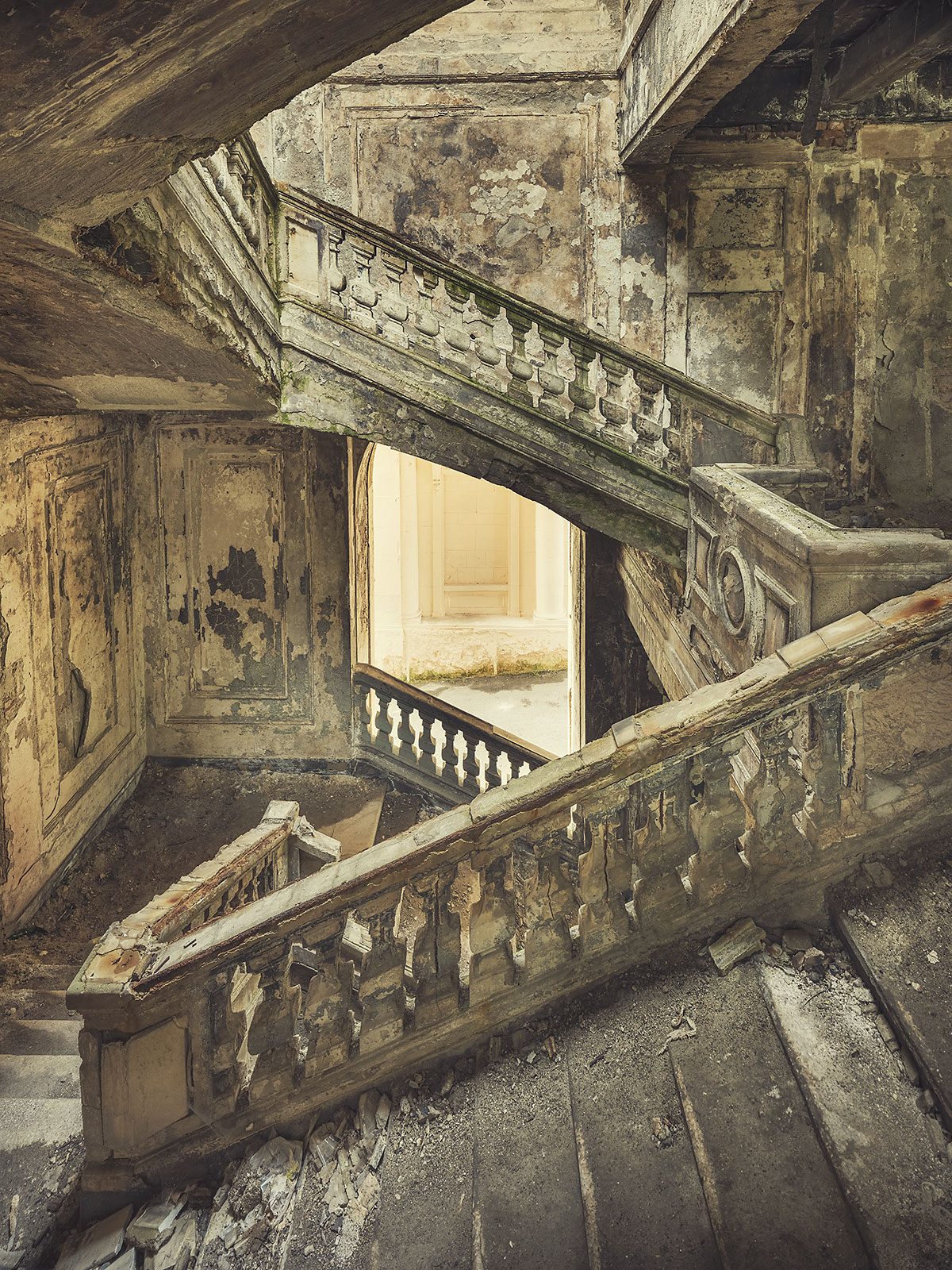
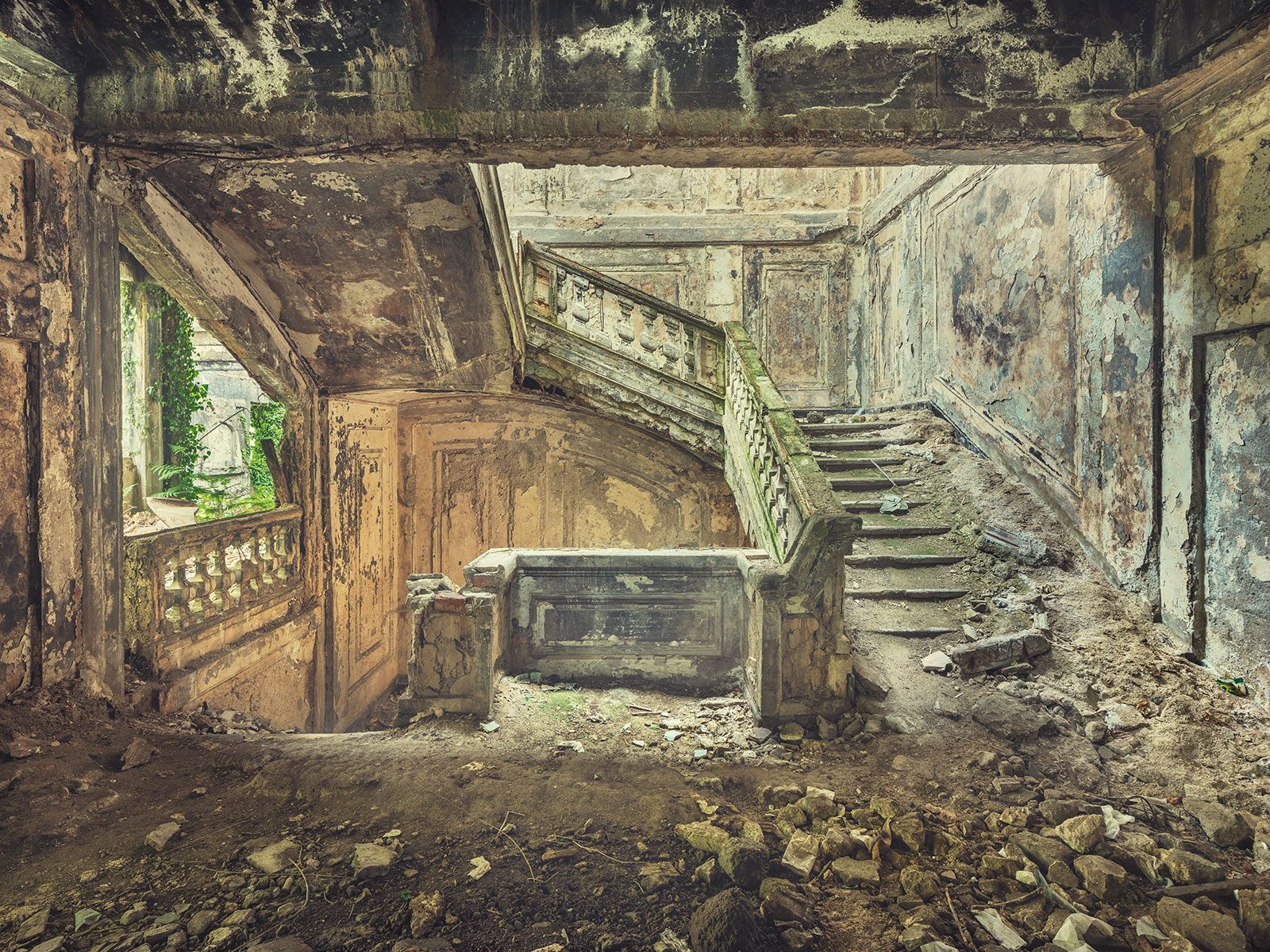
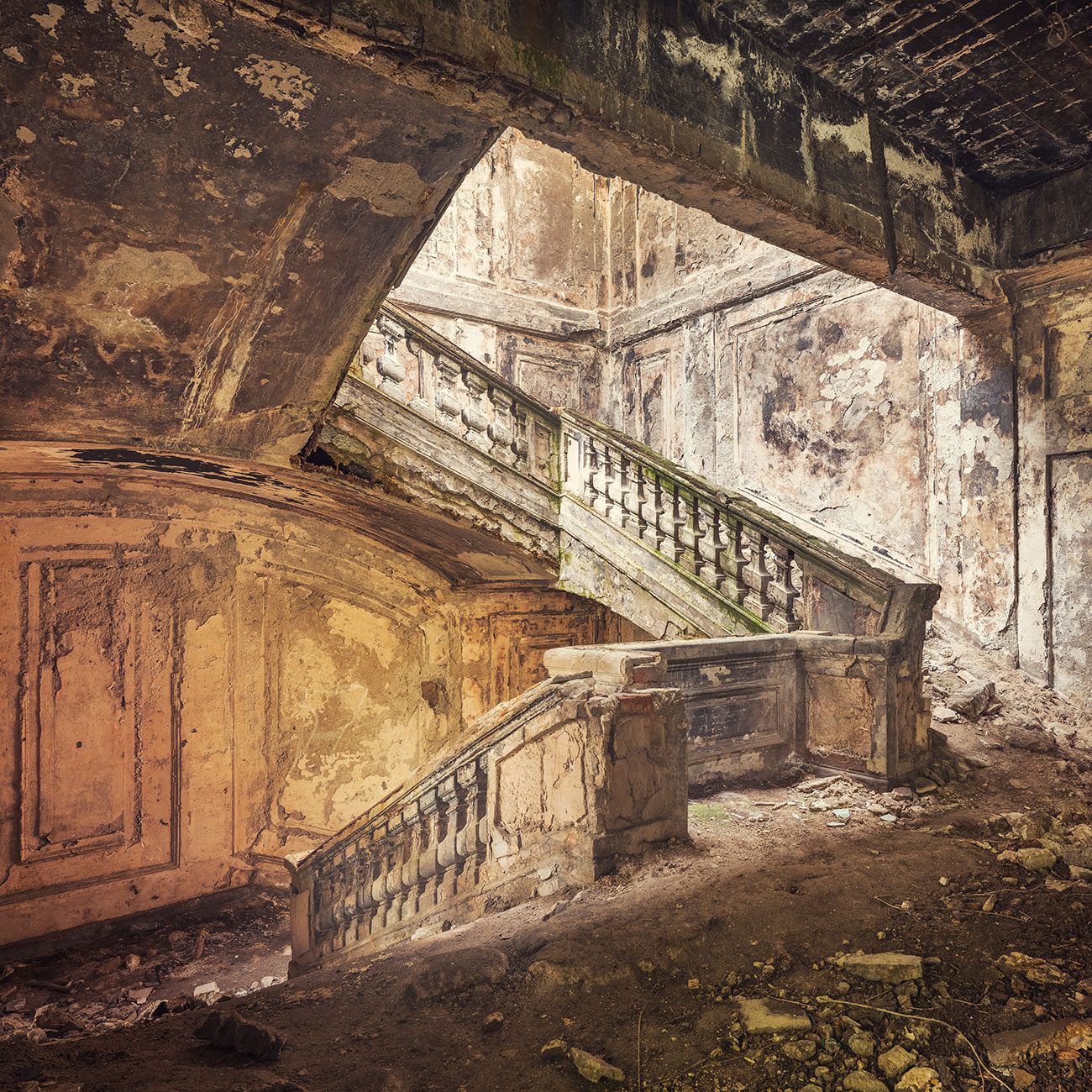
Abkhazia, a strip of land on the Black Sea between the coast and the Caucasus, was one of the most popular holiday regions of the Soviet Union. Since the war of 1992 and 1993 it has been separated from Georgia, and many sanatoria, railway stations and palaces of culture have stood empty ever since. In May 2019 I travelled there. It was one of the most moving and exciting times of my creative life.
Five hours at the border
There are no embassies and no international organisations, European SIM cards do not work, and entry was possible only with a complicated special visa, on foot across a bridge in north-western Georgia. The gruelling checks took almost five hours: by Georgia, by Abkhazia, by the military and by the secret service. Even here the tension was palpable, and the first questions arose as to whether I was not, after all, a Western spy. Communication is practically possible only in Russian. Once my equipment had been examined and recorded, I entered the country with no means of communication at all. That was new to me and at times an oppressive feeling.
And yet there were bizarre moments in between. An elderly lady passed the border posts with a large shopping bag, and in it a bleating sheep. And the many cows on the road were apparently the only living beings always allowed to pass freely, with no border control whatsoever.
Days of constant tension lay ahead, and I was grateful to have a guide and fixed lodgings, for explanation and communication and for a certain degree of safety too. For again and again the professional camera equipment attracted attention.
Why does so much stand empty in Abkhazia?
In Soviet times the coast was known as the “Soviet Riviera”. Along the Black Sea, in a mild climate, one hotel and sanatorium followed the next. On 14 August 1992 war broke out between Georgian and Abkhaz forces; it ended on 27 September 1993. It displaced some 200,000 to 240,000 people, most of them ethnic Georgians. Russia recognised Abkhazia as a state in 2008, and three other members of the United Nations do so today. The great majority of states regard the territory as part of Georgia.
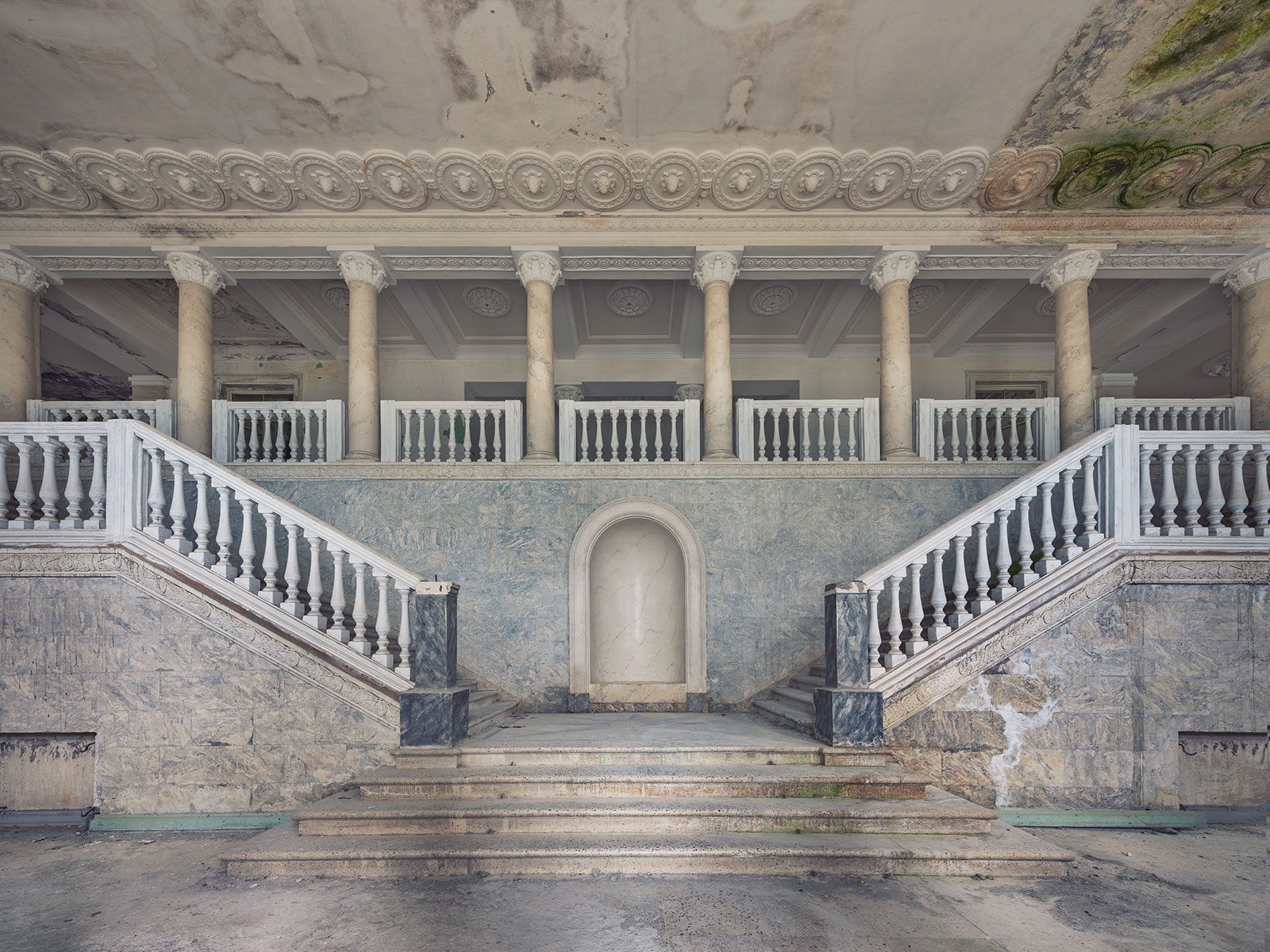
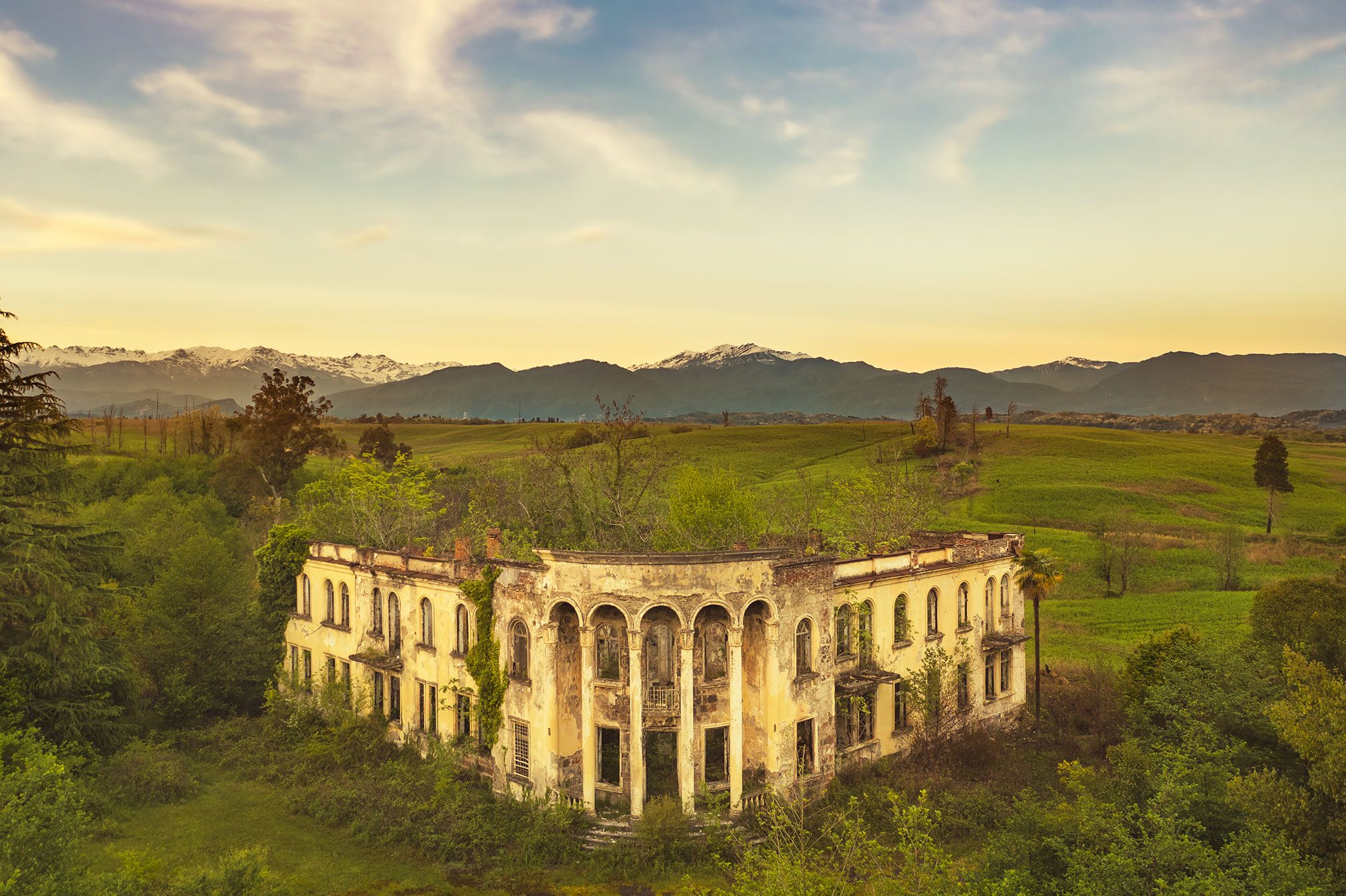
The enormous poverty of the isolated population and the poor infrastructure are crushing; a sad side travels with you all the time. For how much could this beautiful region flourish? The Black Sea coast to the south, the ranges of the Caucasus to the north, yet in between, again and again, whole streets that are abandoned or partly bombed out. I concentrated on the beauty of the architecture, on the former splendour that is still present today.
The railway along the coast
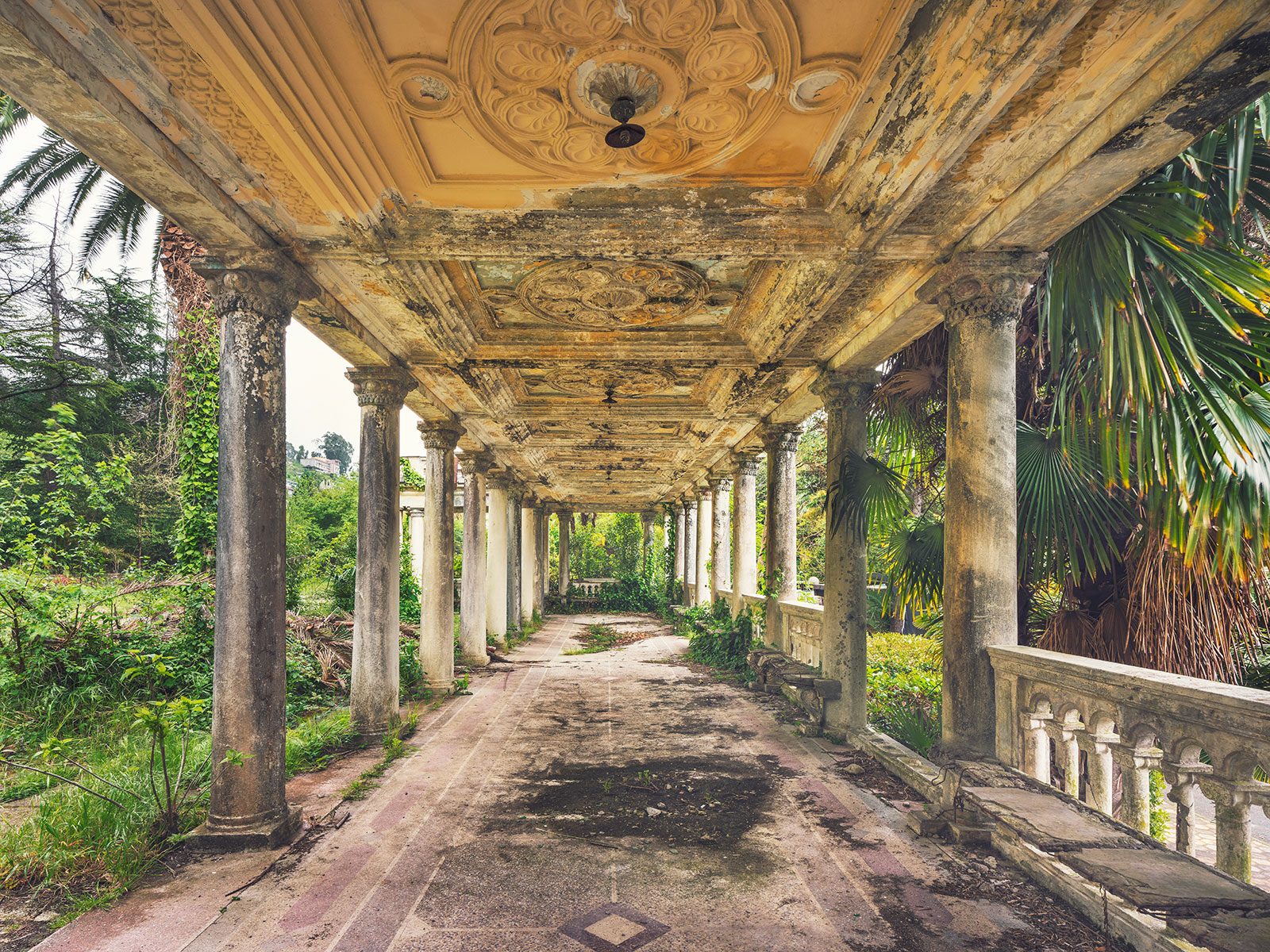
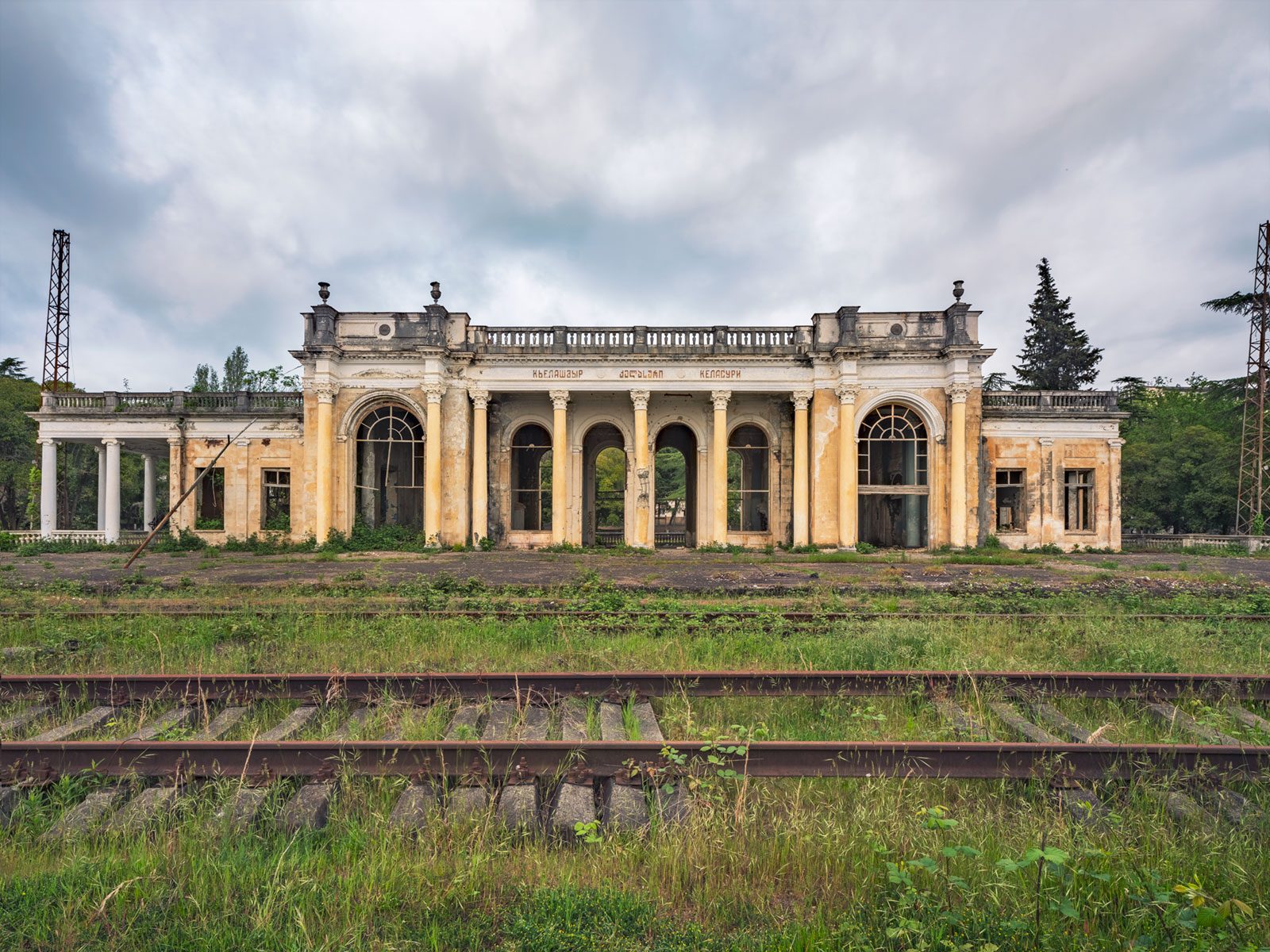
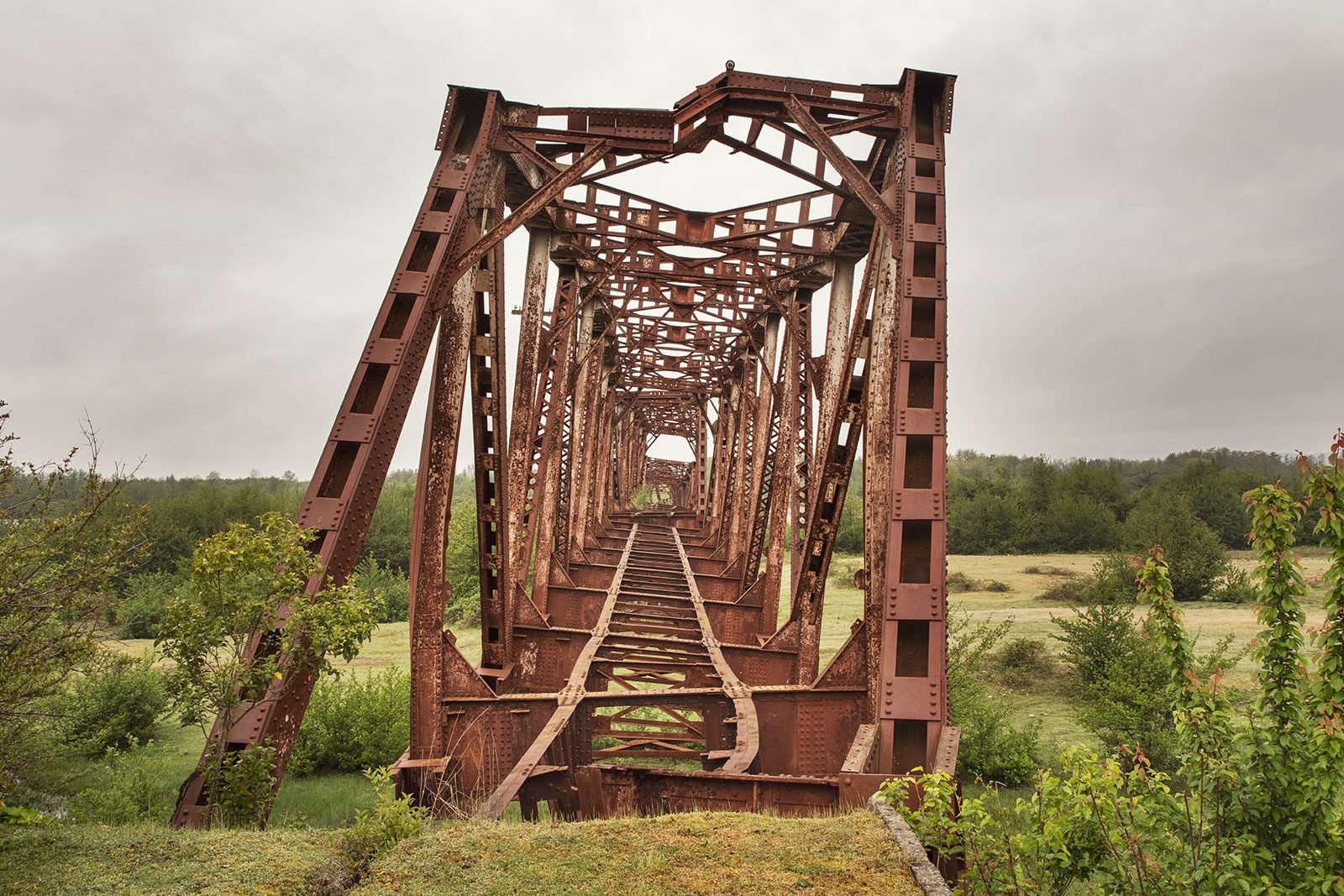
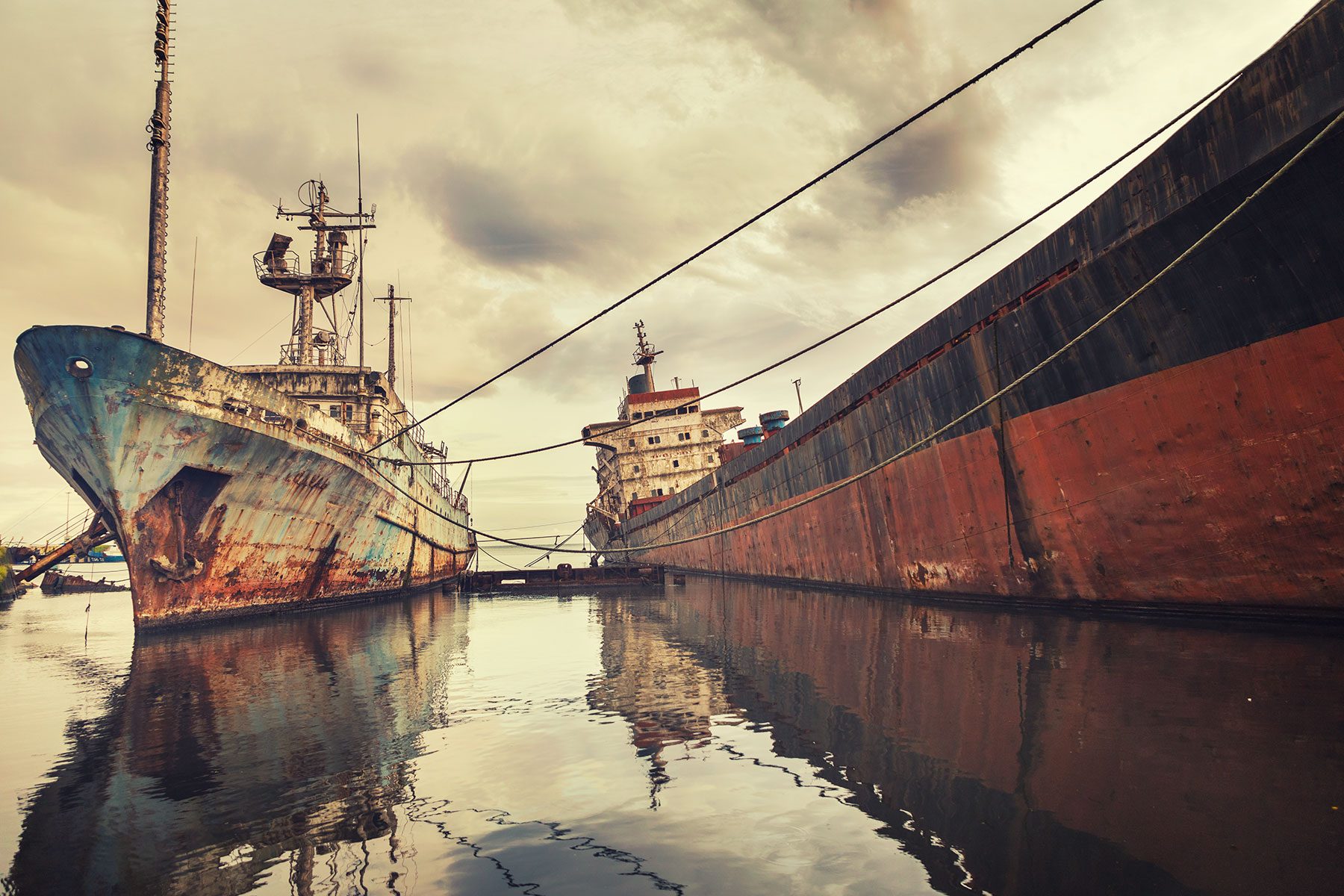
Along the coast runs a railway that once linked Russia with Georgia. On 14 August 1992 its bridge over the Enguri was blown up, and the line has ended there ever since. Its stations, in part majestic buildings of the 1940s and 1950s, had stood empty for almost thirty years in 2019. I travelled the line from Gagra to the bridge and tell of it in the story The railway stations of Abkhazia.
Gagra, Sukhumi and the sanatoria
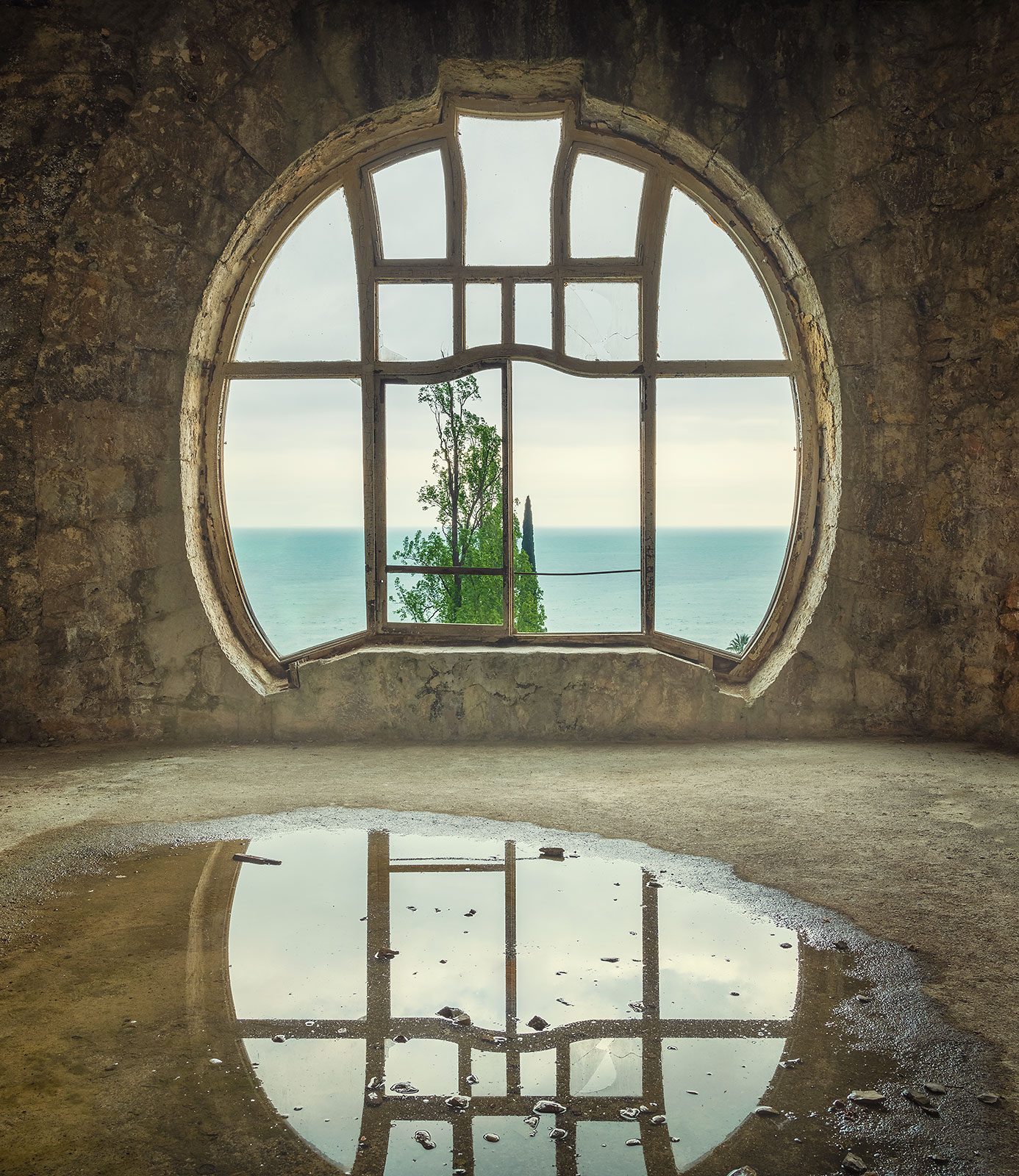
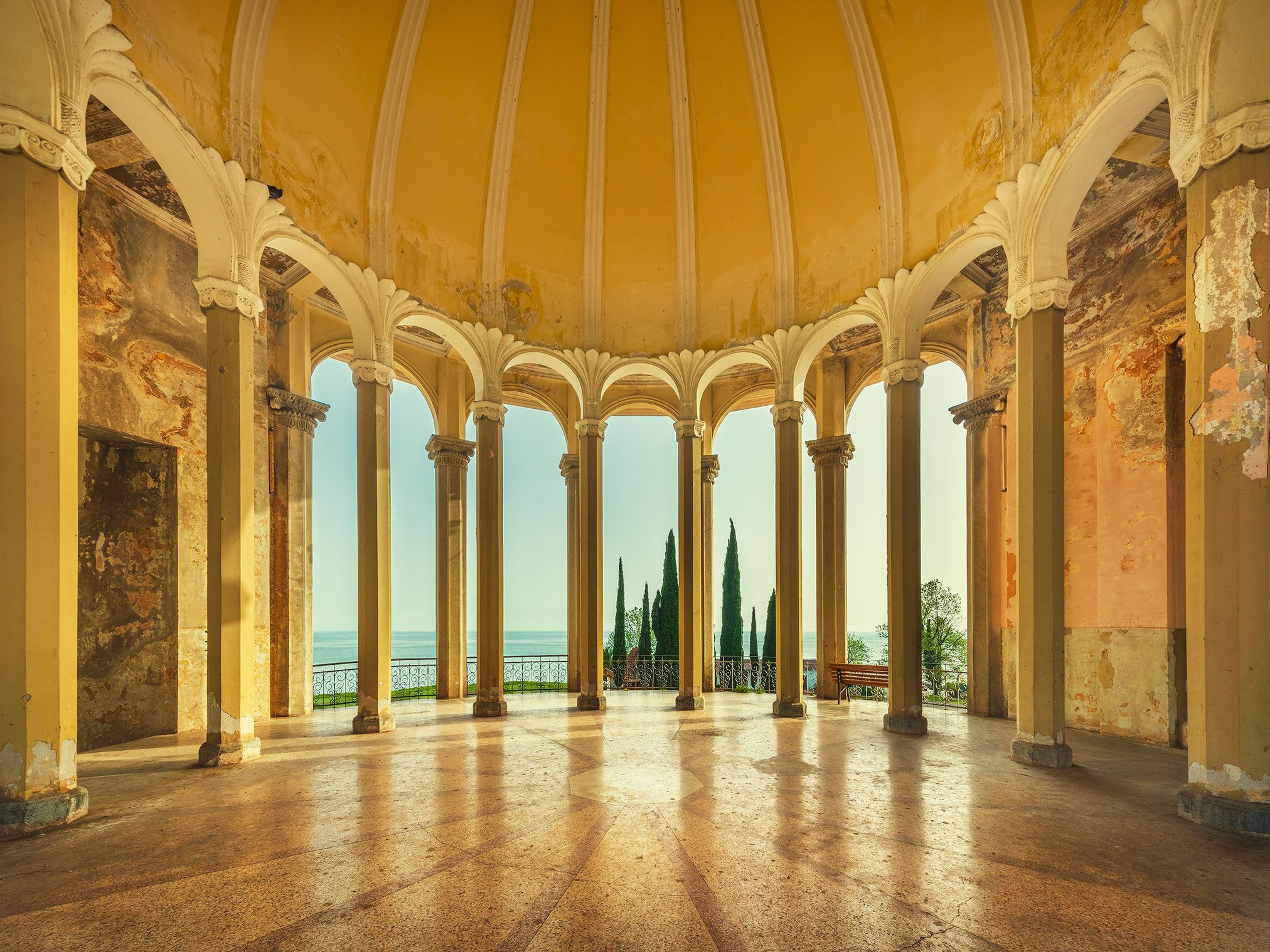
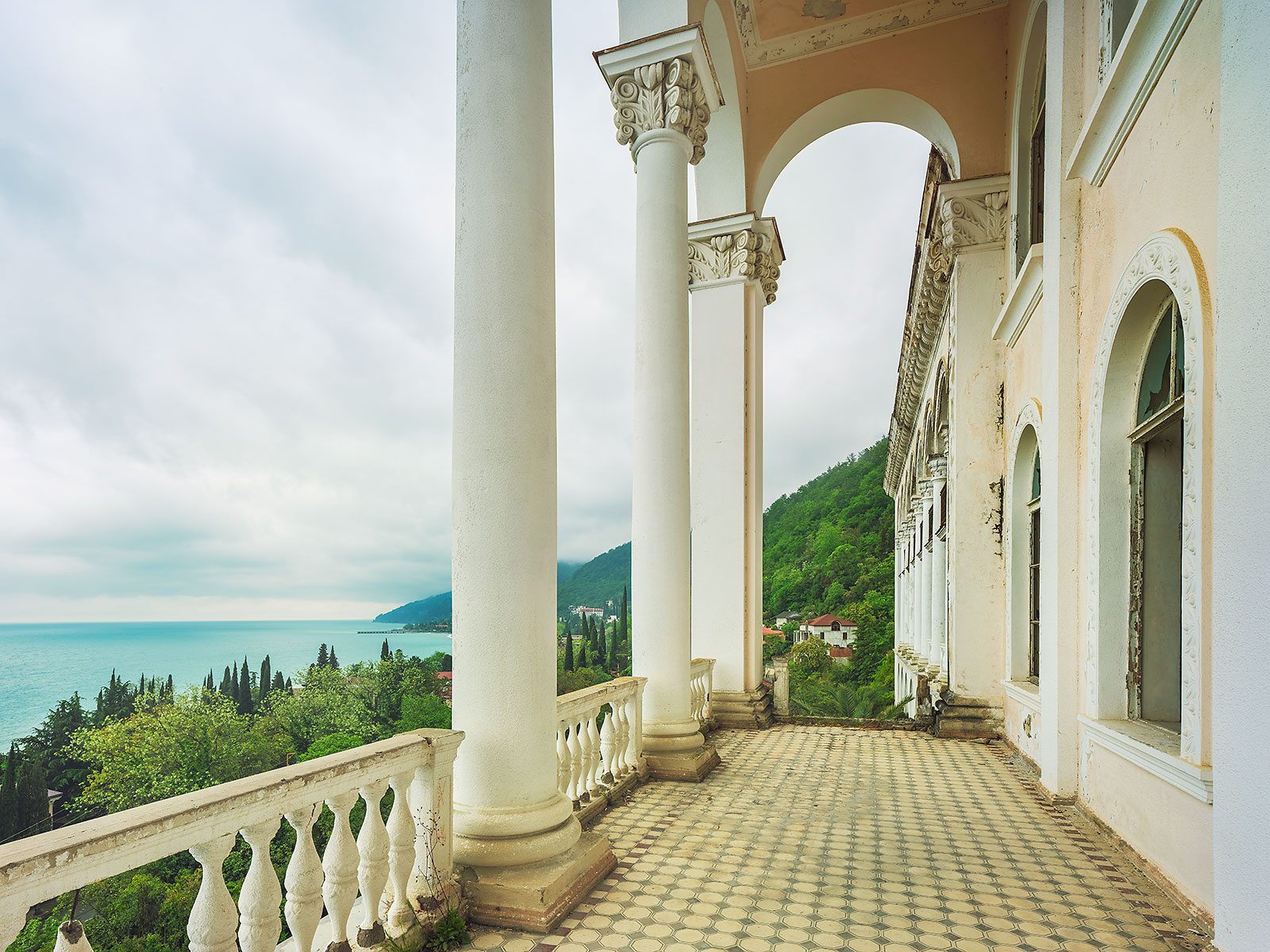
Gagra was founded as a resort by Prince Alexander of Oldenburg and opened in January 1903. One of my pictures was taken in his palace: the view of the sea through an arched window. The “star of Gagra”, as the newspaper Novaya Gazeta called it, was the Gruzia sanatorium. It has stood empty since the war.
In Sukhumi the building of the Council of Ministers burnt out on 27 September 1993. For more than thirty years it remained a ruin. In September 2025 the president ordered a design competition for its reconstruction, in which the side wings are to be preserved.
The mining towns
Among the most emotionally gripping moments were the old mining towns in the Abkhaz mountains. Akarmara was founded in 1938. Before the war some 15,000 people lived in the mining settlements; by 2017 only about 200 remained in all of them together.
Where thousands once lived, only a handful of families remain among ruins and collapsing buildings. Cows wander between burnt-out cars and derelict prefabricated blocks, and children play who, despite all the poverty, seem blissful and happy. At some point a little girl came up, curious, and eyed the display while my drone was in the air. These are moments when I am sad not to be able to exchange a few words and learn more.
One of the last possible moments
In 2019 I was probably among the last Europeans who could travel to Abkhazia without difficulty. In March 2020 the crossing on the Enguri was closed because of the pandemic and reopened only in 2021; then came Russia’s war against Ukraine. A return visit is probably impossible for a long time. The region itself is now opening more towards Russia: since May 2025 scheduled flights from Moscow have been landing in Sukhumi again, for the first time since the war.
In any case Abkhazia was one of the greatest challenges for me, beginning with the helplessness in which all experience and knowledge from other countries counted for nothing. The food, too, was quite a challenge.
Abkhazia is one of the twelve chapters in my book VERGESSENE PRACHT, published by Frederking & Thaler in 2023.
The pictures
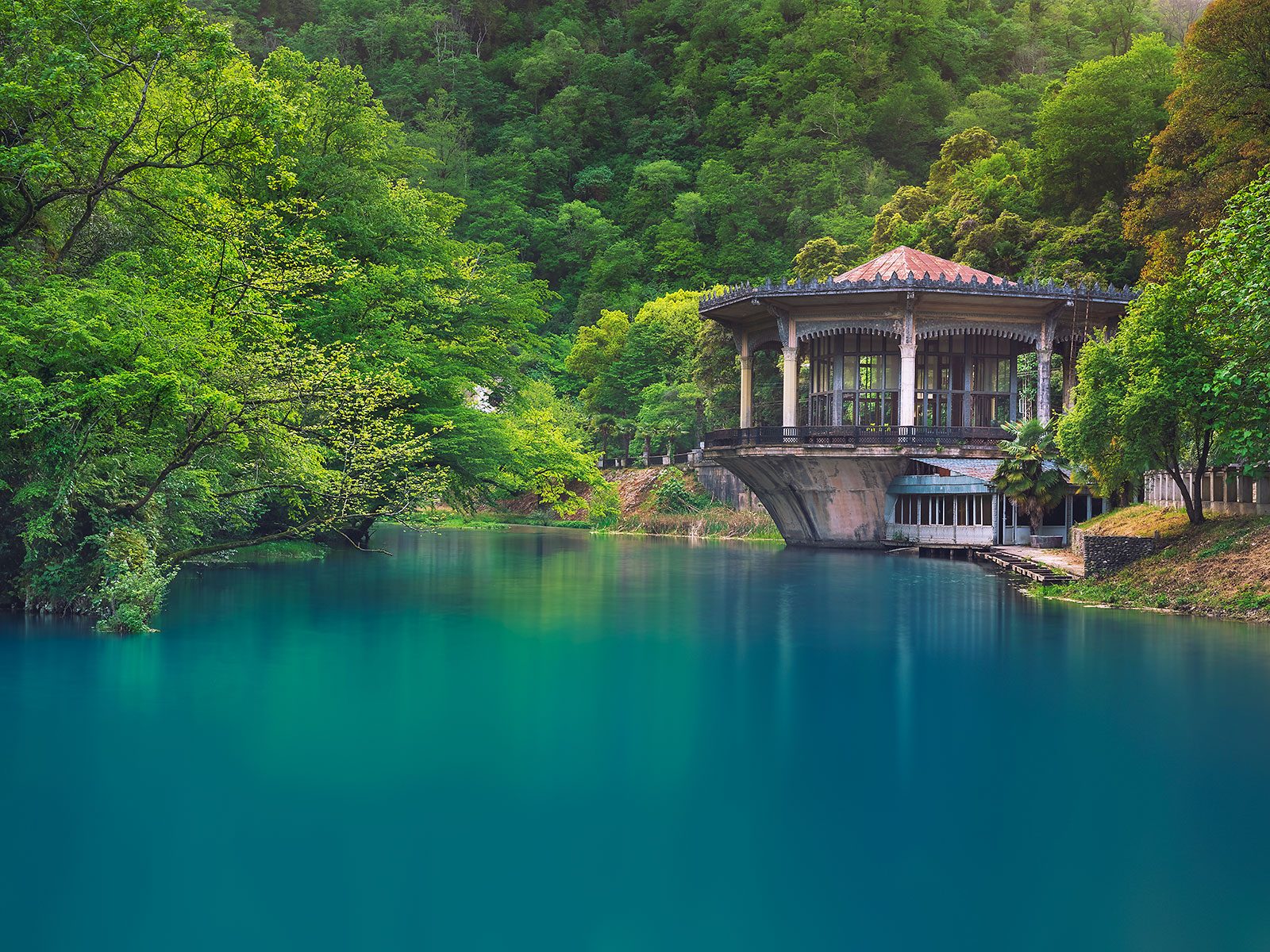
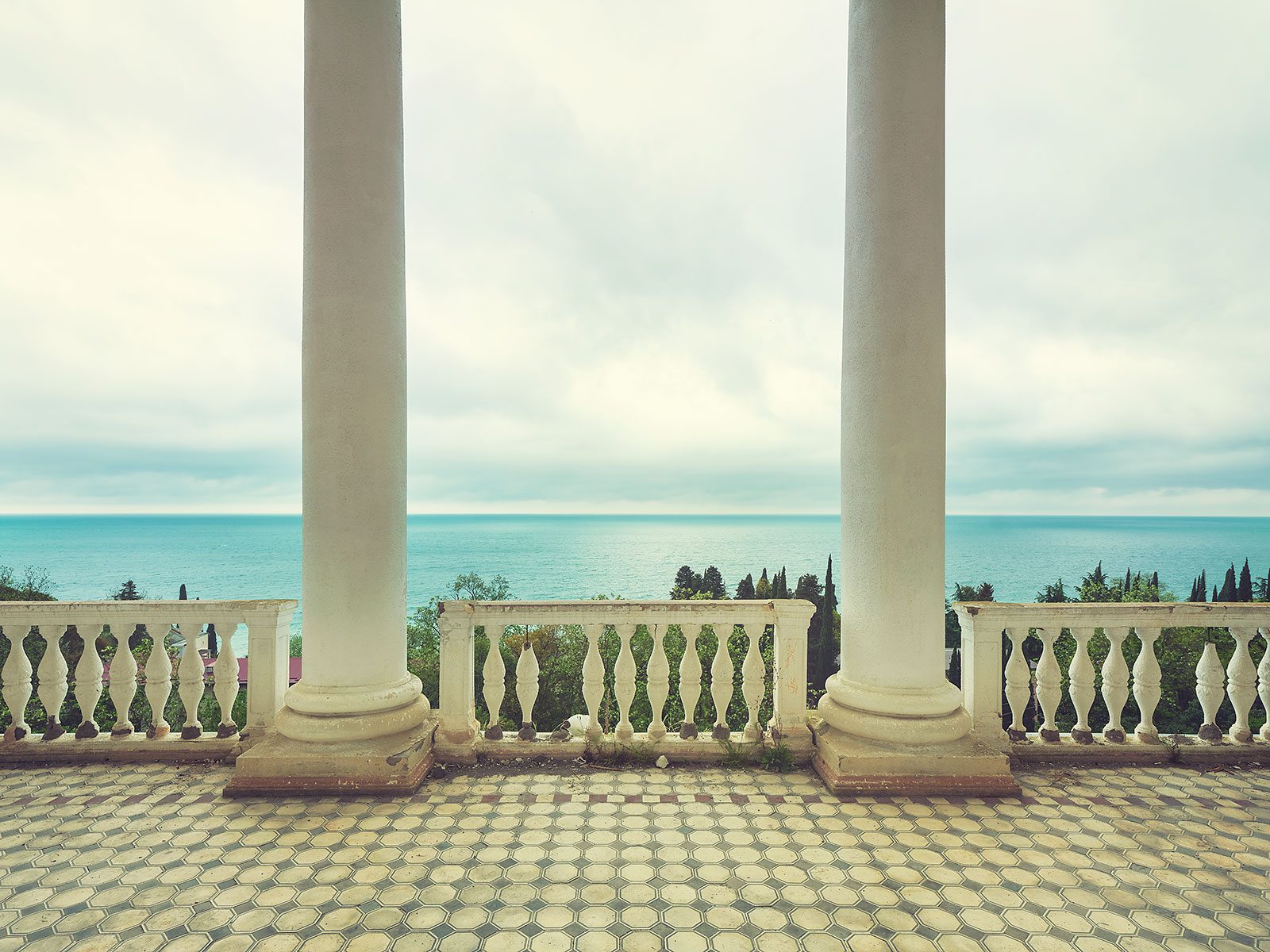
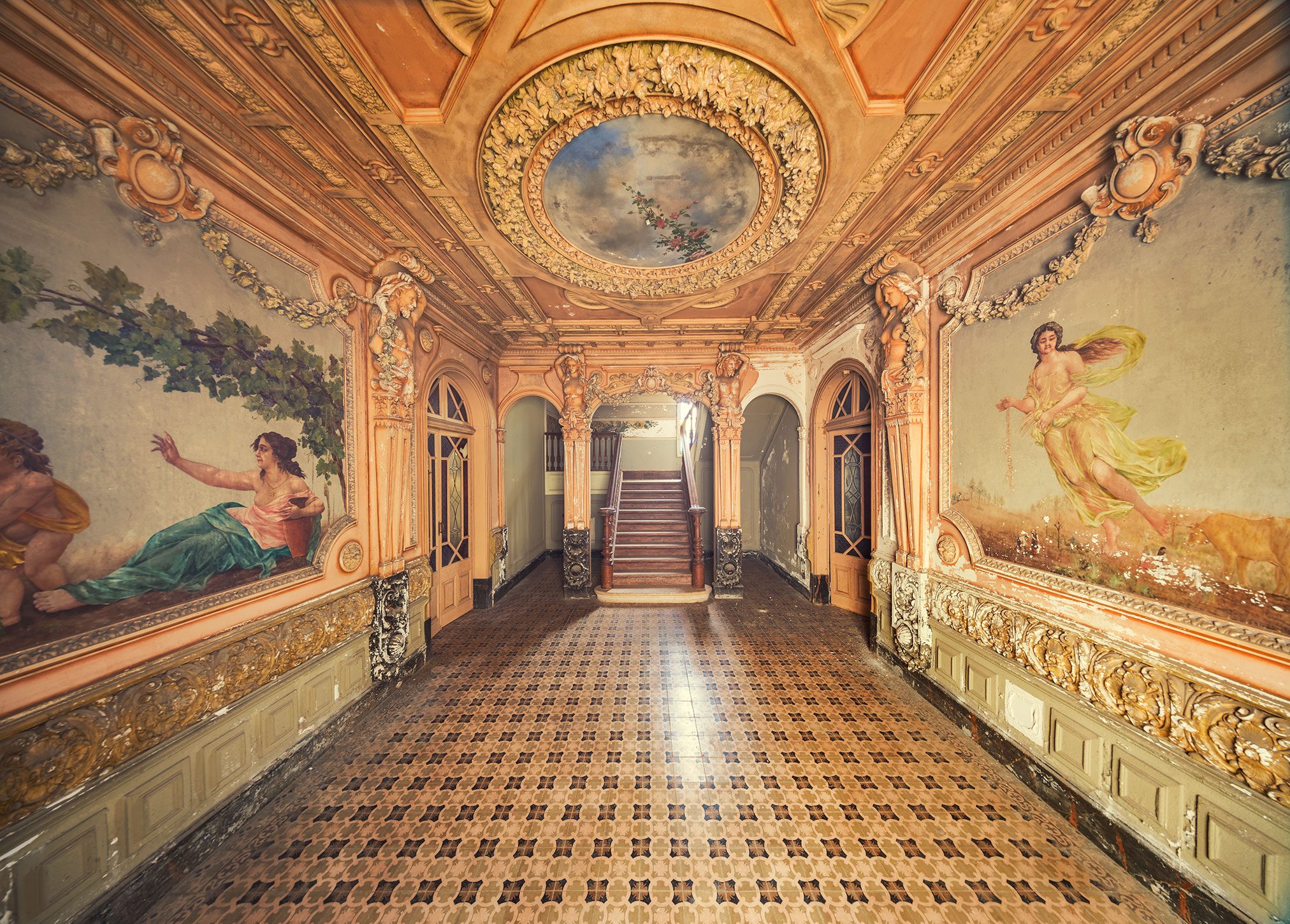
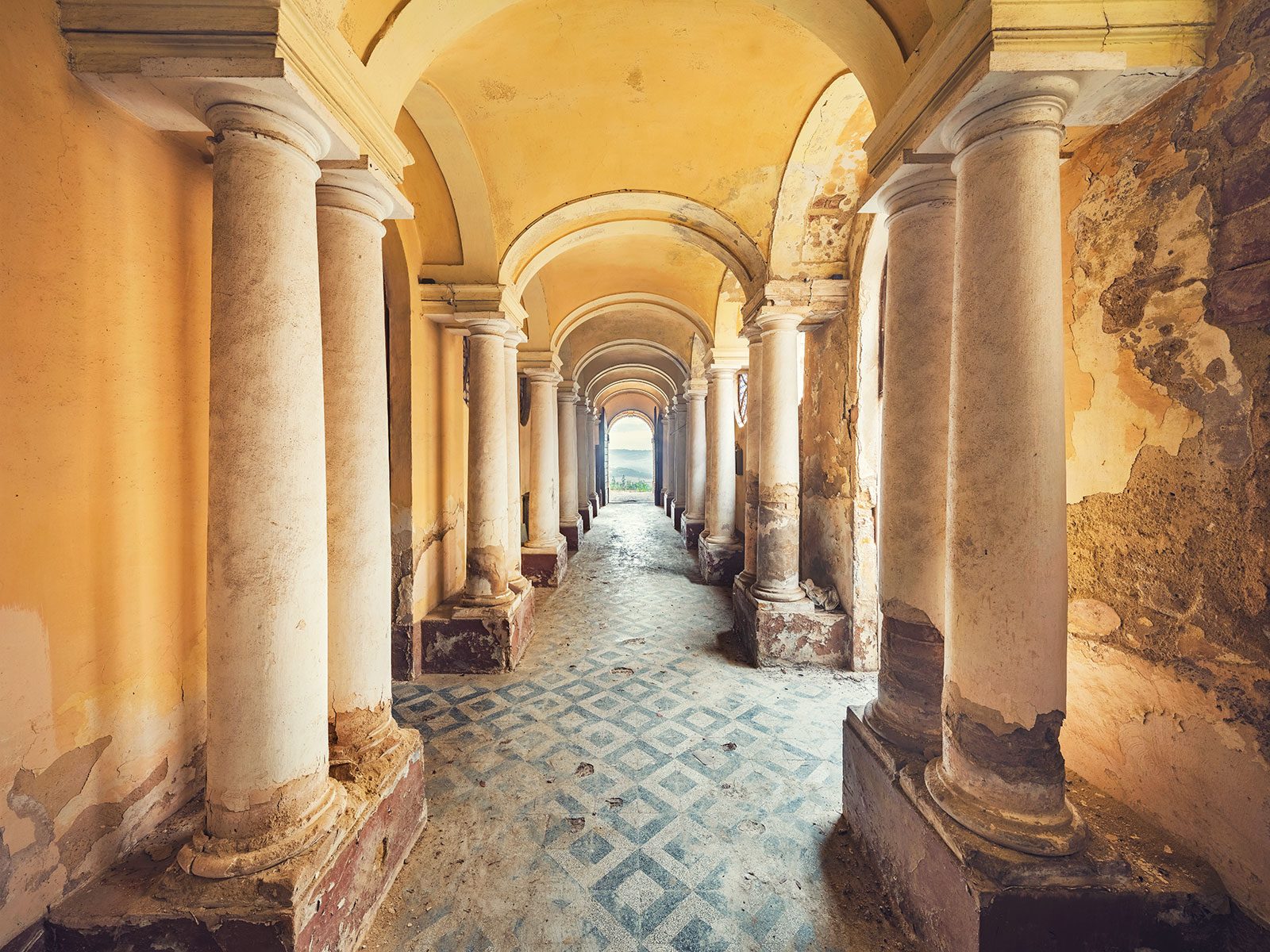
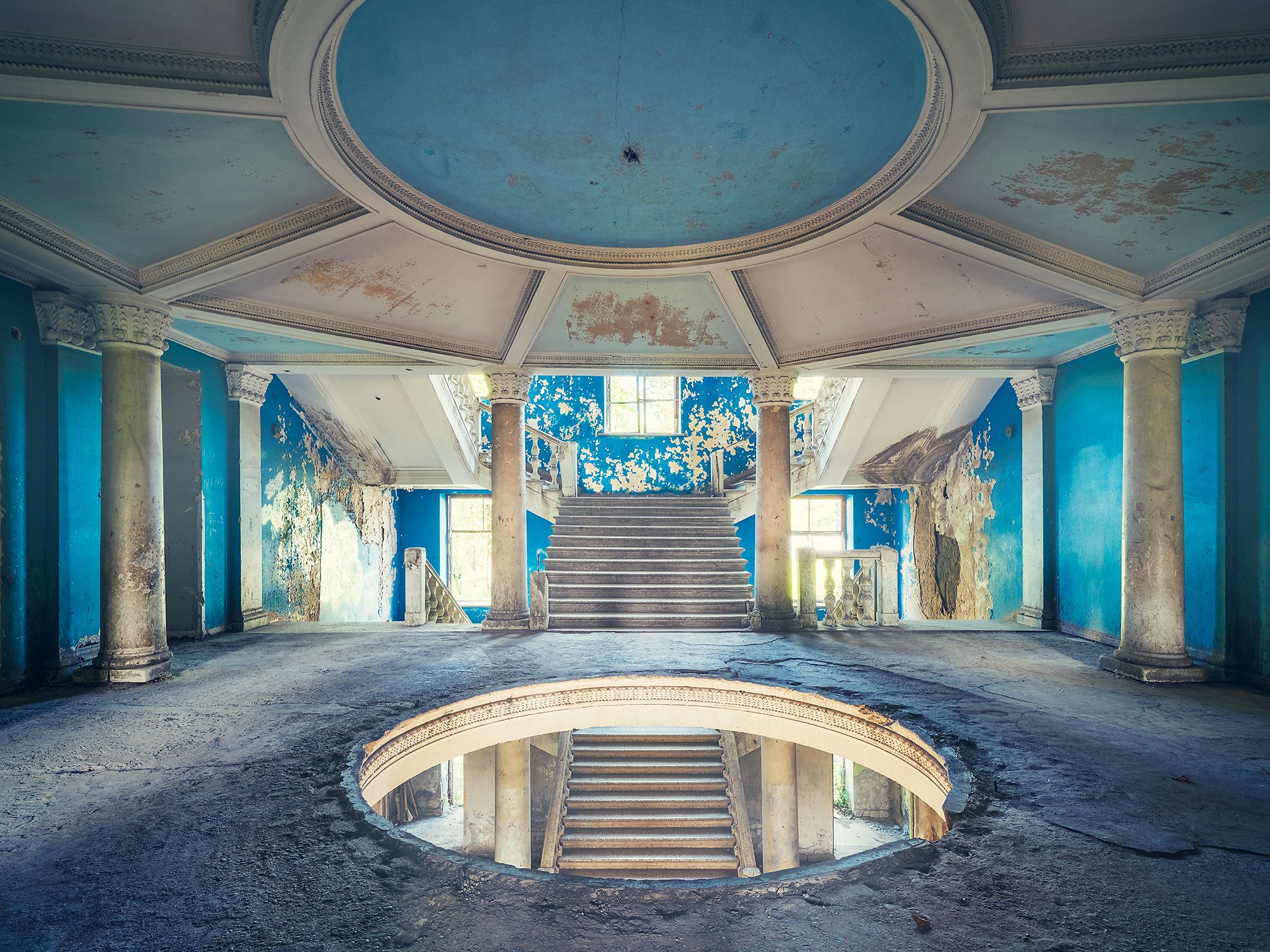
Photographs from Abkhazia taken in May 2019, from the series BOUNDLESS, RISE AND FALL, ELEMENTAL, END OF THE JOURNEY and others.
-
-
-
-
-
-
-
-
-
-
-
-
-
-
-
-
-
-
-
-
-
-
Sources and further background
This story draws on the following sources.
- JAMnews: The Georgian-Abkhaz war 1992–1993 , accessed 11. November 2026
- Human Rights Watch: Georgia/Abkhazia, Violations of the Laws of War (März 1995) , accessed 11. November 2026
- Brookings Institution: From Responsibility to Response, Georgia (2011) , accessed 11. November 2026
- Meduza: Staaten, die Abchasien anerkennen (30.07.2026) , accessed 11. November 2026
- RFE/RL: Abkhazia, the “Soviet Riviera” (19.06.2016) , accessed 11. November 2026
- Wikipedia (russisch): Abchasische Eisenbahn , accessed 11. November 2026
- Interfax: Elektrozug Sotschi–Sochumi gestartet (01.05.2025) , accessed 11. November 2026
- EastWatch: Checkpoint regime in Abkhazia , accessed 11. November 2026
- Abaza: Prince of Oldenburg, founder of the resort of Gagra (02.06.2019) , accessed 11. November 2026
- Nowaja Gaseta: Strana-sabroschka (31.03.2021) , accessed 11. November 2026
- JAMnews: Former Council of Ministers building to be restored (11.09.2025) , accessed 11. November 2026
- RFE/RL: Akarmara, an Abkhaz ghost town (27.07.2023) , accessed 11. November 2026
- OC Media: In the ruins of eastern Abkhazia’s ghost towns (2017) , accessed 11. November 2026
- JAMnews: Sukhum airport reopens after 30 years (02.05.2025) , accessed 11. November 2026
Series
More from BOUNDLESS
Fine art prints on the theme
Related stories
All stories →

Share